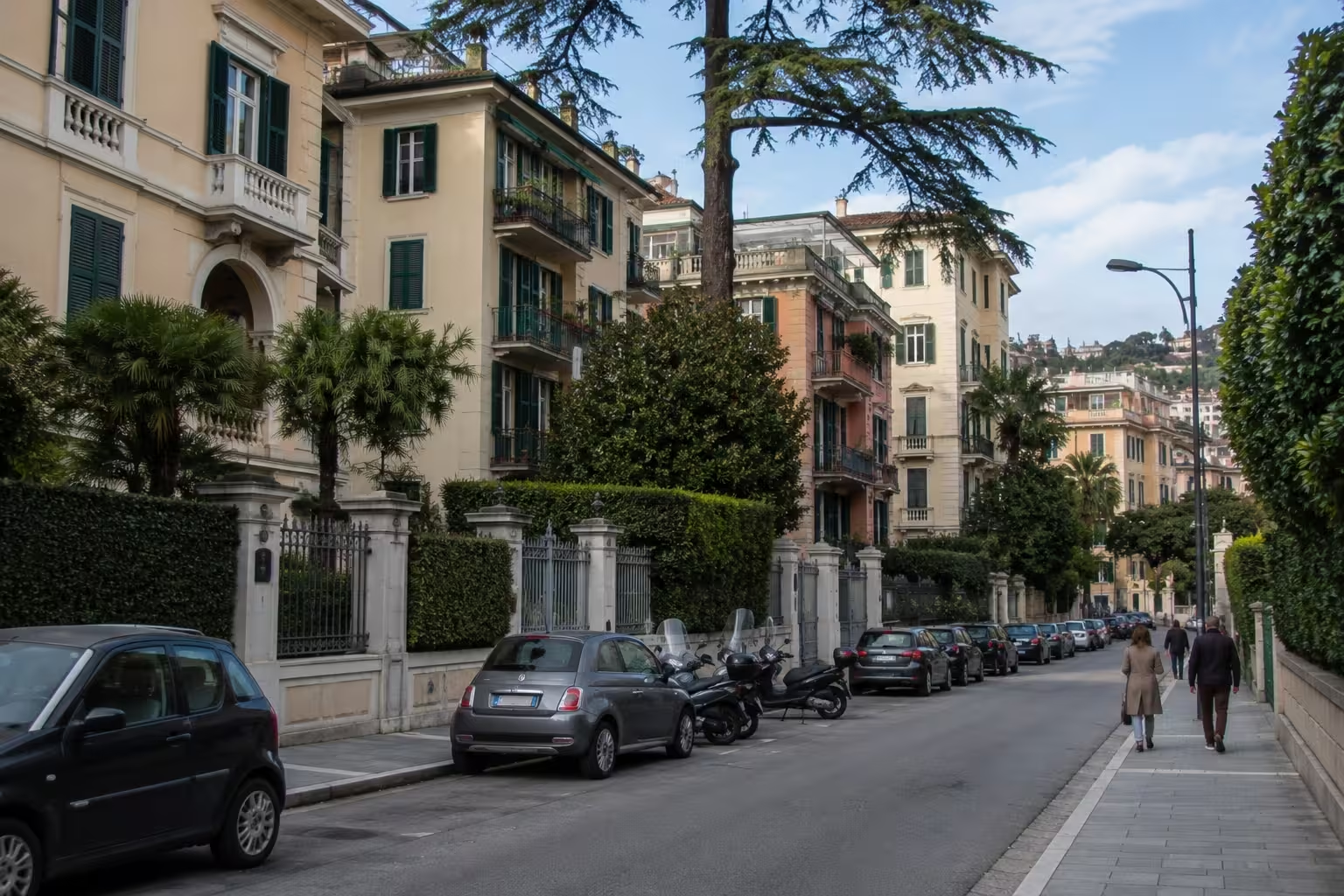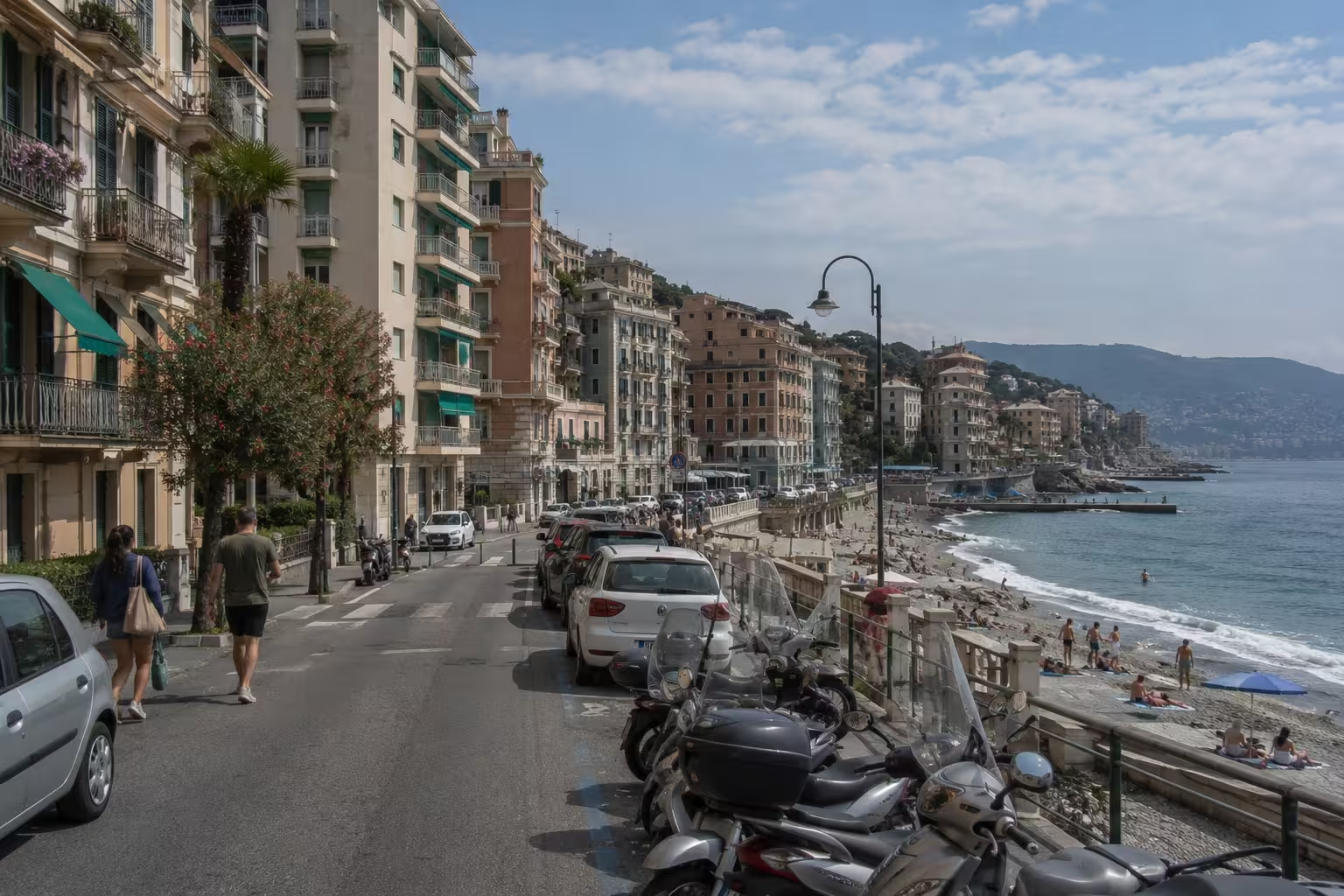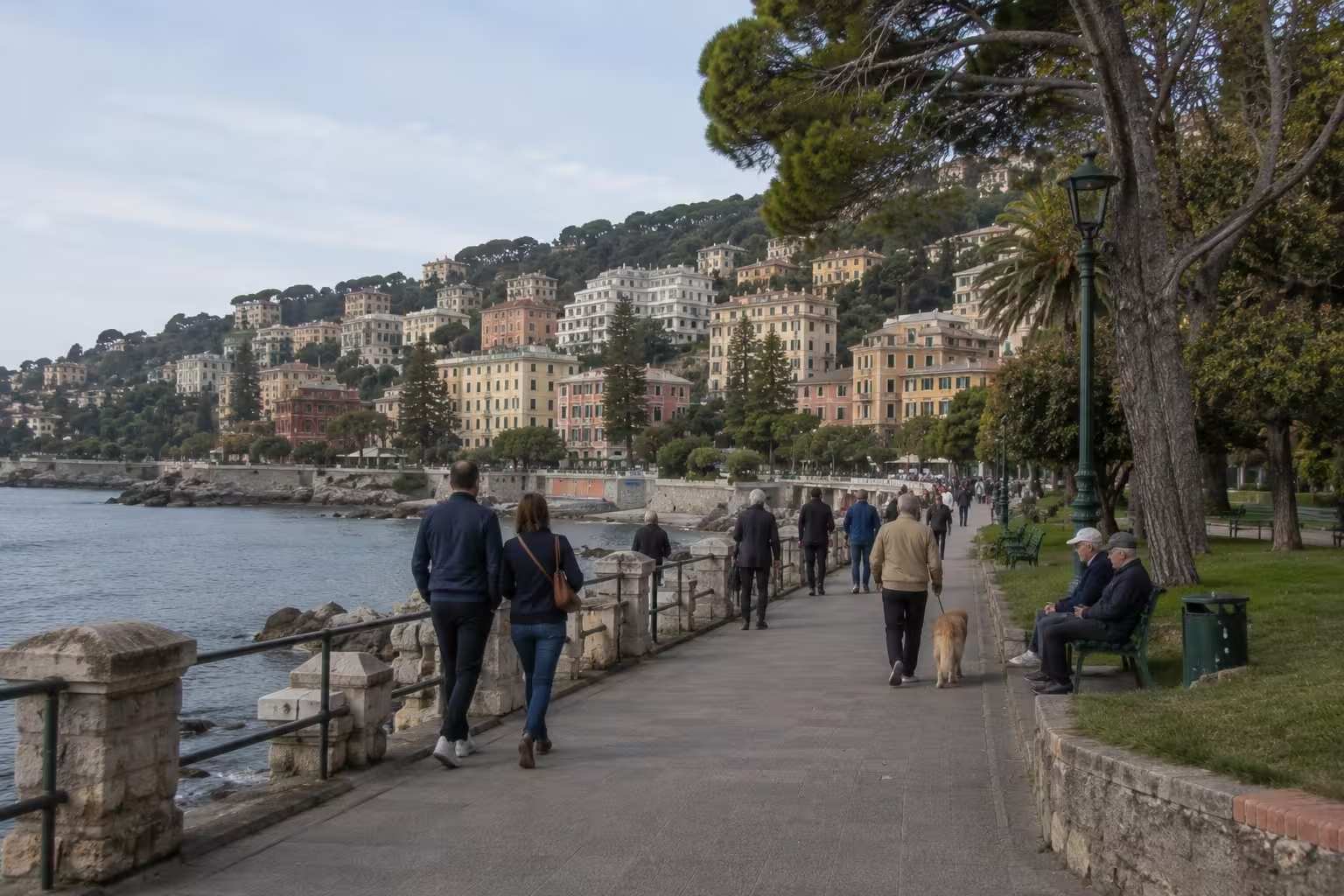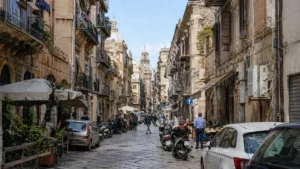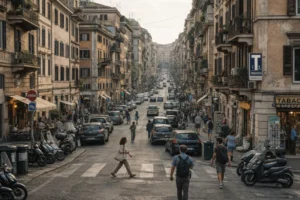
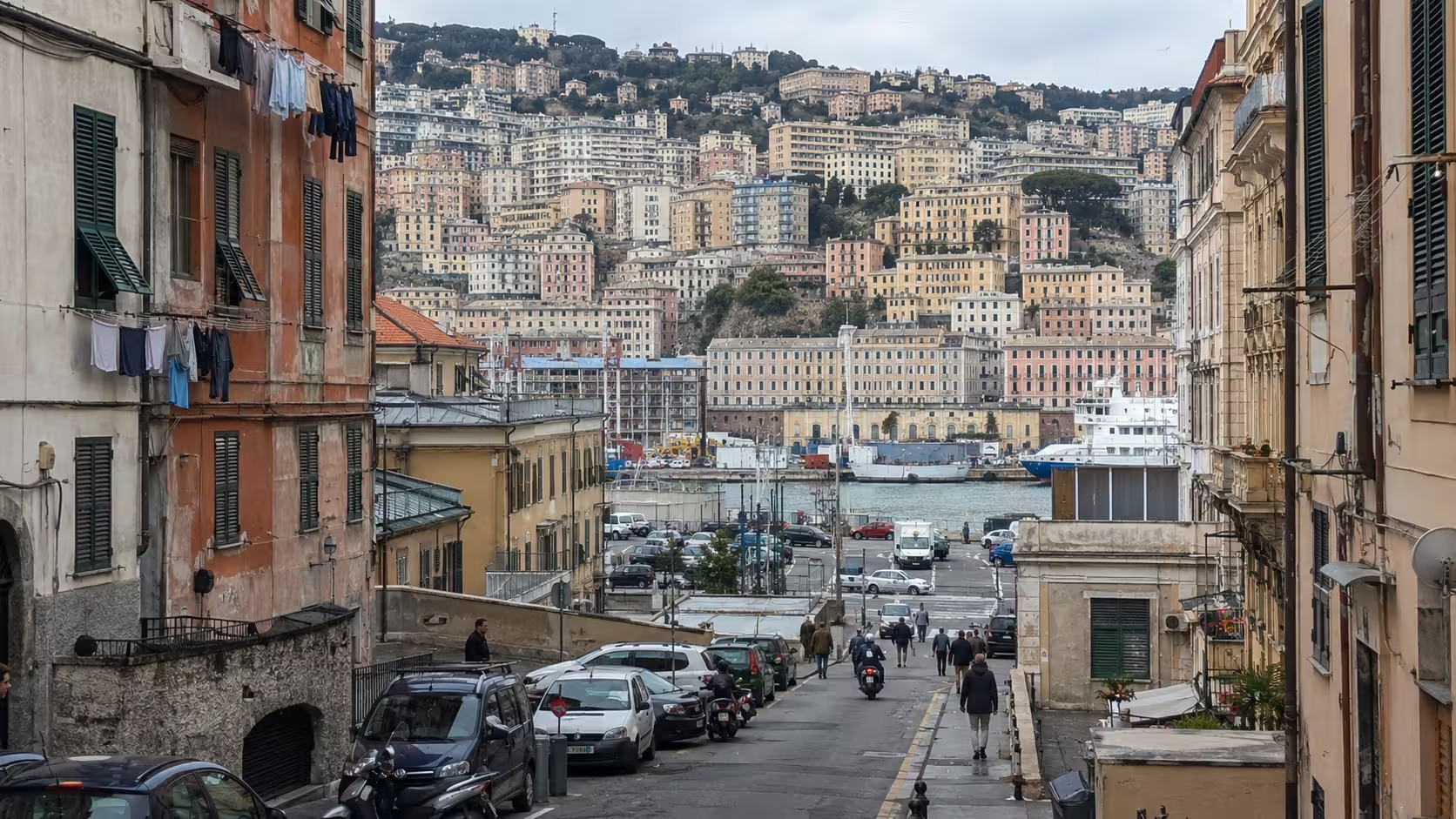
Living in Genova, Italy – dense port city below steep hillside housing

Living in Genova

Genova compresses port streets, steep housing, sea access, and daily friction into one city, rewarding patience more than convenience.

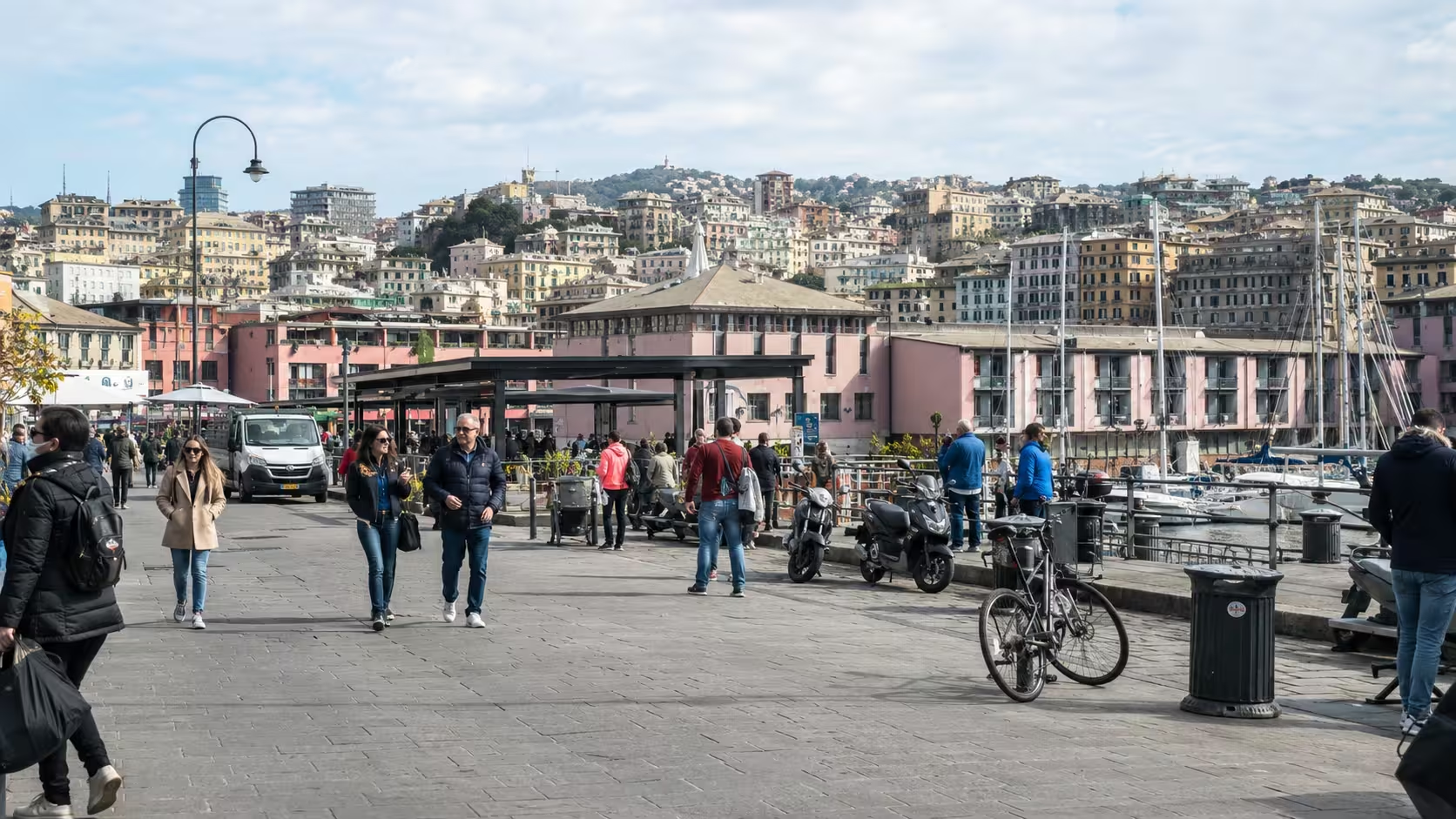
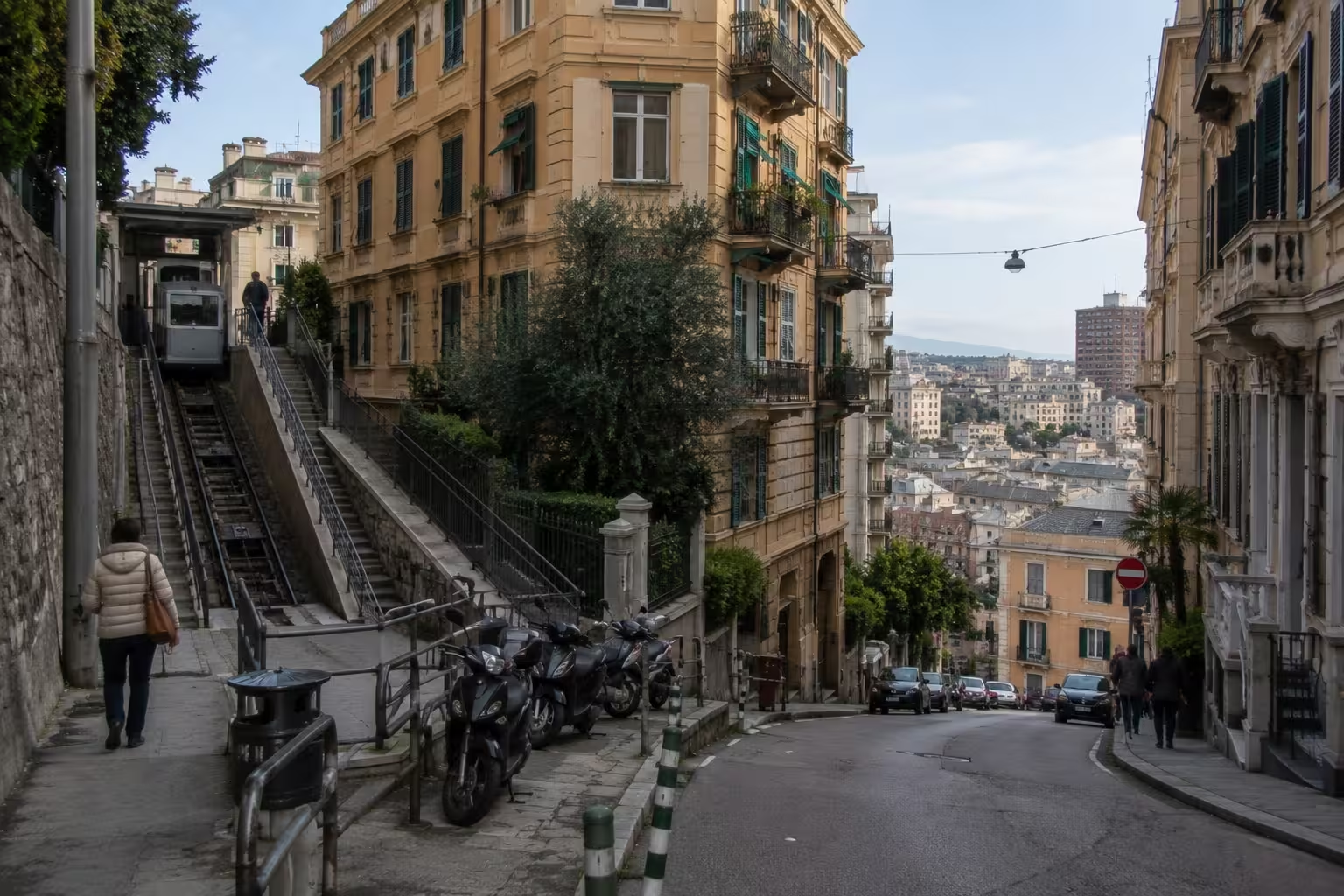
Genova behaves differently because the city has very little room to spread. The sea fixes one edge, the hills press from behind, and the port cuts through the urban rhythm rather than sitting politely outside it. That structure makes the city dense, vertical, and uneven. A flat ten-minute walk in another Italian city can become stairs, traffic, tunnels, or a neighborhood shift here. The implication is simple: daily life depends heavily on micro-location, not just centrality.

Compared with Milan or Florence, Genova feels less polished and less organized around international arrivals. Movement runs along the coast, then climbs into residential slopes, so transport access matters as much as atmosphere. A good apartment near Brignole, Foce, Sturla, or Castelletto can work well; a cheaper place further inland or west may change commuting, groceries, and social routines quickly. The practical signal is to test the route, the building, and the street before judging the rent.

Living in Genova means choosing a real port city where dense streets, steep neighborhoods, sea access, and transport friction sit close together. The advantage is range: city life, coastal routines, trains, and hill walks. The trade-off is that housing, movement, and community require local judgment.

Genova is less smooth than Milan, less curated than Florence, and more physically compressed than Bologna.

Is living in Genova for you?

Best For

Trade Offs

Seasonality

Maritime · Vertical · Deliberate

Where to live in Genova
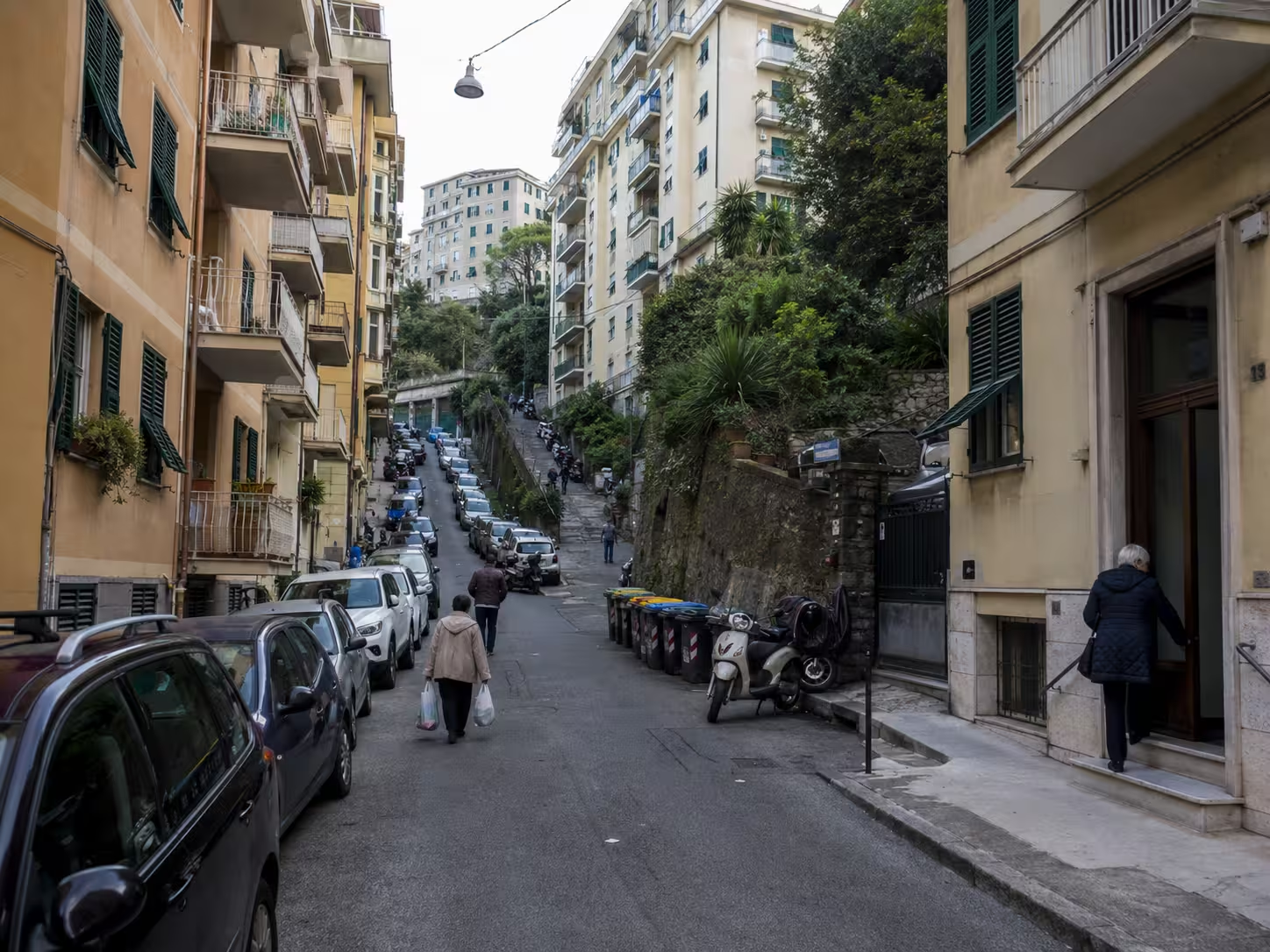
Where to live in Genova, Italy – residential street with apartments and parked scooters

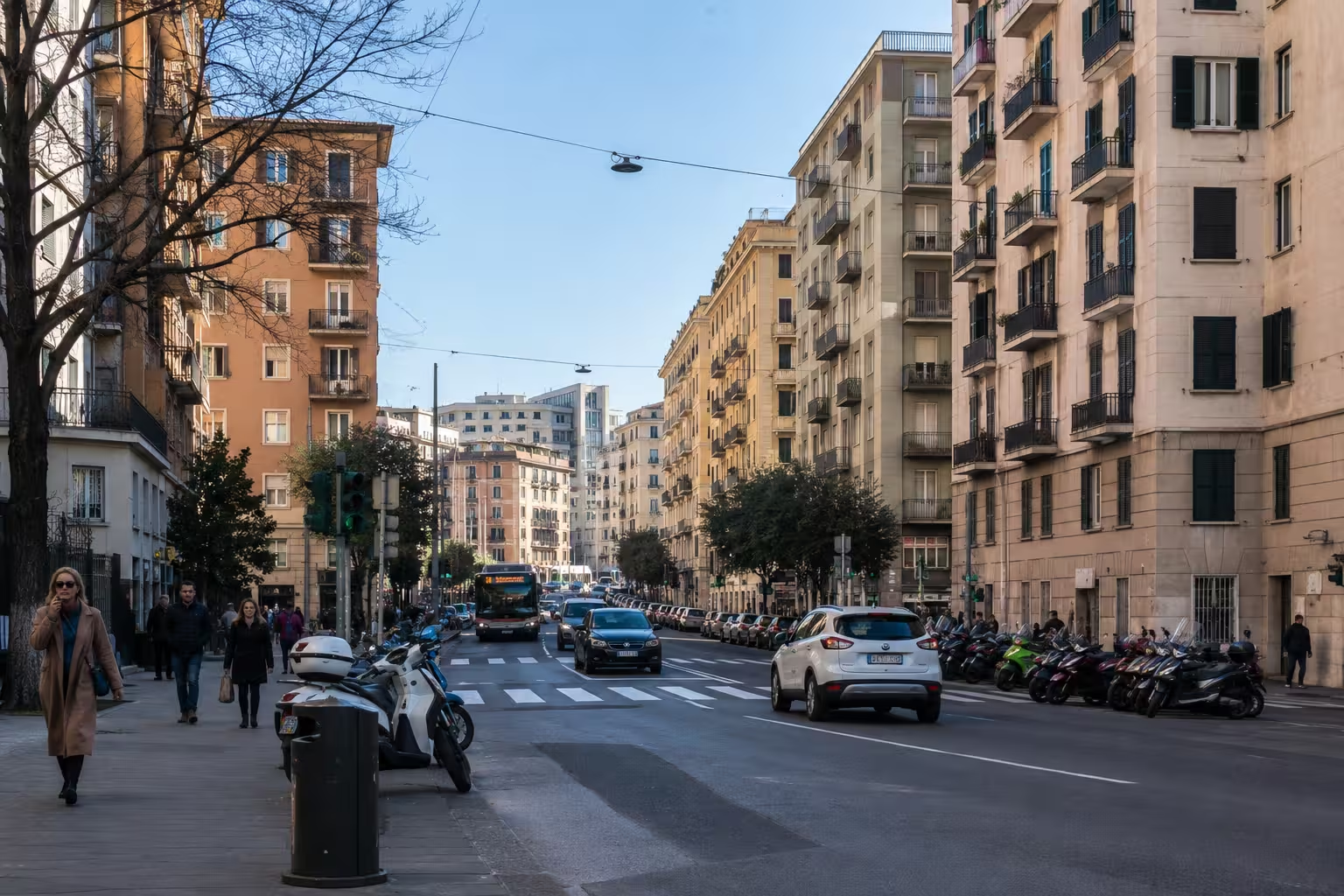
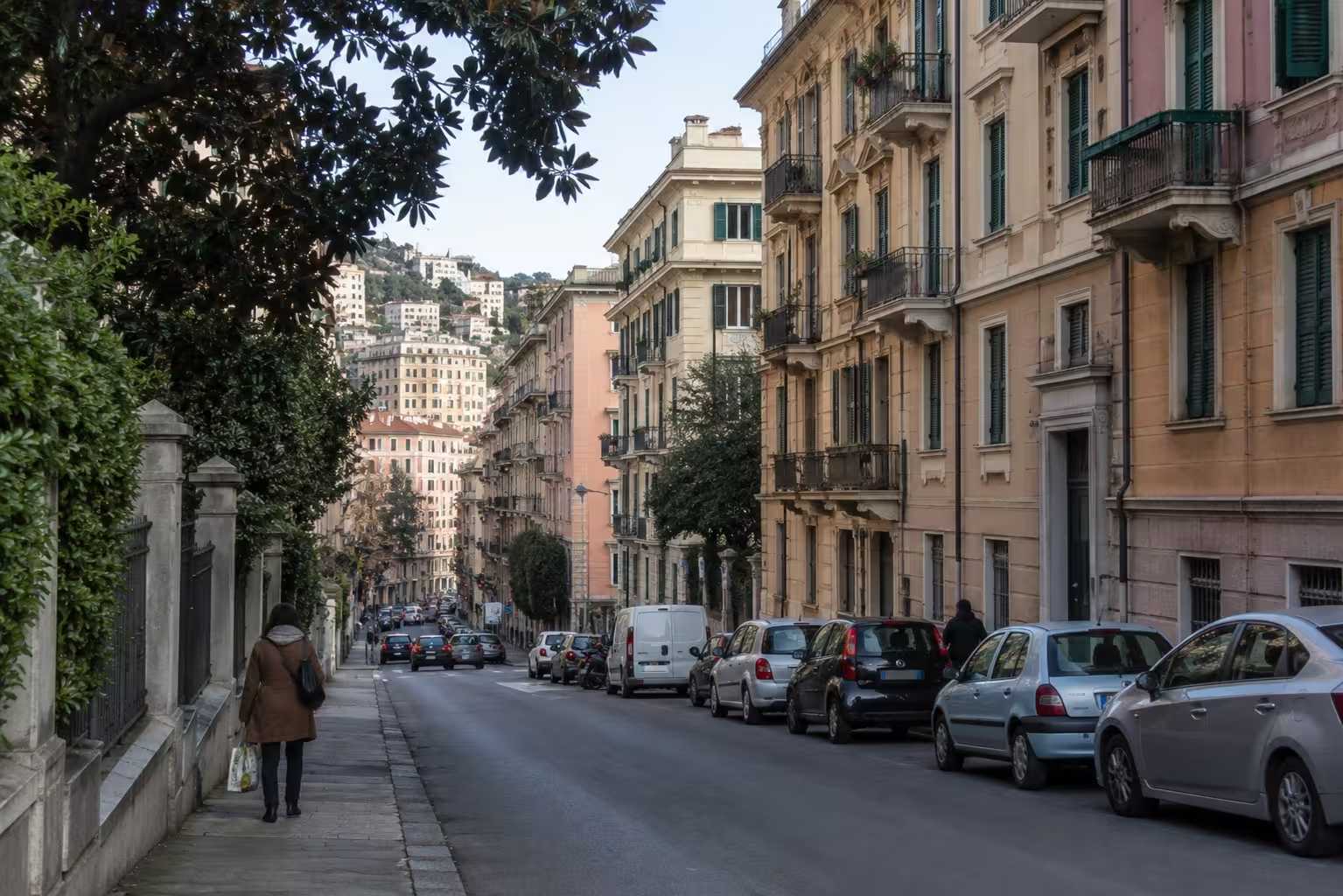
Housing in Genova is not simply cheap or expensive; it is mismatched across rental systems. Local long-term listings can look affordable, but many are unfurnished, student-oriented, peripheral, or unsuitable for a 6–18 month stay. Furnished rentals in central, eastern, or sea-adjacent areas rise quickly, especially when bills, paperwork, and contract flexibility matter. Landlord behavior is fragmented, with agencies, individual owners, transitional contracts, and platform listings all producing different expectations. The main friction is not finding any apartment; it is finding one with livable light, noise, access, furniture, paperwork, and a street that works after dark and in winter rain.

Average housing costs

Neighborhoods in Genova
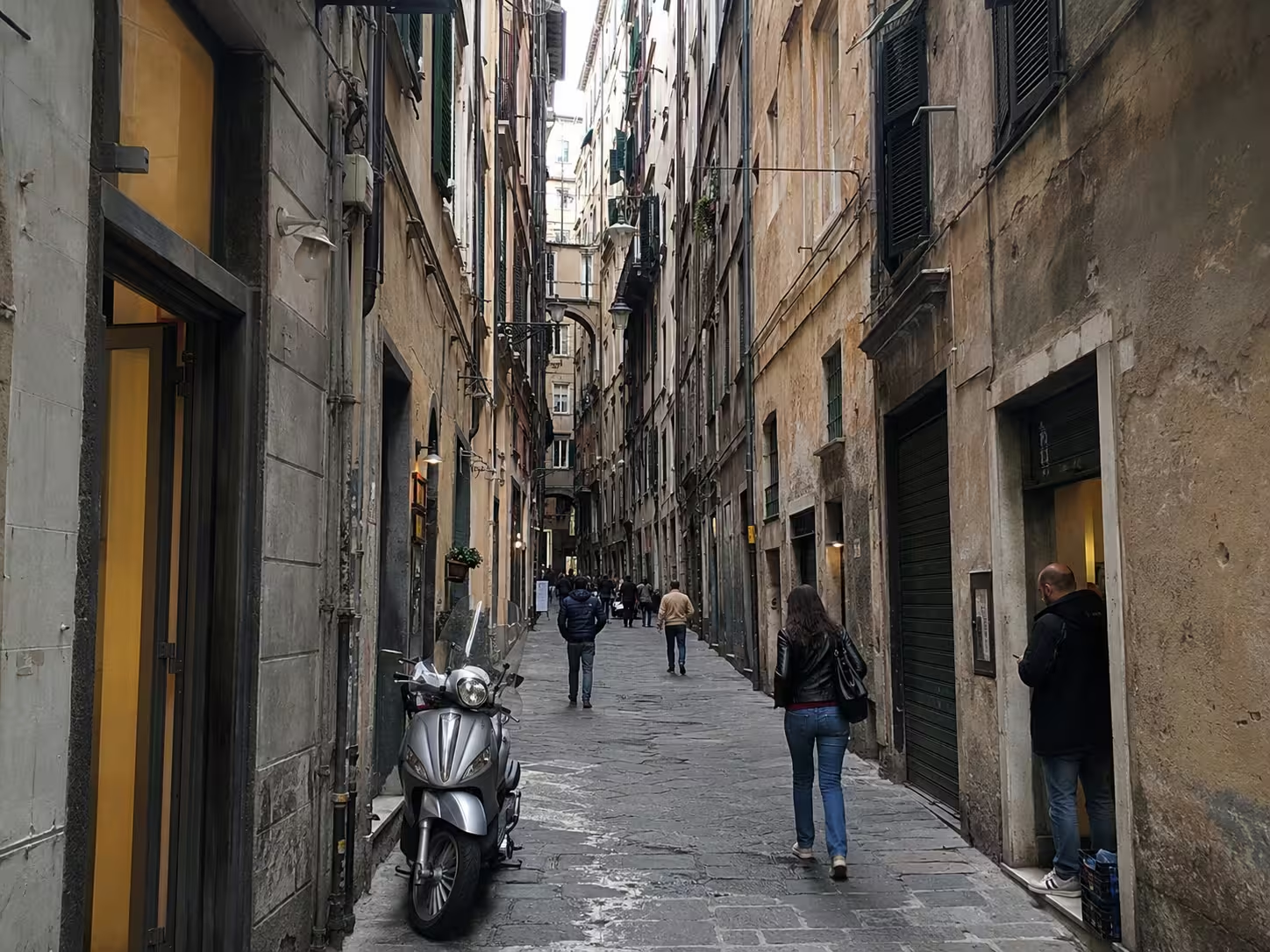
Centro Storico Genova, Italy – narrow caruggio with pedestrians and old buildings

Positioning

Centro Storico / Molo is the densest version of Genova: narrow caruggi, old buildings, port edges, nightlife pockets, tourist movement, and sharp changes from one street to the next. It gives immediate walkability and urban texture, but the same density can mean poor light, noise, damp interiors, and uneven comfort depending on the doorway.

Who's it for

Best for solo remote workers who want central walking access, tolerate street-level unpredictability, and prefer texture over residential calm.

Cost Variation

Medium-high overall, but quality varies sharply; weak buildings can look cheaper without being better value.

Price Pressure:

Transport Access:

Noise/Density:

Local Feel:

Daily Convenience:

Coliving in Genova

Coliving in Genova exists more as a weak, fragmented possibility than as a mature housing category. Expect scattered rooms, furnished shared flats, student-style arrangements, and occasional flexible rentals before expecting branded, service-heavy coliving. The city does not yet function like a dense remote-work hub where housing, workspace, events, and community are packaged together. That makes research harder, but it also keeps the city less filtered through international nomad demand.

Limited Options

Mix City & Nature

Mid-Range Prices

Coliving spaces in and around Genova

Genova can support shared living, but the resident usually has to assemble the living, working, and social pieces separately.

How people actually live in Genova

The fallback system is more realistic than waiting for coliving supply. A furnished shared flat in Foce, San Fruttuoso, Sturla, or the historic centre can provide the living base. A coworking space or repeat café handles work when the apartment is noisy or poorly equipped. Connection then comes through language classes, gyms, hiking groups, regular bars, or coastal routines. The system can work, but it behaves like a local life assembled piece by piece.

LIVE

Where you live

Choose the apartment for light, noise, desk space, stairs, and contract clarity first.

Shared flats can work, but furnished quality and paperwork vary sharply. A cheap room loses value fast if the building is damp, dark, noisy, or impossible to register.

WORK

Where you work

Use cafés for short sessions and coworking for calls, focus, and reliability.

Genova is workable for remote work, but not frictionless. Apartment Wi-Fi, seating comfort, noise, and opening hours need checking before relying on one setup.

CONNECT

Where you connect

Repeat the same places weekly: bar, gym, language class, coworking, trail group.

Community forms slowly because expat presence is fragmented. Without repeated routines, the city can remain socially closed even when daily life feels active.

Choose Genova for independent living with shared-life possibilities, not for a ready-made coliving system.

Working from Genova
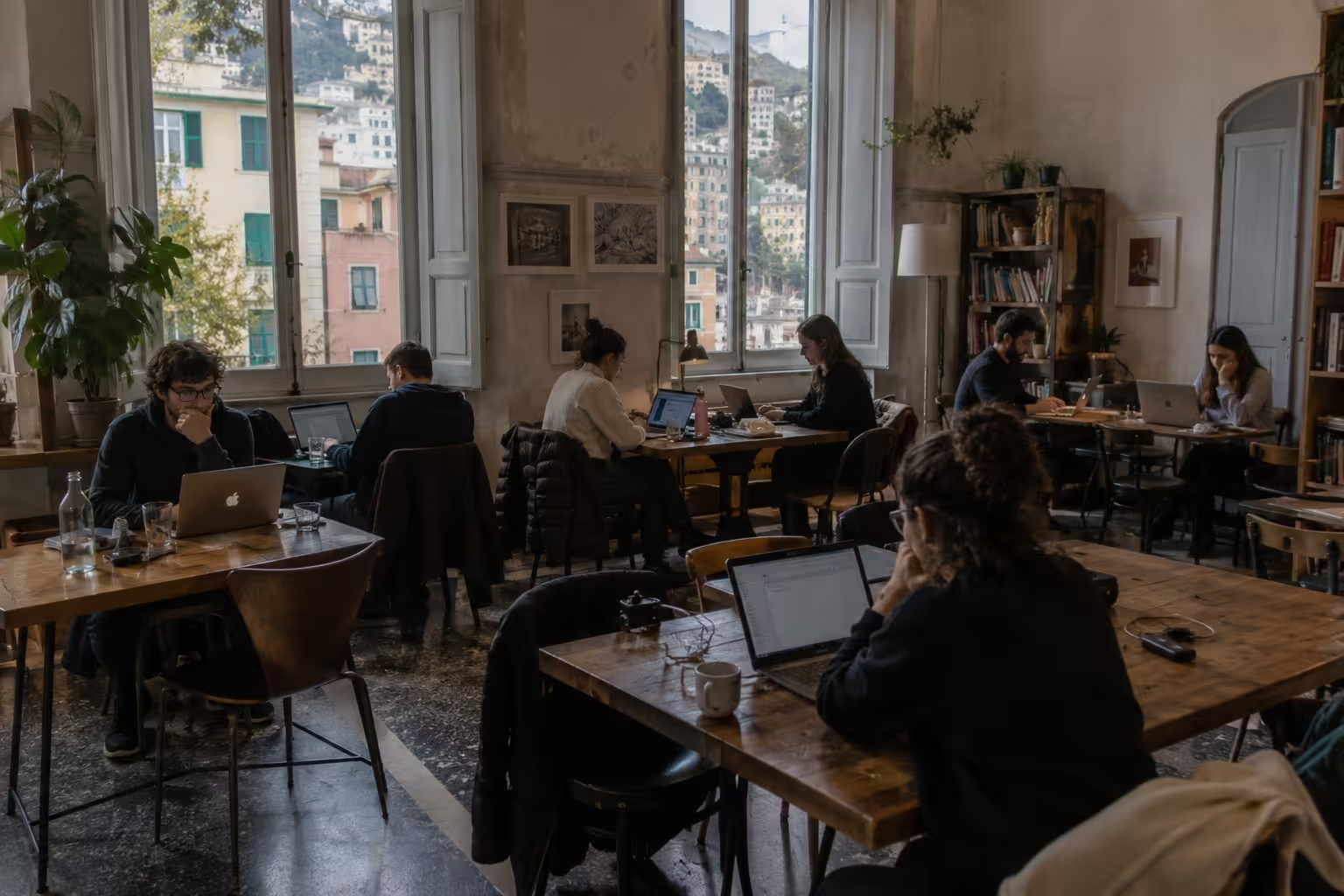
Remote work in Genova, Italy – people working at laptops in a realistic shared workspace

Working from Genova is feasible, but the pace is not built around remote workers. The city moves through port traffic, school runs, station flows, lunch closures, and narrow residential streets. Noise changes quickly by building and neighborhood. A quiet apartment in Albaro or Castelletto creates a different workday from a darker room above a central lane. The city works when the setup is deliberate.

Wi-Fi should be treated as checkable, not assumed, especially in older housing where building quality varies. Cafés can support short laptop sessions, but long calls or full-day work may feel exposed or unwelcome. Coworking exists at a moderate level and is useful as a stabilizer, not as the city’s main identity. The friction is less about internet availability and more about seating, noise, hours, and routine.

The best work setup combines a usable desk at home, one reliable external workspace, and a neighborhood that does not drain time through slopes or awkward transport. Foce / Brignole is stronger for movement, Albaro and Castelletto for quieter routines, and the historic core for walkability with more noise risk. Genova works for self-directed remote workers, not for people needing a polished work-hub environment.

Work Environment

Desk first: apartment light, noise, and chair quality matter more than neighborhood reputation.

Coworking Availability

Coworking is available as backup, not Genova’s main remote-work engine.

WiFi Availability

WiFi should be checked before signing, especially in older or furnished rentals.

Coworking in Genova

Working from Genova is realistic when housing and workspace are chosen as one system, not separately.

Community & Social Life
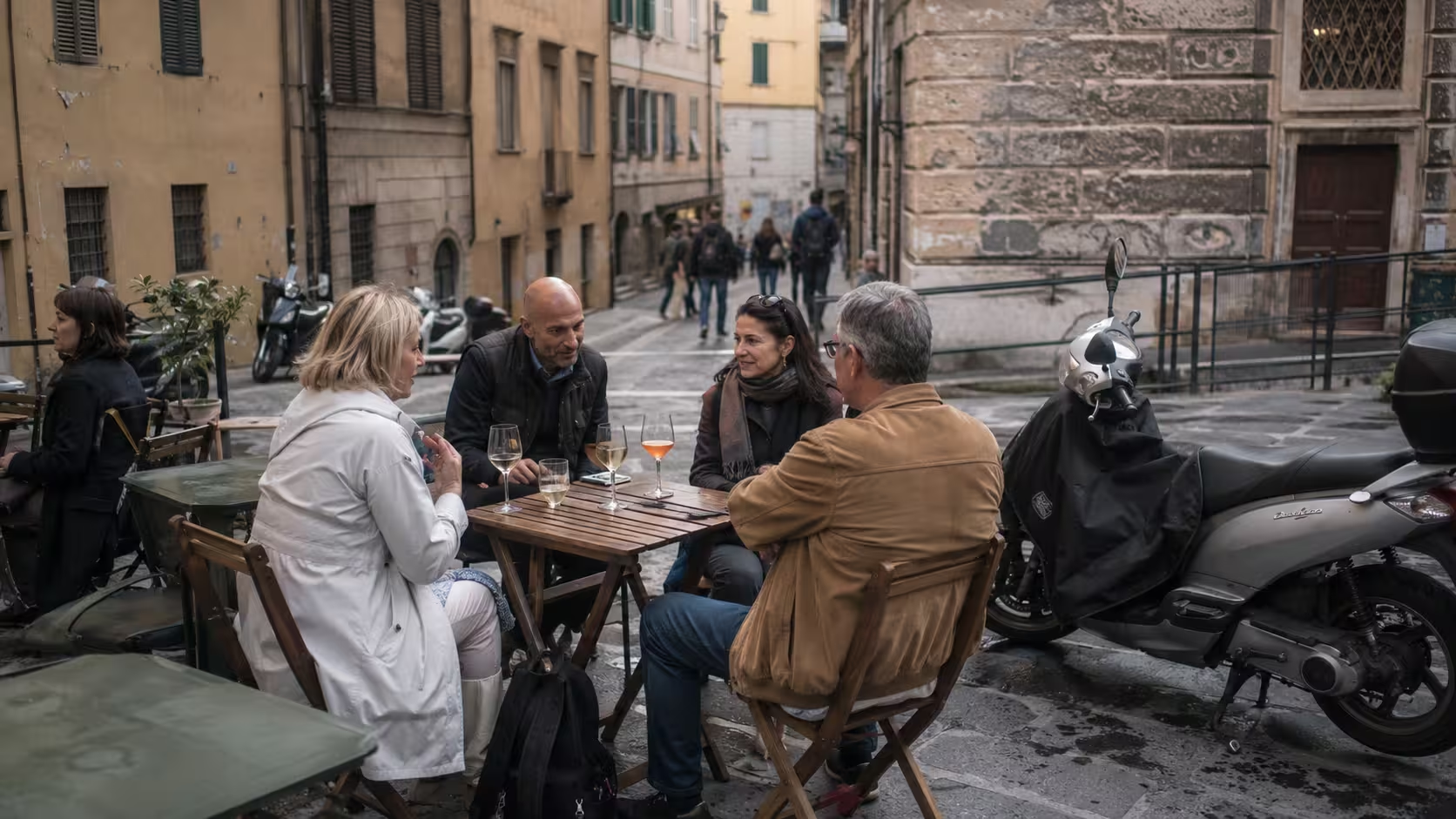
Community in Genova, Italy – small group talking at an informal neighborhood table

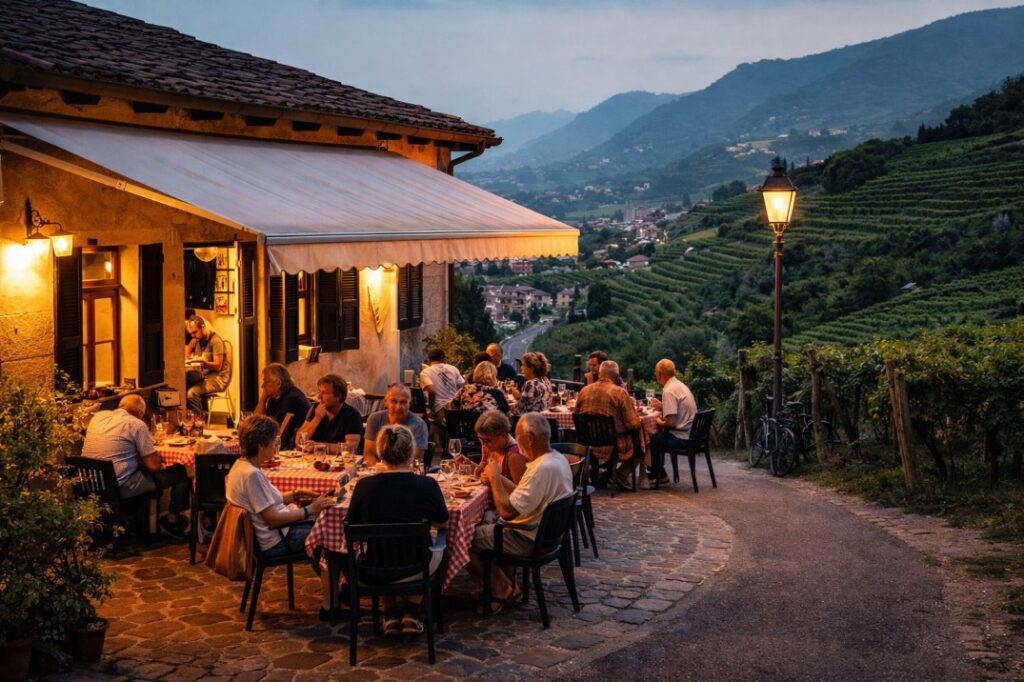
Connection in Genova happens through repetition, not arrival. The city does not open itself through a single expat district, a dense coliving network, or constant international events. People are more likely to become familiar through the same bar, gym, coworking desk, language class, beach route, or weekend hiking group. Neighborhood choice matters because repeated presence is easier when errands, work, and social habits sit close together. Without Italian, patience, and visible routine, social life can stay fragmented even after the city starts to feel physically familiar.

Community is possible in Genova, but it asks for repeated habits before it offers belonging.

Beyond Genova: How far your day can stretch
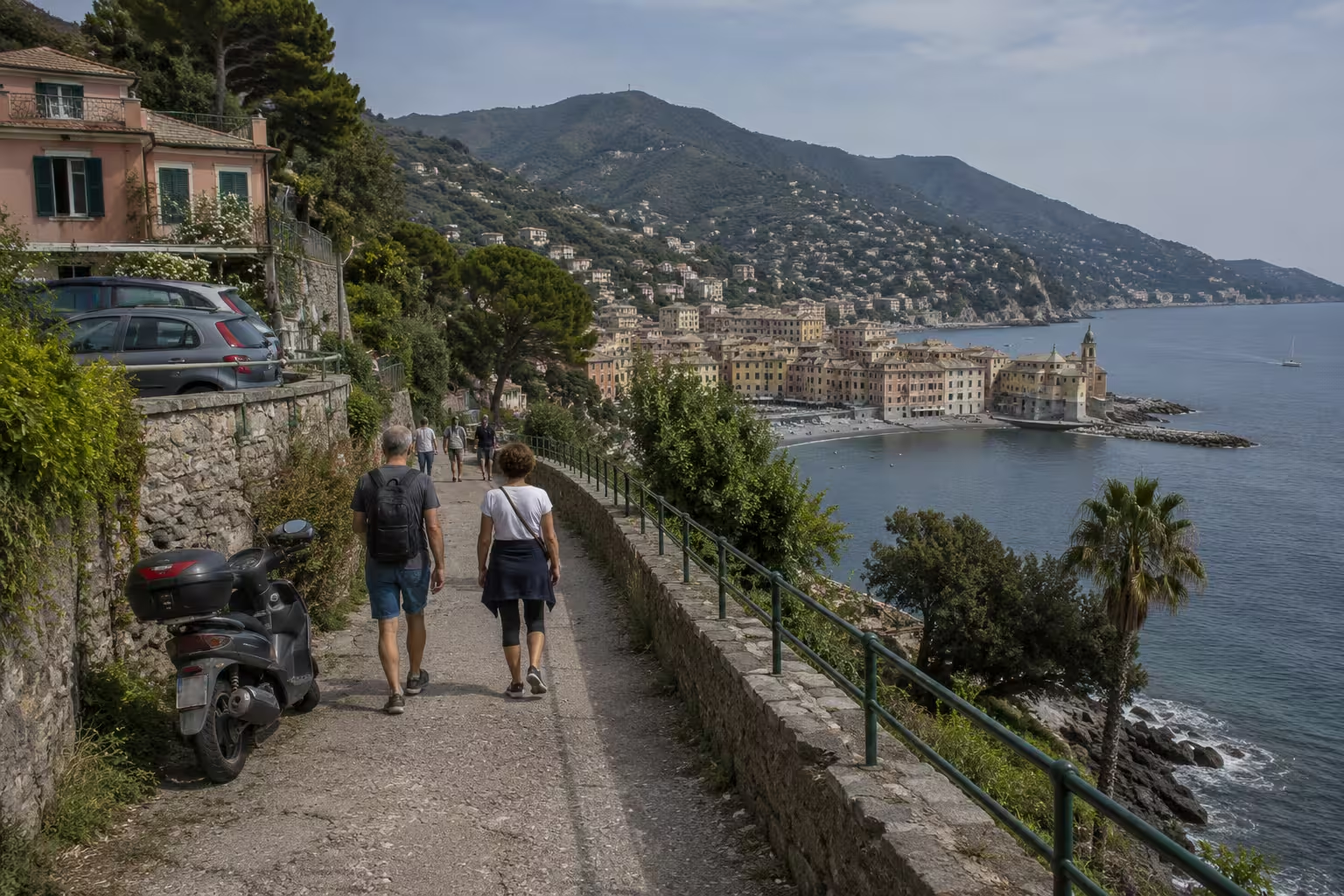
Day trips from Genova, Italy – walkers on a coastal path near hills and sea

Genova’s strongest access layer follows the coast. Boccadasse, Nervi, Pegli, Camogli, Sestri Levante, and Savona show how quickly the city can shift from dense streets to water, promenades, railway towns, and slower weekend routines. This matters for long stays because escape does not require a full trip plan. A resident can leave the apartment, reach a station or bus, and change pace without leaving Liguria.

The hills are closer visually than operationally. Righi and the city forts are genuinely integrated into Genova, but Beigua and Antola are less convenient without a car or careful timing. That makes the city excellent for coastal movement and selective hill access, but weaker for spontaneous mountain days. The map makes everything look near; transport decides what becomes routine.

Accessible from Genova

Genova’s benefit is not one perfect escape, but repeated access to different edges: city beaches, eastern promenades, western coastal towns, hill routes, and working port infrastructure that keeps the landscape from feeling decorative.

Water Access

Water access is part of weekly life in Genova when the base is chosen well. Boccadasse works as the closest city-beach signal, Nervi adds promenade routines and quieter eastern walking, while Pegli gives a more local western sea edge. These places are not equal in cost or atmosphere, but they show the same practical advantage: the sea can become an after-work walk, not only a weekend plan.

Boccadasse, Nervi, and Pegli make sea access repeatable. The choice depends on whether the resident wants central proximity, eastern calm, or western local affordability.

5'

10'

20'

10'

15'

30'

15'

30'

30'

Elevation

Righi is the most usable elevation escape because it connects directly to Genova’s vertical structure. The funicular, hillside roads, forts, and views turn the city’s steepness into a practical advantage. It works for residents who want walking routes without committing to a full mountain trip. The trade-off is that hillside access still depends on timing, weather, and energy after work.

Righi makes hill access realistic from the city. It is useful for repeat walks, but still depends on weather, timing, and tolerance for slopes.

10'

20'

10'

45'

90'

-

45'

-

120'

Nearby Towns

The coastal rail line gives Genova a wider weekly geography. Camogli is the strongest nearby beach-town option, Sestri Levante supports longer sea days, and Savona opens the western side with a more urban coastal feel. These are not daily errands, but they can become monthly or weekend routines. The value is variety without airport-level planning.

Camogli, Sestri Levante, and Savona extend Genova’s routine beyond the city. Rail access makes them usable, though not equally spontaneous.

30'

50'

-

50'

60'

70'

40'

75'

45'

Transport Nodes

Transport choice changes the experience of living in Genova. Brignole helps with eastern coastal movement, Principe anchors western and central rail logic, the airport is practical but not a major international hub, and Navebus adds a distinctly Genovese sea-link to Pegli. A good base should be judged by how often these nodes reduce friction, not by distance alone.

Brignole, Principe, the airport, and Navebus shape practical life. In Genova, the right node can matter more than raw distance.

20'

10'

30'

10'

10'

20'

20'

-

30'

Genova works as a base when the coast becomes routine and the hills remain a chosen boundary.
FAQs

Is Genova good for remote workers?

Yes, living in Genova can work well for independent remote workers, but it is not a plug-and-play remote-work hub. The city has moderate coworking, selective café work, and workable internet, but housing quality, noise, desk space, and neighborhood access matter more than the city brand.

The cost of living in Genova is lower than Milan for many basics, but furnished 6–18 month rentals can rise quickly. A realistic furnished baseline is around €500 for a room, €900 for a studio, and €1,150 for a 1-bed, with central and eastern areas carrying pressure.

Foce / Brignole is the most practical first base because transport and flatter movement reduce friction. Sturla / Quarto / Quinto suits sea-oriented routines, while Castelletto works for quieter hillside living. Centro Storico / Molo is walkable, but micro-street variation needs careful checking.

Coliving in Genova is limited and fragmented. Expect shared flats, furnished rooms, student-style arrangements, and occasional flexible rentals rather than a mature branded coliving scene. A more realistic approach is to combine a good apartment, coworking access, and repeated local routines.

Not inside the city if the neighborhood is chosen carefully. Trains, buses, funicular access, and coastal routes cover many daily needs. A car becomes more useful for mountain areas such as Beigua or Antola, where public transport is weaker and timing becomes restrictive.

Scroll to Top

What was missing?

Tell us what you expected to find, or what would have made this guide more useful.