
Living & Coliving in Tuscany
Tuscany is a high-signal region where beauty is normal—and daily life is shaped by the cost of being seen.
Living in Tuscany means operating inside one of Italy’s most visible regions. Culture is not occasional here—it is baseline. But that visibility carries consequences: pricing pressure, seasonal shifts, and subtle access rules that shape how your week actually behaves.
Living in Tuscany for remote workers means choosing your base carefully. Train-connected cities offer predictability and mobility, while hill towns trade convenience for atmosphere. Housing can be competitive year-round. Culture is abundant—but social integration happens through repetition and institutions, not spontaneity.
Compared to Emilia-Romagna, Tuscany turns culture into background—but makes everyday life more price-negotiated.
Is Living in Tuscany for you?
Best For
- People who want a culture-dense default (museums, universities, public lectures) without needing a lifestyle “scene” to justify it.
- Remote workers who can pay for convenience (train corridors, airports, walkable centers) and value friction-reduction over hidden discoveries.
- Long-stayers who prefer structured access: you don’t discover Tuscany so much as you learn how to use it.
Trade Offs
- You live inside a pricing narrative—rent, groceries, services—that often feels detached from local wages.
- Seasonal pressure alters housing availability, service speed, and even neighborhood tone.
- Social life can feel curated; newcomers often default into expat circles unless they deliberately integrate.
Seasonality
- Best: April–June, late September–October (full services, stable rhythm, manageable pressure)
- Summers: coastal zones and headline towns become performance spaces; inland cities stay functional but hotter and louder
- Winters: cities feel more local and workable; mountain territories demand heating tolerance and planning
Art-saturated · Price-sensitive · Train-corridor · Socially-filtered
Living in Tuscany: Daily Life & Lifestyle
Tuscany’s daily life is shaped less by “slow living” and more by spatial hierarchy. Where you are on the map decides how your week behaves: a Florence–Prato–Pistoia train corridor (predictable), a hill town (beautiful but effortful), a coastal strip (seasonally reactive), or a rural interior (quiet with logistical tax). Living in Tuscany rewards people who choose a base like an operator, not like a dream.
The underestimated adjustment is access management. ZTL zones, parking scarcity, hills, and train timetables create a rule: almost everything is possible—but rarely spontaneous. Groceries depend on where you can legally stop. Dinners depend on who is willing to cross town traffic. Tourism reshapes which streets remain functionally yours.
Social life operates through structured entry points. Integration tends to happen through institutions—language schools, coworking spaces, university programs in Pisa or Florence, sports clubs, volunteer groups—rather than casual sidewalk encounters. Repetition matters. Familiarity earns inclusion.
Stay long enough and Tuscany becomes high baseline stimulation without constant novelty. Public talks, exhibitions, seasonal festivals, academic calendars—culture sits in the background of the week. But visibility remains constant: you are living in Tuscany, and that attention quietly shapes housing markets, services, and neighborhood identity.
Remote Work Reality
Coworking exists—particularly in Florence and Pisa—but the most sustainable setup is often your own apartment plus a reliable third place: a library, a calm bar, or a coworking space once or twice a week.
The people who struggle are those expecting low rent with central convenience. Tuscany for remote workers works best when you either budget for location or deliberately choose a less visible base and accept commute time.
Rail-connected cities make daily planning easier.
Contracts and availability shape your options.
Apartment first. Third place second.
Need a reliable workspace during your stay?
For longer stays, cafés and apartment Wi-Fi are not always enough. Italy Coliving readers can access a partner workspace offer with 10% off coworking, day offices, meeting rooms, business lounges, and virtual office services.
Partner link. Italy Coliving may earn from qualifying enquiries.
Tuscany supports remote work—but only if your base choice matches infrastructure and budget reality.
Food & Culture
In Tuscany, food doesn’t just express taste—it expresses belonging through restraint. Menus are often intentionally narrow, and the social signal is not “look what I found,” but “I go where I always go.” The revealing behavior is how quickly people normalize repeating the same place weekly—because what they’re buying is not novelty, but continuity (the owner knows you, the timing is predictable, the table is stable).
Compared to nearby regions that can feel more openly convivial, Tuscan culture often carries a quiet competence: strong institutions, strong local pride, fewer theatrical cues. The cultural life (lectures, galleries, historical associations, neighborhood events) is rich—but it expects you to enter through the right door: you join, you attend regularly, you become familiar.
Iconic food you’ll encounter in Tuscany
Nature & Weekend Escapes
When living in Tuscany, nature is both backdrop and boundary. The landscape looks soft from a distance, but living in Tuscany teaches you that hills are logistics: driving time, damp winters, slower delivery cycles, fewer late hours. If you want a nature-led life, Tuscany can deliver it—but the cost is that you trade spontaneity for terrain reality.
The region’s most useful escape pattern is not “a big trip” but micro-shifts: one train ride, one change of air, one switch from city stone to coastal wind or mountain quiet. Tuscany is good at giving you a different nervous system state within a short radius—if you accept that the radius still requires planning.
Within easy reach when living in Tuscany:
Apennine edges: cooler air, forest density, smaller towns, and a more self-sufficient rhythm shaped by elevation and winter behavior.
Maremma and southern coast: open horizons, protected wetlands, agricultural logic, and lower visibility pressure than central Tuscany.
Elba Island: the most accessible island reset from mainland Tuscany: clear water, granite coastline, and a rhythm governed by seasonal flow.
Val d’Orcia: an agricultural landscape of hill towns, thermal springs, and long sightlines; restorative but shaped by driving time and winter quiet.
Tuscany’s nature is not “adventure” by default—it’s a daily system you either accommodate or it taxes you.
Places in Tuscany
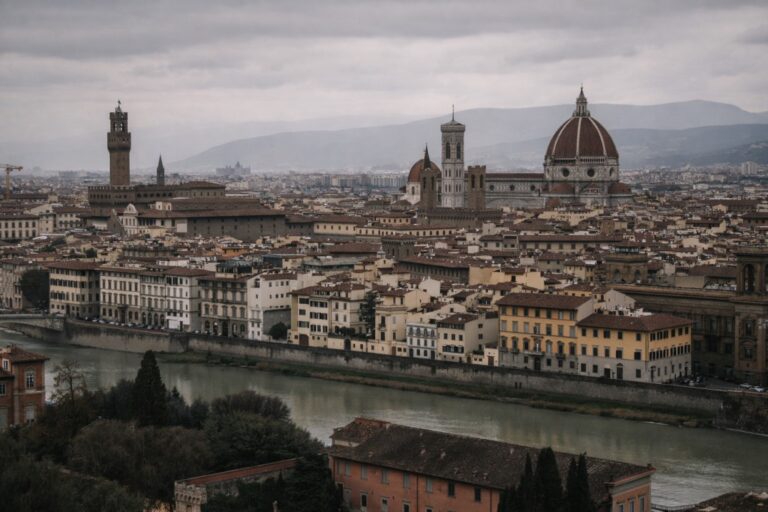
Florence
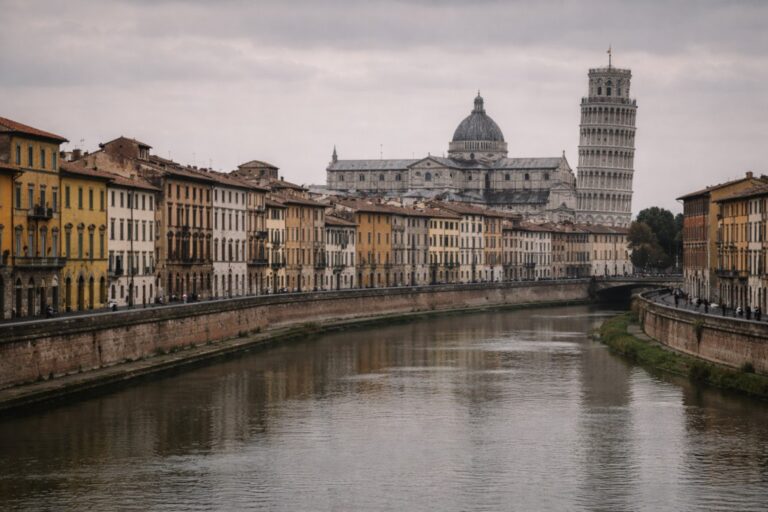
Pisa
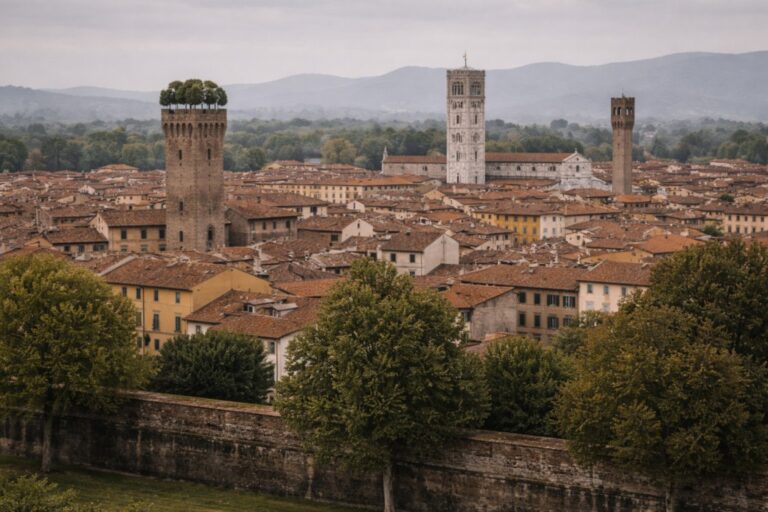
Lucca
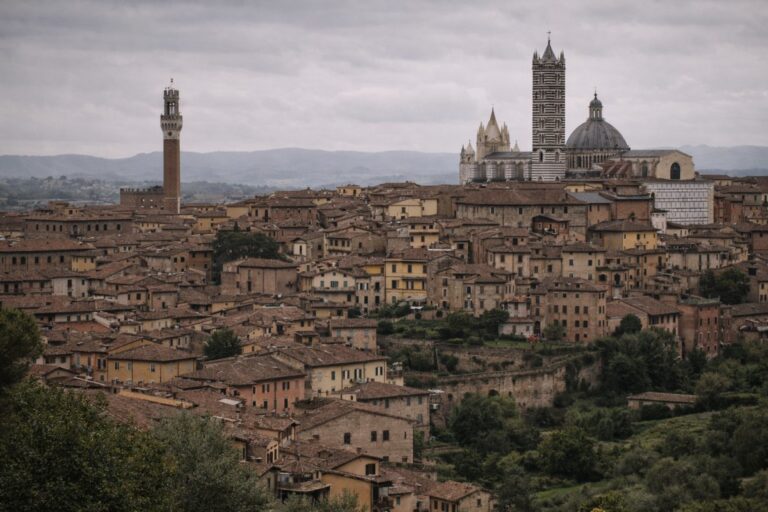
Siena
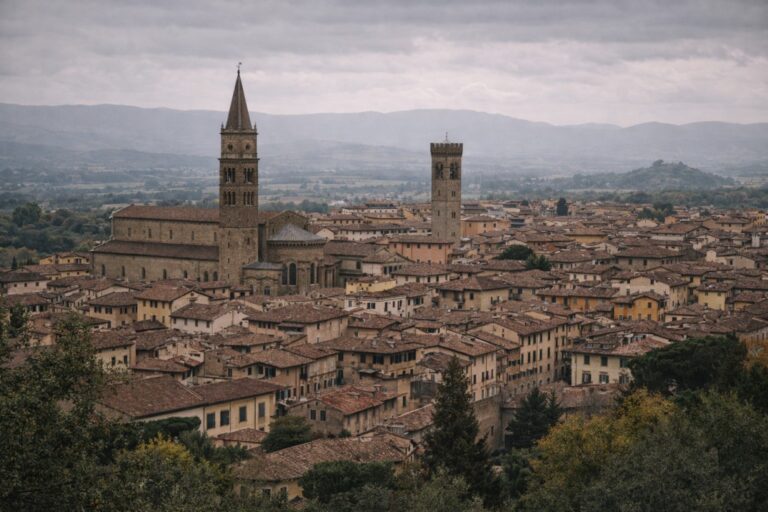
Arezzo
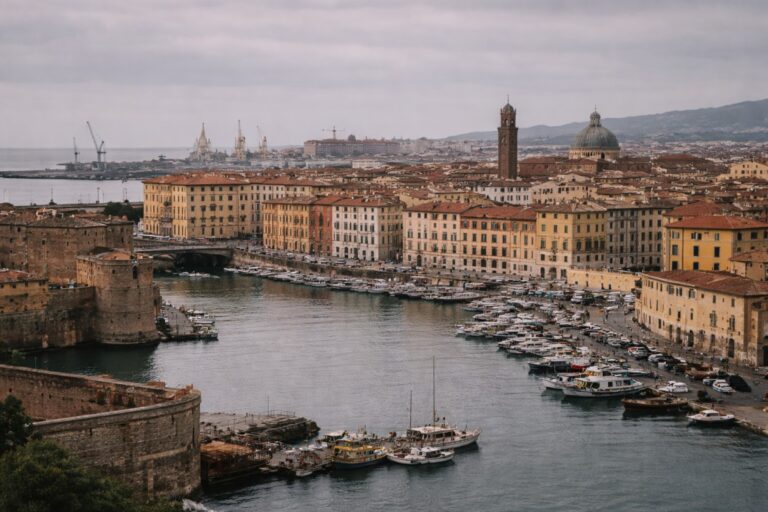
Livorno
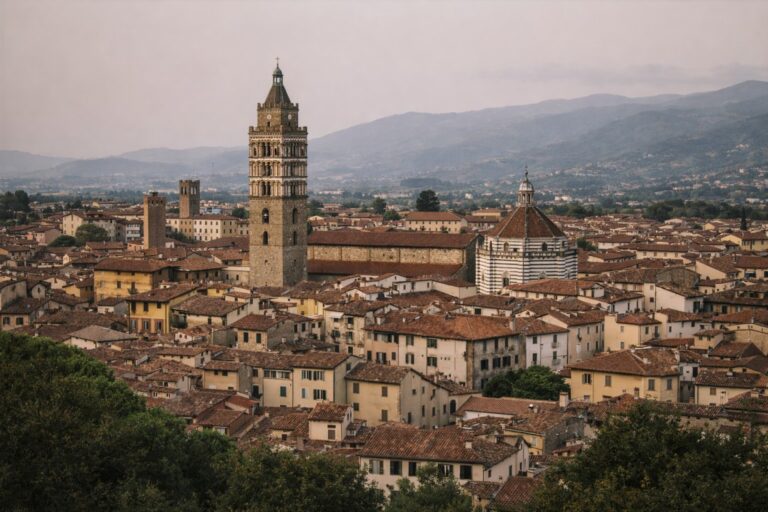
Pistoia
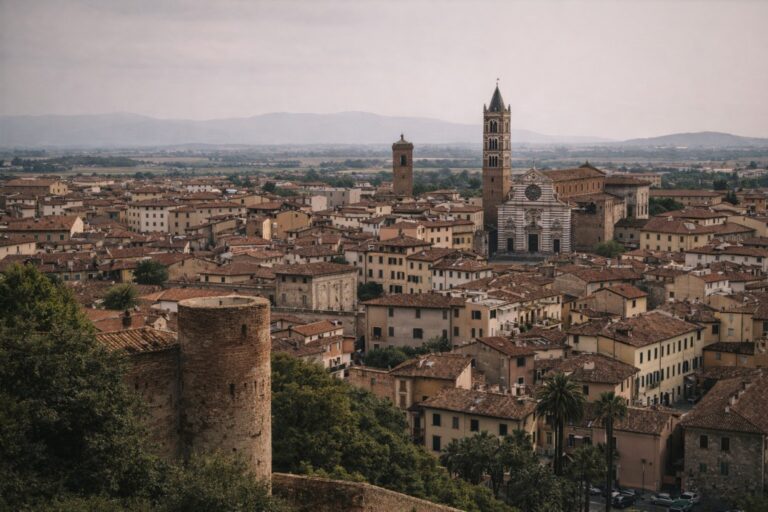
Grosseto
Distinct Territories within Tuscany
Chianti corridor (between Florence and Siena)
Versilia (Viareggio–Forte dei Marmi–Pietrasanta)
Maremma (Grosseto province + southern coast)
Garfagnana & Lunigiana (north Tuscan mountains)
Coliving Reality Check
Tuscany supports coliving when it is intentionally placed in functional towns with rail access, year-round services, and stable rental contracts. Smaller, purpose-built houses outperform aesthetic headline villages because logistics matter more than views.
Coliving struggles when expectations are short-term and price-sensitive. In high-visibility towns, housing volatility and seasonal pressure quickly erode low-budget models that rely on cheap central inventory.
The watch-out is assuming beauty generates community. In Tuscany, social density must be structured through programming, routines, and repeated interaction; aesthetics alone do not produce belonging.
Fit: Small, intentional houses in functional towns with rail access and year-round services perform best.
Misfit: Short-term, low-budget expectations in headline villages often collapse under pricing pressure.
Community must be structured. Tuscany does not automatically generate social density through aesthetics alone.
Coliving in Tuscany works when design resists visibility pressure and housing volatility.
Discover Coliving in Tuscany
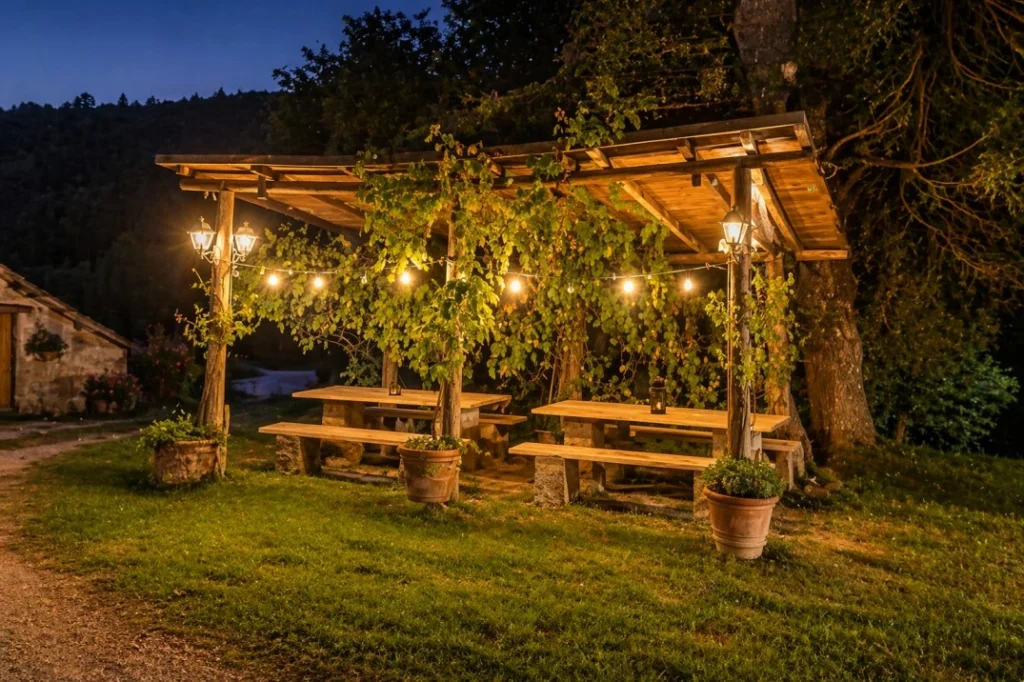
Dedicated Workspace
Tuscany Time
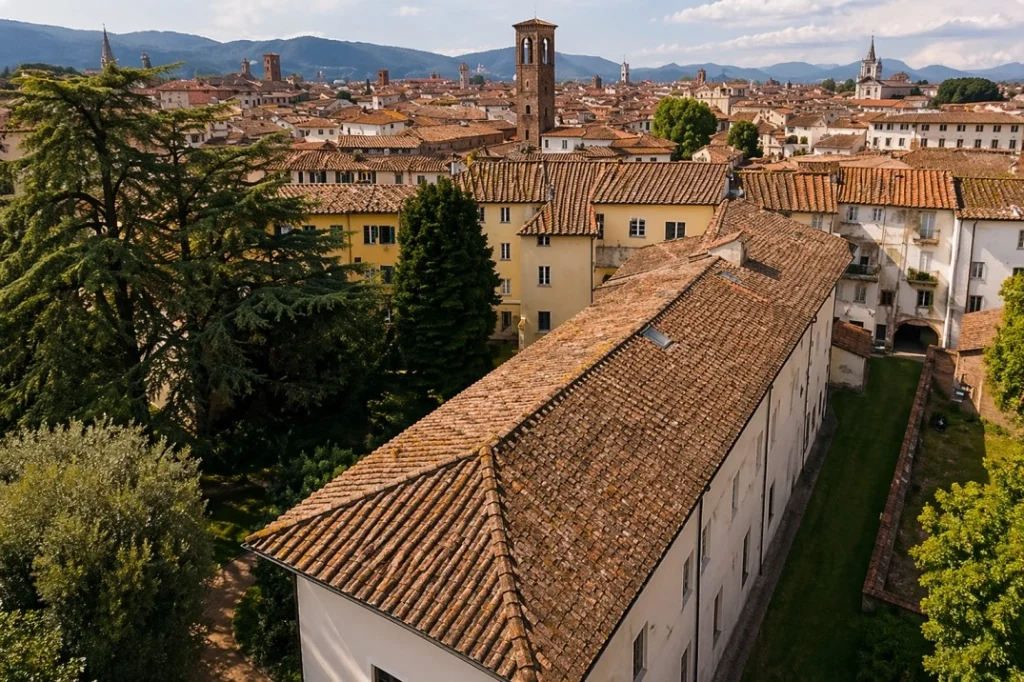
Dedicated Workspace
CONvictUS
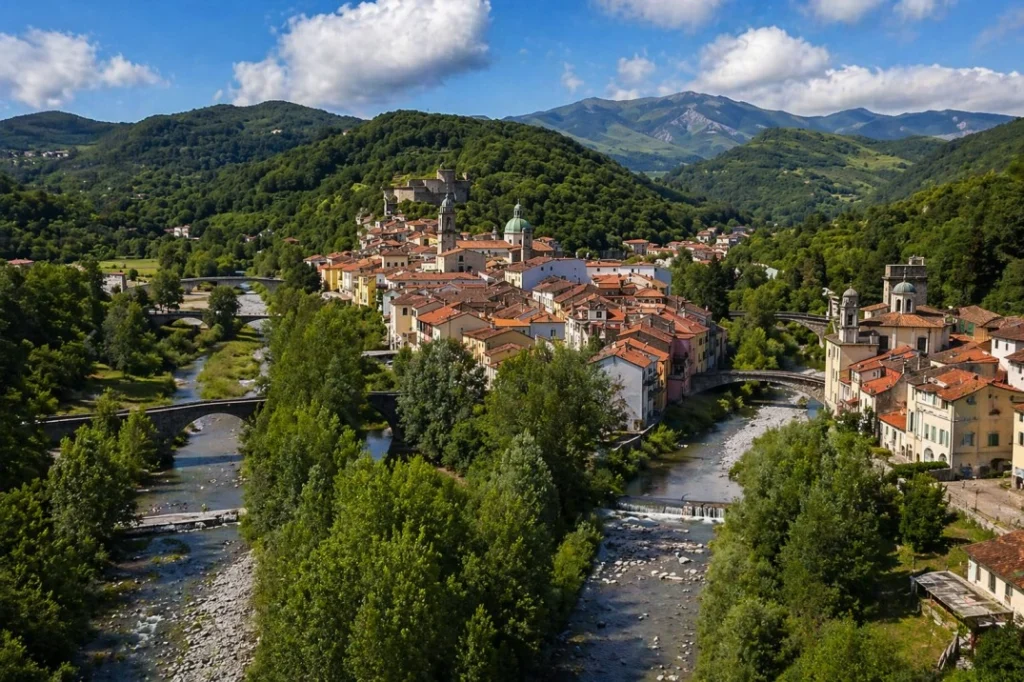
Shared Workspace
Start Working
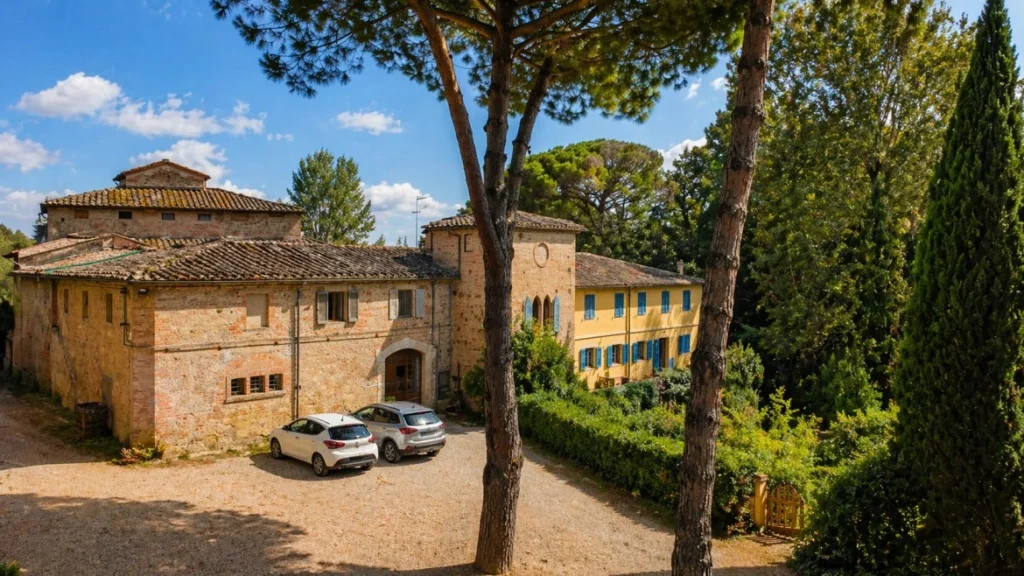
Shared Workspace
Bassetto
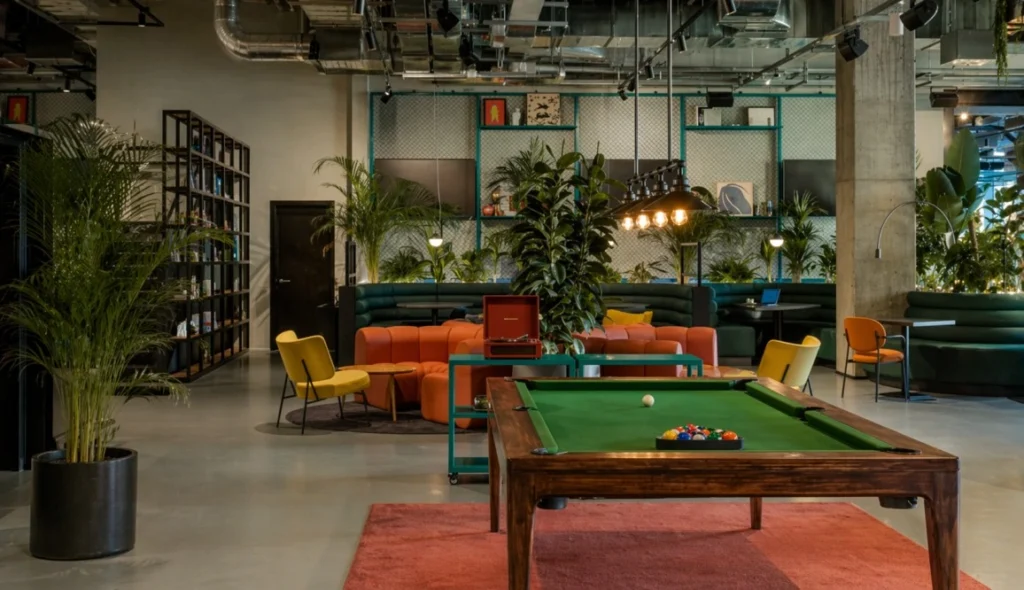
Dedicated Workspace
The Social Hub Belfiore
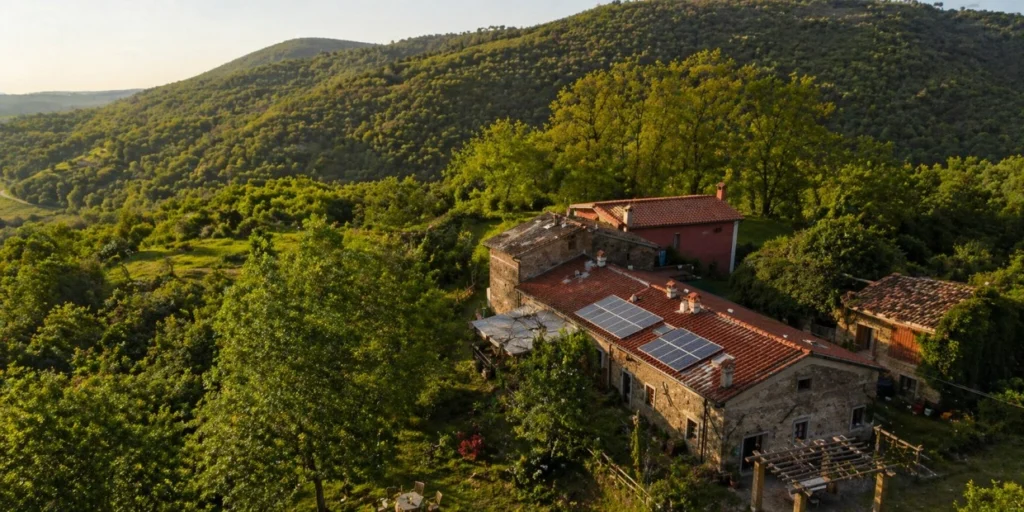
Shared Workspace
Tertulia
Explore Other Regions in Italy
See how other regions compare in lifestyle and pace.
FAQs
Is Tuscany a good base for digital nomads?
Yes, if you choose a functional hub (Florence, Pisa, Lucca area) and budget for higher rents. Tuscany works best for people who value stability, walkability, and culture-as-background more than constant social novelty.
Where should I live in Tuscany for remote work without a car?
Focus on rail-connected cities and corridors: Florence–Prato–Pistoia, Pisa, and Lucca. You’ll get reliable services and easier weekly mobility. Hill towns can be beautiful but add friction fast without a car.
What’s the biggest downside of living in Tuscany long term?
Housing pressure. Prices, seasonal availability, and contract complexity can shape your experience more than the landscape does. The region is highly demanded, so “good value” usually requires compromise on location or space.
Does Tuscany feel social or isolating for newcomers?
It can feel socially filtered. Many newcomers default into expat circles, while deeper local integration often happens through institutions—language schools, coworking, university events, clubs, and consistent repetition in the same places.
Is Tuscany workable in winter?
Yes, especially in the cities, where services stay active and the pace becomes more local. The challenge is comfort: damp interiors, heating habits, and shorter days. Mountain territories can feel quieter and more demanding.