
Living & Coliving in Piemonte
Italy’s most “work-shaped” region: competence, understatement, and a private relationship with quality.
Living in Piemonte feels structured, restrained, and quietly competence-driven. This is not a region that performs warmth on first contact. It rewards consistency, punctuality, and people who understand that trust compounds slowly. Turin provides the most reliable base for long-stay life and remote work in Piemonte, while mountains, lakes, and wine-country areas function as deliberate resets rather than spontaneous escapes.
Living and coworking in Piemonte means building a structured long-stay life around Turin’s institutional stability while using mountains and wine country as intentional resets. Remote work in Piemonte runs smoothly early, but social belonging develops through repetition, not visibility. It’s stable first, relational later.
Compared to Lombardia, Piemonte feels less transactional — but slower to grant access socially and professionally.
Is Living in Piemonte Italy for you?
Best For
- People who want Italy with structure: punctual habits, competent services, fewer daily surprises.
- Remote workers who need a real city base (Turin) but want mountains, lakes, or vineyards within reach.
- Long-stay living that isn’t performance-led: calmer social codes, fewer “scene” dynamics.
Trade Offs
- Warmth is earned, not offered: newcomers often misread politeness as distance.
- Weather and light can shape mood (especially Nov–Feb in the Po Valley): you’ll feel it in your routine.
- Outside Turin, car logic appears fast: not everywhere, but enough that it changes your radius.
Seasonality
- Best: April–June, September–October (working rhythm + outdoor access without extremes)
- Summers: warm in the plains; better if you can escape upward (Val di Susa, Val d’Ossola) or toward water
- Winters: fog, short days in the lowlands; crisp and intense in mountain areas
Competent · Understated · Slow-burn · Quality-anchored
Living in Piemonte: Daily Life & Lifestyle
Living in Piemonte runs on earned trust. People don’t “onboard” you with enthusiasm — they watch how you move through normal life: whether you keep commitments, whether you complain, whether you exaggerate. The daily rhythm is not lazy; it’s quietly efficient, especially in and around Turin. A common cue: the day feels front-loaded — mornings carry weight, and evenings tilt private rather than public.
One adjustment most newcomers underestimate is how social access is routed through context. Invitations don’t happen because you’re “nice” or “new”; they happen after you’ve become legible: a repeated café, a gym class, a neighborly routine, a colleague’s endorsement. You’ll notice this in small behaviors — people keep conversation light until there’s a reason to go deeper, and then they can become surprisingly loyal.
Spatially, Piemonte can feel like two overlapping systems: a capable urban spine (Turin and its belt) and a wide set of smaller places where life is stable but not optimized for newcomers. The distance that matters isn’t “kilometers” — it’s how quickly you can re-enter your base after nature, family visits, or a weekend away. If you don’t manage that loop, you’ll either feel confined to the city or overextended by constant movement.
In winter, the region teaches discipline without drama. Fog days in the plains change your energy, and people respond by tightening routine rather than seeking stimulation. You see it in evening behavior: fewer late improvisations, more home dinners, more measured weekends. For remote workers, this can be a hidden advantage — focus comes easily — but it’s also where loneliness can creep in if you expect social life to carry you.
Remote Work Reality
Connectivity is rarely the obstacle; housing consistency is. Outside Turin and a few secondary hubs, the friction appears in practical layers: heating systems, insulation standards, landlord pace, and small-town service responsiveness. Your setup works — but you must design it deliberately.
Socially, Piemonte operates as a closed loop. You may achieve professional stability months before you feel relational inclusion. Compared to Lombardia’s transactional speed, Piemonte is slower but less performative: access expands through repetition, not exposure.
If you need instant community, constant stimulation, and visible momentum to stay regulated, Piemonte can feel emotionally flat — even when your work output improves. If you bring your own structure, it becomes quietly powerful.
Connectivity is rarely the problem
The region can feel “closed-loop” socially
Piemonte can feel emotionally flat — even when your life is objectively comfortable.
Need a reliable workspace during your stay?
For longer stays, cafés and apartment Wi-Fi are not always enough. Italy Coliving readers can access a partner workspace offer with 10% off coworking, day offices, meeting rooms, business lounges, and virtual office services.
Partner link. Italy Coliving may earn from qualifying enquiries.
In practice, living in Piemonte for remote workers is less about scene and more about durability — routines that hold up through winter, not just summer energy.
Food & Culture
Piemonte’s culture is not loud, but it is serious. Food isn’t used to entertain; it’s used to signal competence and standards. You’ll see it in how people choose places: not for trend, but for reliability; not for spectacle, but for craft. The social structure is often “small table, repeat venue” — groups that look closed from the outside, but are built around long memory.
Compared to nearby regions that commercialize their identity easily, Piemonte keeps a private relationship with excellence: wine, truffles, chocolate, vermouth, slow meals — yes — but with a tone that says, “We’re not here to convince you.” This can make the region feel less immediately friendly, and also more trustworthy once you’re inside it.
Iconic food you’ll encounter in Piemonte
Nature & Weekend Escapes
In Piemonte, nature is both backdrop and instrument. It’s not only for “escaping” — it’s how the region regulates itself. Mountains and lakes aren’t a postcard layer; they’re a practical second life that many locals treat as normal: day hikes, weekend houses, seasonal loops. The catch is that access is often effort-based: you plan, you drive, you commit — and then it rewards you.
The landscape also creates internal contrast: the Po Valley’s fog and flatness can feel psychologically heavy, while mountain valleys feel clarifying and clean. That split affects remote work in a real way: some people thrive by keeping Turin as the base and using nature as a reset; others do better living closer to altitude year-round and accepting fewer urban conveniences.
Within easy reach from Piemonte:
Val di Susa: for fast mountain access and practical weekend routines
Val d’Ossola: for deeper alpine immersion and quieter villages
Lago Maggiore & Lago d’Orta: for water-based decompression and slower social tempo
Langhe & Monferrato: for cultivated landscape, food culture, and year-round “quiet intensity”
Piemonte’s nature works best when it becomes a repeatable ritual — not an occasional event.
Places in Piemonte
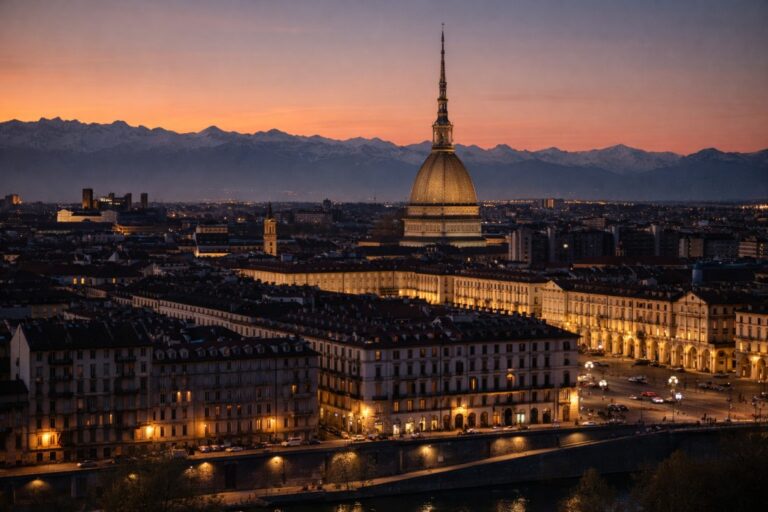
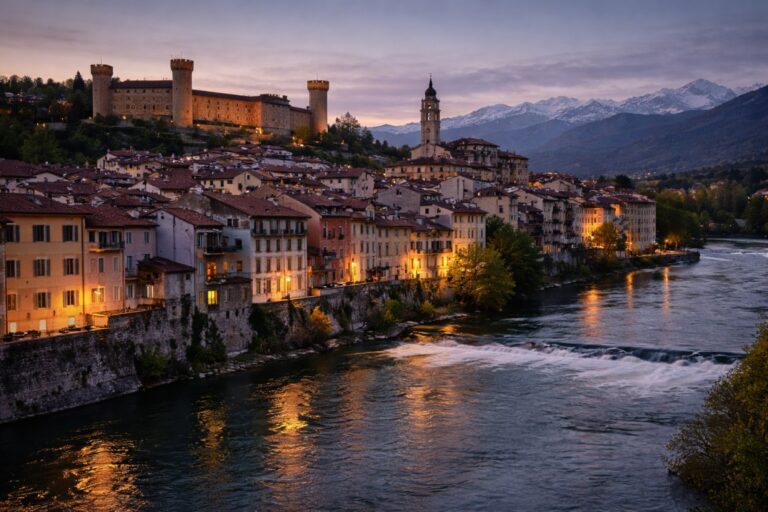
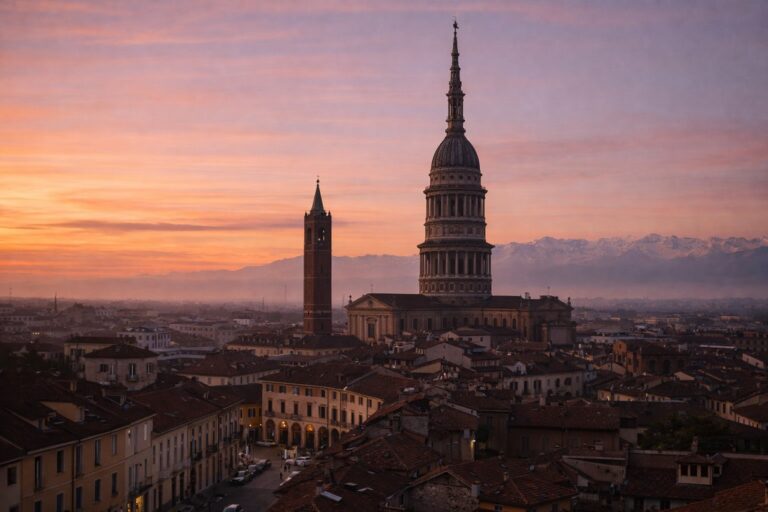
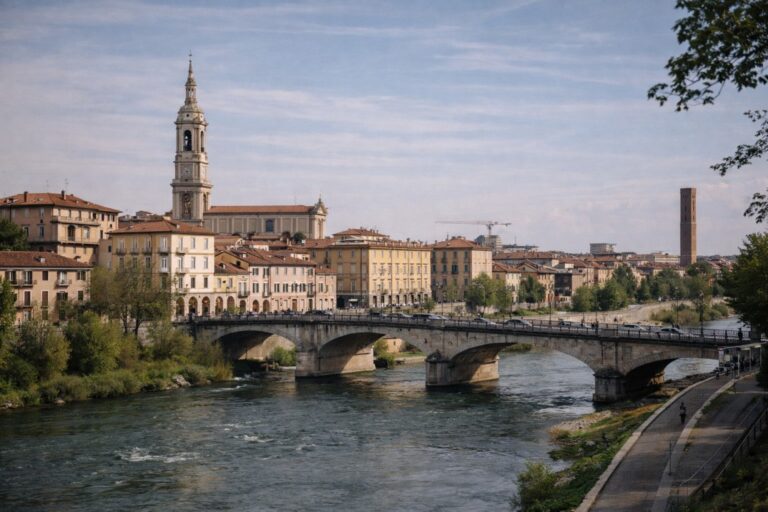
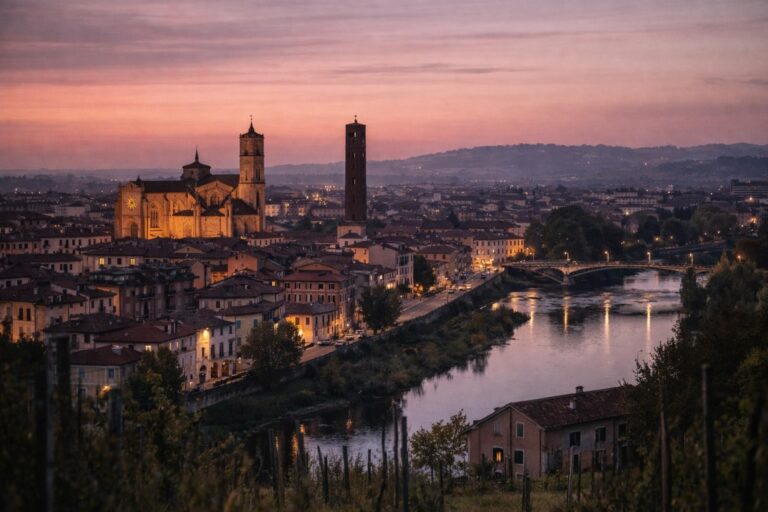
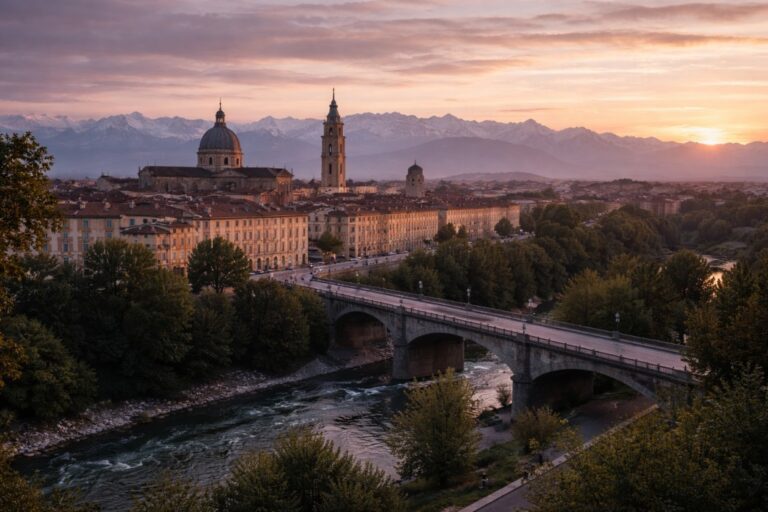
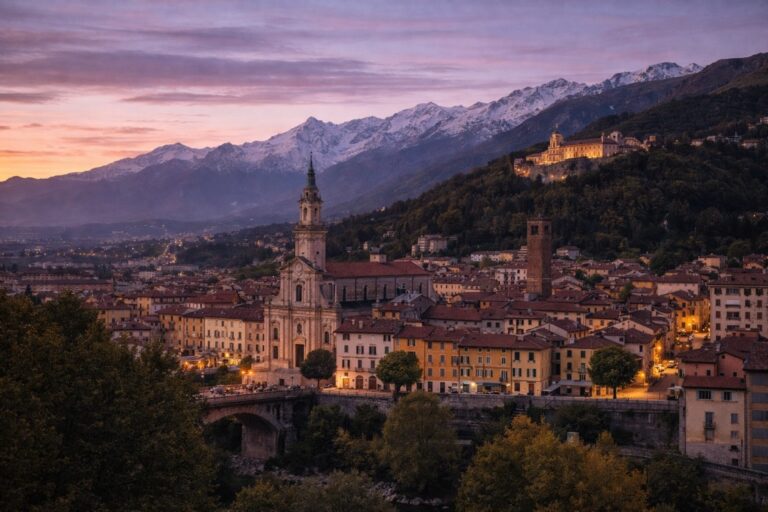
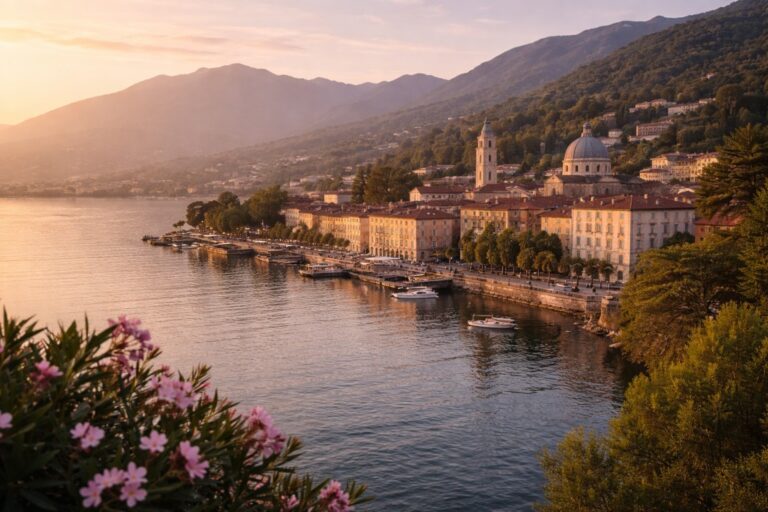
Distinct Territories within Piemonte
Torino & the “industrial-intellectual” belt
Langhe & Monferrato
Lago Maggiore & Lago d’Orta
Val d’Ossola (Alpine Piemonte)
Coliving Reality Check
Piemonte is a strong fit for remote workers who value competence, privacy, and repeatable routines. Coliving in Piemonte works best when your priority is stability first and social expansion second — especially if you base yourself in Turin and use mountains or lakes as structured weekend resets rather than spontaneous escapes.
It is a misfit for those who depend on instant warmth, visible community programming, or constant novelty to feel regulated. If you expect social life to accelerate simply because you relocated, Piemonte can feel emotionally contained — even while your professional life becomes more stable.
The main watch-out is overestimating what smaller towns can provide. Outside Turin, infrastructure, coworking density, and rental consistency narrow quickly. The most sustainable setup is often hybrid — city base plus intentional escapes — rather than trying to make low-density areas perform urban work.
Fit: Remote workers who value competence, privacy, and repeatable routines (especially Turin + structured weekend nature).
Misfit: Those seeking instant community, high social warmth, or a “constant newness” environment.
The best setup is often hybrid — city base + intentional escapes — rather than trying to make small towns do city work.
If you like Italy most when it feels functional, Piemonte can become quietly addictive.
Discover Coliving in Piemonte
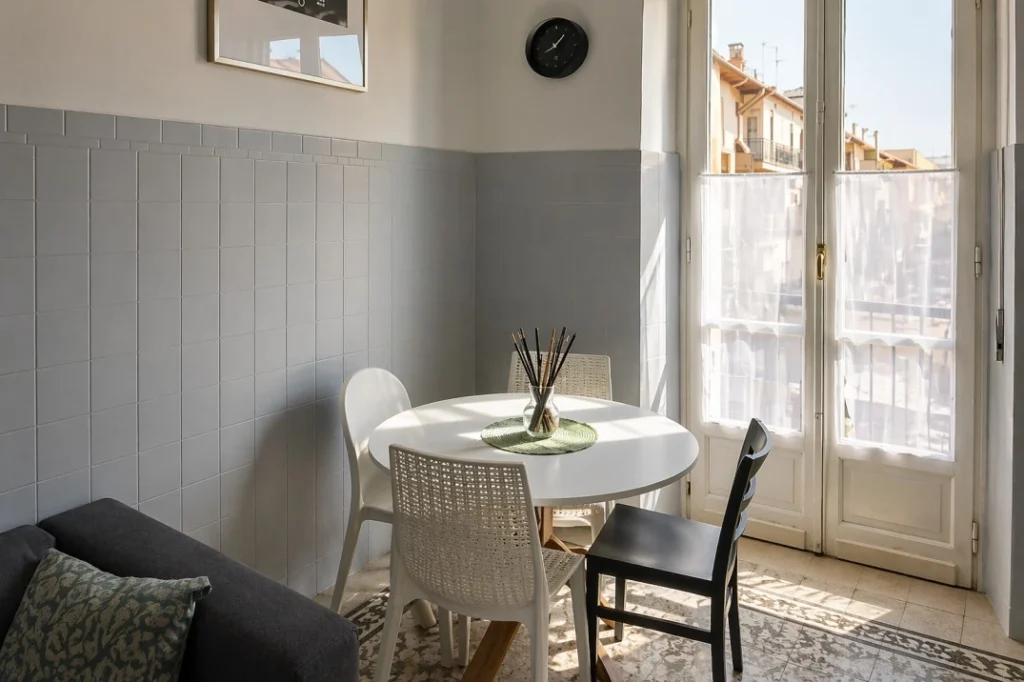
Dedicated Workspace
Lomi Galimberti
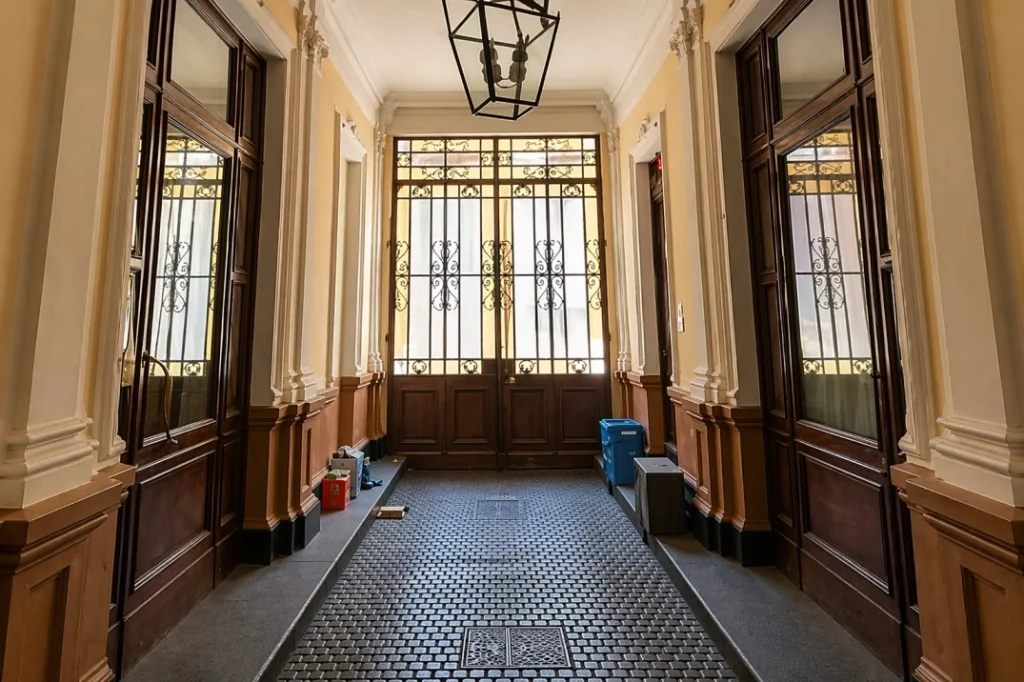
Dedicated Workspace
Lomi Siccardi
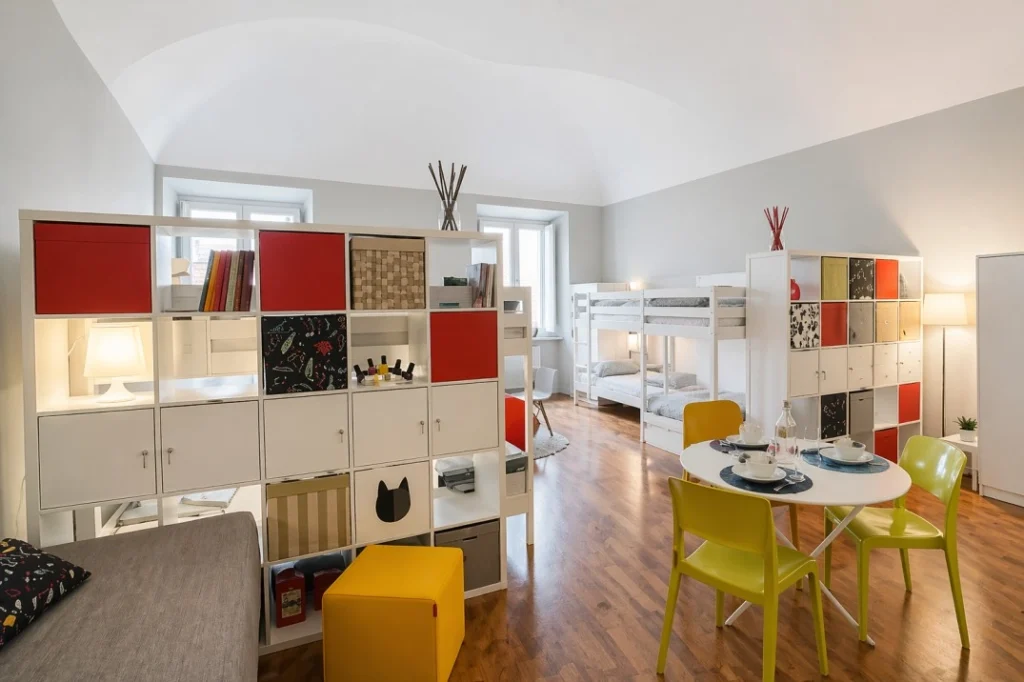
Dedicated Workspace
Lomi Lorenzo
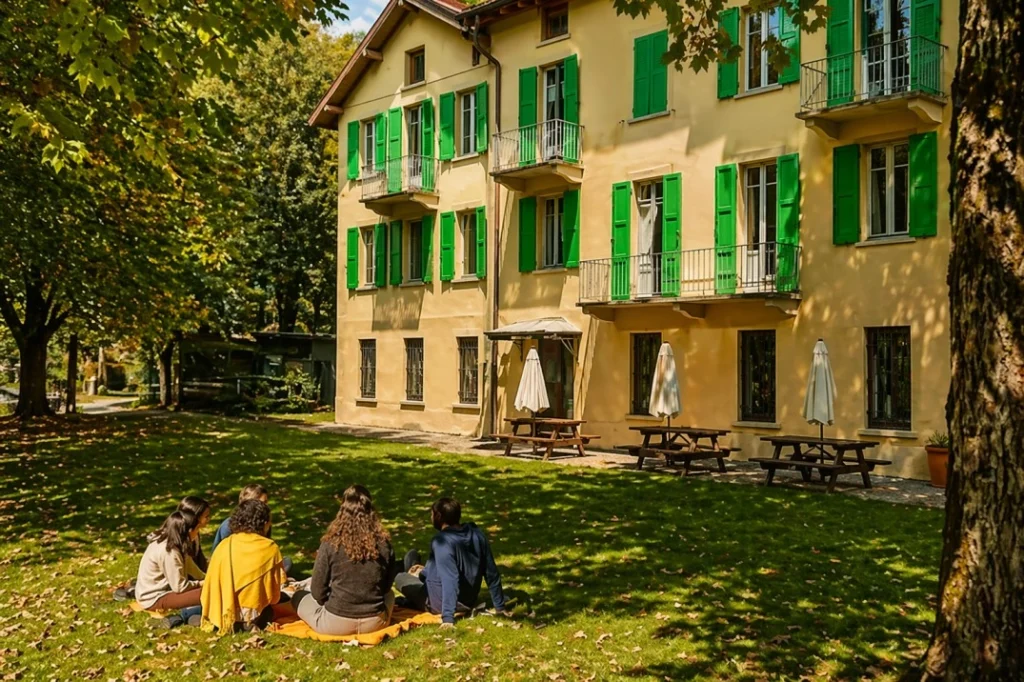
Dedicated Workspace
Montino
Explore Other Regions in Italy
See how other regions compare in lifestyle and pace.
FAQs
Is Torino the best base for remote work in Piemonte?
Turin is the most practical base because it combines coworking options, universities, and stable daily services. Smaller towns can work, but they often require more effort in housing quality, transport, and social integration.
What’s the biggest adjustment when moving to Piemonte?
The social code is earned over time. People are polite but reserved until you become familiar through repeated routines. You may feel settled operationally before you feel socially “inside.”
Does Piemonte work for people who want community fast?
Usually not. Piemonte can feel emotionally quiet if you rely on rapid community formation. It suits people who prefer privacy, stable routines, and relationships that form slowly but become durable.
How hard is winter in Piemonte for long stays?
In the plains, fog and short days shape energy and routines. Many people manage winter well by tightening habits and using planned mountain or lake escapes. Alpine areas are clearer but more weather-constrained.
Can you live car-free in Piemonte?
In Turin, yes, it’s realistic. Outside the city, car logic appears quickly depending on where you live. The key is choosing a base that matches your weekly loop: errands, coworking, and nature access.