
Living & Coliving in Campania
Campania runs on density, negotiation, and a kind of everyday intelligence you only learn by living inside it.
Living and coliving in Campania means entering one of Italy’s most compressed and socially active systems—especially around Napoli and the Bay of Naples. Life happens in public, at street level, and rarely on a silent schedule. If you are evaluating living in Campania for remote work, your experience will depend less on aesthetics and more on how well you navigate friction.
Living and working remotely in Campania means building routines inside a dense, high-contact environment—especially around Naples. Internet can be solid but varies by building, and daily friction (traffic, noise, admin) can steal focus unless you plan for it. The payoff is energy, services, and real street-level culture.
Compared to Puglia, Campania trades space for momentum.
Is Living in Campania for you?
Best For
- People who want a “city-first” Italy — where culture, services, and momentum are structural, not decorative.
- Remote workers who gain energy from stimulus — friction, spontaneity, social contact.
- Those who can operate inside contradiction — beauty next to dysfunction, warmth next to sharpness.
Trade Offs
- You will negotiate basics more often — timing, delivery, contractors, “we’ll see” logistics.
- Baseline calm may drop — traffic, density, sound, interruptions.
- Coastal access is not automatically restorative — it can be compressed and seasonal.
Seasonality
- Best: October–November + March–May (maximum livability, minimum crowd pressure).
- Summers: Heat + coastal compression + slower service rhythms.
- Winters: Mild on the coast, sharper inland; humidity + older buildings matter.
High-contact · Street-level · Fast-adapting · Unfiltered
Living in Campania: Daily Life & Lifestyle
Campania is not simply “southern.” Around Napoli, density creates constant interaction, and constant interaction creates a culture of real-time adjustment. You do not plan life in clean lines here — you steer through it. The reward is that you are rarely isolated unless you choose to be. The cost is that you are rarely fully off-duty.
Mornings begin with bar culture that is functional, not scenic — espresso taken standing, short exchanges, practical updates. Evenings do not start at a clear hour; they accumulate. Streets swell gradually, invitations appear same-day, and routine blends into public life in a way that reshapes your sense of personal space.
The adjustment newcomers underestimate is not noise — it is informal dependency. You will rely on neighbors, shop owners, friends-of-friends to unblock small obstacles. Negotiation is daily skill, not exception. “Yes” may mean “yes, but later,” and the later depends on your follow-up.
And yet, 40–90 minutes inland toward Avellino or Benevento, the rhythm shifts. Winters sharpen. Streets empty earlier. Entry into social circles takes longer but stabilizes once formed. Choosing between Italy’s coastal vs inland rhythms is not abstract here — it is a real geographic decision inside one region.
Remote Work Reality
Remote work in Campania is workable — but not frictionless. Services exist, coworking exists, and connectivity can be strong, particularly in Napoli and Salerno. But your building often matters more than your city.
Internet stability varies by wiring and apartment quality. Older buildings can mean patchy signal or humidity affecting infrastructure unless upgraded. Designing your setup carefully is not optional.
Your best work system may be hybrid: home base + two reliable cafés + occasional coworking days. Living in Naples as a remote worker improves dramatically when routine is engineered, not improvised.
The real constraint is cognitive: traffic, noise, deliveries, “just one quick thing” interruptions. If ambiguity drains you, this region can exhaust you. If you treat logistics as skill, it becomes surprisingly productive. If you prefer a calmer, institution-led daily system nearby, consider Lazio.
Building quality determines signal stability
Routine must be engineered
Boundaries protect focus
Need a reliable workspace during your stay?
For longer stays, cafés and apartment Wi-Fi are not always enough. Italy Coliving readers can access a partner workspace offer with 10% off coworking, day offices, meeting rooms, business lounges, and virtual office services.
Partner link. Italy Coliving may earn from qualifying enquiries.
Living in Campania rewards structured minds inside unstructured environments.
Food & Culture
When living in Campania, food isn’t a hobby and it’s not a performance. It’s a public language — a way people mark seriousness, trust, and social belonging. The cultural distinction versus many nearby regions is how visible everyday eating is: you don’t disappear into private homes as quickly. People meet outside, eat outside, argue outside, reconcile outside. It’s not “community” as an idea — it’s community as a repeated, street-level habit.
A concrete social code cue: invitations often revolve around specific places, not abstract plans. “We’ll meet” becomes “we’ll meet at that bar / that rosticceria / that corner.” Your relationship with the neighborhood becomes your relationship with a handful of predictable counters, ovens, and small rooms where people recognize you.
Iconic food you’ll encounter in Campania
Nature & Weekend Escapes
When living in Campania, nature is not just “escape.” It’s constraint and proximity at the same time. The coastline feels close, but access can be bottlenecked by traffic, seasonality, and price. Meanwhile, the inland is closer than outsiders realize — and often the better reset: altitude, quieter nights, colder air, and a different pace of conversation.
A spatial cue that matters: the region’s geography is a tight coastal belt and a rising interior. The coast concentrates people and movement. The interior redistributes them — fewer crowds, more distance, more planning, more quiet. If you live in Napoli or Salerno, your weekends can swing between volcanic coastlines (Campi Flegrei) and Apennine towns (Irpinia/Sannio) without crossing a border in your mind.
Within easy reach when living in Campania:
Campi Flegrei — volcanic landscapes, sea air, and a calmer social pace than central Napoli
Cilento — slower, more dispersed, more seasonal; better for decompression than “quick content”
Irpinia — altitude, colder evenings, more private routines; the anti-coastal rhythm
Sannio (around Benevento) — rural depth, understated food culture, less external pressure
Campania gives you two nervous systems — maritime energy and inland restoration.
Places in Campania
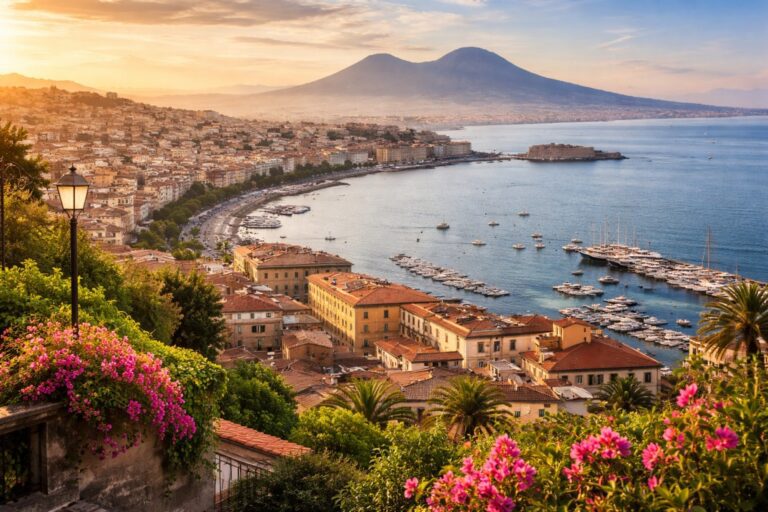
Napoli
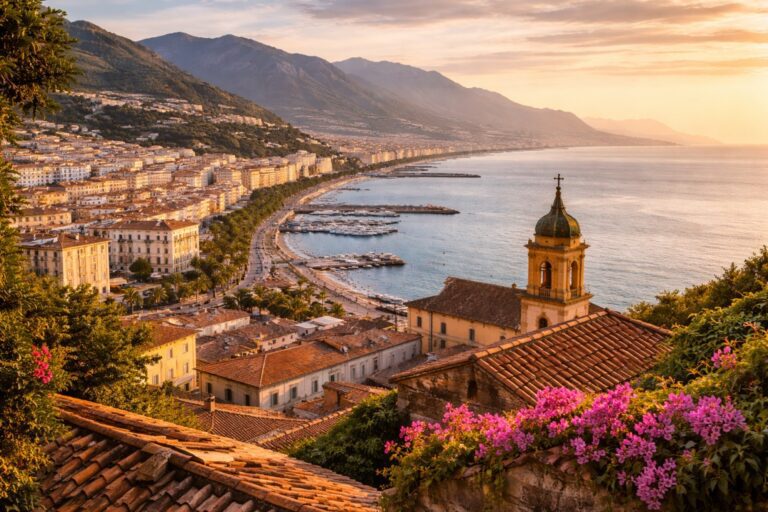
Salerno
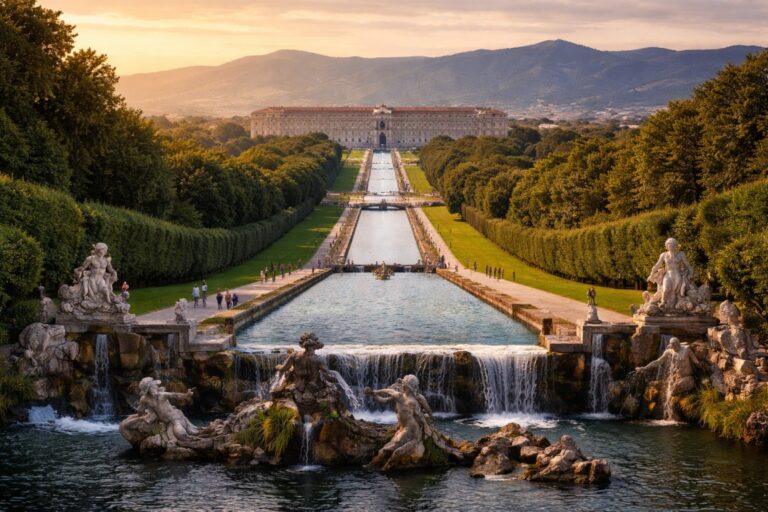
Caserta
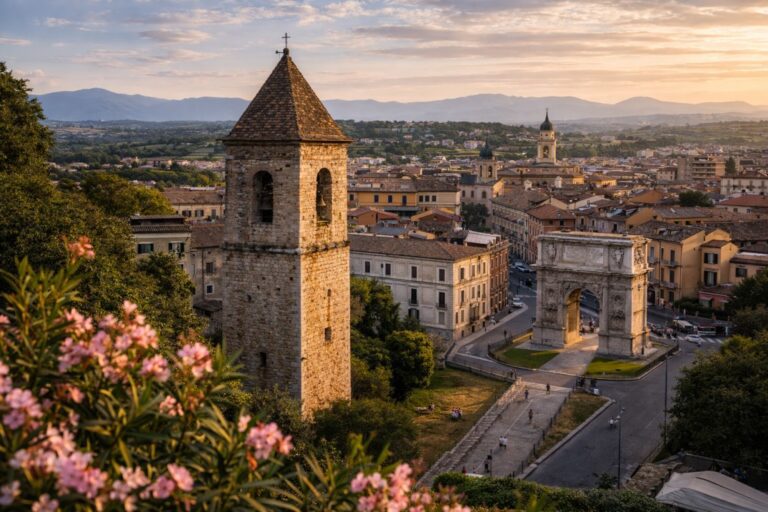
Benevento
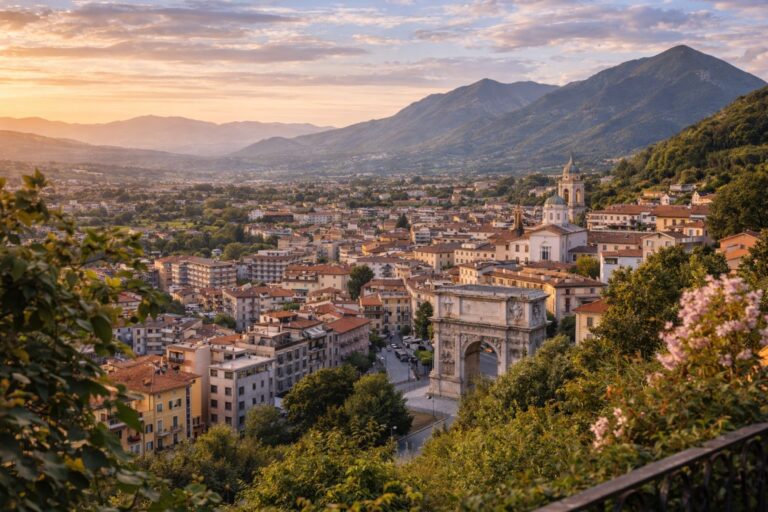
Avellino
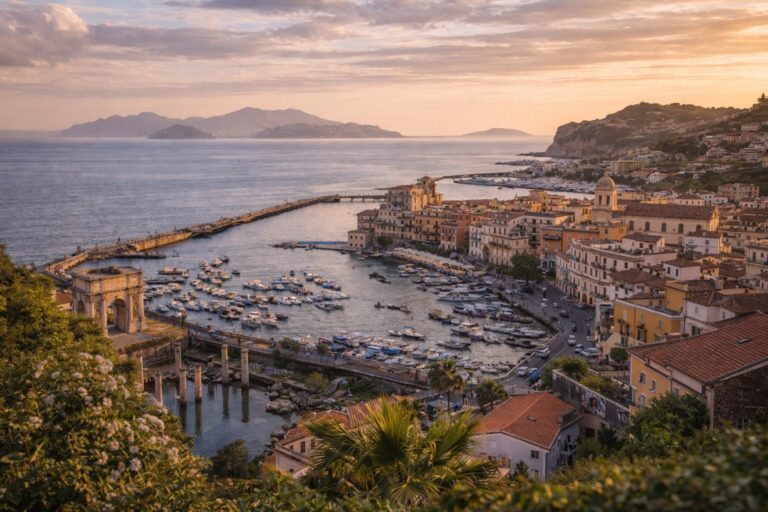
Pozzuoli
Distinct Territories within Campania
Campi Flegrei
Irpinia (Avellino province, inland)
Cilento (south of Salerno)
Coliving Reality Check
Living in Campania fits people who want life happening around them and can build structure inside noise. If public energy fuels you, this region gives momentum few others match.
It misfits those who require predictable service quality, low sensory input, and minimal negotiation. Friction is structural here, not occasional.
Watch the micro-location. Your building, wiring, street, and neighbors will shape your daily experience more than the city label itself.
Fit: High-contact social default
Misfit: Low-sensory tolerance required
Building quality defines experience
Coliving in Campania can be extraordinary — if setup is your first project.
Discover Coliving in Campania
Explore Other Regions in Italy
See how other regions compare in lifestyle and pace.
FAQs
Is Campania a good base for remote work?
Yes, if you design around friction. Napoli and Salerno offer services and coworking, but building quality matters. If you need quiet predictability, consider Campi Flegrei or inland Irpinia.
Where should I live in Campania for calmer daily life?
Campi Flegrei provides sea access with less compression. Inland areas like Irpinia or Sannio offer deeper quiet but fewer services.
What adjustment surprises most newcomers?
Negotiation. Timing, reliability, and admin often move through informal channels. Follow up lightly and expect flexibility.
Is Campania manageable without a car?
In Napoli, often yes. For coast-inland flexibility, a car increases reach but adds stress.