
Living & Coliving in Puglia
A long, coastal region where summer attention is loud — and real life in Puglia stays quietly inland.
Living in Puglia is not one lifestyle. It’s a stretched system built along two seas, long roads, and a handful of functional hubs. The region rewards those who understand geography as routine: where you base yourself determines whether your life feels stable, seasonal, or constantly negotiated.
Living and working remotely in Puglia is defined by a strong coast-versus-inland split. Hubs like Bari and Lecce stabilize logistics, while coastal towns can become volatile in summer due to noise and rental turnover. The most reliable long-stay setup is often slightly inland.
Unlike Campania, Puglia feels less compressed — but its coast vs inland split is harsher.
Is Living in Puglia for you?
Best For
- People who want choice inside one region: city services in Bari or Lecce, quieter life 30–60 minutes away.
- Remote workers who like sea access but don’t want to live inside a resort frame.
- Drivers who treat weekends as geography: Adriatic vs Ionian meaningfully changes rhythm.
Trade Offs
- Summer crowds reshape rents, parking, noise, and even restaurant reliability in coastal towns.
- Without a car, your version of Puglia narrows quickly outside the Bari–Brindisi–Lecce spine.
- Beautiful inland towns can be operationally thin (healthcare access, gyms, delivery, admin services).
Seasonality
- Best: April–June, September–October (warm, workable, less performative)
- Summers: coast becomes a different economy; expect turnover, scarcity, loud nights
- Winters: clearer “real life” signal; quieter towns reveal what actually exists year-round
Sun-driven · Dispersed · Social-outdoors · Car-dependent
Living in Puglia: Daily Life & Lifestyle
Living in Puglia runs on distance plus coastline. It is not one unified atmosphere but a chain of micro-worlds stretched along roads that often end at water. Your week becomes a repeated calculation: which sea, which hub, how far from dependable services. A town can be beautiful yet sit 25 minutes from basic reliability.
Daily rhythm adjusts to light and heat rather than ideology. In summer, many residents front-load work into morning hours, slow down in peak heat, and re-enter public space after 8–9pm. Piazza life is visible and intergenerational, but belonging operates through repeat presence. You are seen before you are included.
Housing patterns are the structural reveal. In many coastal zones, apartments that appear stable in spring convert into weekly inventory by July. That shift affects not only price but neighbor turnover, maintenance priorities, and noise tolerance. Those seeking stability often choose an inland base 15–30 minutes from the sea and treat the coastline as access, not identity.
Operational ease depends on personal systems. Reliable supermarket, mechanic, GP, weekday café with power, backup beach for windy days — routines matter more than novelty. People who thrive in Puglia treat life as repeatable routes rather than constant discovery.
Remote Work Reality
Remote work in Puglia stabilizes around the Bari–Brindisi–Lecce corridor. This spine concentrates transport, healthcare, coworking options, and predictable cafés.
The first constraint is seasonal volatility. In peak summer, some coastal towns shift toward visitor turnover, making deep focus difficult due to noise, scarcity, and rotating neighbors.
The second constraint is mobility. Outside major hubs, daily errands and professional reliability often require a car. Public transport thins quickly inland.
The third constraint is housing predictability. Stable long-term rentals exist, but address choice determines whether you live inside a working town or a summer economy.
Base yourself near infrastructure.
Avoid peak-season coastal addresses for focus.
Car access expands your workable radius.
Need a reliable workspace during your stay?
For longer stays, cafés and apartment Wi-Fi are not always enough. Italy Coliving readers can access a partner workspace offer with 10% off coworking, day offices, meeting rooms, business lounges, and virtual office services.
Partner link. Italy Coliving may earn from qualifying enquiries.
Living in Puglia works best when you build a hub-and-spoke model: stable base, optional beauty.
Food & Culture
Food in Puglia isn’t a hobby — it’s a social contract. The culture prizes home competence: what you can make, preserve, offer, and repeat without drama. Invitations often start as something small (“pass by later”), then become a full table because the default hosting style is abundance without announcement. You’ll notice how often people anchor social life around specific, trusted places (the same bakery, the same focaccia counter, the same panzerotto spot) — loyalty is a form of belonging.
Puglia also differs from neighbors in how vegetable-forward daily eating can be. Not “healthy” as a trend — more like a landscape logic: wheat, olive oil, greens, legumes, seafood when you’re coastal, and meat as a more occasional “event” inland. The cultural tell is how normal it is to talk about where oil comes from, whose family harvest is better, and which oven makes bread the “right” way.
Iconic food you’ll encounter in Puglia
Nature & Weekend Escapes
In Puglia, nature is mostly backdrop and access, not conquest. The sea is close in many places, but the meaningful distinction is what kind of sea day you’re having: rocky coves and clear water on the Adriatic side; longer, softer, and often wind-shaped beaches on the Ionian. People behave accordingly: “beach time” can be a quick ritual after work, not a planned excursion — if you live in the right radius.
The exception is when nature becomes effort: Gargano and the far south can add friction (roads, seasonal crowds, limited winter services). Here, the region reveals its real constraint: it’s long, and it’s not uniformly connected. Your weekends become logistics choices — and you’ll eventually pick a home base that aligns with your default escape type.
Within easy reach when living in Puglia:
Gargano promontory for forests, cliffs, and a different Puglia density
Torre Guaceto (Brindisi area) for protected-coast discipline (parking, walking, rules)
Alta Murgia for stark inland landscapes and silence
Salento coastline for late-night life + sea access (in season)
Living in Puglia rewards people who live near infrastructure and use nature as a repeatable habit.
Places in Puglia
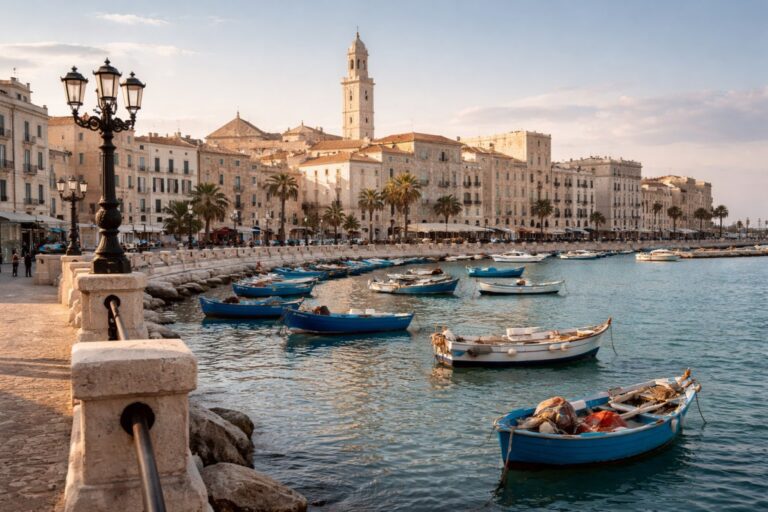
Bari
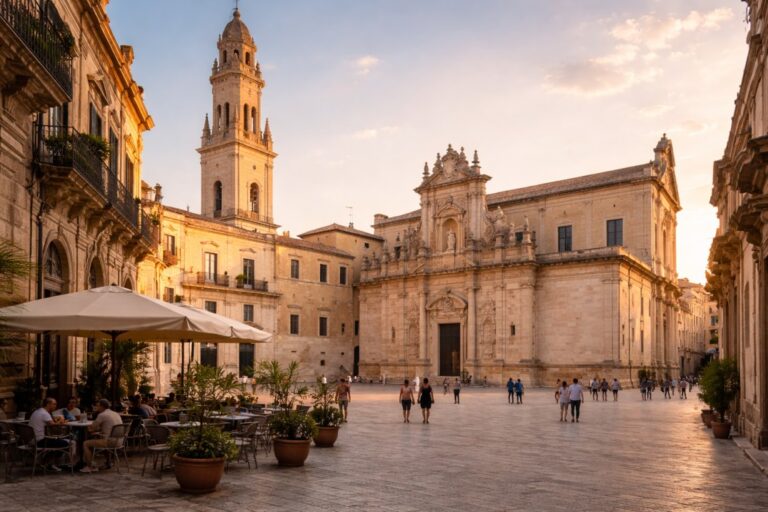
Lecce
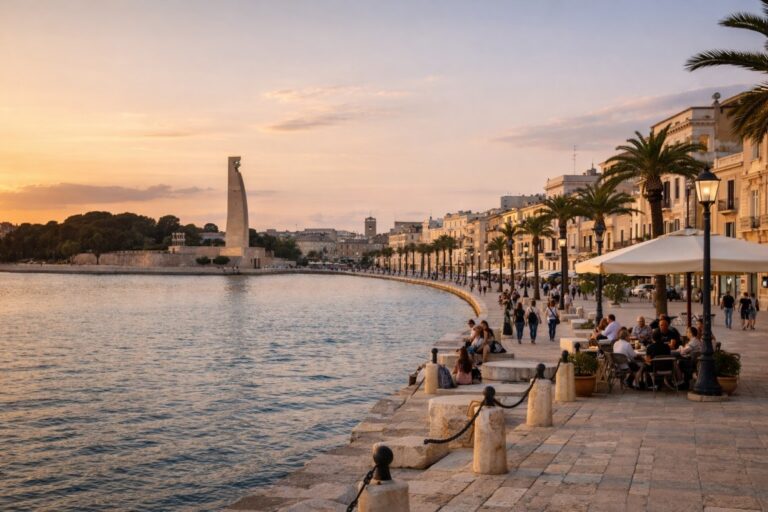
Brindisi
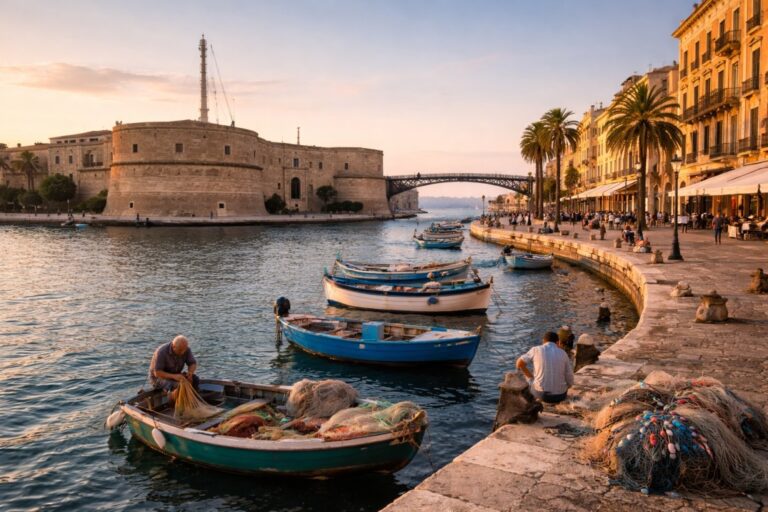
Taranto
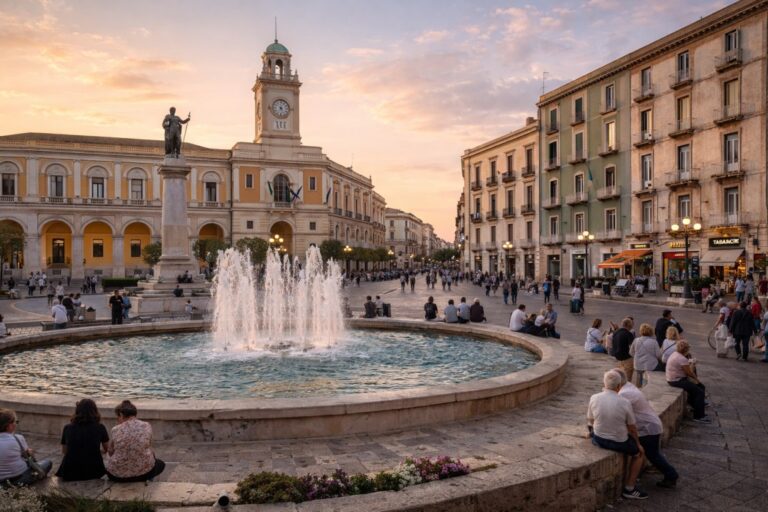
Foggia
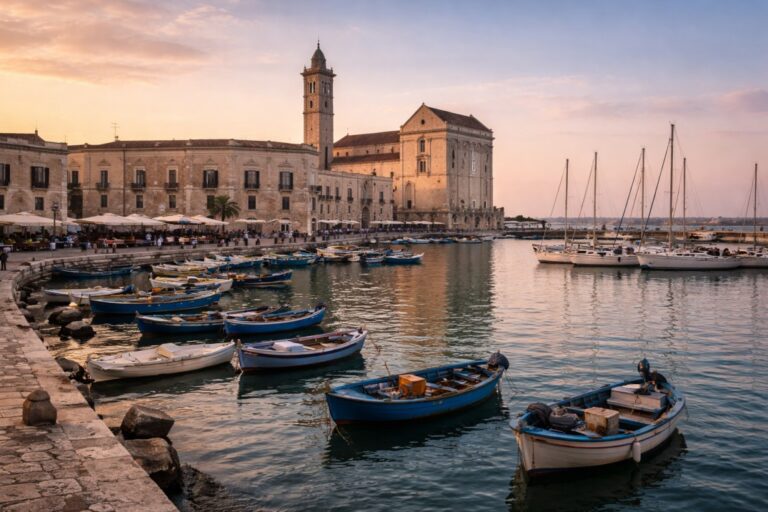
Trani
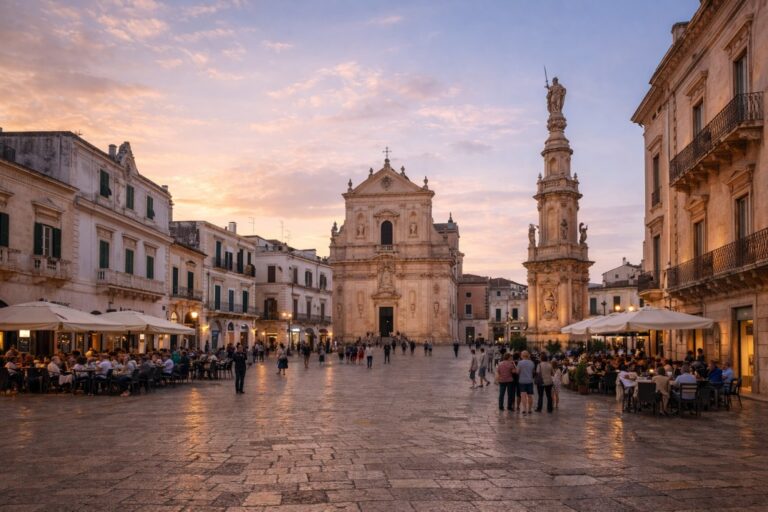
Martina Franca
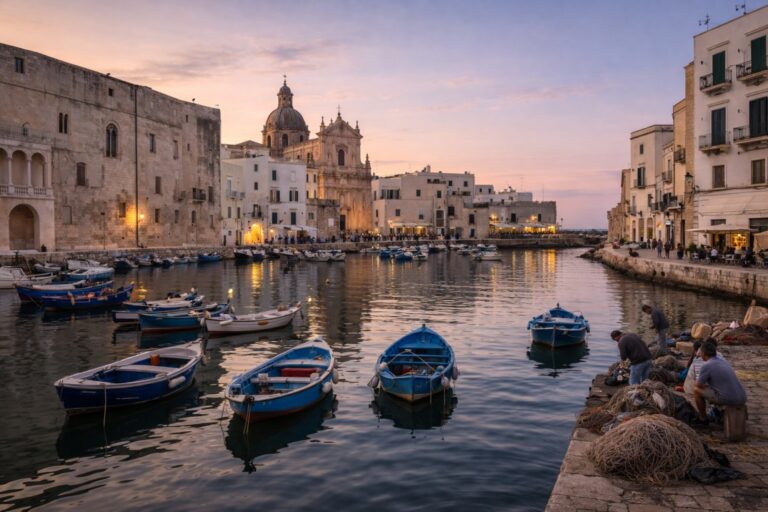
Monopoli
Distinct Territories within Puglia
Salento
Valle d'Itria
Gargano
Taranto & Ionian industrial belt
Coliving Reality Check
Puglia is a strong fit if you want daily sun, visible public life, and social energy without depending on a dense metropolitan operating system. It suits people who can build their own structure — a reliable base, repeat places, and chosen routines — and who enjoy outdoor life as a default, not an event.
It is a misfit if you require year-round housing predictability directly on the coast, tight public transport networks, or frictionless logistics without a car. In towns shaped by summer demand, stability must be engineered — it is not automatic.
The watch-out is address choice. In Puglia, your street determines whether you live inside a functioning year-round town or a seasonal economy that expands and contracts around you. Geography is not background here — it is your operating system.
Fit: Those who want sun and public social life without relying on a dense urban operating system.
Misfit: Those who need year-round housing predictability directly on the coast.
Your address determines whether you live inside stability or seasonality.
Living in Puglia becomes sustainable when base, mobility, and expectations align.
Discover Coliving in Puglia
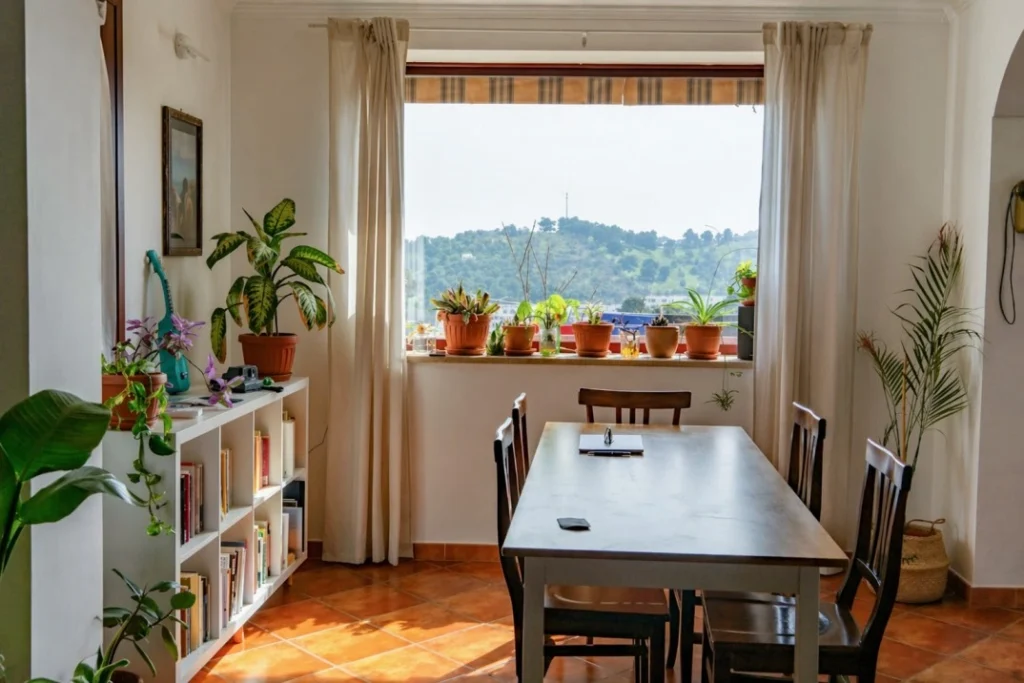
Dedicated Workspace
Together Vieste
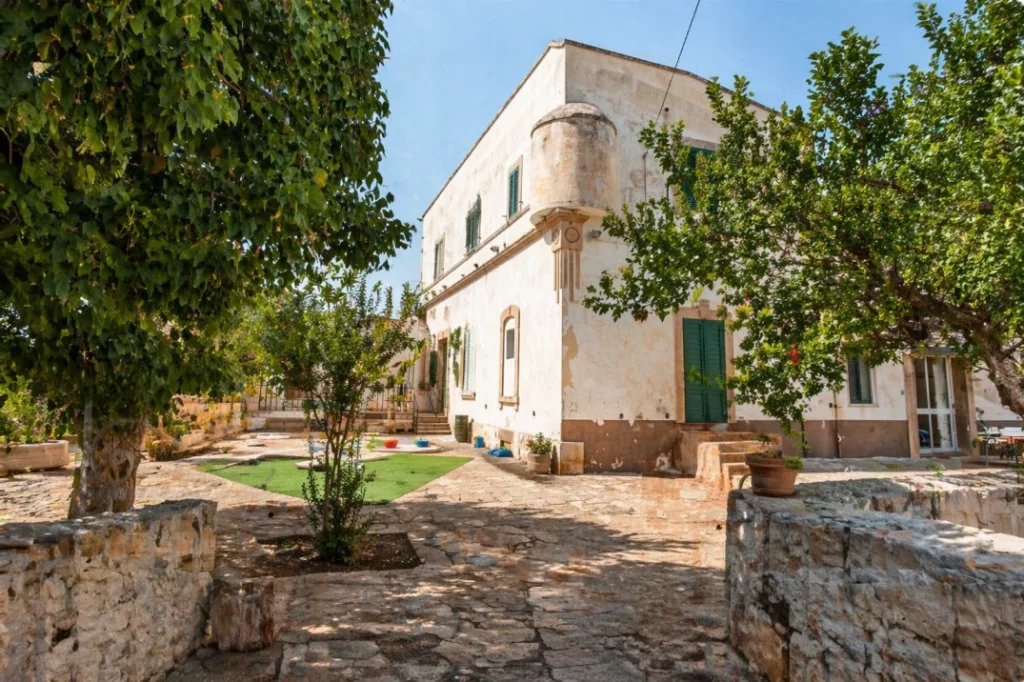
Dedicated Workspace
Masseria Olga
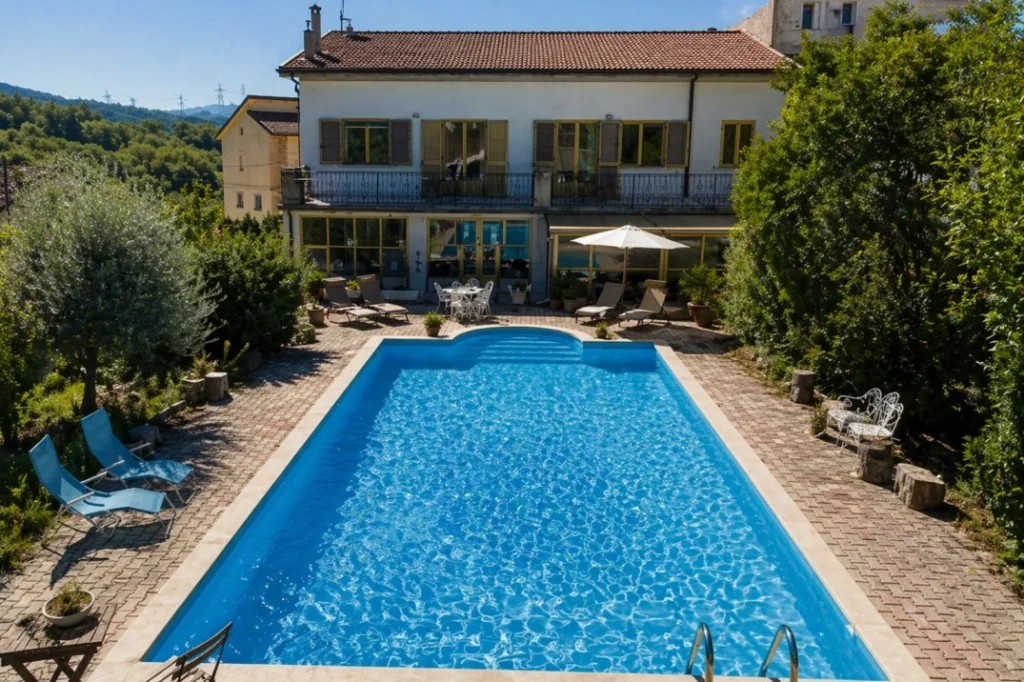
Dedicated Workspace
La Vita Sukha
Explore Other Regions in Italy
See how other regions compare in lifestyle and pace.
FAQs
What’s the best base in Puglia for remote work without a car?
Bari is the most practical starting point due to transport links and services. Lecce also works well. Outside the main corridor, daily life becomes car-dependent quickly, especially for errands, healthcare, and consistent work-friendly spots.
Is Puglia workable in summer for deep focus?
It can be, but address choice matters. Coastal towns often become noisy and crowded, and housing can switch to weekly turnover. For focus, base near a hub or slightly inland and treat the coast as an evening or weekend feature.
Does Puglia feel social for newcomers?
Public life is visible, especially in the evenings, but real belonging is network-based. You’ll usually enter through repeat places and introductions rather than spontaneous mixing. Consistency matters more than charisma.
Are rents stable year-round in Puglia?
In many coastal areas, prices and availability shift sharply in summer because the market flips toward short stays. More stable long-stay conditions are often found inland or in city neighborhoods that aren’t built around peak-season demand.
Which part of Puglia is best for a calmer long-stay lifestyle?
Valle d’Itria and inland zones near major roads often provide calmer routines and steadier housing while keeping the sea within reach. They suit people who want quiet weekdays and structured work blocks without losing weekend coastline access.