Living & Coliving in Central Italy
History, beauty, and balance — for those who want an authentic Italian lifestyle without giving up connectivity and community.
Central Italy is where many people imagine themselves living when they think of “Italy.” It blends historical density with everyday livability in a way that feels deeply rooted yet structurally workable. For those considering living in Central Italy long-term, the appeal is rarely spectacle — it is rhythm.
Living in Central Italy means choosing balance over extremes. You get culture without overwhelming scale, nature without isolation, and social life without constant intensity. For remote workers and long-stay colivers, it offers a version of Italy that feels sustainable beyond a short visit.
Less efficiency-driven than the North, less volatile than the South.
Is Central Italy for you?
Best For
- Medium to long-term stays
- Creatives, freelancers, and location-flexible professionals
- People seeking beauty, culture, and human-scale living
Trade Offs
- Slower administrative processes than Northern regions
- Infrastructure varies significantly by town
- Social integration requires patience and consistency
Seasonality
- Best: April–June, September–October
- Summers: vibrant but hot, especially in cities and inland areas
- Winters: generally mild and quieter in cities and hills; colder with regular snowfall in higher Apennine areas
Cultural · Social · Expressive · Experience-Driven
Daily Life & Lifestyle
Daily life in Central Italy unfolds at a pace that prioritizes continuity over urgency. Mornings begin with espresso at a standing bar, markets reopen in predictable rhythms, and the early afternoon pause remains structurally respected in smaller towns. Public space is not decorative — it functions as social infrastructure.
The built environment shapes behavior. Medieval street grids compress movement into walkable distances, encouraging repeated encounters. You pass the same shopkeeper daily. You recognize faces in the piazza. Over time, this repetition produces familiarity rather than boredom — especially for those living in Central Italy beyond the novelty phase.
Work and life blend instead of separating cleanly. A morning call may be followed by a mid-day walk; an afternoon task by an unplanned conversation. The system assumes flexibility, not optimization. For some, this feels inefficient. For others, it feels human.
Local customs remain present and visible. Meal times are socially anchored, not negotiable abstractions. Bureaucracy moves slowly but predictably. Relationships form gradually but endure. The reward is embeddedness — not speed, not anonymity, but participation.
Remote Work Reality
Remote work in Central Italy is viable — but selection matters. Cities like Rome and Florence offer strong infrastructure, while smaller towns require closer inspection before committing.
Distraction is ambient rather than digital. Historic centers invite movement. Natural light shifts through stone streets. The environment encourages stepping away between tasks. For remote workers who measure output strictly by uninterrupted hours, this can feel destabilizing.
For those who prioritize creative thinking, slower pacing, and spatial inspiration, the region supports sustained work without isolating intensity.
Choose your town carefully before committing long-term.
Coliving often emphasizes shared life, not silent work blocks.
The environment encourages breaks — and rewards them.
Central Italy suits remote workers who value balance over maximum efficiency.
Food & Culture
Food in Central Italy is inseparable from daily life. It is less about refinement and more about tradition, simplicity, and emotional connection.
Food here often feels intimate rather than performative. Long lunches, shared dinners, and spontaneous meals with others are common, especially in smaller towns and coliving environments. Cooking and eating together becomes one of the easiest ways to connect — both with locals and fellow colivers.
For many, Central Italy offers the most emotionally satisfying food culture in the country.
Iconic food you’ll encounter in Central Italy
Nature & Weekend Escapes
Central Italy excels at proximity and variety rather than scale.
Central Italy offers access to nature that feels less about contrast and more about continuity. Landscapes shift gradually rather than dramatically, making weekend escapes feel like extensions of daily life rather than departures from it.
From cities and towns, hills, forests, thermal baths, countryside villages, and coastlines are typically reachable within a short drive or train ride. These trips rarely require complex planning or long transit — they fit naturally into a Saturday or Sunday without disrupting the week before or after.
For long-term colivers, this creates a grounded rhythm: weekdays anchored in routine, weekends spent slowing down rather than escaping. Walks, food-focused trips, quiet nature, and small towns replace high-intensity travel — offering restoration through familiarity, not novelty.
Within easy reach from in Central Italy:
Rolling hills and countryside with vineyards, olive groves, and walking trails
Historic towns and villages rooted in medieval layouts and local life
Thermal baths and springs used year-round for rest and recovery
Tyrrhenian and Adriatic coasts offering quiet beaches and coastal towns
Weekends often revolve around slow travel: a village lunch, a countryside hike, a local festival. For colivers, this creates a strong sense of continuity between workdays and leisure without the need for major planning.


Coliving Reality Check
Central Italy offers balance, not extremes. Coliving here often prioritizes shared meals, cultural immersion, and slower integration.
It is less suitable for those seeking hyper-structured, productivity-maximized environments. Community expectations are real, and participation is assumed.
Watch for seasonality and micro-location differences. Infrastructure can shift significantly within short distances.
Fit: Lifestyle-oriented, culture-curious remote workers.
Misfit: Efficiency-maximizers seeking corporate consistency.
Choose your specific town carefully.
Coliving in Central Italy rewards those who want integration, not insulation.
Discover Coliving in Central Italy
Dedicated Workspace
Tuscany Time
Dedicated Workspace
CONvictUS
Shared Workspace
Bosco Alto
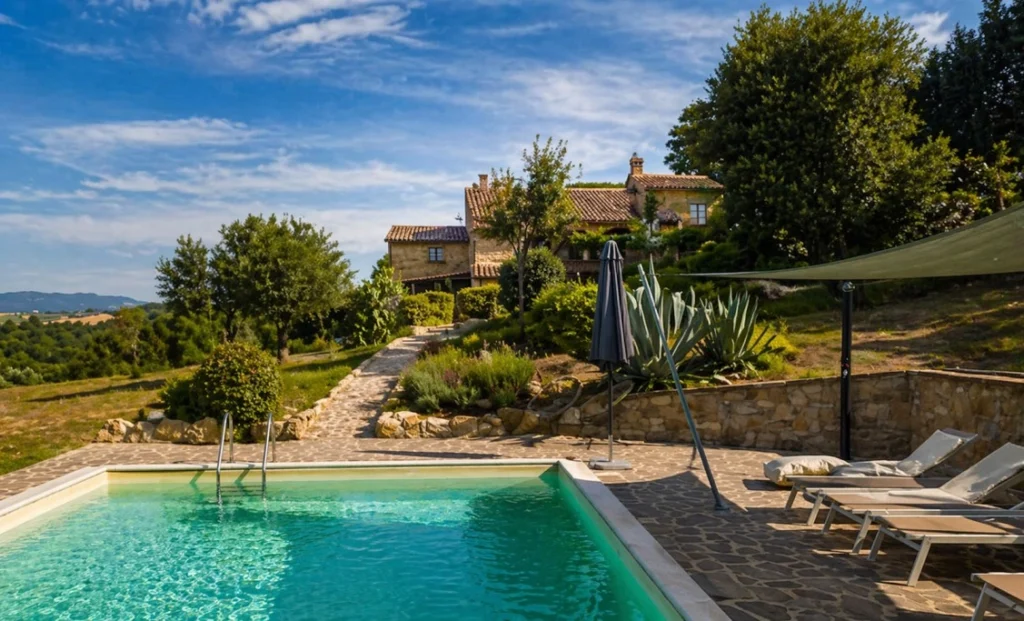
Dedicated Workspace
Villa Solisera
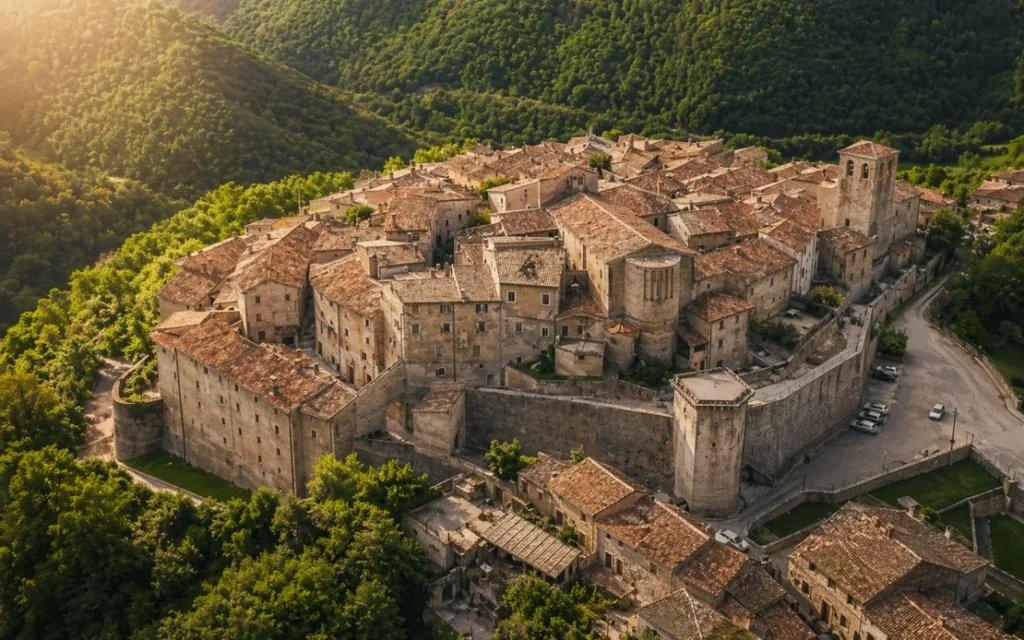
Coworking Nearby
Dolce Vita
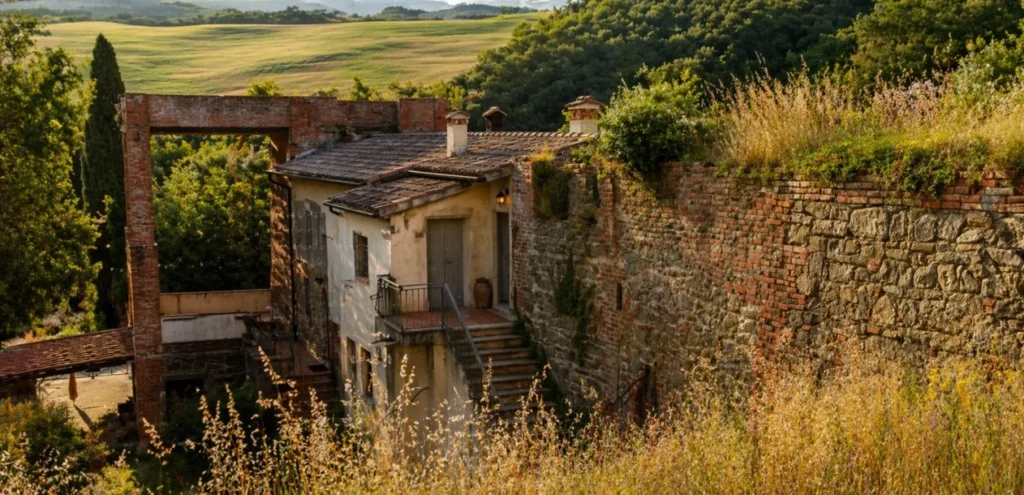
Shared Workspace
Il Fornello
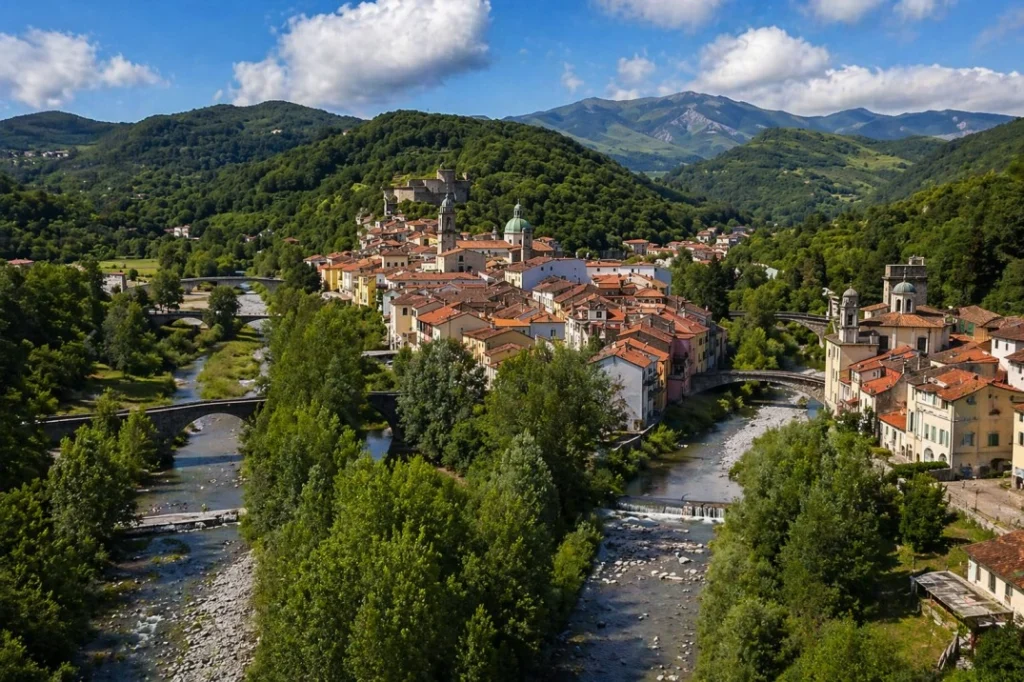
Shared Workspace
Start Working
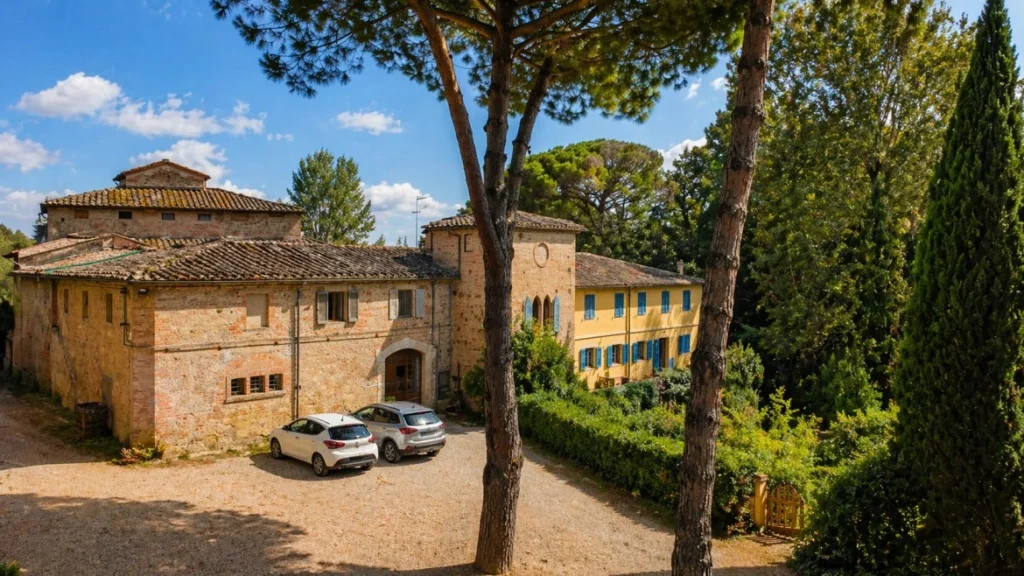
Shared Workspace
Bassetto
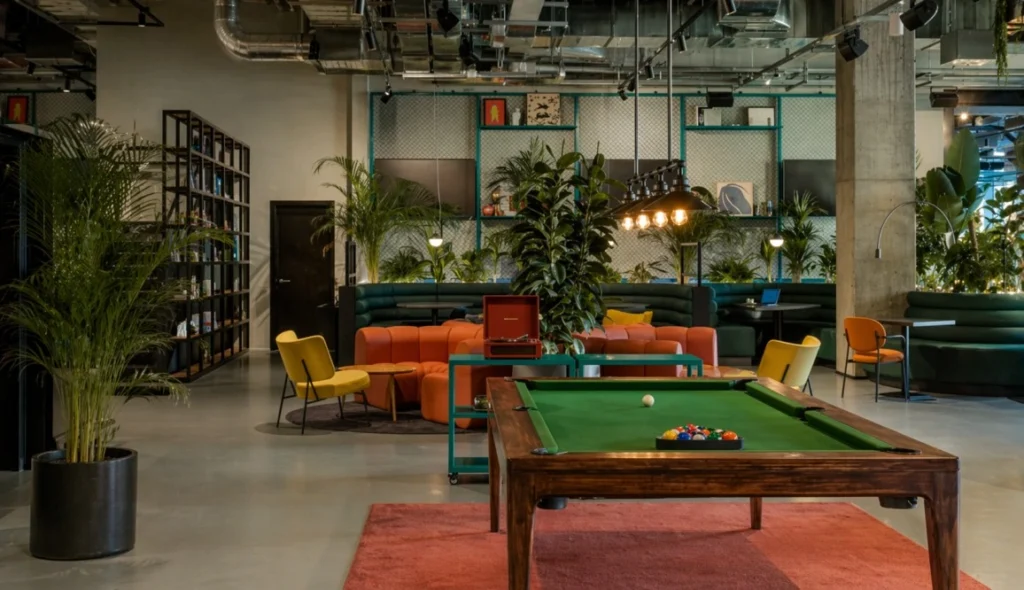
Dedicated Workspace
The Social Hub Belfiore
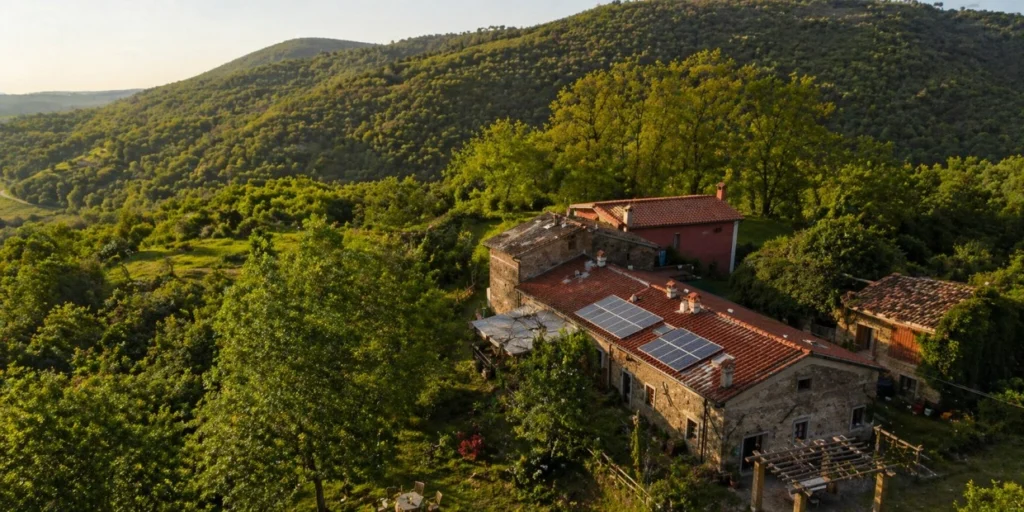
Shared Workspace
Tertulia
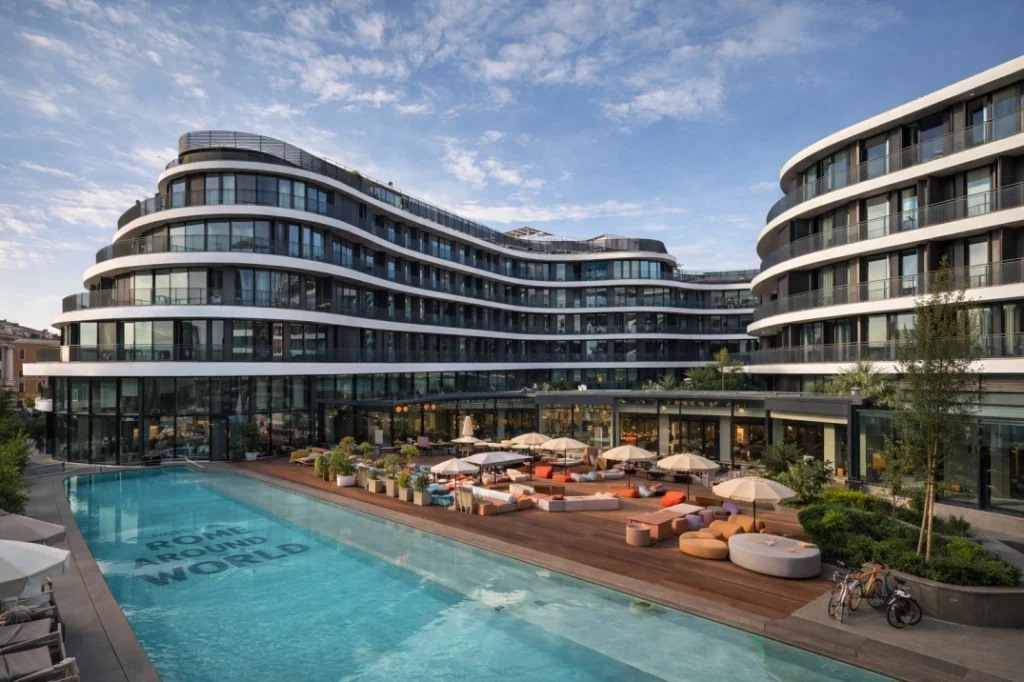
Dedicated Workspace
The Social Hub
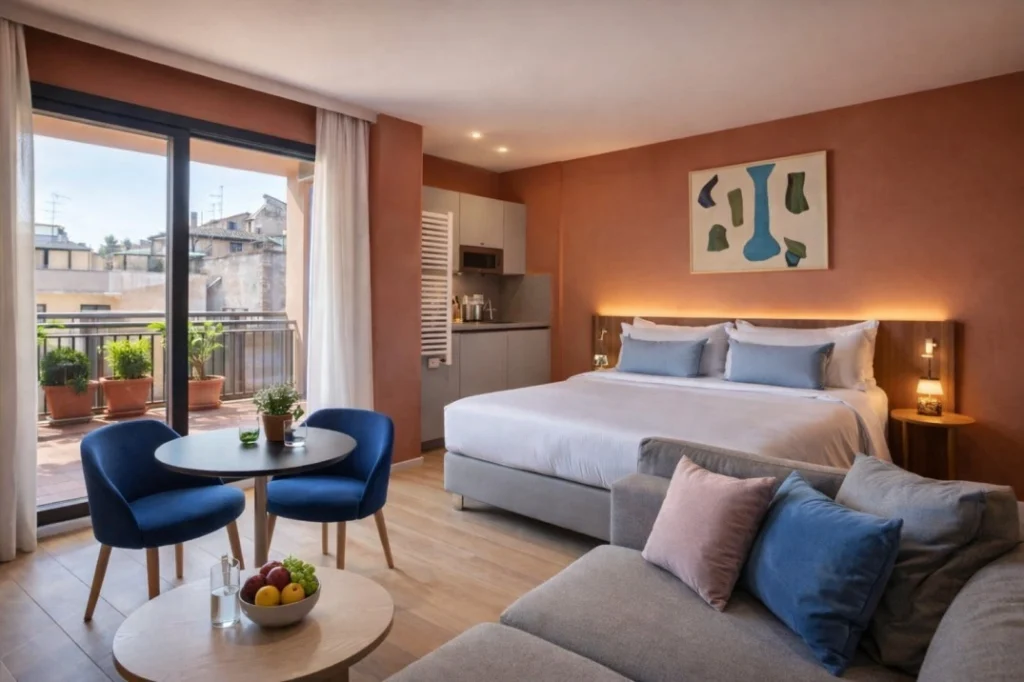
Dedicated Workspace
Numa Trastevere
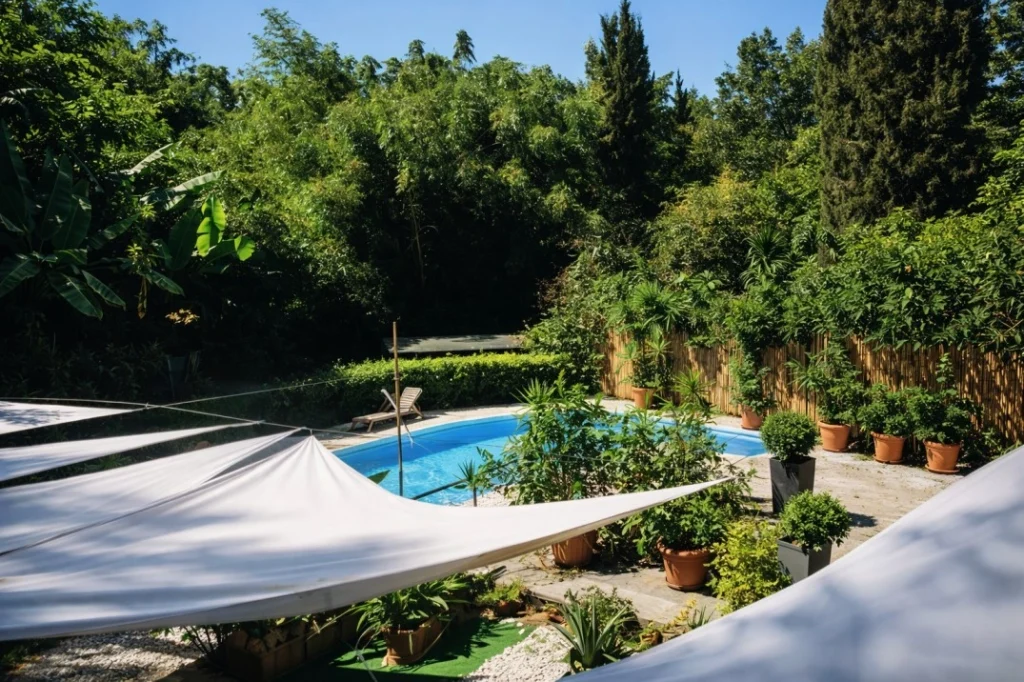
Shared Workspace
Wiki Colive
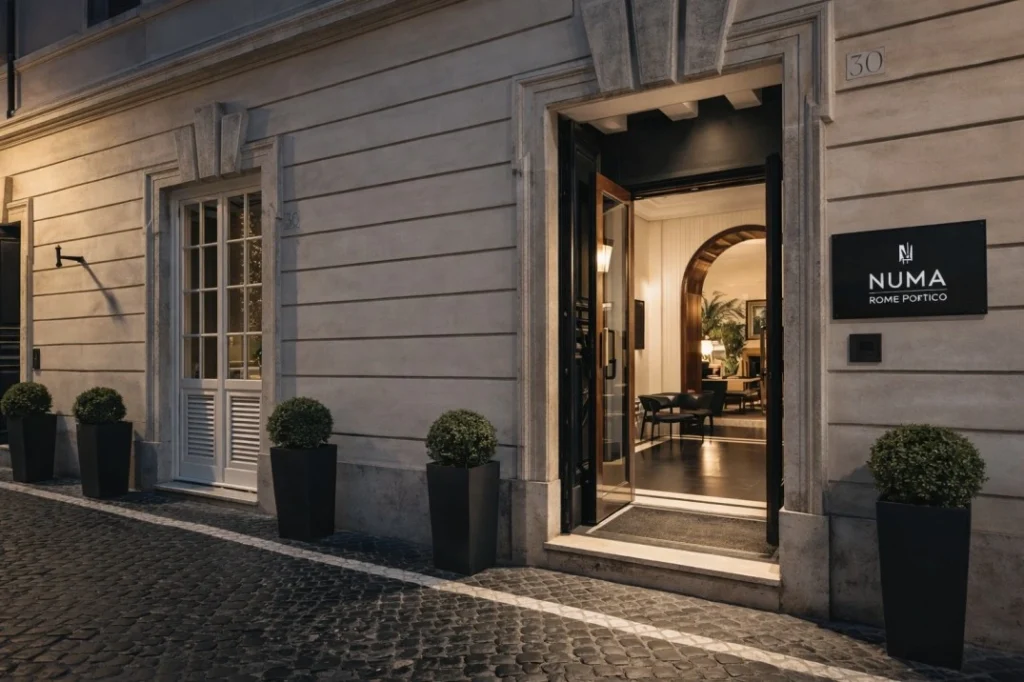
Dedicated Workspace
Numa Portico
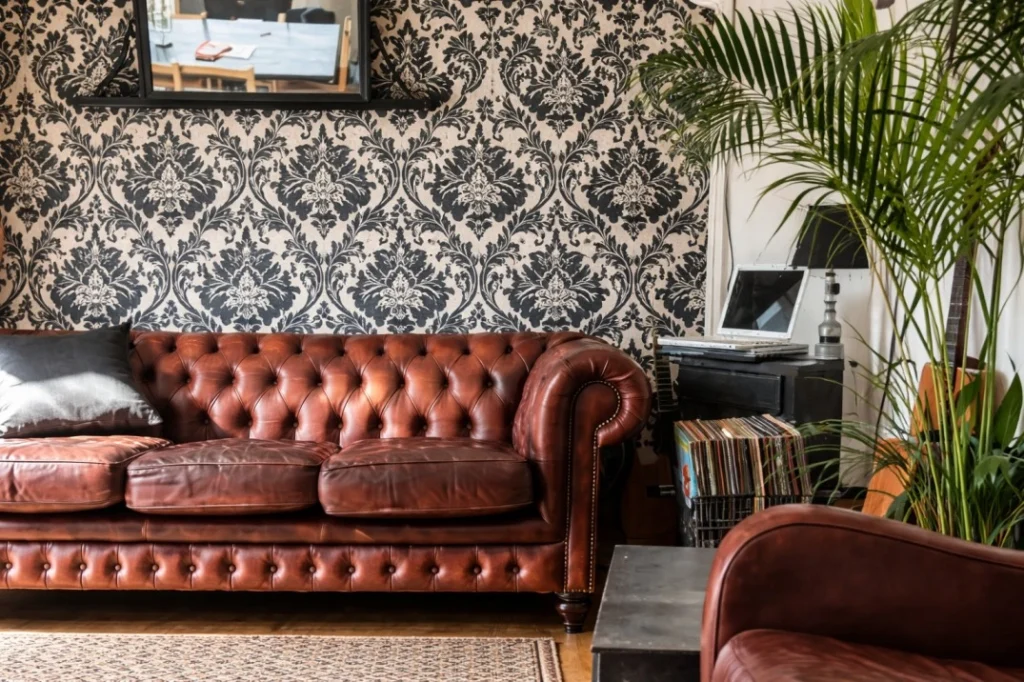
Shared Workspace
Together in Trastevere
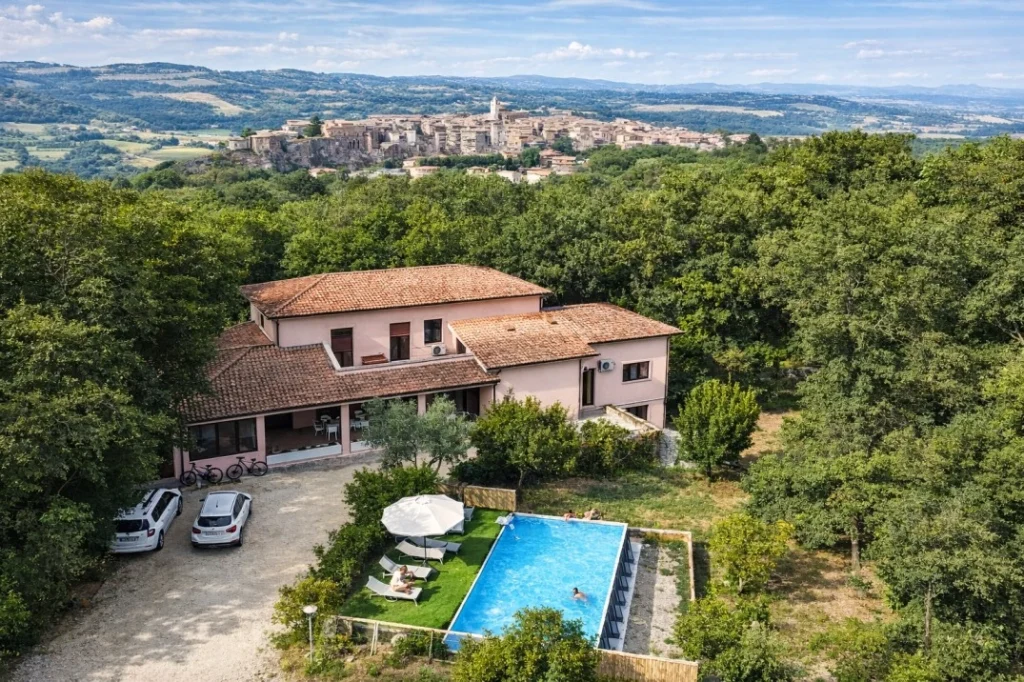
Shared Workspace
NestingAway
FAQs
Is living in Central Italy expensive?
Costs vary significantly by city. Rome and Florence are higher, while smaller towns in Umbria, Marche, or Abruzzo offer lower rent and daily expenses. Long-term stays reduce volatility compared to short visits.
Is Central Italy good for remote workers?
Yes, particularly in cities and well-connected towns. Internet is reliable in urban areas, coworking options are growing, and lifestyle balance suits creative or flexible professionals.
Where to live in Central Italy as a digital nomad?
Rome and Florence offer infrastructure; smaller towns provide lower costs and deeper immersion. The best choice depends on your tolerance for bureaucracy, tourism cycles, and density.
What is winter like in Central Italy?
Most cities remain active and mild, though inland Apennine areas experience cold temperatures and snow. Winter often feels calmer and more locally oriented.
Is coliving in Central Italy community-focused?
Yes. Many coliving spaces emphasize shared meals and cultural integration over silent productivity. Expect social participation as part of the experience.