
Living & Coliving in Trentino-Alto Adige
Italy’s most rules-forward region: bilingual, autonomous, and mountain-disciplined — where daily life rewards preparation and consistency more than improvisation.
Trentino-Alto Adige is effectively two alpine systems sharing one autonomous region: Trentino in the south and South Tyrol (Alto Adige / Südtirol) in the north. The differences show up in language, architecture, food traditions, and the everyday relationship with Austria.
Living in Trentino-Alto Adige feels different from most of Italy the moment routine begins. The region operates through systems — not personality. Autonomy, bilingual governance, and mountain geography produce towns that run cleanly, quietly, and predictably. For some people this feels calming. For others it can feel controlled.
Living and remote work in Trentino-Alto Adige means quiet towns, reliable services, and a calendar shaped by mountains and seasons. It’s highly livable for remote work if you value structure and nature — but housing costs, winter conditions, and slower social integration require realistic expectations.
Compared to Veneto, Trentino-Alto Adige feels less improvised — and more expensive to enter socially and financially.
Is Living in Trentino-Alto Adige for you?
Best For
- People who value reliable systems — clean infrastructure, predictable services, and towns that function consistently.
- Remote workers who prefer quiet environments, early rhythms, and weekends defined by nature rather than nightlife.
- Long-stay residents comfortable adapting to bilingual environments and structured local habits.
Trade Offs
- Housing is competitive and expensive compared with many Italian regions, especially in valley towns with strong services.
- Social entry takes patience: communities can feel closed until routines, associations, or language bridge the gap.
- If you rely on spontaneity, casual networking, or chaotic creativity, the region can feel over-regulated.
Seasonality
- Best: May–June and September–October — stable weather, manageable tourism pressure, and easier daily logistics.
- Summers: Lake towns and valley routes become busy; reservations and weekend planning are normal behavior rather than “tourist habits.”
- Winters: Beautiful but demanding. Cold, darkness, and mobility constraints reshape both social life and remote-work routines.
Orderly · Mountain-disciplined · Bilingual · Low-drama
Living in Trentino-Alto Adige: Daily Life & Lifestyle
Trentino-Alto Adige operates on a quiet premise: life works best when everyone respects the system. The region’s autonomy and bilingual identity appear less through political symbolism and more through behavior — how buildings are maintained, how noise is managed, how services function, and how quickly informal habits become formal rules. What outsiders interpret as “coldness” is often simply low tolerance for friction.
Daily rhythm follows daylight more than nightlife. Mornings start earlier than many newcomers expect, and evenings settle earlier than in most of Italy. Work, errands, and sport occupy the day, while evenings are calmer and more structured. Someone arriving from a late-night Mediterranean cadence may feel they missed the social moment — until they realize the real “event” is tomorrow’s hike, planned and prepared.
Mountains also introduce a practical psychological shift. Distances that appear short on a map can become longer in winter conditions, fog, snow, or weekend traffic funnels. Residents instinctively plan with a “what could block this?” mindset: weather, passes, school holidays, or ski traffic. Adopting this planning habit is part of adapting to living in Trentino-Alto Adige.
Social invitations reflect the same logic. Instead of open-ended hanging out, gatherings often revolve around activity: a walk, a ski day, a climbing session, or a family lunch with defined timing. Trust tends to form through reliability and shared effort rather than spontaneity. Once inside these rhythms, daily life becomes unusually calm and predictable.
Remote Work Reality
Connectivity in Trentino-Alto Adige is generally strong in main towns and valleys. Fiber and stable infrastructure are common, but your exact address matters more than the city name itself.
Workdays often feel productive here because environments are quiet, buildings are well maintained, and routines favor focus rather than noise.
The main constraint is financial realism. Housing, heating, and everyday costs can quickly exceed expectations for remote workers arriving with a casual budget.
Another adjustment is cultural rhythm. If your work style depends on constant café culture, spontaneous coworking, or late-night social energy, the region may feel limiting — not impossible, simply misaligned with its natural pace.
Connectivity can change dramatically between town centers and higher villages.
Quiet buildings and predictable routines support deep work.
Rent, winter heating, and mobility expenses demand realistic budgets.
Need a reliable workspace during your stay?
For longer stays, cafés and apartment Wi-Fi are not always enough. Italy Coliving readers can access a partner workspace offer with 10% off coworking, day offices, meeting rooms, business lounges, and virtual office services.
Partner link. Italy Coliving may earn from qualifying enquiries.
Remote work in Trentino-Alto Adige succeeds when your lifestyle aligns with quiet routines and disciplined planning.
Food & Culture
Here, food often signals identity boundaries more than indulgence. You’ll feel the cultural seam between Italian and Germanic worlds in menus, mealtimes, and the social meaning of places: the stube, the village bakery, the orderly weekly market, the after-sport beer that ends earlier than you expect. In many towns, “culture” is less about events and more about clubs and associations — mountain rescue, alpine clubs, choirs, sports groups — the infrastructure of belonging.
Trentino and Alto Adige also diverge internally: Trentino leans more Italian in social warmth and habits; Alto Adige is more rule-bound and bilingual in everyday signage, schooling, and service culture. The biggest surprise for newcomers is not what people eat — it’s how food settings organize social life: reserved tables, booked lunches, familiar faces, predictable routines that look closed until you become one of the familiar faces.
Iconic food you’ll encounter in Trentino-Alto Adige
Nature & Weekend Escapes
Nature here is not a weekend “option.” It is the governing system — shaping housing, transport, seasons, and even social identity. People don’t just go outdoors; they organize their week around it. A practical cue: on peak weekends, the bottlenecks are real — valley roads, lakefront access, parking, and lift queues. The region handles it better than most, but it still changes how you move.
Escapes are less about discovering hidden places and more about choosing your arena: lakes for decompression, forests for repetition, high alpine for intensity. The reward is deep: if you like structured effort (training, routes, gear, early starts), this region gives you a long-term relationship with landscape — not a novelty hit.
Within easy reach when living in Trentino-Alto Adige:
Dolomites: dramatic high-alpine terrain shaping much of the region’s outdoor identity.
Garda Trentino: a milder microclimate for cycling, climbing, and lake-based weekends.
Val Venosta: wide valleys ideal for cycling routes and slower rural rhythms.
Val Pusteria: forest landscapes and winter sports culture stretching toward Austria.
Nature here is both escape and organizing system — rewarding preparation and long-term rhythm.
Places in Trentino-Alto Adige
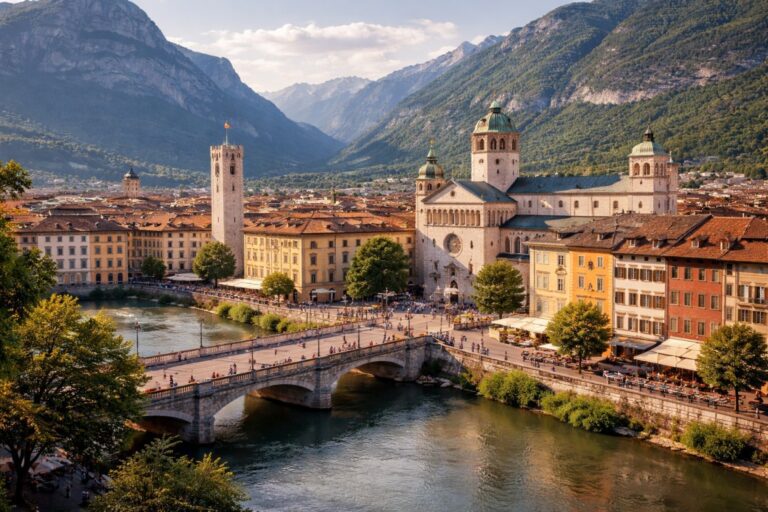
Trento
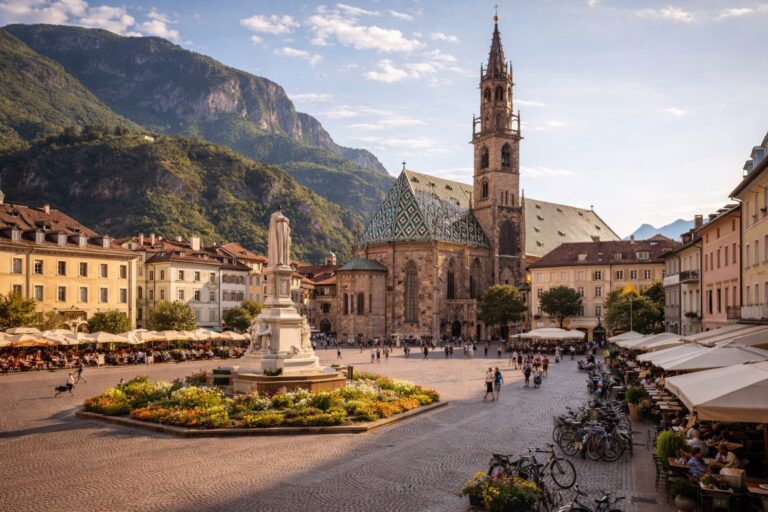
Bolzano
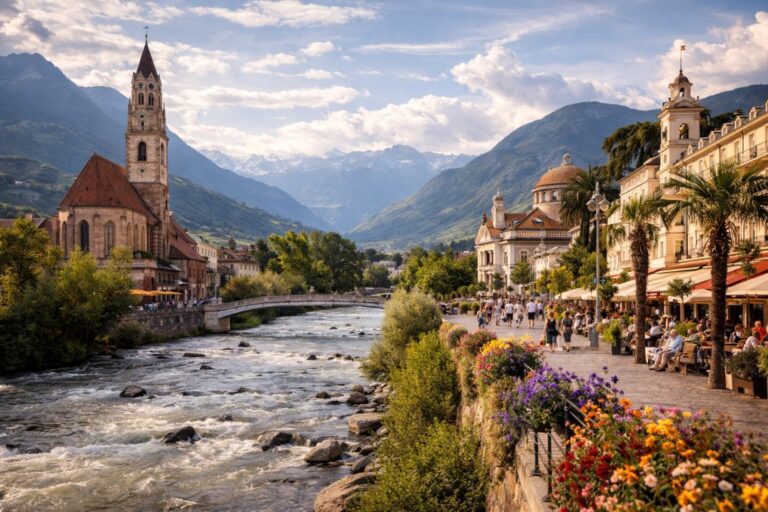
Merano
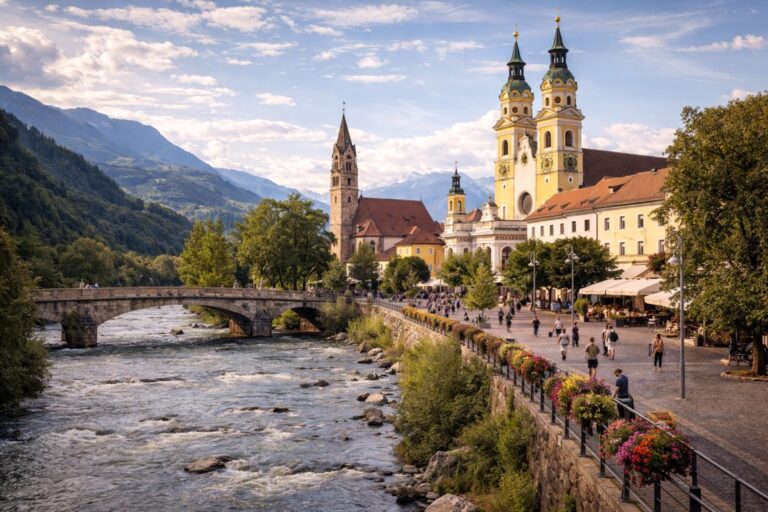
Bressanone
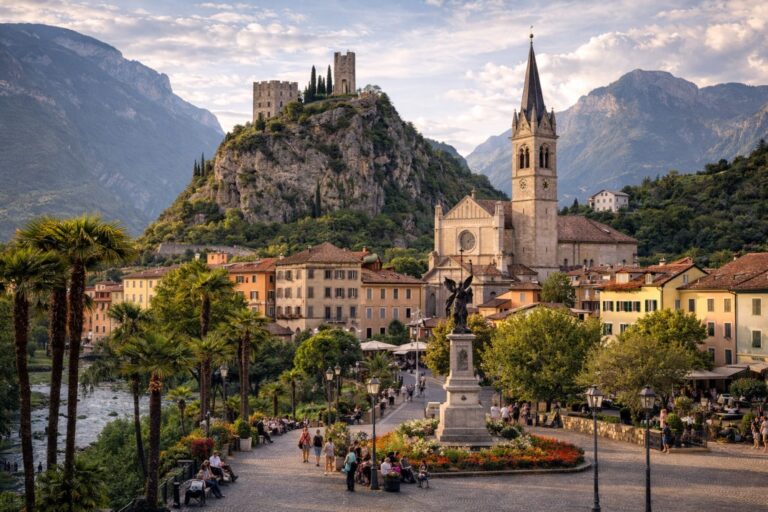
Arco
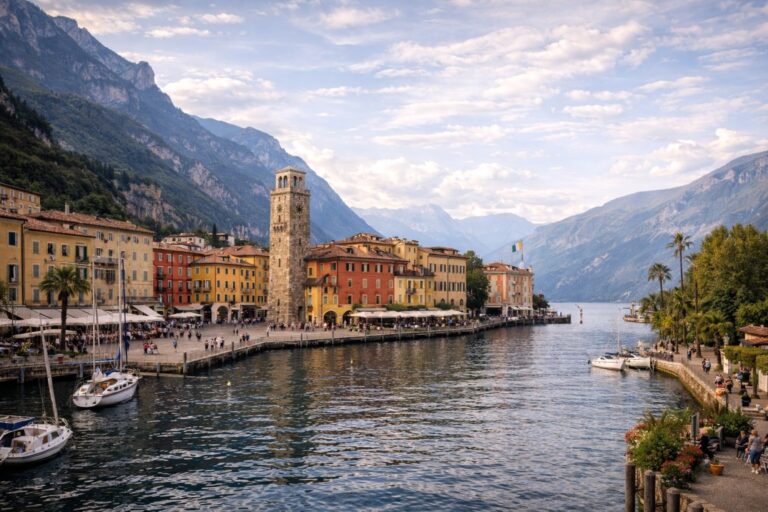
Riva del Garda
Distinct Territories within Trentino-Alto Adige
Alto Adige Valley Cities (Bolzano – Merano – Bressanone)
Garda Trentino (Riva del Garda – Arco)
Ladin Dolomite Valleys (Val di Fassa & Val Gardena edge)
Coliving Reality Check
Coliving in Trentino-Alto Adige suits people who value structured calm over spontaneous community.
Small, long-stay coliving arrangements with clear house rules and quiet workspaces integrate more easily into local buildings and neighborhoods.
High-turnover nomad formats often clash with local expectations around noise, stability, and building culture.
Fit: small, respectful, long-stay setups
Misfit: high-turnover nomad party formats
Watch out for heating, rent, and mobility costs
Trentino-Alto Adige rewards discipline — coliving works when it mirrors local expectations.
Discover Coliving in Trentino-Alto Adige
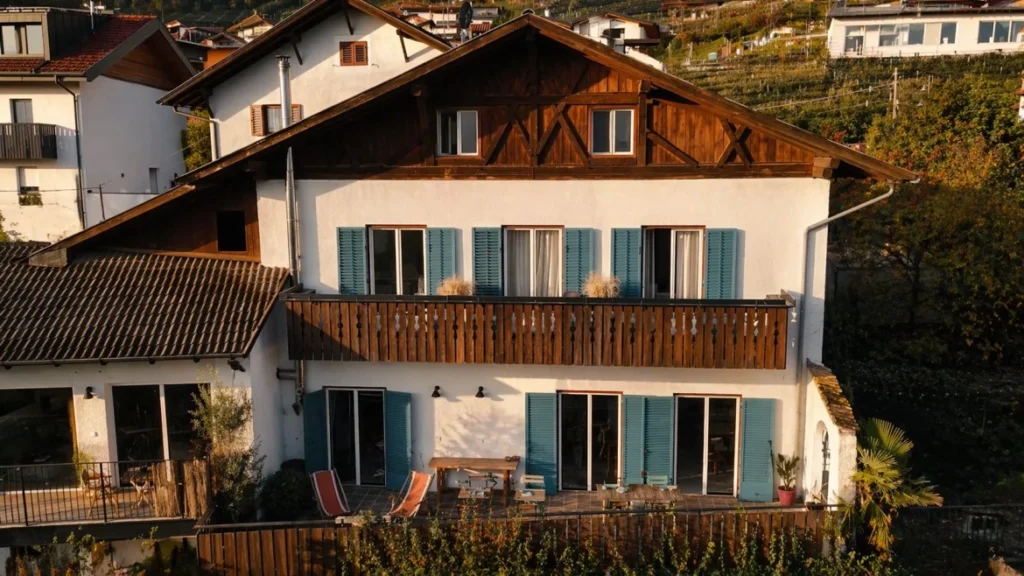
Dedicated Workspace
Franz&Mathilde
Explore Other Regions in Italy
See how other regions compare in lifestyle and pace.
FAQs
Is Trentino-Alto Adige a good region for remote workers?
Yes, especially for people who value calm environments, reliable services, and access to nature. However, housing costs and winter conditions require planning, and social integration can take longer than in larger Italian cities.
Which city is better for remote work: Trento or Bolzano?
Trento feels slightly more Italian and university-oriented, while Bolzano reflects Alto Adige’s bilingual and highly organized administrative culture. Both offer strong infrastructure, but the social atmosphere differs subtly.
Do you need German to live in Alto Adige?
Italian is usually sufficient in larger towns, but German is widely spoken and improves everyday interactions. Learning basic phrases often helps integration and signals respect for the region’s bilingual identity.
What are the biggest hidden costs of living here?
Winter living. Heating, transport planning, and outdoor gear can significantly increase monthly expenses compared with many other Italian regions.
Is coliving common in Trentino-Alto Adige?
Coliving exists but is less widespread than in major Italian cities. Successful setups tend to be small, long-stay, and structured to match the region’s quiet residential culture.