
Living & Coliving in Veneto
A region with two faces: a global stage on the water, and one of Europe’s most work-shaped everyday systems inland.
Living in Veneto means stepping into a region where routine is stronger than spectacle. The postcard cities are real — but they are not the daily baseline. Most of the region runs on small and mid-sized firms, early starts, and social codes that reward reliability over visibility.
If you’re evaluating coliving in Veneto or considering a long-stay base in Northern Italy, this page helps you understand how the inland belt (Padova–Treviso–Vicenza) differs from prestige zones like Venice or Lake Garda — and what that means for remote work, housing, and daily rhythm.
Living and working remotely in Veneto feels practical and routine-led: strong inland services, good rail corridors, and an early-start work culture. The trade-off is social access that takes time and prestige zones where housing and crowds distort daily life. It rewards planners more than improvisers.
Unlike Lombardia’s corporate Milan, Veneto runs on family firms, early mornings, and quiet local rules.
Is Living in Veneto for you?
Best For
- You want “functional Italy”: stable services, competent local economies, and logistics that usually work — especially in the Padova–Treviso–Vicenza belt.
- You prefer culture without daily chaos: universities, hospitals, and events exist — but evenings still quiet down.
- You can tolerate contrast: living in practical inland cities while being near global icons you won’t actually use every day.
Trade Offs
- Social entry is indirect: networks are real but often pre-formed. Inclusion usually requires time and repetition.
- Prestige zones (Venice historic center, parts of Lake Garda) create housing scarcity and inflated cost dynamics.
- Climate has weight: humid summers in the plains; fog and damp that can drag on mood in winter.
Seasonality
- Best: April–June and September–October — cities feel usable, streets regain proportion.
- Summers: Heavy humidity inland; directional weekend pressure toward Garda, Jesolo, and mountain gateways.
- Winters: Damp fog in the plains; mountain areas become either deeply focusing or logistically restrictive.
Work-shaped · Orderly · Understated · Contrast-heavy
Living in Veneto: Daily Life & Lifestyle
Veneto is not “Venice as a lifestyle.” It is an everyday system shaped by small and mid-sized family firms, early opening hours, and competence that rarely announces itself. Morning bars function almost like logistics hubs: espresso taken standing, short exchanges, then movement. Time feels less elastic than in other parts of Italy — appointments matter, and lateness is noticed.
Unlike Lombardia’s corporate Milan, Veneto runs on family firms, early mornings, and quiet local rules. The work culture here is not primarily about titles; it is about reliability, being known, and not creating friction for others. In towns across the Padova–Treviso–Vicenza corridor, social proof comes from repetition: same palestra, same bar, same weekly rhythm. Visibility without consistency doesn’t translate into access.
A newcomer adjustment many underestimate: Veneto separates public politeness from private inclusion. You can have helpful neighbors, efficient service, and relaxed counter banter — while still not being invited into anyone’s weekend. Inclusion tends to form through work, sport, school, or a specific shared routine rather than spontaneous social invitations.
The defining contradiction is that the region’s most famous places are not its most livable, and its most livable areas are rarely famous. Inland cities like Padova, Treviso, and Vicenza can feel quietly high-functioning; meanwhile Venice and parts of Lake Garda create cost and crowd effects that distort what “normal” would mean for a long-stay base. Even a “30 km city hop” across the plains can feel like a commitment once traffic funnels in.
Remote Work Reality
Inland infrastructure is generally solid. Padova, Treviso, and Vicenza offer dependable Wi-Fi, work-friendly cafés, and services that support daily routine. If you’re considering Padova as a long-stay base, the balance between mobility and livability is often strongest there.
Constraints show up in prestige zones first. In Venice’s historic center or high-demand areas near Lake Garda, remote work can become a housing and cost problem before it becomes a connectivity issue. Budget pressure reshapes your choices faster than bandwidth.
Mobility is reliable — if you plan it. Trains along the main corridor work well, but once you move into hills or mountain zones, car dependency increases sharply. If you need instant community or constant social energy, Veneto can feel efficient but emotionally sealed; in that case, Friuli Venezia Giulia if you want quieter cities with a borderland feel may suit you differently.
University cities normalize laptop work in public spaces.
Rail works on key lines; outside them, plan for a car.
Housing and crowd dynamics can distort long-stay viability.
Need a reliable workspace during your stay?
For longer stays, cafés and apartment Wi-Fi are not always enough. Italy Coliving readers can access a partner workspace offer with 10% off coworking, day offices, meeting rooms, business lounges, and virtual office services.
Partner link. Italy Coliving may earn from qualifying enquiries.
Living in Veneto rewards planners who build routine early — and exposes those who rely on improvisation.
Food & Culture
Veneto’s food culture reveals a social structure built on local belonging and ritualized repetition, but expressed differently than neighboring Emilia Romagna’s outward conviviality. Here, the social glue often lives in small doses: a predictable bar, a fixed bacaro route, a family lunch that doesn’t expand to newcomers easily. You’ll see a strong status-of-normal culture: people return to the same places for years, and novelty is less socially rewarded than reliability.
Culturally, Veneto is also a region of competence without narration: design, craft, manufacturing, and trade have shaped taste and behavior. Even the aperitivo—so visible to outsiders—often functions less as “scene” and more as transition: a contained social checkpoint before going home.
Iconic food you’ll encounter in Veneto
Nature & Weekend Escapes
When living in Veneto, nature is not one thing—it’s a vertical stack. The plains are work-shaped and human-dense; then you hit hills that feel like engineered leisure; and finally the mountains, where nature becomes either discipline (winter logistics, road planning) or reset (silence, altitude, distance from the social grid).
The key question is whether nature is your backdrop or your escape. For most long-stay setups inland, nature is a planned exit: a Saturday morning decision with traffic awareness, parking realities, and weather constraints. In the Dolomites/Belluno province, nature is a daily condition—beautiful, yes, but also a limiter: seasons dictate movement, and services thin out fast.
Within easy reach when living in Veneto:
Dolomiti Bellunesi: serious hiking, winter logistics
Lago di Garda: international pressure, high-demand weekends
Colli Euganei: small-scale hills near Padova
Delta del Po (Veneto side): flat, slow, water-bound quiet
Veneto’s nature rewards those who plan their exits — not those who chase them impulsively.
Places in Veneto
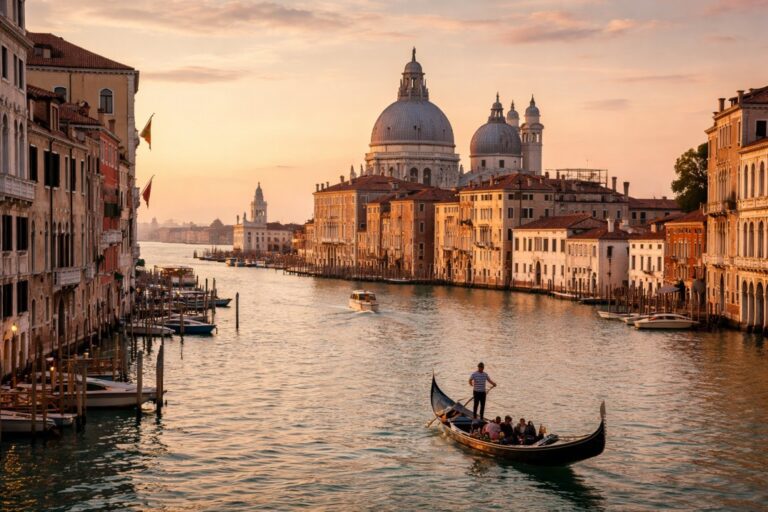
Venezia
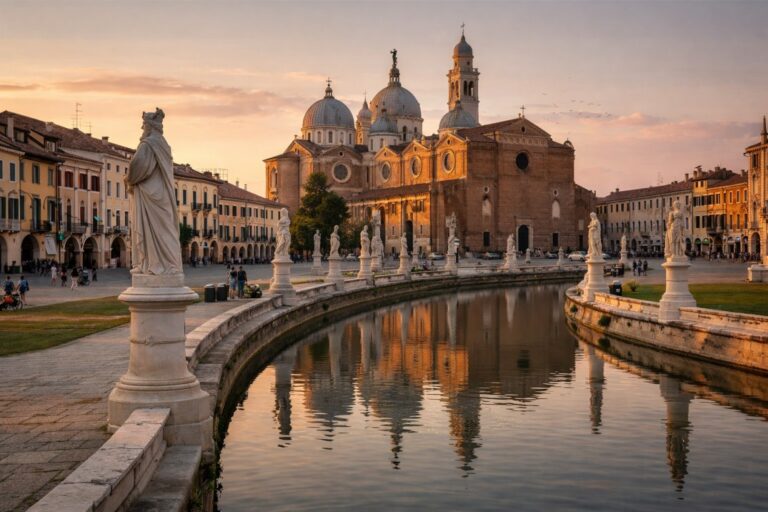
Padova
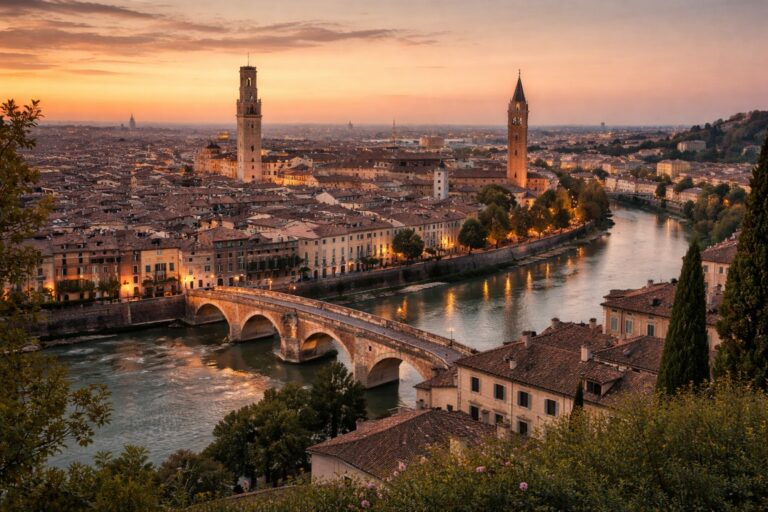
Verona
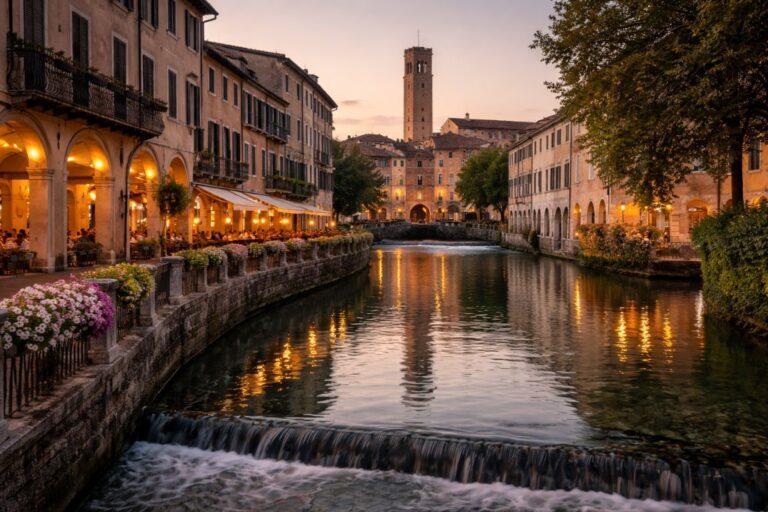
Treviso
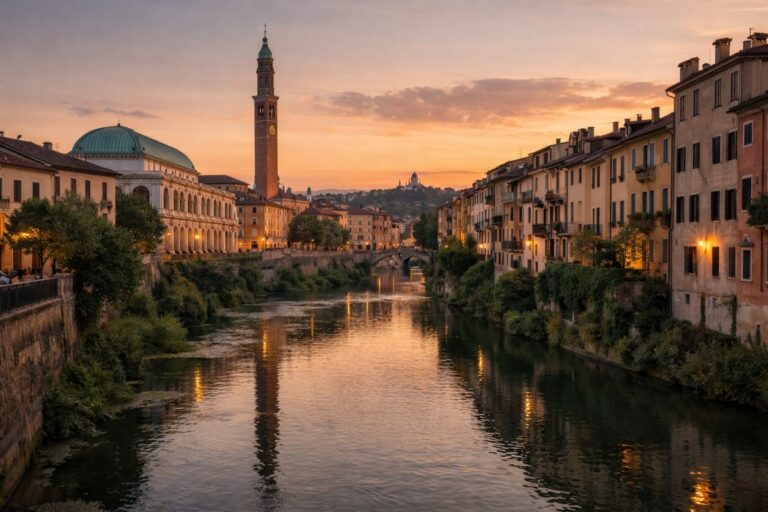
Vicenza
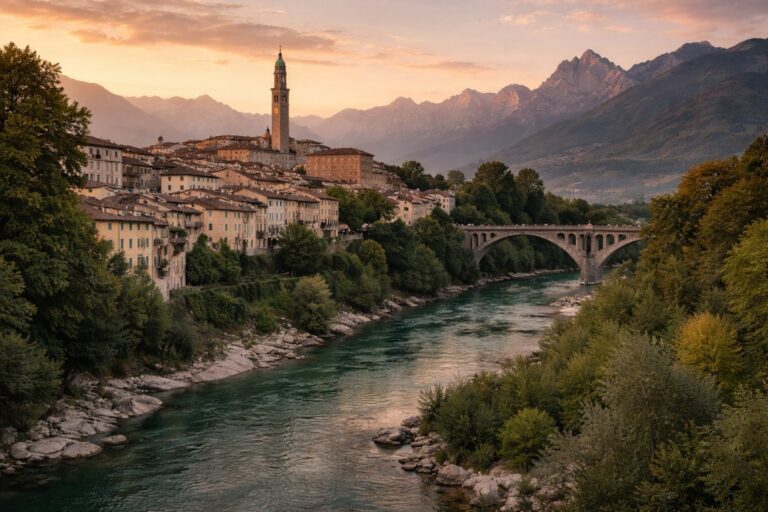
Belluno
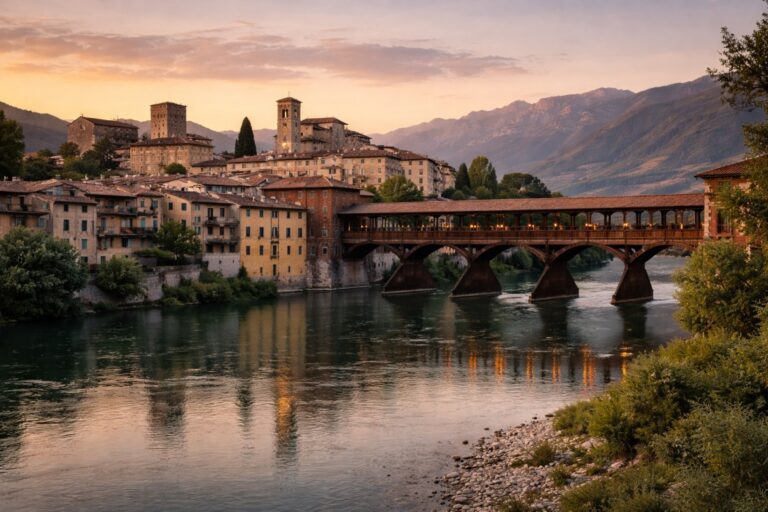
Bassano del Grappa
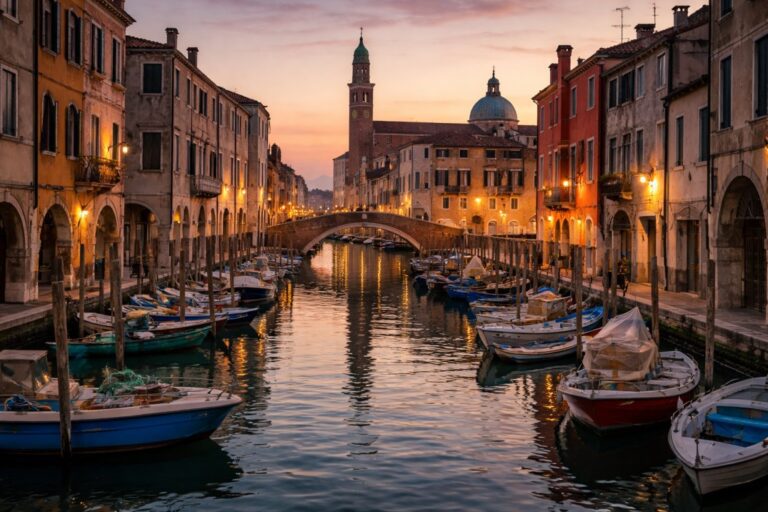
Chioggia
Distinct Territories within Veneto
Pedemontana Trevigiana & Prosecco Hills
Dolomiti Bellunesi & Cadore
Coliving Reality Check
Coliving in Veneto works when treated as a long-stay base rather than a romantic stop. Inland cities like Padova, Treviso, and Vicenza offer the stability most remote workers actually need.
It is a misfit if you rely on built-in social scenes or high-turnover international bubbles. Venice historic center, in particular, amplifies cost and constraint faster than community.
The watch-out is subtle: social access is earned through routine. Coworking and cafés exist, but integration comes from repetition and usefulness, not novelty.
Fit: Stable inland bases with services and rail spine
Misfit: Prestige zones if budget or space is tight
Social entry curve requires patience
If you’re scanning Northern Italy bases that work without hype, Veneto often sits quietly near the top — for the right profile.
Discover Coliving in Veneto
Explore Other Regions in Italy
See how other regions compare in lifestyle and pace.

FAQs
What’s the best base in Veneto for remote work without tourist pressure?
Padova is often the most balanced: universities, services, rail access, and a stable daily rhythm. Treviso and Vicenza feel even quieter and efficient, but you may rely more on routine and potentially a car outside the core.
Is living in Venice realistic for a long stay while working remotely?
It can be, but it’s constraint-heavy: housing cost, space limits, delivery friction, and crowd cycles shape your day. Many long-stay remote workers choose the mainland edge for practicality and visit Venice intentionally.
Do you need a car in Veneto?
If you stay on the Verona–Vicenza–Padova–Venezia corridor, trains and local transit are often enough. Outside that spine — especially in hills or mountain zones — a car quickly shifts from convenience to necessity.
How hard is it to build a social life in Veneto as a newcomer?
It’s indirect rather than closed. Social access usually comes through repeated routines — work, sport, language classes, and the same local places. Consistency earns familiarity; pushing intimacy too early can backfire.
What’s winter like in Veneto for long-stay living?
In the plains, winter is more damp and foggy than dramatically cold, affecting mood and mobility. In mountain areas, winter becomes logistical: road conditions, service availability, and daylight hours shape how social and mobile you can be.