
Living & Coliving in Sicilia
An island that behaves like a small country: multiple worlds, negotiated rules, and a life designed around heat, distance, and density.
Living in Sicilia means entering a system that runs on adaptation rather than efficiency. It is Italy’s most internally diverse region: east and west operate differently, cities behave unlike their interiors, and summer heat is not atmospheric — it reorganizes the day.
For remote workers, Sicilia offers real metropolitan anchors in Palermo and Catania, but with island-scale trade-offs that reward flexibility and punish rigidity.
Living in Sicilia for remote workers means adapting to heat, time-distance reality, and negotiated logistics. Palermo and Catania offer the strongest daily structure, while smaller zones reward self-sufficiency. The best setups combine a stable base, a dependable third place, and local relationships that reduce friction.
Unlike Calabria, Sicilia feels like several regions stitched together, not one coastline with a single rhythm.
Is Living in Sicilia for you?
Best For
- You want big-city options without mainland pace: Palermo/Catania energy with island priorities.
- You thrive in plural realities: coastal vs inland, east vs west, volcanic vs baroque.
- You accept negotiated normal: systems work, just rarely in straight lines.
Trade Offs
- Summer heat reshapes work stamina more than newcomers expect.
- Distances are measured in time and road logic, not kilometers.
- Institutional friction rewards relationships over procedures.
Seasonality
- Best: October–November + March–May (workable days, calmer logistics)
- Summers: Long, bright, physically intense; midday contraction is functional
- Winters: Coastal livable; inland quieter, socially thinner
Sun-saturated · Negotiated · Multi-centered · Slow-bureaucratic
Living in Sicilia: Daily Life & Lifestyle
Sicilia doesn’t run on Italian routine so much as thermal strategy. Living in Sicilia means building your day around friction avoidance: heat, traffic, lines, and the moment when everything stalls. Decisions are quietly optimized — when to shop, when to move, when to meet, when to stop.
The island’s real divider is density vs dispersion. In Palermo or Catania, you can build repeating anchors: the same bar, the same market route, the same evening circuit. Outside metro zones, life becomes conditional: who remains in winter, which services actually function, whether silence feels restorative or empty.
And socially, invitations don’t arrive as “events.” They arrive as proximity: you’re already in the right place, at the right hour, with the right people, so the evening extends. If you wait for formal planning, you’ll feel excluded. If you show up consistently, Sicilia starts treating you as part of the scene—quietly, without speeches.
Remote Work Reality
Connectivity varies by micro-area. Cities and main coastal belts are generally reliable; inland zones and islands can be fragile or oversubscribed.
Heat resilience matters. Deep work is easier early; summer afternoons require structural adaptation. This is constraint management, not productivity failure.
Mix spaces intentionally. Home for focus. A dependable coworking or third place for stability and social redundancy.
If you require frictionless logistics and predictable admin outcomes, Sicilia can exhaust you faster than mainland regions like Campania or parts of Central Italy.
Micro-area connectivity
Heat-managed productivity
Time-distance reality
Need a reliable workspace during your stay?
For longer stays, cafés and apartment Wi-Fi are not always enough. Italy Coliving readers can access a partner workspace offer with 10% off coworking, day offices, meeting rooms, business lounges, and virtual office services.
Partner link. Italy Coliving may earn from qualifying enquiries.
Remote work in Sicilia succeeds when you design around constraints rather than expecting them to disappear.
Food & Culture
In Sicilia, food isn’t just “good”—it’s how social hierarchy stays soft. People can disagree, compete, or negotiate all week, and still converge around the same edible rituals without needing emotional transparency. The table is where things become normal again.
The island also behaves like a set of overlapping kitchens. Western Sicily leans toward couscous, tuna, and port-city pragmatism; the southeast holds onto vegetable-forward discipline and baroque pastry codes; the east carries a louder street-food + volcanic-produce identity. If you think “Sicilian food” is one thing, you’ll miss how the island signals belonging through which staples you treat as obvious.
Iconic food you’ll encounter in Sicilia
Nature & Weekend Escapes
In Sicilia, nature is not just backdrop—it’s a system that changes what “nearby” means. Volcano, wind, and water decide the weekend more than your wish list. You’ll learn to plan around exposure (sun), altitude (coolth), and the simple fact that a “short” trip can still cost energy.
The island’s landscapes also mirror its social split: the coast is outward-facing and busy; the interior is quieter, more private, and sometimes structurally absent (fewer services, fewer people, fewer second chances). For remote workers, that creates a sharp choice: stimulus and convenience vs space and silence.
Within easy reach when living in Sicilia:
Etna belt: altitude as climate regulator, with officially monitored volcanic microclimates
Trapani & Egadi marine area: wind-shaped western coastline under marine reserve protection
Val di Noto: UNESCO-recognized baroque system across southeast Sicilia
Isole Eolie: active volcanic archipelago designated as UNESCO natural heritage
Living in Sicilia rewards people who treat weekends as climate management, not entertainment scheduling.
Places in Sicilia
Distinct Territories within Sicilia
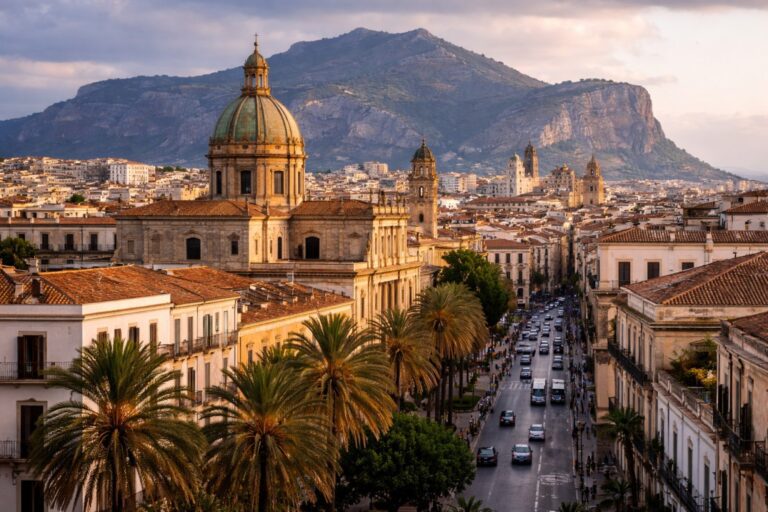
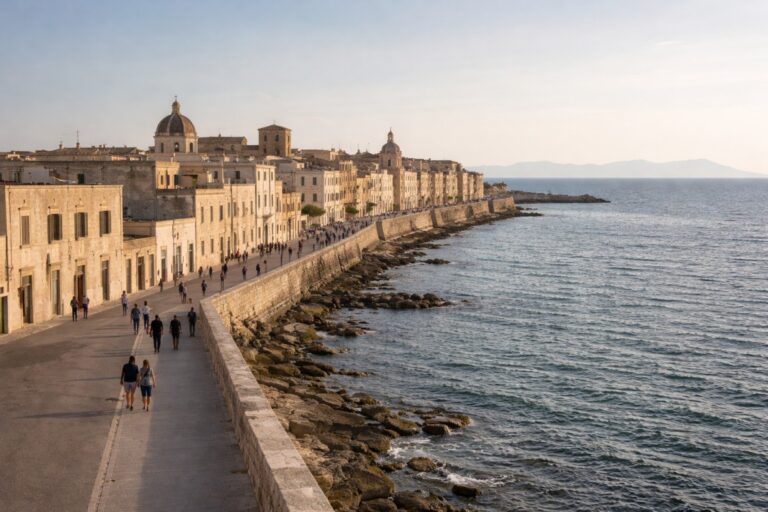
Palermo & Conca d’Oro
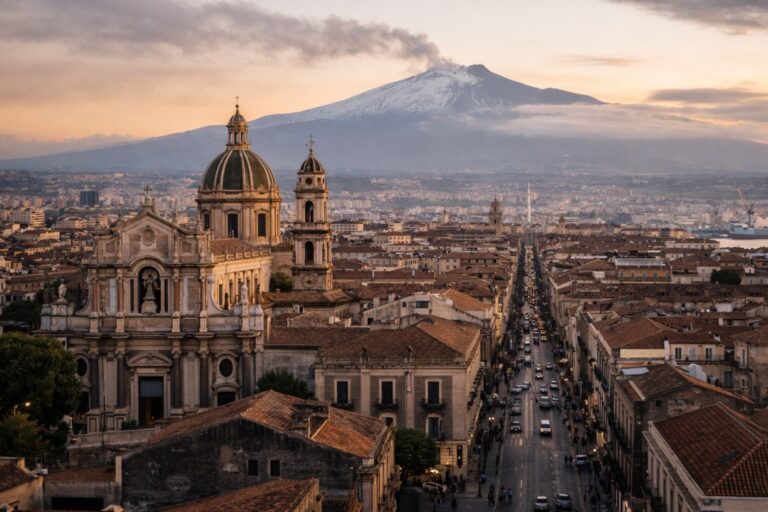
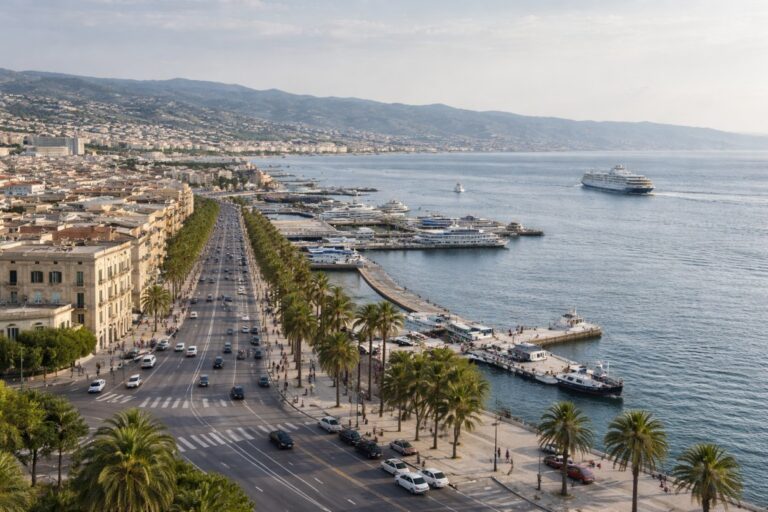
Catania & the Etna belt
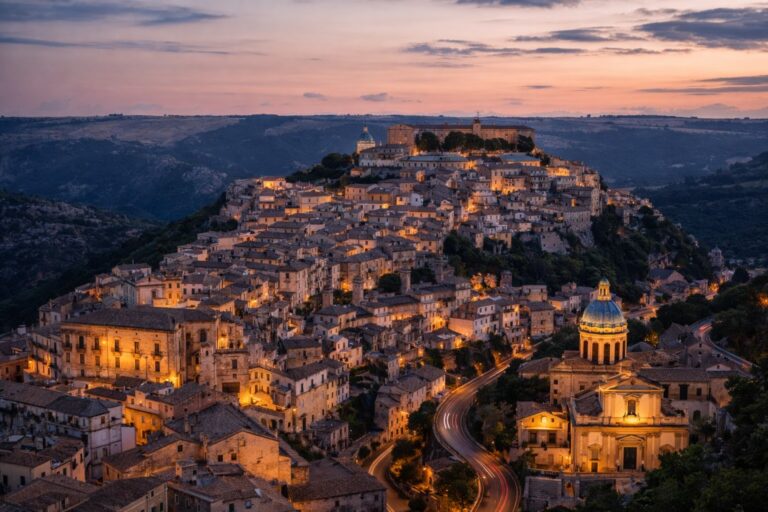
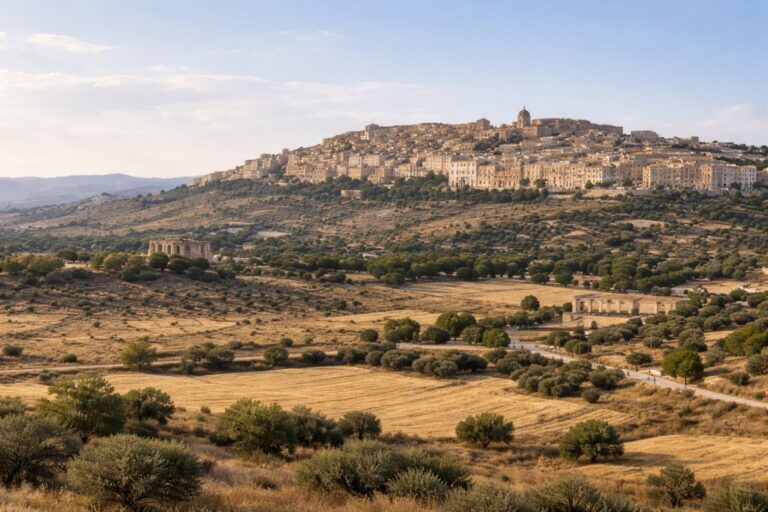
Val di Noto
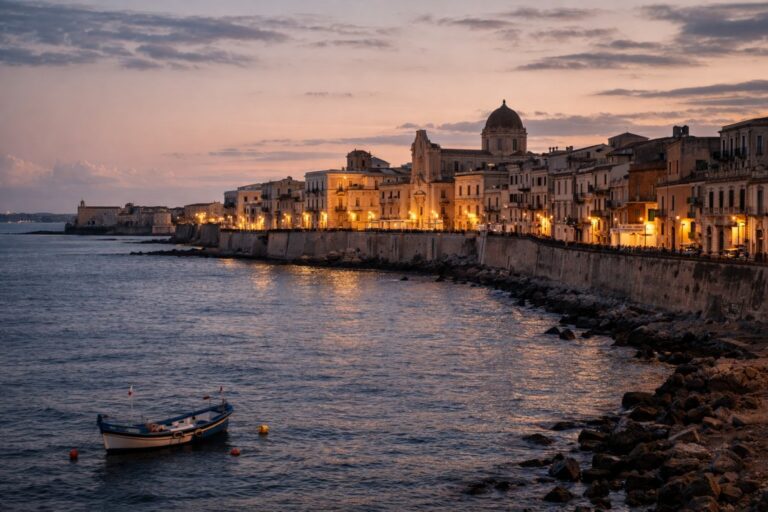
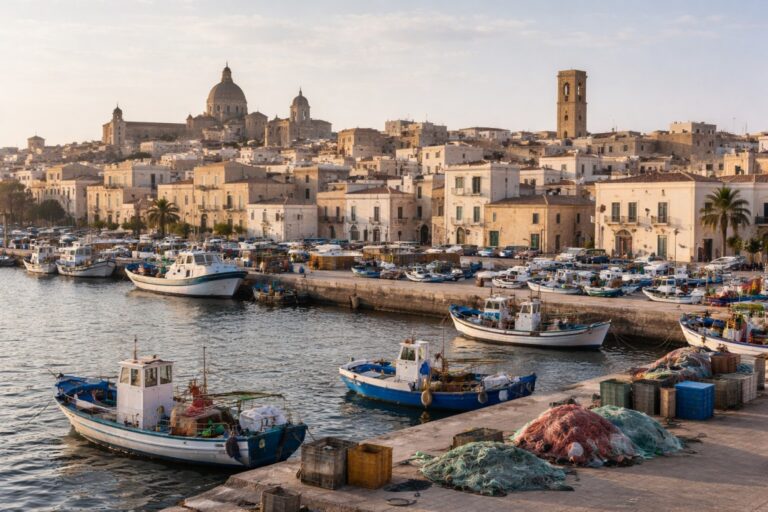
Eolie
Coliving Reality Check
Sicilia works best for remote workers who are comfortable building small, fast networks. If you can introduce yourself, return to the same places repeatedly, and treat relationships as infrastructure rather than decoration, the island stabilizes quickly. Micro-area choice matters more than apartment quality.
It becomes difficult for those who expect procedural reliability to function without mediation. Repairs, deliveries, and administrative steps may technically exist in a system, but in practice they often move through people. If your baseline expectation is frictionless process, living in Sicilia can feel unnecessarily draining.
The real destabilizer is summer + uneven supply. Heat compresses working hours, services thin out in some zones, and poorly chosen bases expose logistical weaknesses quickly. What feels charming in April can become structurally fragile in August.
Fit: Remote workers who accept negotiation and build small networks quickly.
Misfit: Those requiring procedural reliability without human mediation.
Summer heat + uneven supply can destabilize poorly chosen bases.
Coliving in Sicilia works when you choose micro-area carefully and treat networks as core infrastructure.
Discover Coliving in Sicilia
Dedicated Workspace
Casa D’Aria
Dedicated Workspace
Floripa
Dedicated Workspace
Domus Nomadi
Shared Workspace
Casa Verdi
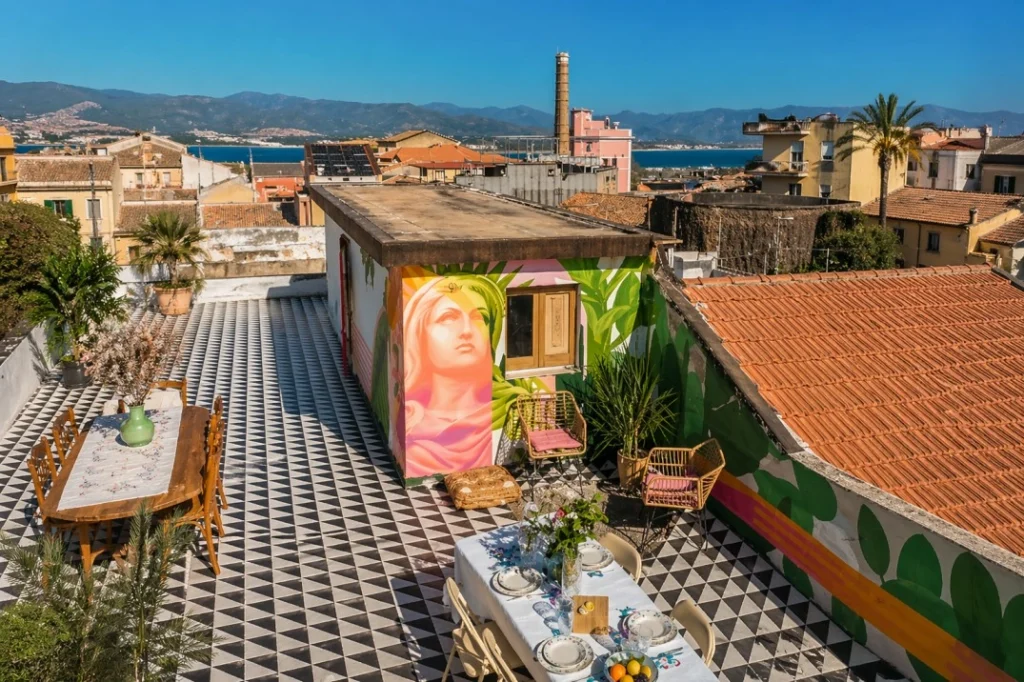
Dedicated Workspace
Cummari
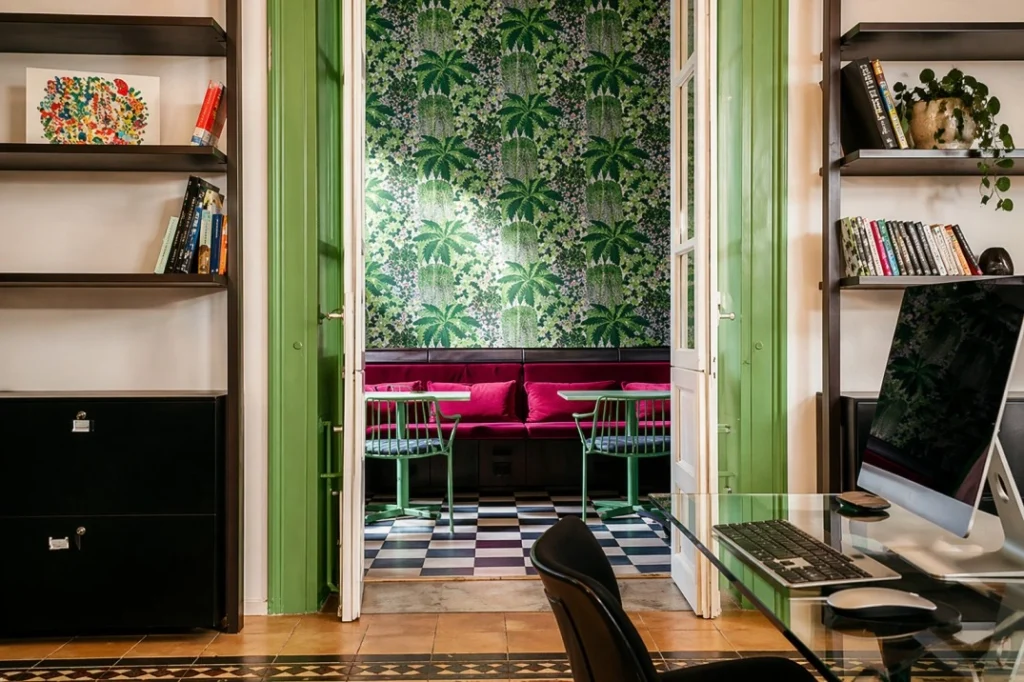
Dedicated Workspace
Beet Agrigento
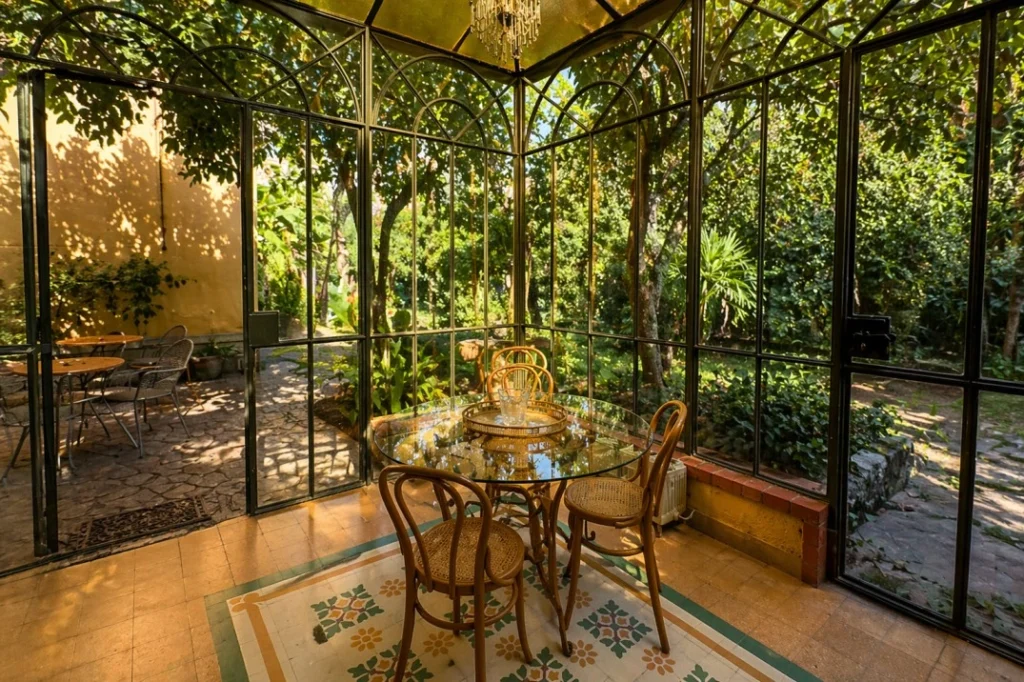
Shared Workspace
Beet Garden
Explore Other Regions in Italy
See how other regions compare in lifestyle and pace.
FAQs
Is Sicilia a good place for digital nomads long term?
Yes—if you pick a strong base (often Palermo or Catania) and validate connectivity by neighborhood. Sicily rewards people who can adapt hours to heat and solve logistics through relationships rather than expecting procedures to work cleanly.
Where are the best places to live in Sicilia for remote work?
For reliability and options: Palermo and Catania. For calmer, more legible small-city life: parts of the Val di Noto area, with the caveat that coworking variety and winter social density can be thinner.
How bad is the summer heat in Sicilia for working?
It’s impactful. Many people shift deep work earlier and protect afternoons. If your productivity depends on constant daytime energy, plan for heat management: shade, airflow, and routines that reduce errands and exposure.
Is coworking easy to find in Sicilia?
In the main cities, it’s usually available; outside them, it becomes patchy and seasonal. Many long-stay remote workers mix coworking with reliable “third places” like specific bars or libraries for consistency.
What’s the biggest hidden friction for newcomers in Sicilia?
Assuming information equals reality. Open hours, appointments, repairs, and admin processes often require human confirmation. The fastest way to stabilize life is building a small network of trusted locals and repeatable routines.