
Living & Coliving in Sardegna
Space, silence, and nature-first living — for those seeking depth, simplicity, and a slower sense of time.
Living and working remotely in Sardegna means choosing an island rhythm: planned weeks, car-led routines, and strong seasonality. Cagliari and major towns are the most reliable for services and connectivity. Outside them, the payoff is focus and space—if you’re comfortable with fewer fallback options.
If Lazio is institutional gravity, Sardegna is wind, edge, and deliberate distance.
Is Living in Sardegna for you?
Best For
- People who want island distance as a feature: fewer defaults, fewer interruptions, more intentional weeks
- Remote workers who can drive, plan supplies, and treat movement as a decision
- Anyone drawn to two lives in one region: coastal sociability when it’s on, interior quiet when it’s not
Trade Offs
- Logistics tax: shipping delays, limited last-minute options, and “tomorrow” becoming “next week”
- Social integration can feel local-first, especially away from Cagliari, Olbia, or Alghero
- Summer brings price pressure and traffic in coastal zones; winter can feel stark fast
Seasonality
- Best: May–June and September–October: open services, breathable pace, real daily life
- Summers: coastal compression; you adapt hours, routes, and expectations
- Winters: quiet and sometimes empty; high focus if you tolerate fewer outlets
Quiet · Grounded · Independent · Nature-Led
Living in Sardegna: Daily Life & Lifestyle
Sardegna operates as an island system, not a decorative extension of mainland Italy. If you’re choosing between Islands and the mainland, this is where the difference becomes concrete: distance alters habit. Improvisation becomes expensive in time and coordination, so weeks are built with intention rather than assumption.
Social life runs on repetition more than discovery. A social code cue: the same bar at the same hour, the same Saturday market, the same gym window. In Cagliari and parts of Alghero or Olbia, mixed crowds make entry easier. Inland, familiarity precedes belonging; trust accumulates quietly.
The coast and interior create two emotional climates. In summer, shoreline towns feel amplified — languages mix, prices shift, tempo accelerates. In winter, that stage recedes and interior logic dominates: earlier closures, darker evenings, fewer third places. Success in living in Sardegna long term usually hinges on one question: can you value the island when the coast stops performing?
Remote Work Reality
Remote work in Sardegna is viable, but location selection matters more than aesthetics.
In Cagliari and other major towns, connectivity is stable and services are predictable. Outside them, you choose neighborhoods like you choose providers — ask first, assume nothing. Building a stable base in Cagliari remains the safest configuration for most remote workers.
Island logistics shape professional reliability. Device repairs, replacements, or coworking alternatives are fewer; shipping timelines stretch. If your work depends on rapid hardware turnaround, redundancy becomes strategy.
The strongest setup is intentionally boring: fixed home base, car access, backup SIM, and at least one secondary workspace. Without that structure, friction compounds quietly. If you need bigger-city redundancy, consider Sicilia if you want a bigger-city island rhythm.
Connectivity is stable in main towns — variable elsewhere.
Mobility is infrastructure, not convenience.
Repairs and replacements require patience and backups.
Need a reliable workspace during your stay?
For longer stays, cafés and apartment Wi-Fi are not always enough. Italy Coliving readers can access a partner workspace offer with 10% off coworking, day offices, meeting rooms, business lounges, and virtual office services.
Partner link. Italy Coliving may earn from qualifying enquiries.
Sardegna rewards remote workers who engineer stability in advance rather than react to disruption.
Food & Culture
Food in Sardegna is deeply tied to land, seasonality, and pastoral traditions. It is less about variety and more about continuity.
Food in Sardegna reveals preservation logic more than novelty. Meals often revolve around reliability: pane carasau, pecorino, cured meats, familiar preparations repeated without apology. Sunday gatherings still anchor many communities, especially inland, where hospitality feels measured and earned rather than performative.
Even coastal towns defer culturally to the interior. Pastoral time, sheep economies, and bread systems carry authority. Restaurants matter, but home tables remain central in many areas. The seriousness of this food culture mirrors the island’s broader temperament: durable, seasonal, and quietly proud.
For many colivers, Sardegna offers the most grounded and elemental food culture in Italy.
Iconic food you’ll encounter in Sardegna
Nature & Weekend Escapes
Nature is not an escape in Sardegna — it is the backdrop of everyday life.
Nature is not something you leave town for in Sardegna — it frames daily life.
Wild coastlines, clear seas, inland plateaus, and mountain interiors sit close to where people live, shaping routines rather than punctuating them. The landscape feels expansive and lightly touched, with fewer visual interruptions and minimal development. Distances are modest in kilometers but real in effort.
The interior offers a different reset: forests, plateaus, and villages where tempo slows decisively. In shoulder seasons, this becomes a powerful asset for remote workers: strong outdoor contrast without tourist theater.
Within easy reach from Sardegna:
Golfo di Orosei — dramatic coves requiring early timing
Gennargentu mountains — interior hikes and weather shifts
Cabras lagoon — wide skies and wind-led landscapes
Costa Verde — exposed beaches with fewer services
In Sardegna, escape is earned — and that effort is part of its clarity.
Cities in Sardegna
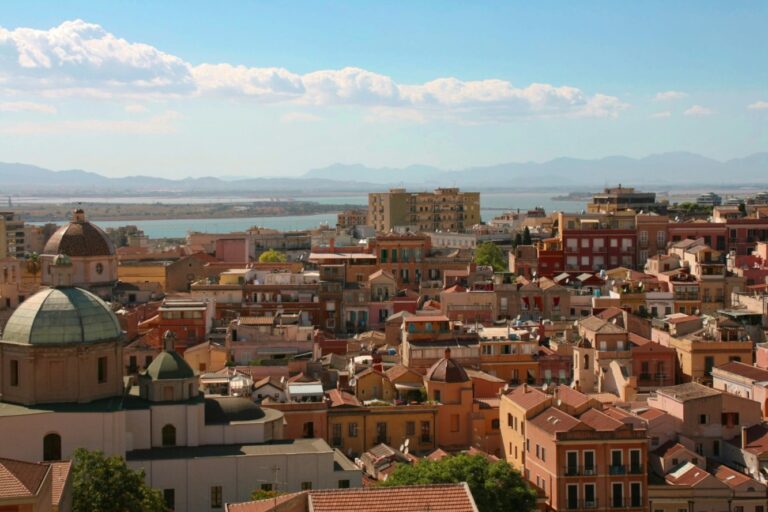
Cagliari
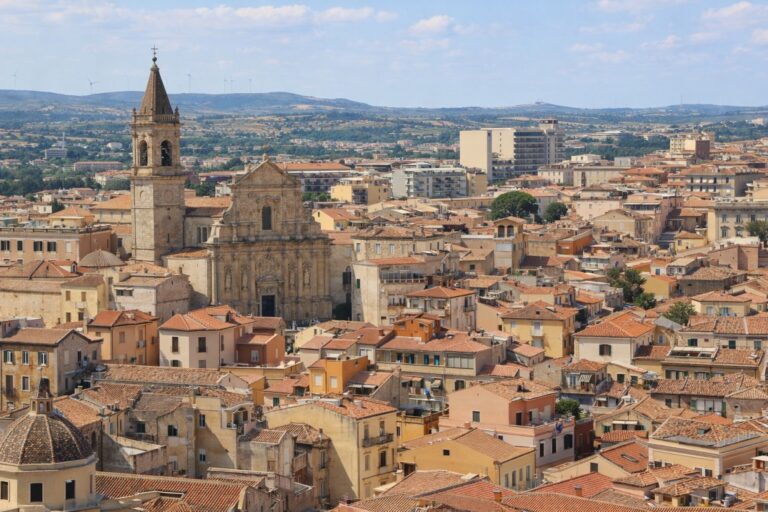
Sassari
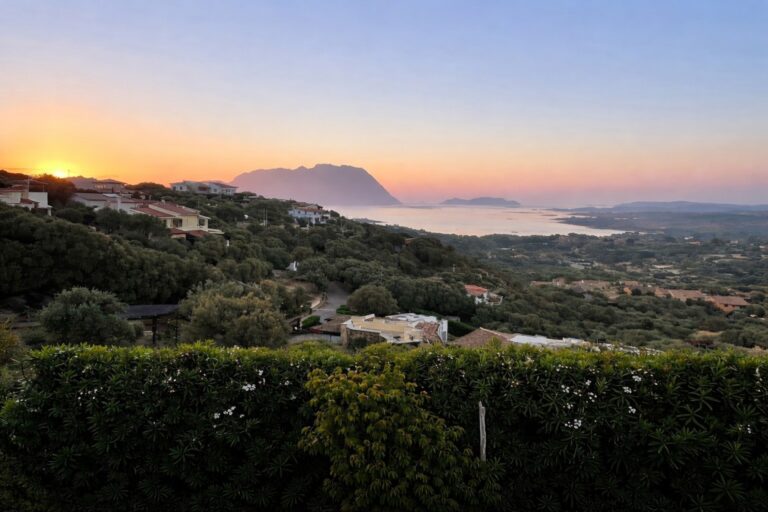
Olbia
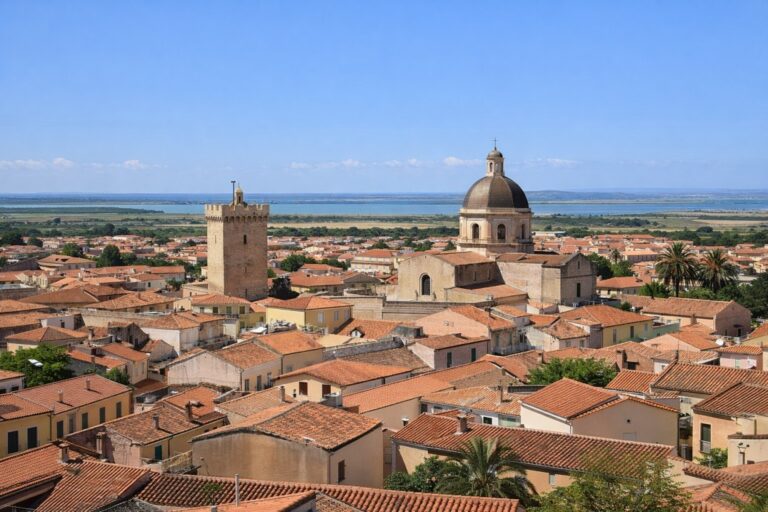
Oristano
Coliving Reality Check
Sardegna suits people who treat isolation as a deliberate tool rather than a social deficit. If you can engineer your own stability — fixed base, predictable routines, intentional social contact — the island’s stillness becomes productive rather than limiting.
It is not ideal for those who depend on dense coworking ecosystems, spontaneous networking, or frequent mainland access. When your work or energy relies on constant external stimulation, Sardegna’s reduced fallback options slowly become friction.
Seasonality alters social texture more than newcomers expect. Coastal areas amplify in summer and contract sharply in winter; inland towns remain steady but quiet. Choosing your base is less about scenery and more about which version of the island you are prepared to live inside.
Fit: Sardegna fits people who treat isolation as a tool and can engineer their own stability.
Misfit: If you depend on dense coworking networks, spontaneous meetups, or fast mainland access, friction accumulates.
Seasonality changes social texture dramatically; choose your base deliberately.
Sardegna can be a powerful long-stay reset — but only if you bring structure with you.
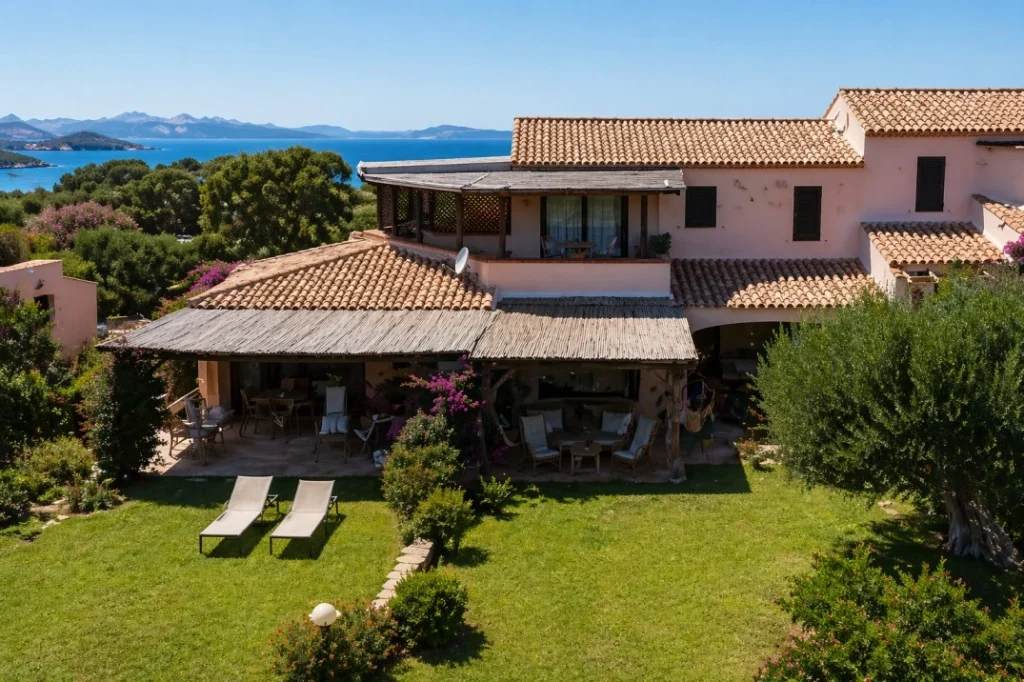
Discover Coliving in Sardegna
Shared Workspace
As We Flow
Explore Other Regions in Italy
See how other regions compare in lifestyle and pace.
FAQs
Is Sardegna practical for a 1–3 month stay while working remotely?
Yes — especially if you base in Cagliari or another major town and plan mobility. Outside larger centers, services vary more. A stable home setup, backup SIM, and realistic expectations around shipping are essential.
Where are the best long-stay bases in Sardegna for remote workers?
Cagliari is the safest configuration. Olbia and Gallura work well for gateway logistics. Alghero offers livability with a distinct social texture. Oristano provides steadier routines with fewer seasonal spikes.
Is coworking common in Sardegna?
It exists but is concentrated in larger towns. Many remote workers adopt hybrid setups: home base, café circuits, and occasional coworking for structure rather than daily dependence.
What is the biggest hidden challenge of living in Sardegna long term?
Logistics. Repairs, replacements, and admin take longer than mainland norms. If your work depends on speed, bring redundancy and patience.
Is Sardegna livable in winter?
Yes — but coastal areas quiet significantly. Seasonal closures reduce social availability. The upside is focus, calmer roads, and an island that feels local-first rather than visitor-driven.