Italy is not one lifestyle. It’s a spectrum.
A country of local systems, structured rhythms, and region-specific trade-offs that shape how long-term life actually works.
Italy is not one lifestyle. It is a spectrum of lived systems.
Living in Italy long term is less about choosing beauty, food, or atmosphere, and more about understanding how routines, institutions, and regional habits shape your days. Italy operates locally. Municipalities and regions determine how quickly things move, how neighbors relate, and how predictable your work blocks feel.
Living in Italy means adapting to structured daily rhythms, localized decision-making, and strong regional differences. Your experience depends less on “Italy” as a brand and more on where you land: density, seasonality, bureaucracy, and social codes shape how productive—and how integrated—you feel.
Italy rewards alignment with place-specific systems, not attachment to a national myth.
Is Living in Italy for you?
Best For
- People who prefer structured days over spontaneous flux
- Those comfortable navigating slow institutional processes
- Remote workers who value embedded daily rituals over constant novelty
Trade Offs
- Administrative friction is real and varies by place
- Summer heat or winter damp can materially affect productivity
- Social integration happens gradually, not instantly
Seasonality
- Best: Spring and autumn offer the most balanced daily rhythm—temperate weather, steady routines, manageable crowd levels.
- Summers: Coastal and historic centers compress under heat and visitor pressure; daily schedules shift later.
- Winters: Inland areas can feel quiet and damp; heating quality and daylight hours become practical concerns.
Structured · Localized · Season-sensitive · Relationship-driven
The Italy System
Living in Italy means entering a publicly structured day. Mornings are functional: schools open, deliveries move, cafés operate at speed. Midday compresses in many places, particularly outside major cities. Evenings reopen social space. If you schedule calls across time zones, you feel these shifts immediately.
Local gravity outweighs national narrative. Permits, residency registration, and practical decisions are often shaped by municipal interpretation. Two towns within the same region can feel administratively different. Understanding where authority sits—Comune, Regione, national office—changes how efficiently you move.
Density and dispersion coexist. In compact historic centers, daily needs sit within walking distance: grocery, pharmacy, bar, post office. Move outward, and the car becomes essential. For remote work in Italy, housing choice determines whether your life feels integrated or logistically fragmented.
Relationships form through repetition. You see the same barista, the same neighbor, the same shopkeeper. Recognition precedes familiarity. For long-term living in Italy, this predictability becomes either stabilizing or constraining—depending on what you are leaving behind.
Remote Work Reality
Remote work in Italy functions well—but not uniformly.
Infrastructure is generally stable in cities and many towns, yet building-level variation matters. Fiber on the street does not guarantee reliability in a renovated stone apartment with thick walls. Micro-location is decisive.
Daily rhythm affects availability. Local services do not operate on startup time. Banks, technicians, and public offices follow structured windows. If your workflow depends on immediate responses, you must adapt your planning blocks accordingly.
Administrative tasks require sequencing. Contracts, residency registration, utilities, and tax positioning can take longer than expected—especially without language familiarity. Persistence and preparation matter more than urgency.
Italy for remote workers rewards alignment. Those who treat housing, routine, and work cadence as one integrated system tend to stabilize quickly.
Reliable internet depends on micro-location, not just city reputation.
Public rhythm shapes when problems can realistically be solved.
Administrative progress depends on sequence and follow-up.
Remote work in Italy succeeds when expectations align with structured local systems.
Cost Structure & Housing Reality
Costs in Italy behave regionally, not nationally. Northern urban centers tend toward higher rents and stronger year-round demand; parts of the south and interior offer lower rent but thinner job ecosystems and seasonal variability.
Housing stock shapes experience. Older buildings may mean charm alongside heating inefficiency or summer heat retention. Contracts (often 3+2 or 4+4 structures), deposits, and registration through the Agenzia delle Entrate require attention. Your cost structure is as much about building quality and season as about geography.
Four Different "Italies"
Italy divides into systems more than scenery. The north, center, south, and islands operate with different balances of density, seasonality, and institutional tempo. Choosing well means choosing the version of Italy that matches your working style.
Structured, industrially anchored, and institutionally consistent.
Expect higher rent stability and more formal professional environments.
Best For:
Those prioritizing efficiency, connectivity, and year-round predictability.
Trade-Off:
Higher costs and a faster pace.
Balanced between heritage density and administrative gravity.
Public life concentrates in historic centers rather than suburban spread.
Best For:
Those seeking walkable culture with functional infrastructure.
Trade-Off:
Tourism pressure in peak seasons.
Relational, slower-moving, and more seasonally exposed.
Informal negotiation plays a larger role in everyday problem-solving.
Best For:
Those comfortable trading institutional speed for lower costs and strong local texture.
Trade-Off:
Greater variability in services and job ecosystems.
Maritime, spatially open, and logistically distinct from the mainland.
Transport dependency becomes part of weekly planning.
Best For:
Those wanting distance from mainland intensity.
Trade-Off:
Transport dependency and seasonal swings.
How to Choose
Choosing Italy is less about preference and more about tolerance.
If you prioritize infrastructure density and predictable services, you will likely lean north. If you want walkable cultural concentration without full metropolitan intensity, the center fits. If cost flexibility and relational pace matter more than speed, the south may align. If separation from mainland tempo feels essential, Sardegna becomes coherent.
Ask yourself where friction feels acceptable: in rent, in bureaucracy, in seasonality, or in logistics. The answer often clarifies your macro-area immediately.
The friction you tolerate best usually determines the version of Italy that will feel sustainable.
Prioritize connectivity → lean north
Prioritize cultural walkability → lean center
Prioritize cost flexibility → lean south
Prioritize distance and maritime exposure → consider Sardegna
Coliving Reality Check
Coliving works best in Italy when it functions as an onboarding layer into normal housing logic—contracts, registrations, and the local daily rhythm you’re actually joining. The value is not constant social programming; it’s reduced friction in the first weeks, when getting set up (and staying productive) is hardest.
If you want an insulated “nomad bubble” with high-frequency events and minimal contact with local systems, Italy can feel frustrating. Most operators still sit inside Italian norms—neighbors, noise rules, building culture, and slower-moving problem resolution—so the experience rewards adaptation more than consumption.
Seasonality changes the practical product. In coastal and small markets, availability and pricing can swing sharply, and the same space can feel different depending on who’s passing through. Contract flexibility, check-in logistics, and admin support vary widely by operator and region—assume inconsistency until proven otherwise.
Fit: If you want structured onboarding into housing, paperwork, and local rhythm.
Misfit: If you expect a constant-programming “nomad bubble.”
Seasonality and operator variability can change the experience materially.
Coliving works best when used as a bridge into the Italian system—not an escape from it.
Discover Coliving in Italy
Dedicated Workspace
Casa D’Aria

Dedicated Workspace
Floripa
Dedicated Workspace
Domus Nomadi
Dedicated Workspace
Lomi Galimberti
Dedicated Workspace
Lomi Siccardi
Dedicated Workspace
Lomi Lorenzo
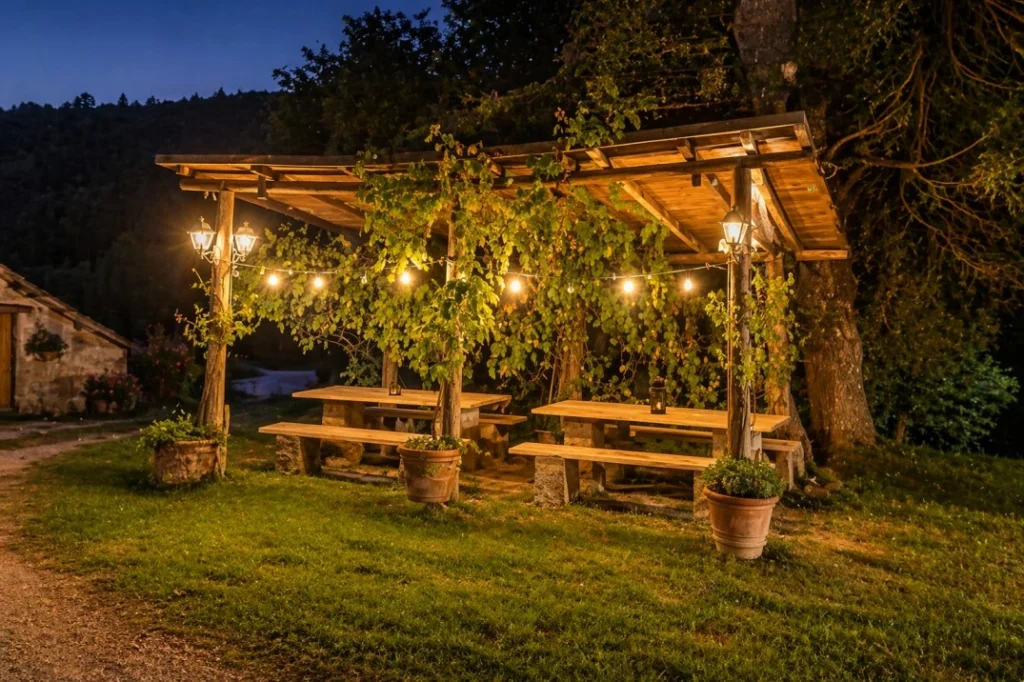
Dedicated Workspace
Tuscany Time
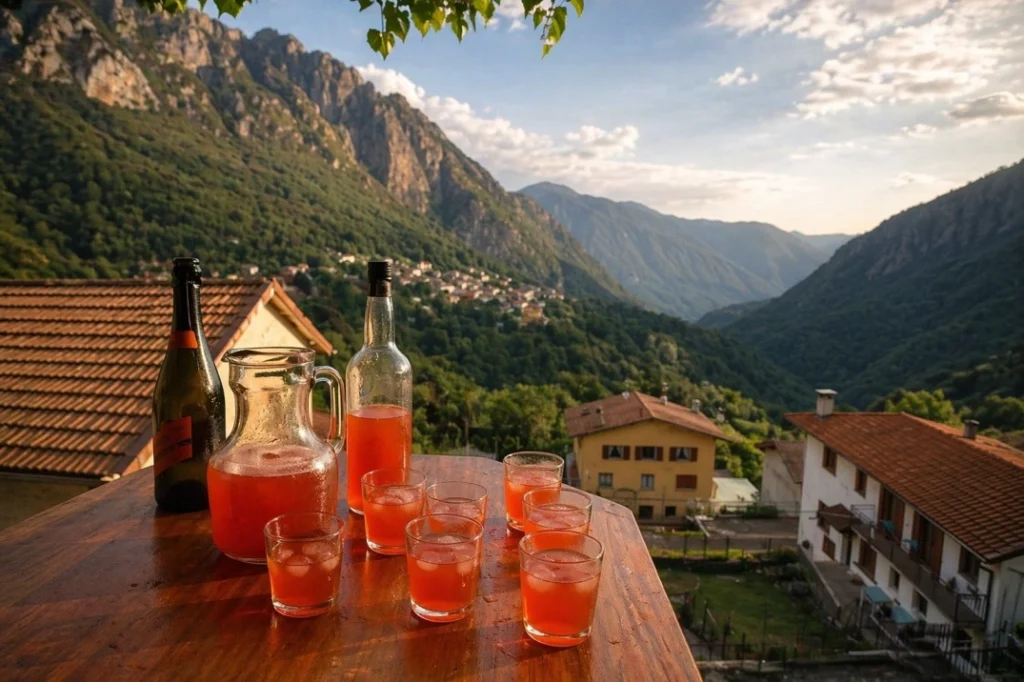
Shared Workspace
Casa della Rosa
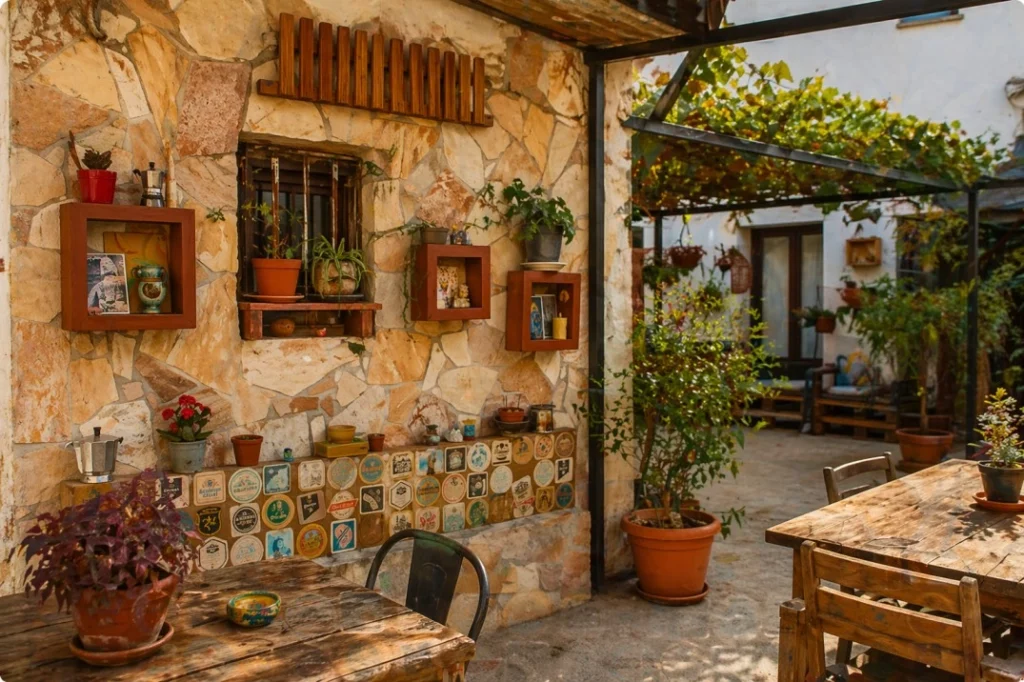
Shared Workspace
Casa Verdi
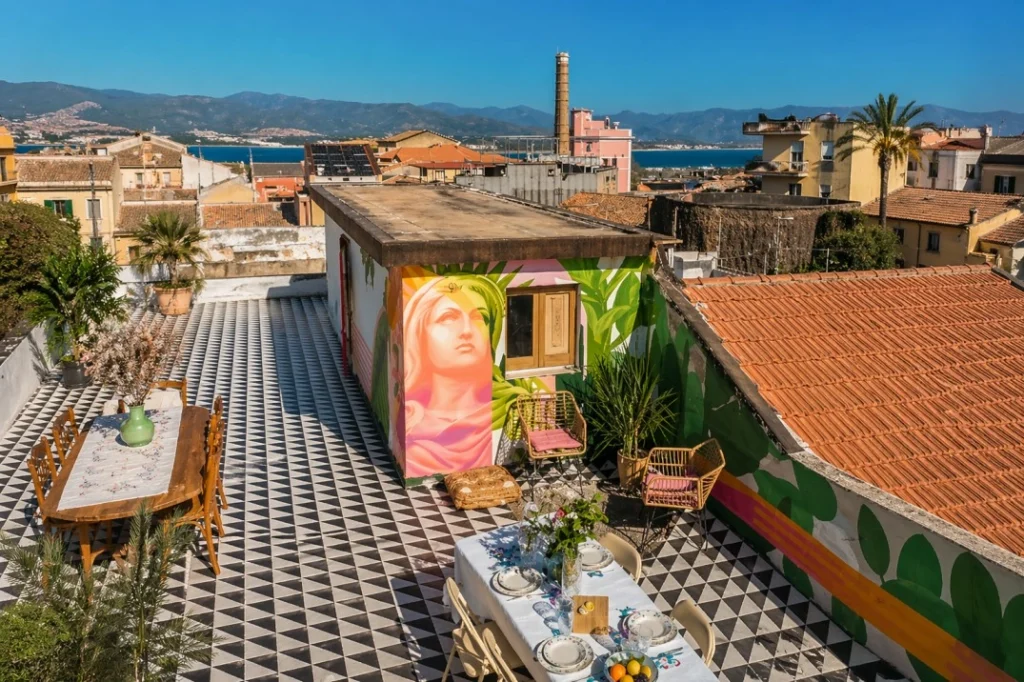
Dedicated Workspace
Cummari
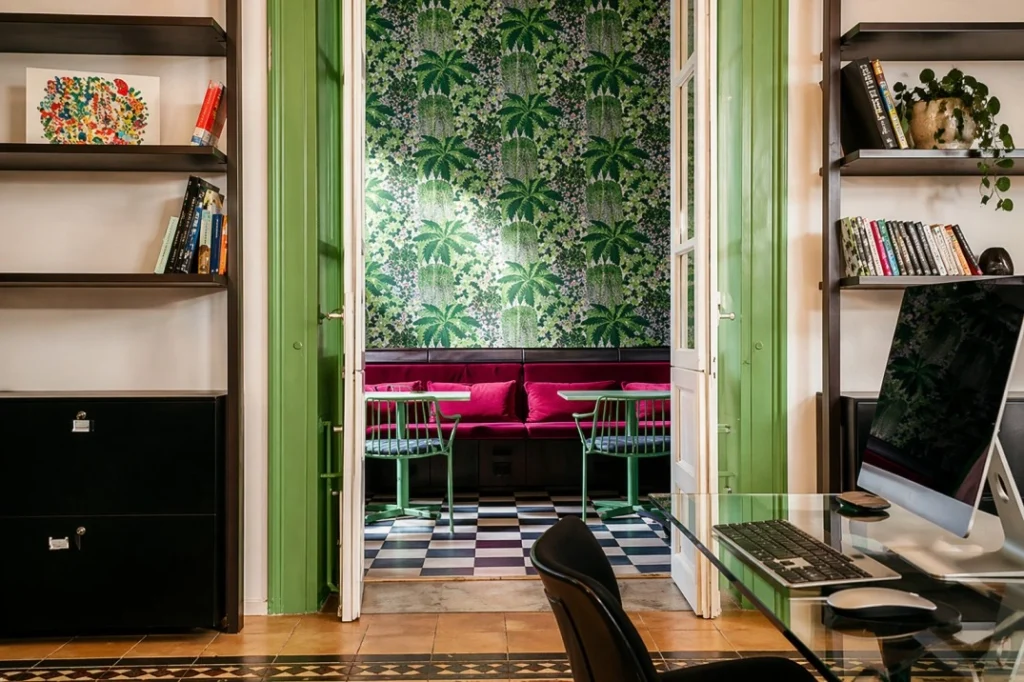
Dedicated Workspace
Beet Agrigento
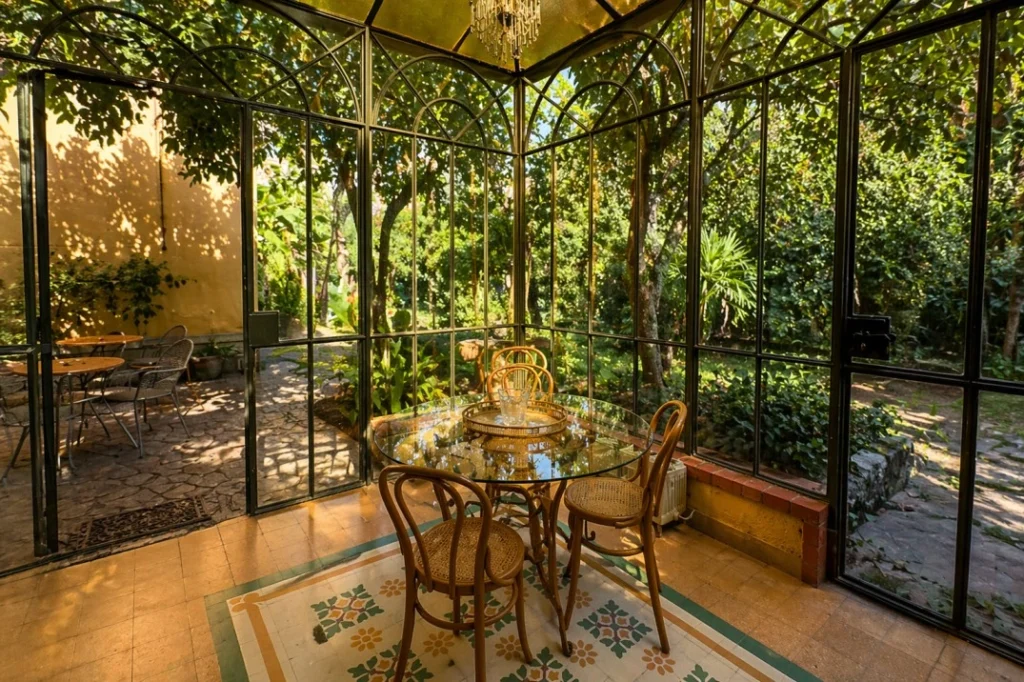
Shared Workspace
Beet Garden
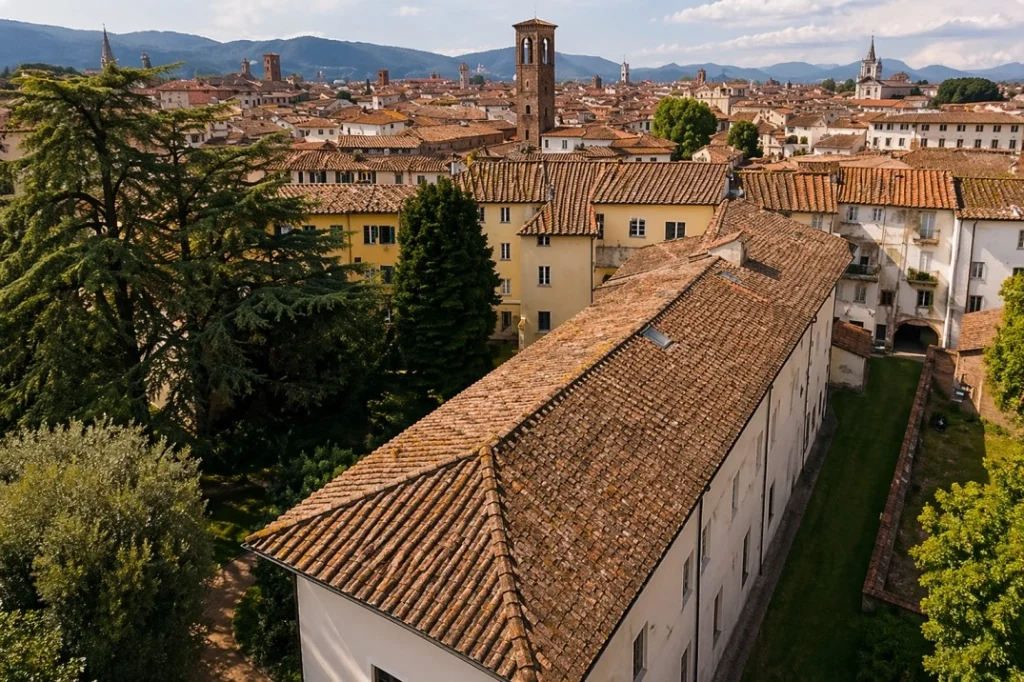
Dedicated Workspace
CONvictUS
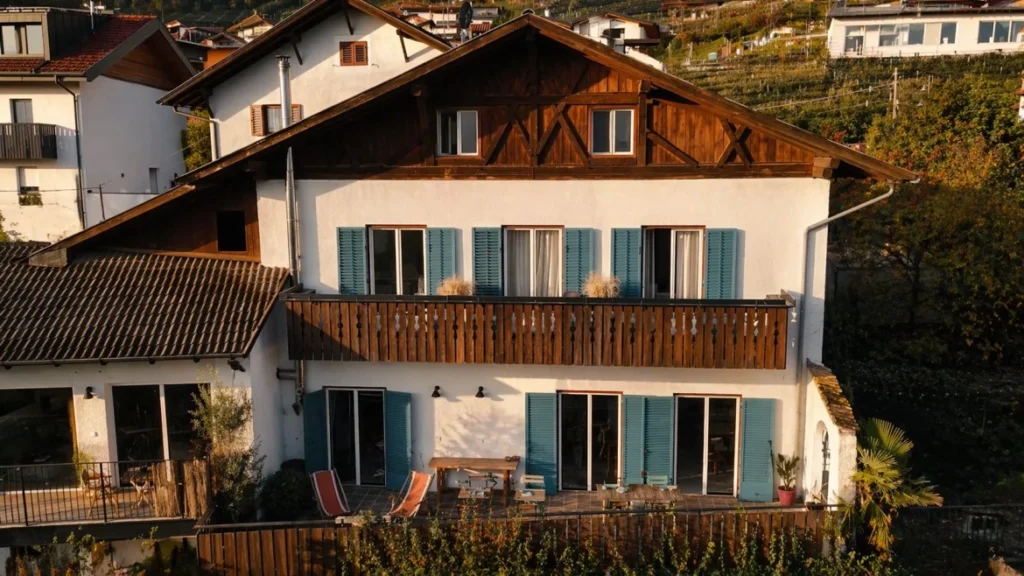
Dedicated Workspace
Franz&Mathilde
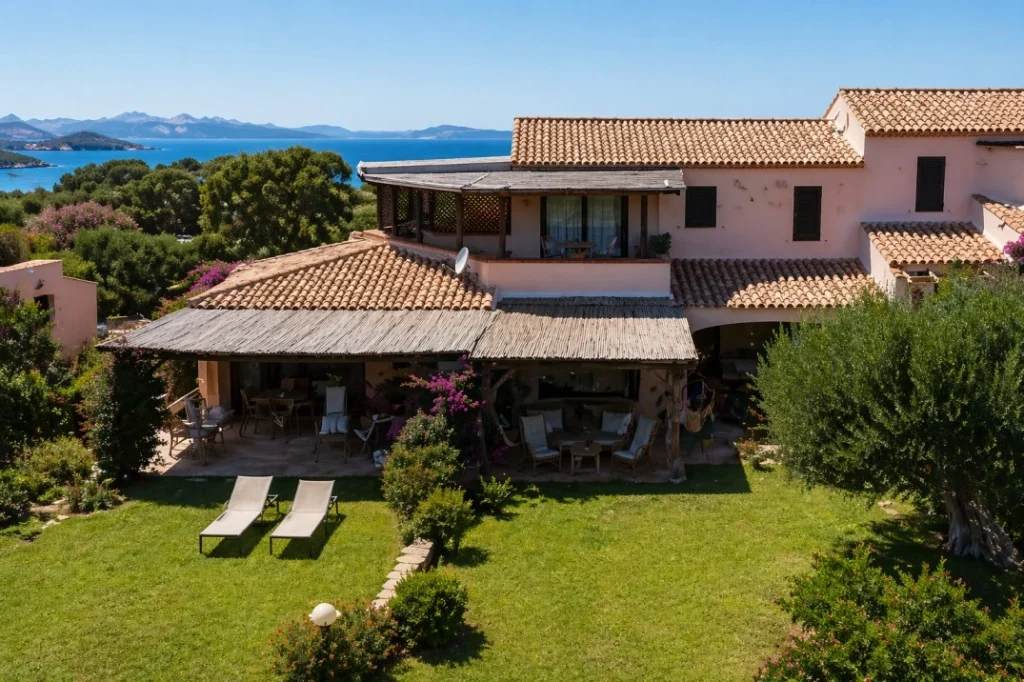
Shared Workspace
As We Flow
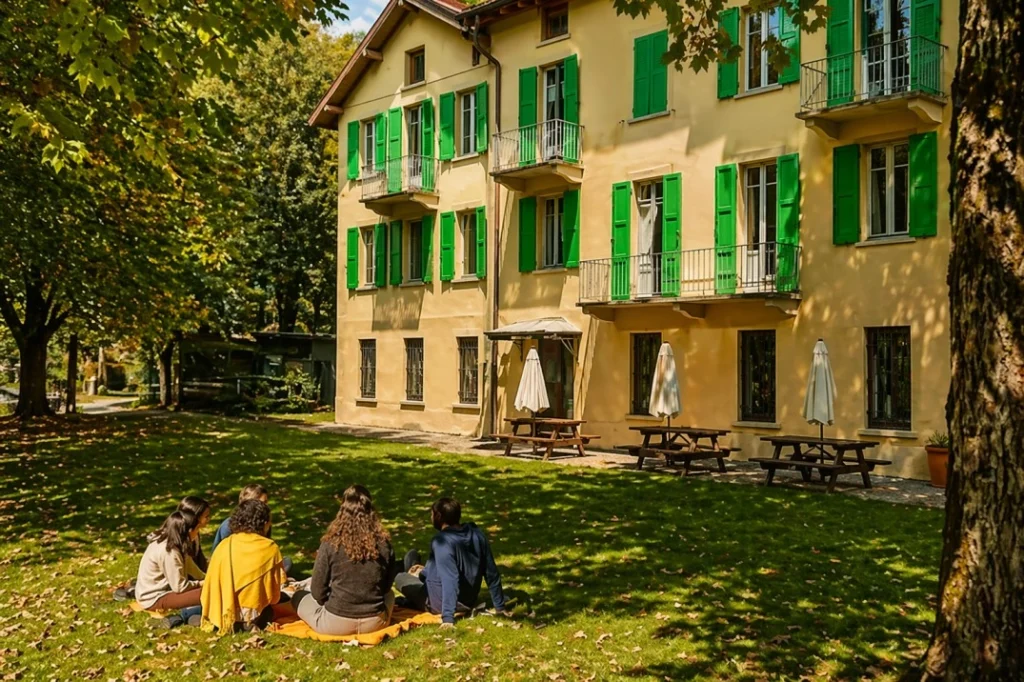
Dedicated Workspace
Montino

Shared Workspace
Navitas
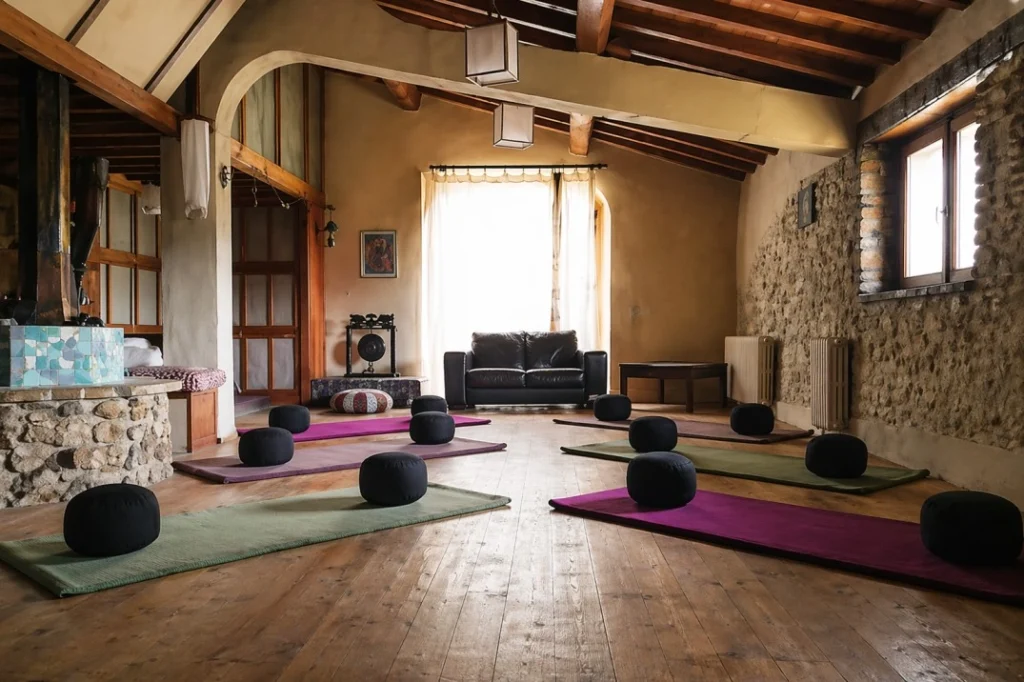
Shared Workspace
Bosco Alto
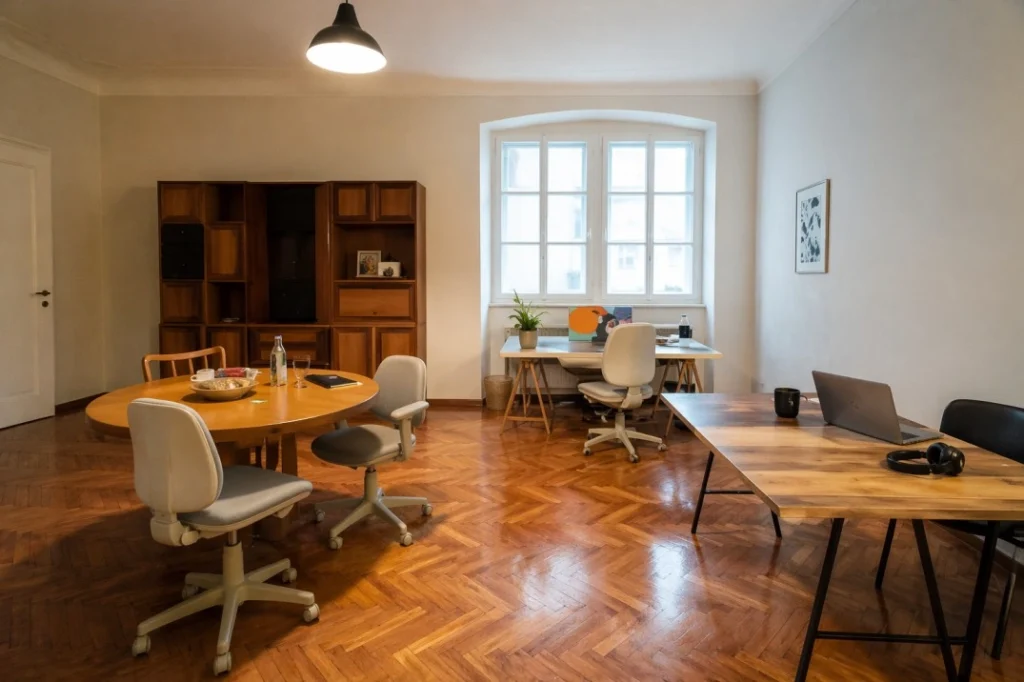
Shared Workspace
Benetural
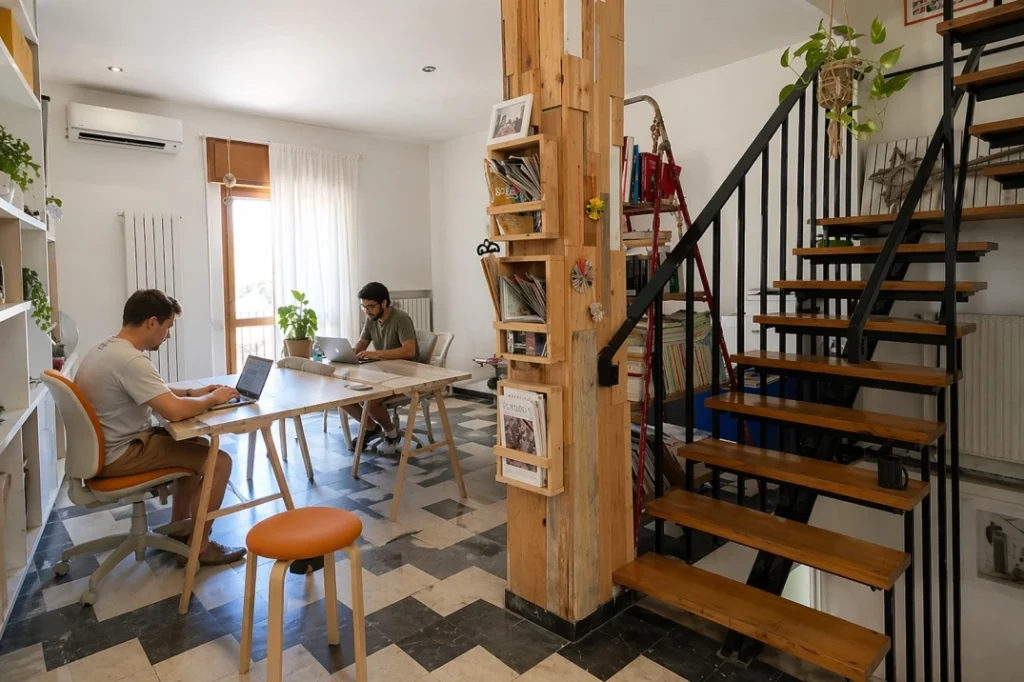
Dedicated Workspace
Benetural
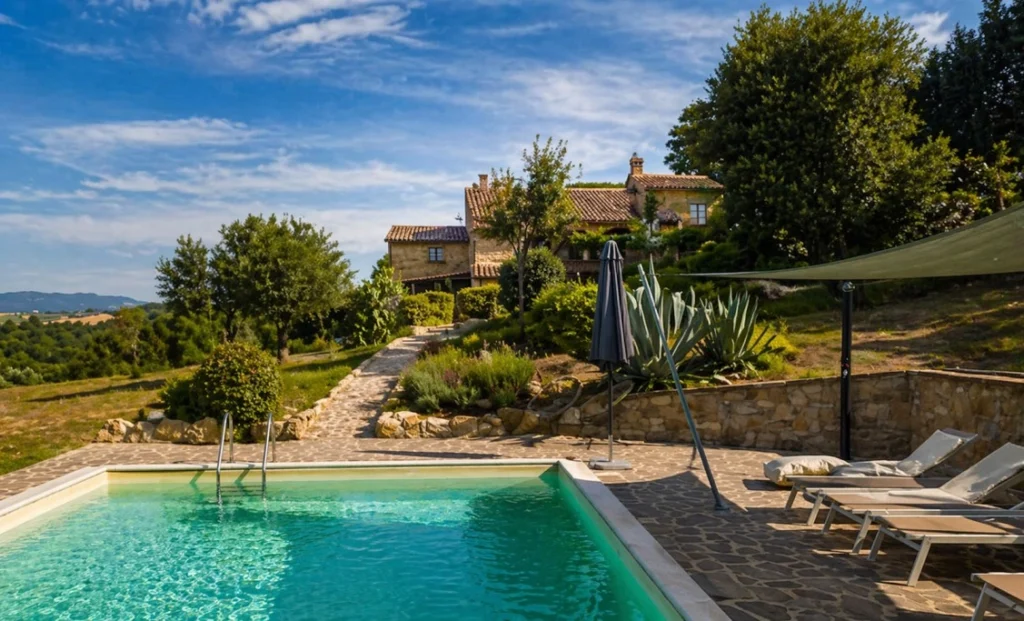
Dedicated Workspace
Villa Solisera
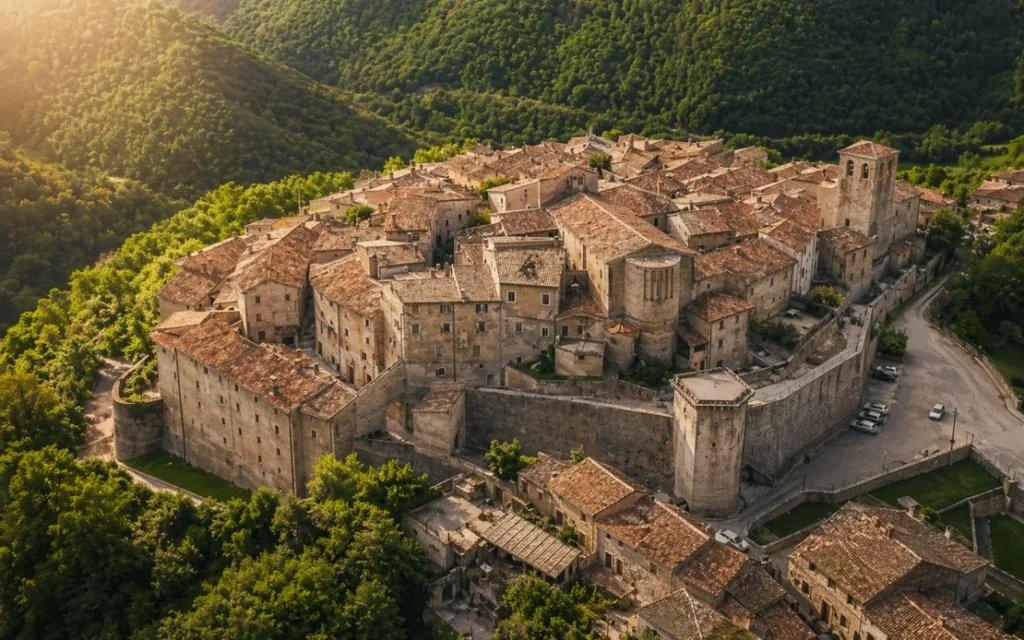
Coworking Nearby
Dolce Vita
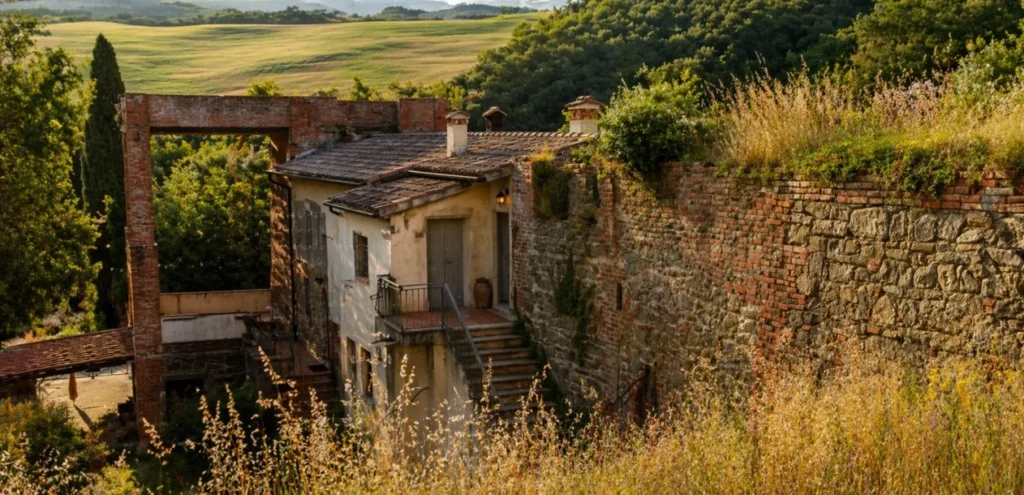
Shared Workspace
Il Fornello
Shared Workspace
Start Working
Shared Workspace
Bassetto
Dedicated Workspace
The Social Hub Belfiore
Shared Workspace
Tertulia
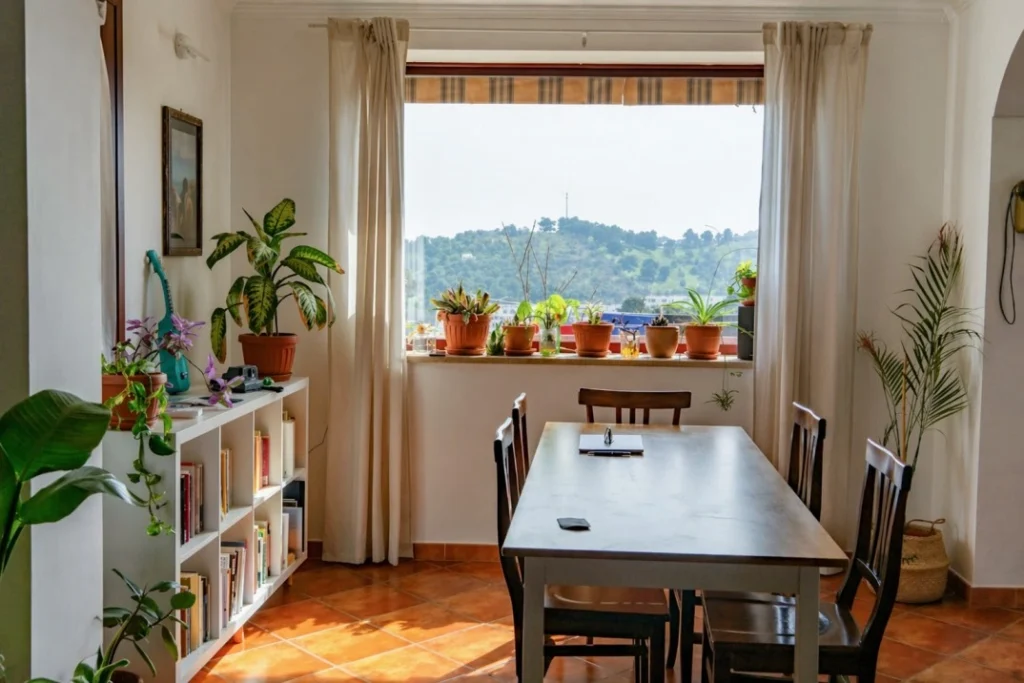
Dedicated Workspace
Together Vieste
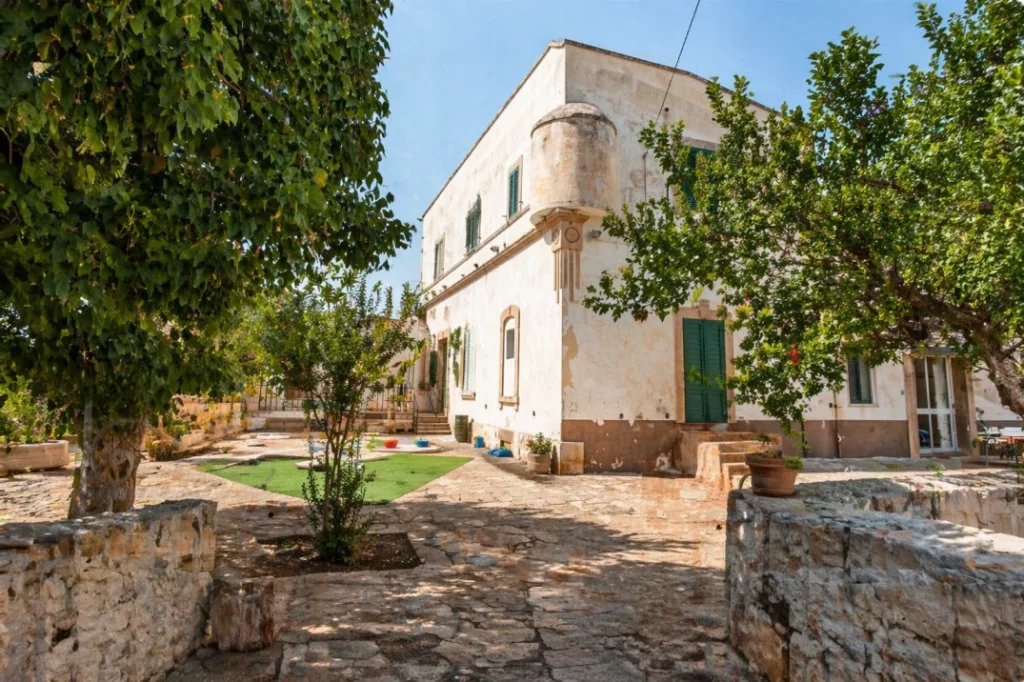
Dedicated Workspace
Masseria Olga
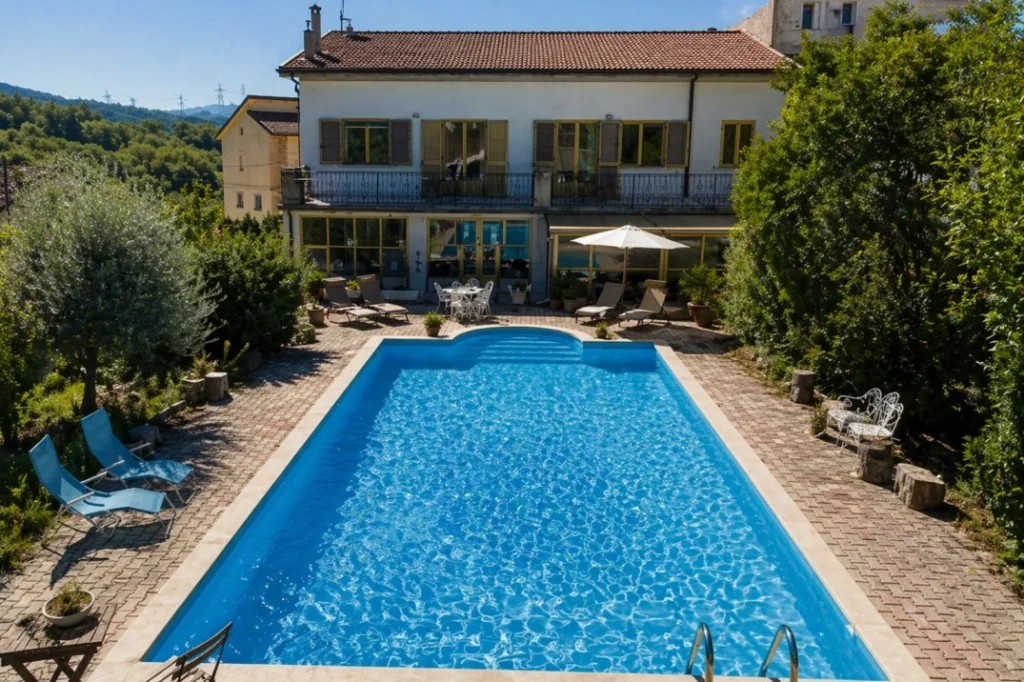
Dedicated Workspace
La Vita Sukha
FAQs
Is Italy suitable for long-term remote work?
Yes, particularly in cities and well-connected towns. Infrastructure is generally reliable, but housing quality and neighborhood choice matter. Success depends on aligning your routine with local rhythms and anticipating administrative processes.
How different are regions within Italy for daily life?
Very. Institutional speed, density, seasonality, and cost structure vary meaningfully between north, center, south, and islands. Your daily experience is shaped more by region and municipality than by national identity.
Does seasonality affect productivity in Italy?
Yes. Summer heat and tourism concentration can compress schedules in some areas, while winter damp or reduced daylight can affect comfort in older buildings. Planning housing and work blocks with season in mind improves stability.
Is coliving common across Italy?
It is growing but unevenly distributed. Larger urban centers and selected lifestyle areas host most options. Integration with local housing regulations and seasonality is typical; fully standalone “nomad bubbles” are rare.
What surprises people who move to Italy long term?
How structured daily life is—and how locally determined outcomes can be. Administrative processes are navigable but require patience. Relationships and routine matter more than novelty over time.