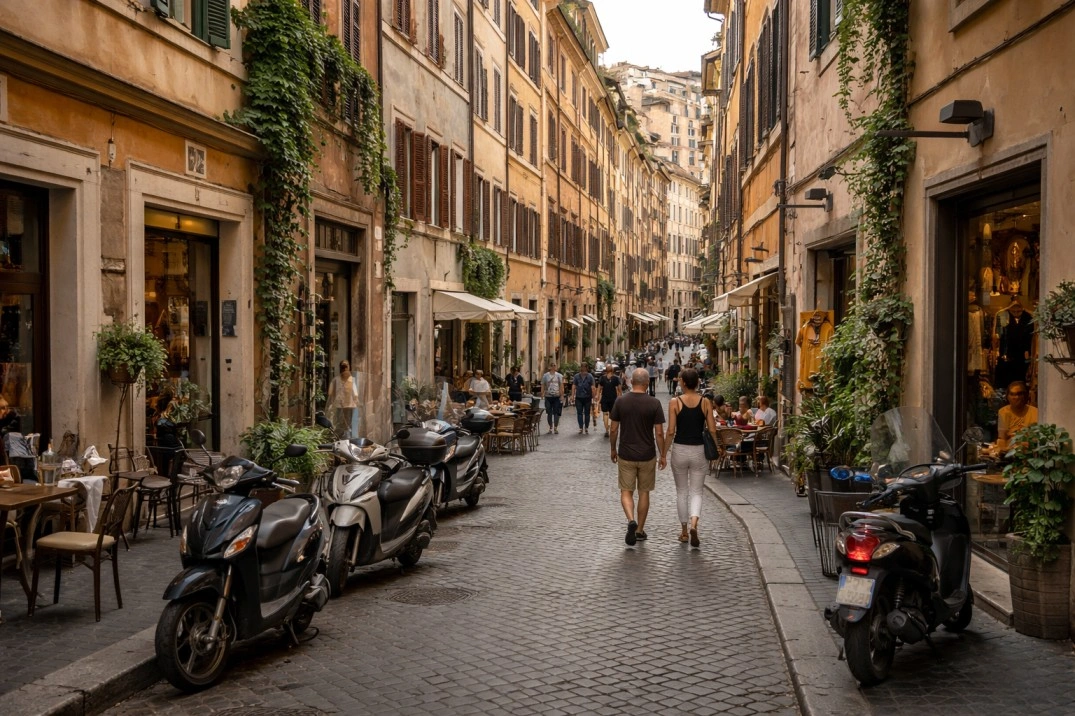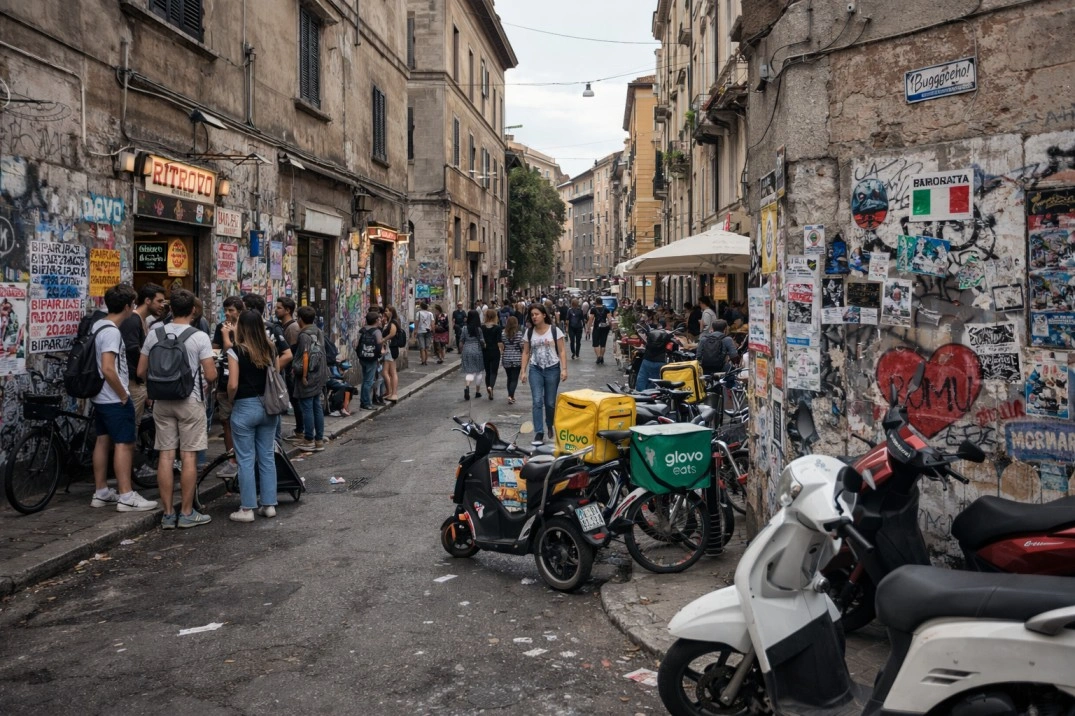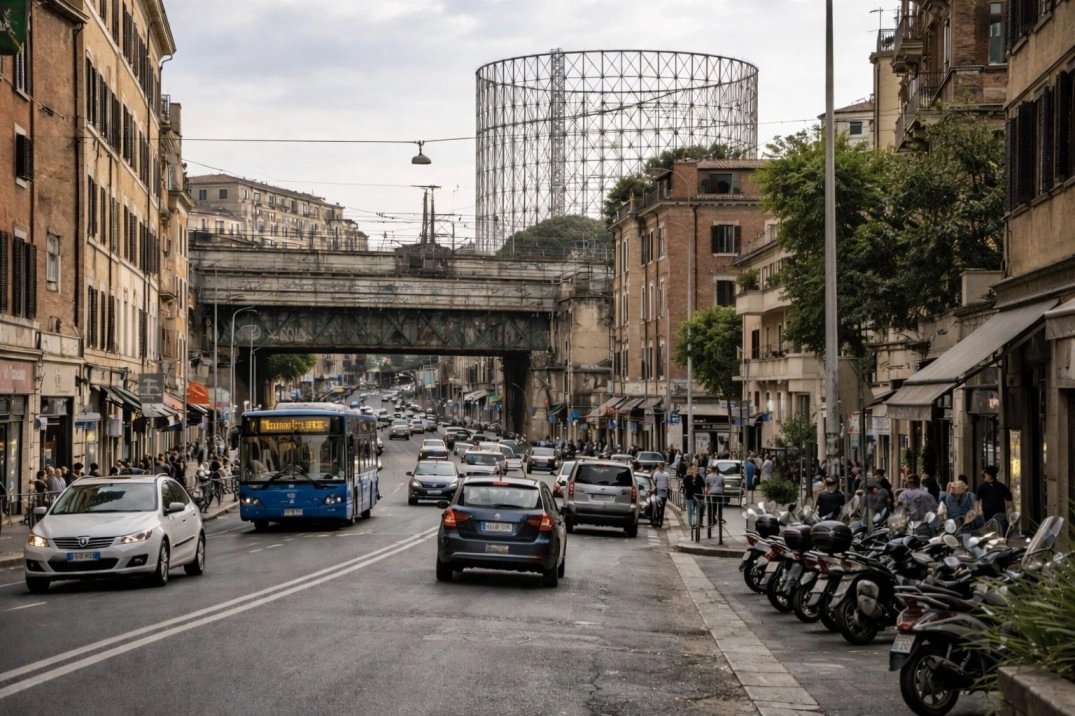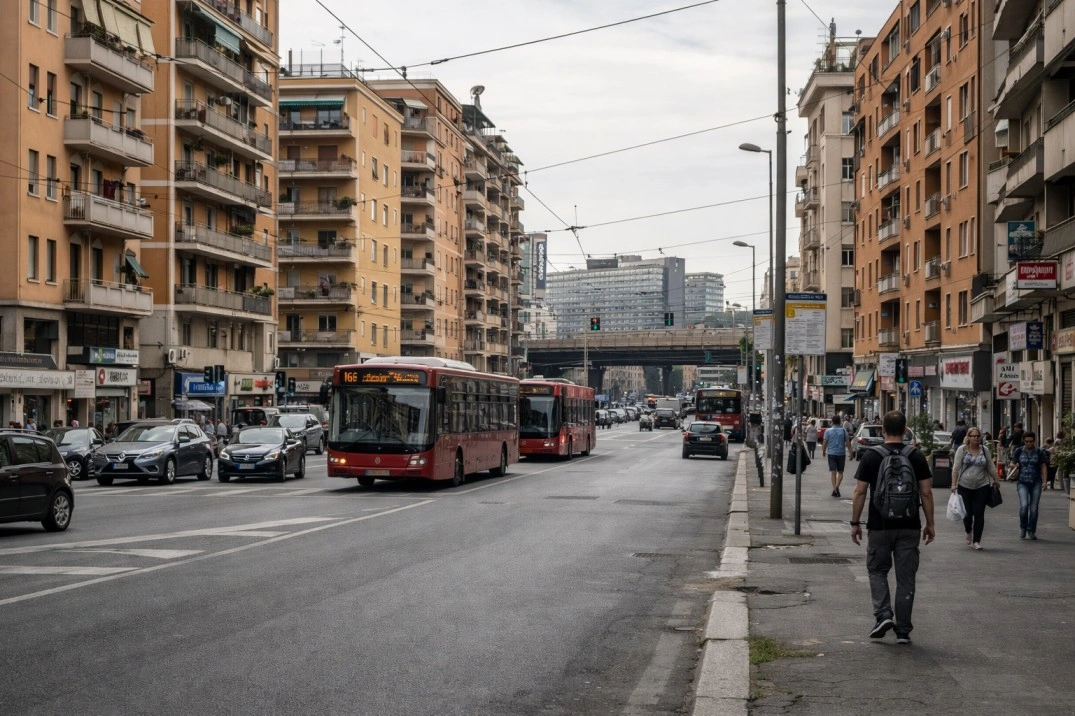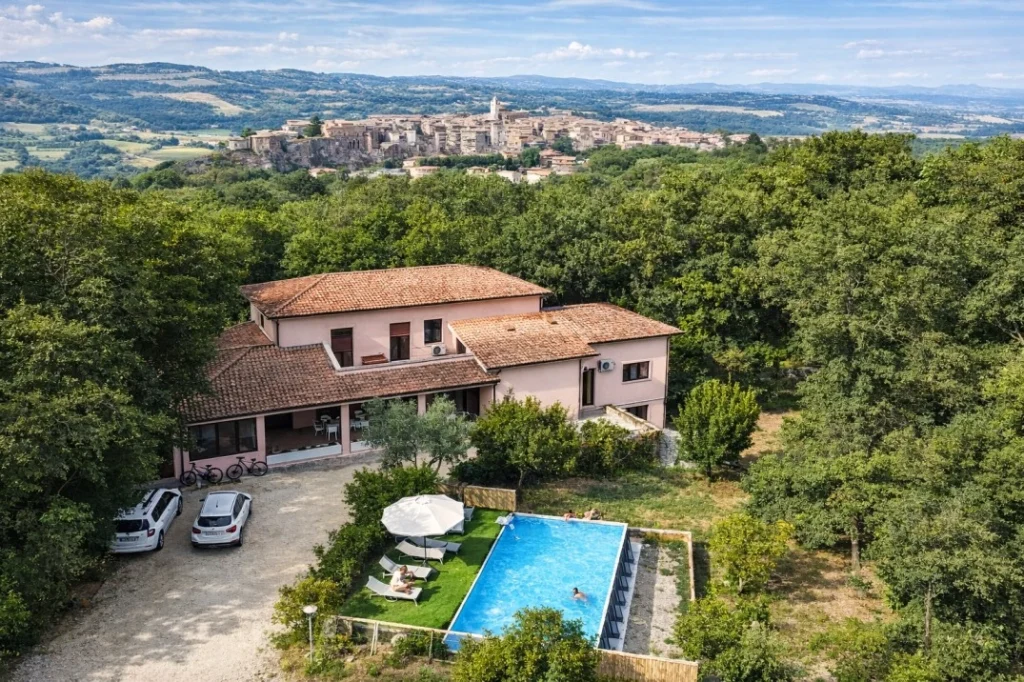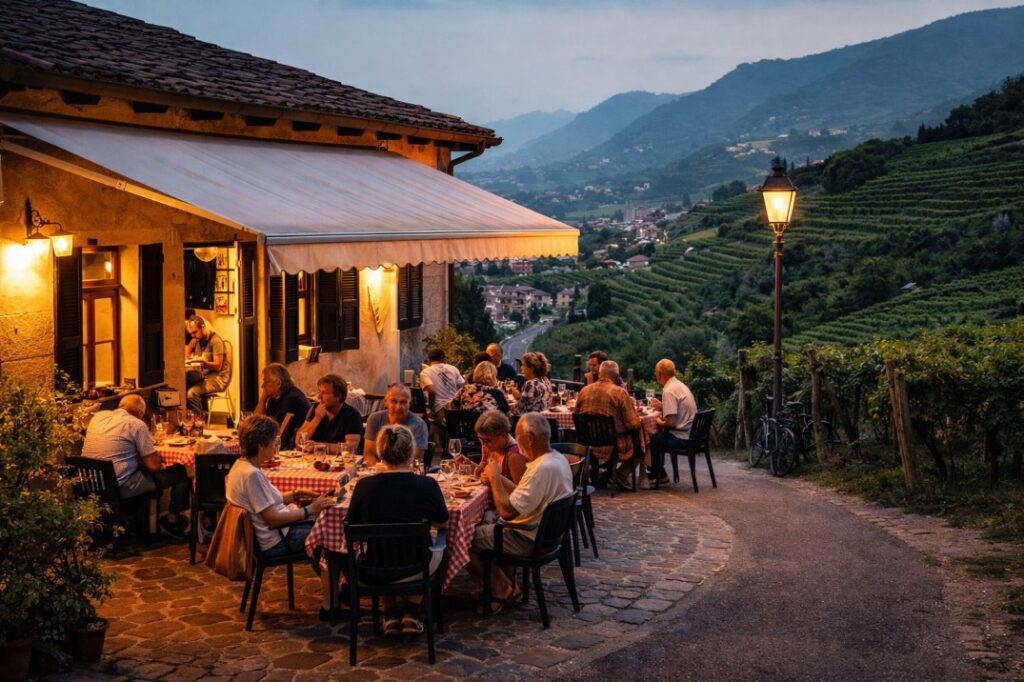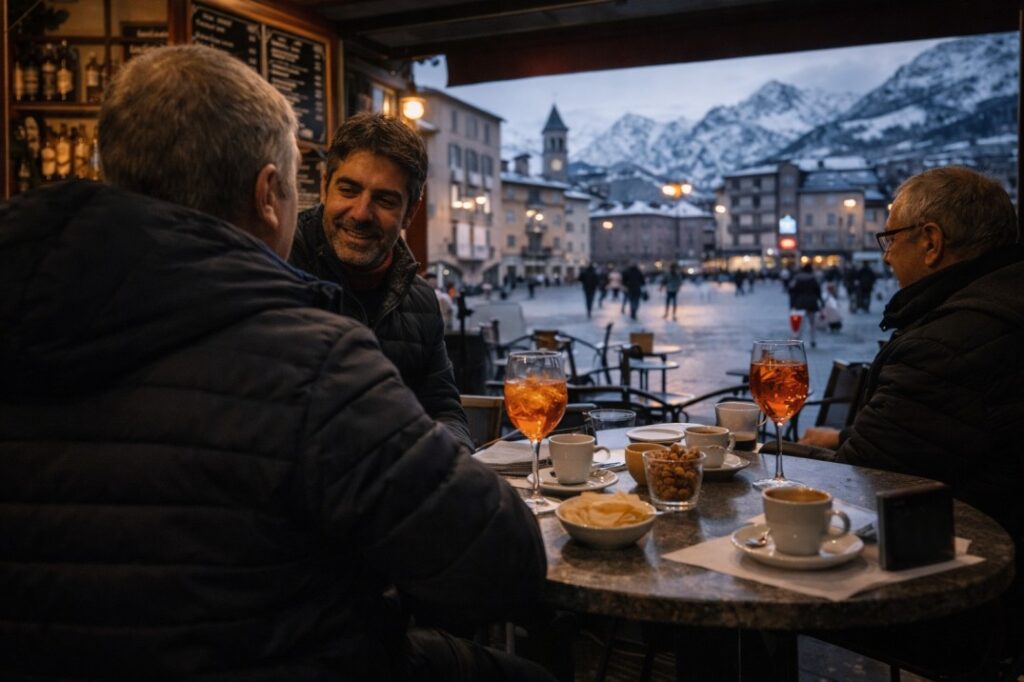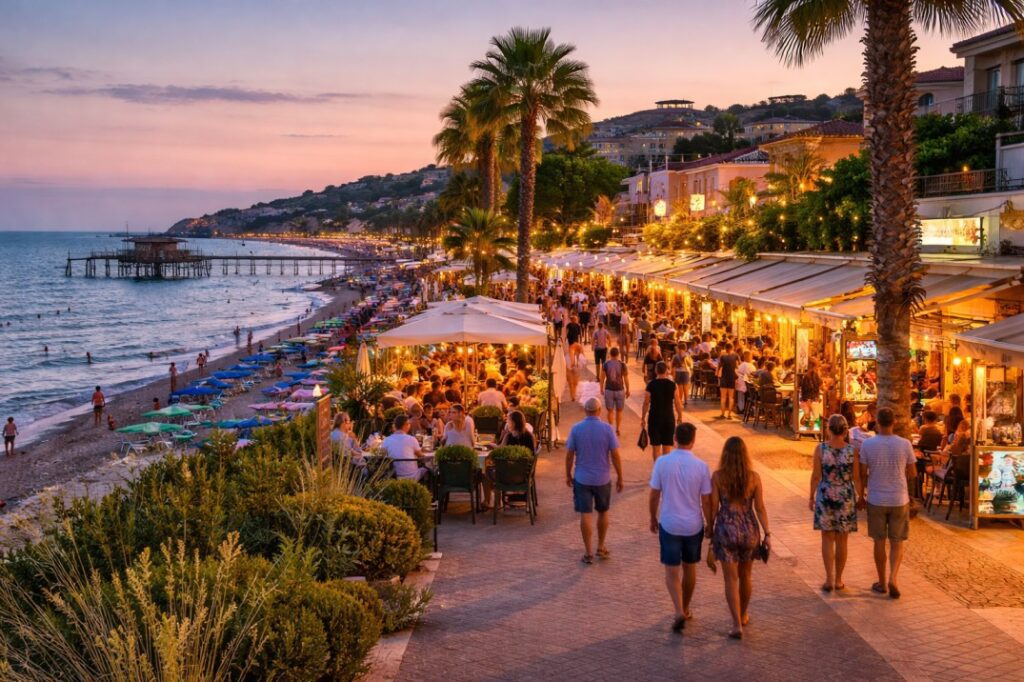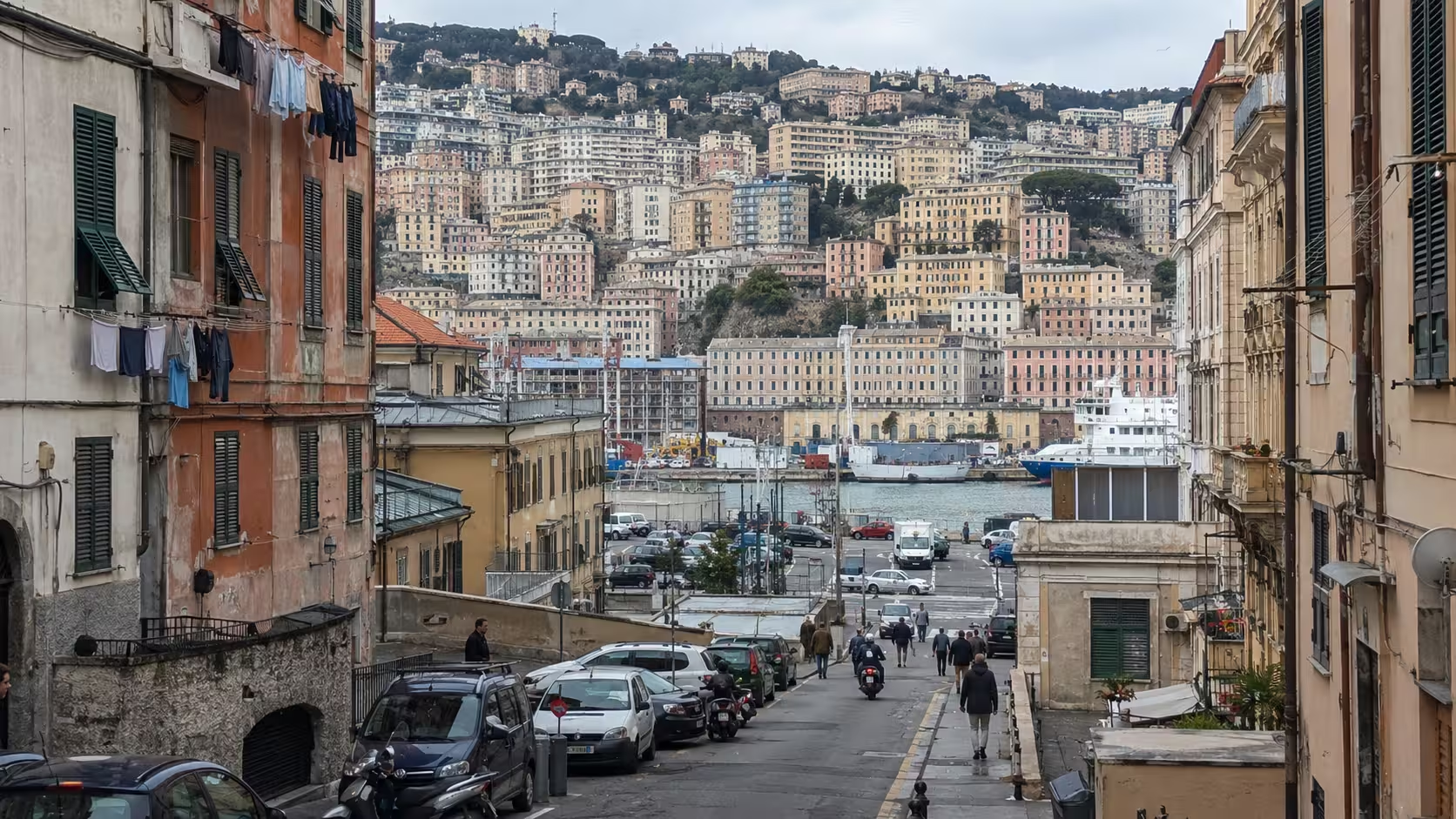
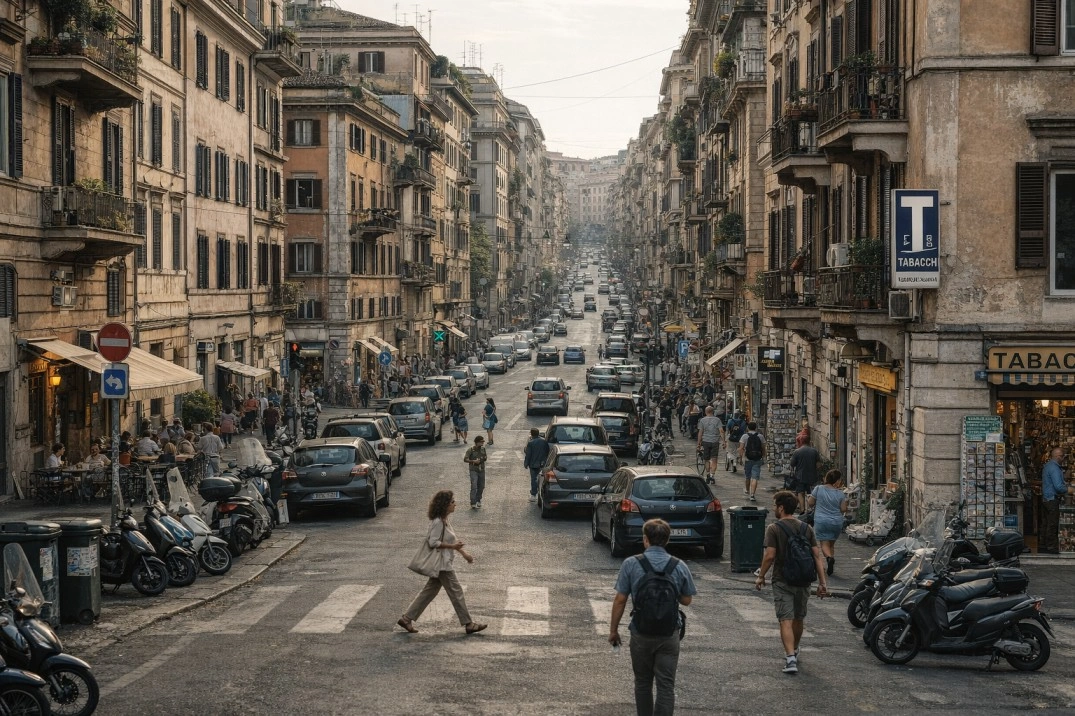
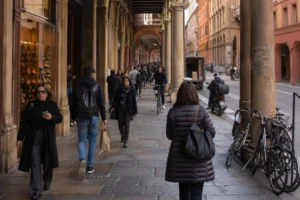
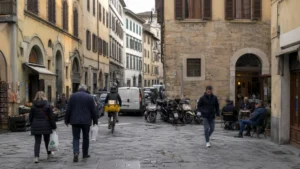
Living in Rome, Italy – everyday residential street scene with traffic and pedestrians

Living in Rome

A dense capital of districts, stations, and daily negotiation, where living in Rome brings unusual reach and choice, but rarely calm, convenience, and affordability in the same setup.

Rome behaves like several cities sharing one name because its size, institutional weight, and layered urban fabric push daily life outward into districts rather than inward toward one stable center. A wide avenue in Prati, a narrow lane in Monti, and a noisy block in San Lorenzo do not produce the same week. That is the main logic behind living in Rome: the city offers scale, transport reach, and strong neighborhood contrast, but it asks residents to solve for trade-offs block by block.

Compared with smaller Italian cities, Rome gives more options but fewer automatic answers. Morning routines depend on whether your street connects cleanly to a station, whether cafés turn tables quickly, and whether your rent bought calm or access. The practical limit is simple: centrality, quiet, and price rarely line up. In daily terms, that means apartment hunting takes longer, movement inside the city can feel uneven, and the wrong neighborhood choice can dominate the entire experience.

Living in Rome means living inside a large, neighborhood-defined capital where daily life shifts sharply by district. The advantage is reach: airports, rail hubs, and fast escapes beyond the city. The trade-off is friction: housing is uneven, movement is not equally smooth, and convenience usually costs more.

Rome gives more range than Bologna or Florence, but it asks for far more neighborhood precision to make daily life work.

Is living in Rome for you?

Best For

Trade Offs

Seasonality

Dense · Uneven · Extended

Where to live in Rome
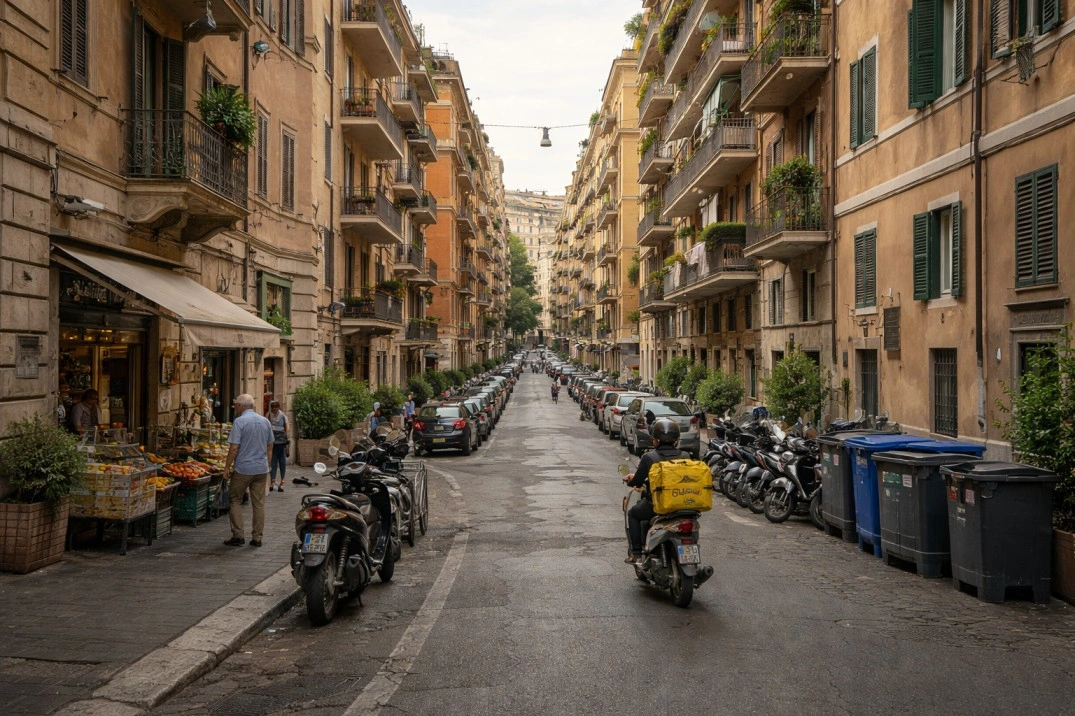
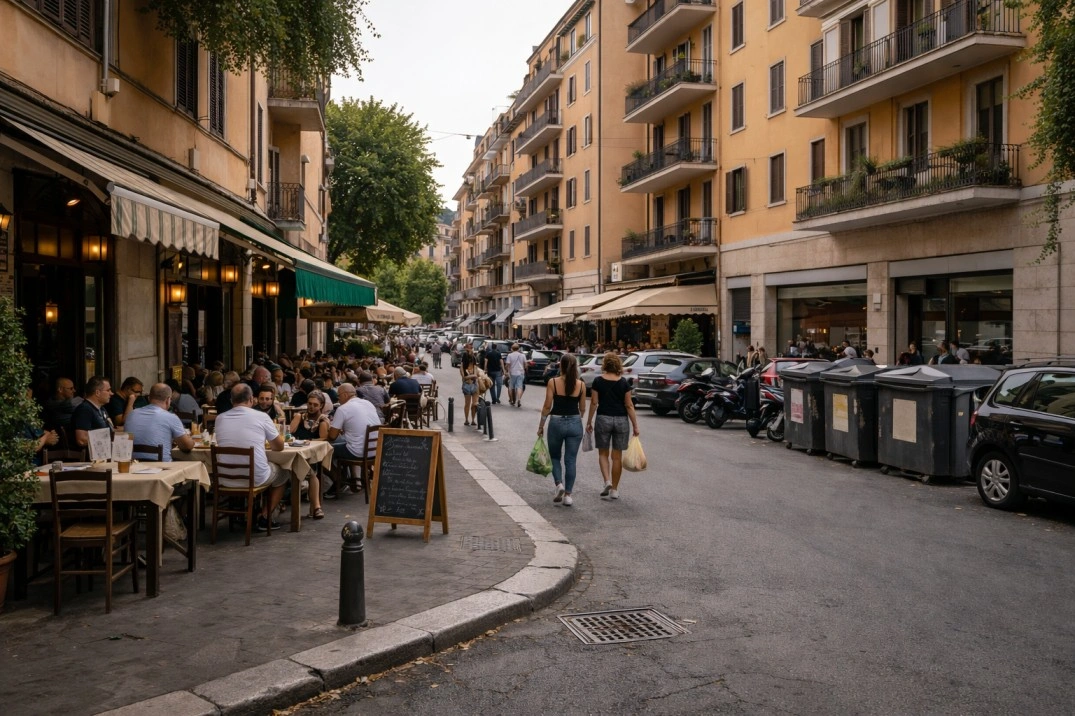
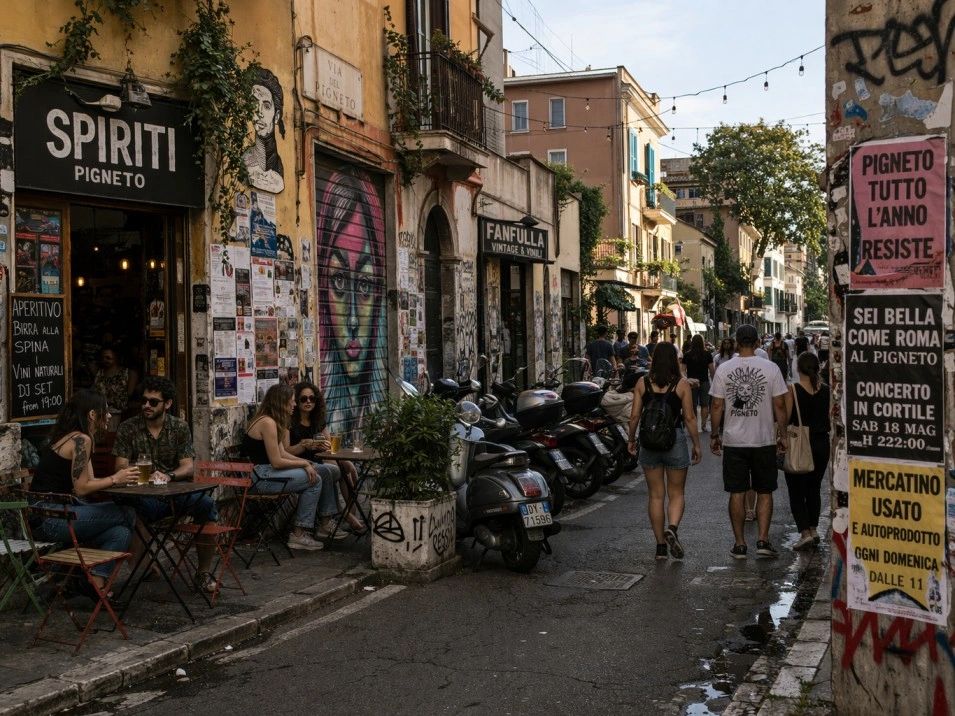
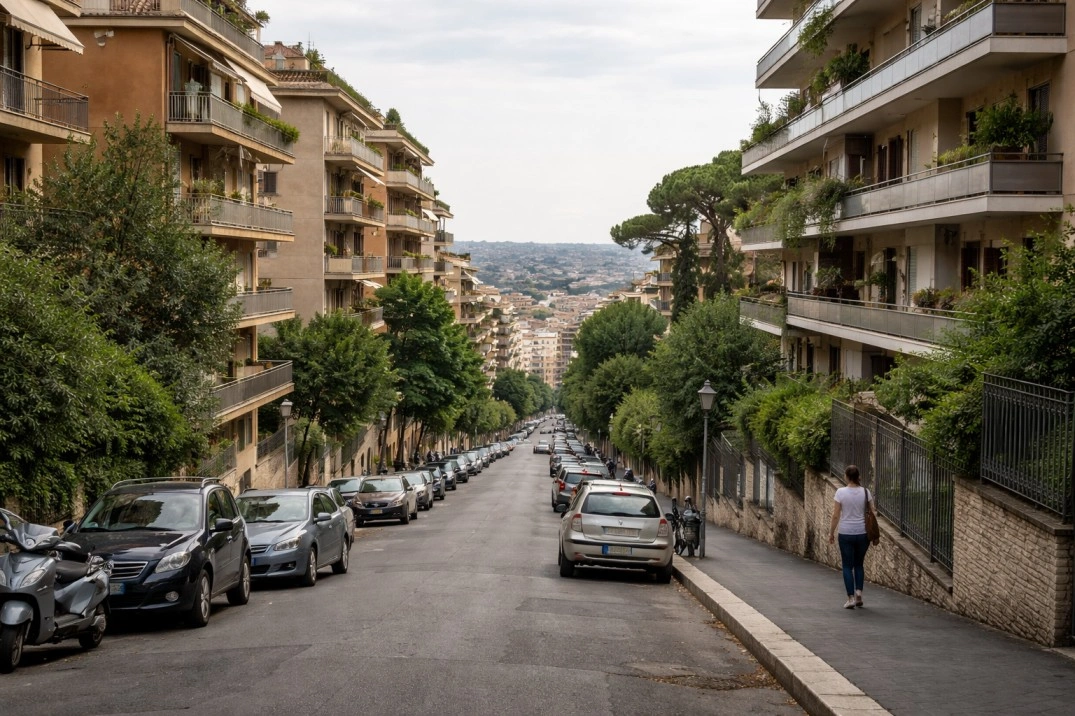
Where to live in Rome, Italy – real residential street with apartments and local services

Choosing where to live in Rome is not mainly a price question; it is a filtering question. Supply exists, but it is distorted by mixed listing quality, furnished mid-term stock, weak comparability between room counts, and neighborhood labels that do not always clarify how daily life will feel. Availability is better understood as scattered rather than clean. Behavior on the landlord and agency side looks fragmented, not orderly. The real friction comes later: once a listing seems affordable, it may solve the wrong problem — cheaper but too disconnected, calmer but less useful, central but noisier than expected.

Average housing costs

Neighborhoods in Rome
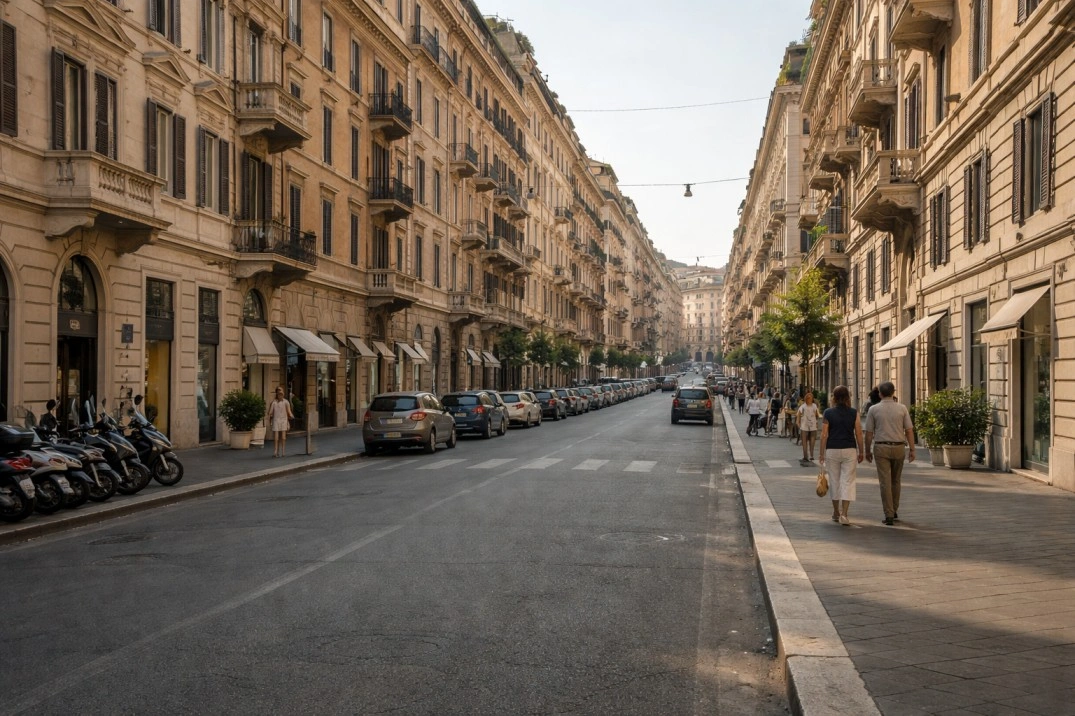
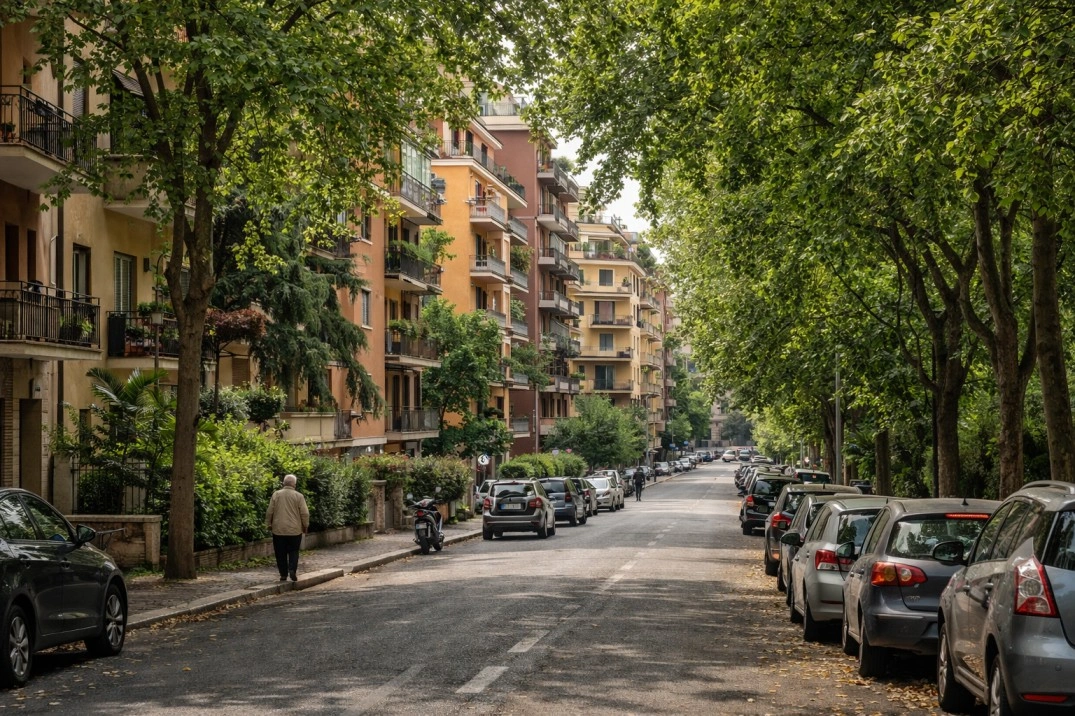
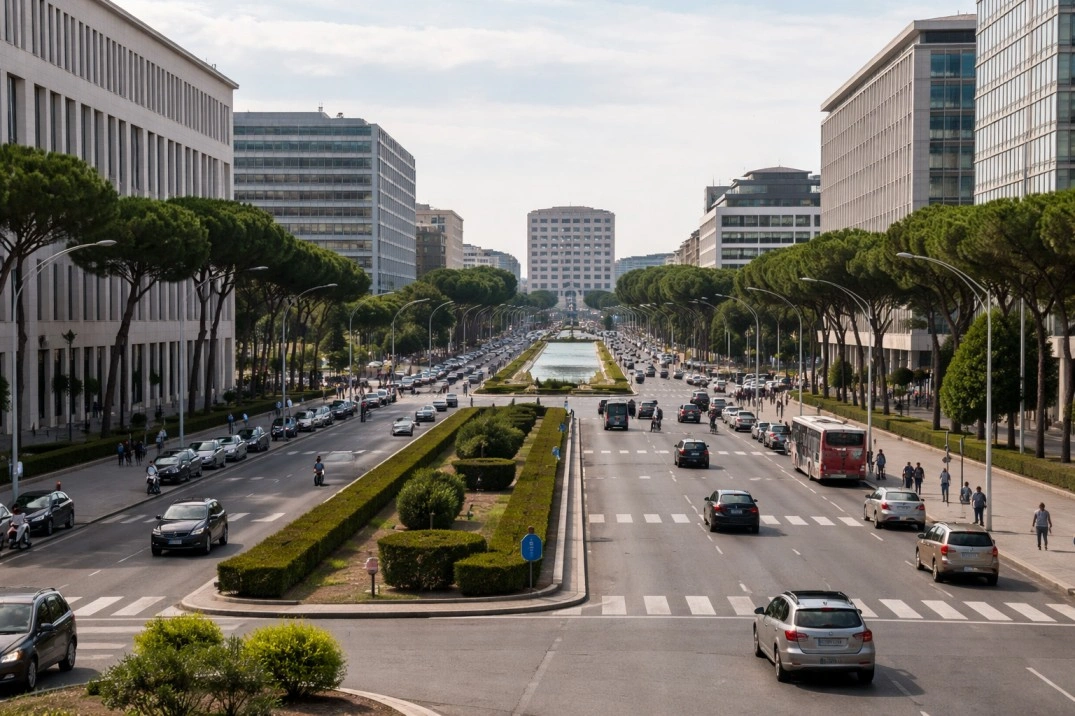
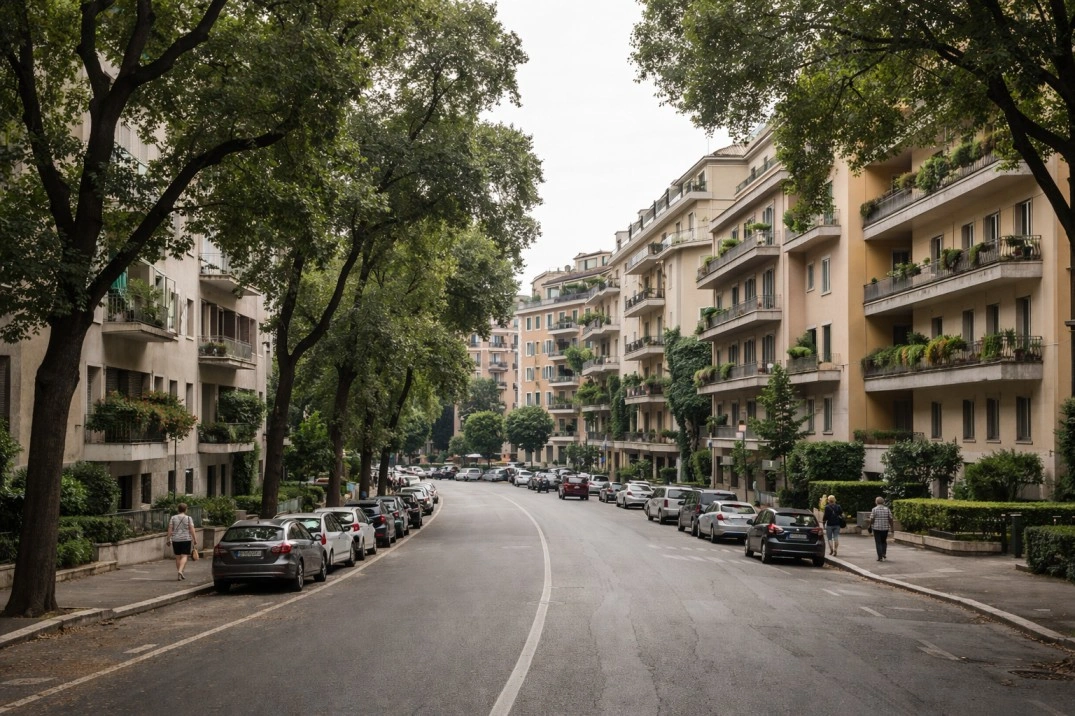
Prati in Rome, Italy – orderly residential street with elegant apartment blocks

Positioning

Prati sits just outside Rome’s most chaotic center and behaves like a district built for order. Streets are broader, facades read more evenly, and daily movement feels more composed than in the city’s denser social quarters. It is still central enough to stay plugged in, but the rhythm is cleaner: fewer rough edges, less street spill, more predictable routines. That makes it one of the easier parts of Rome to inhabit without feeling detached from the city.

Who's it for

Best for professionals, couples, and first-time long-stay residents who want a stable base and do not need nightlife outside the door.

Cost Variation

Prati sits on the expensive side of Rome. The premium usually buys order, central access, and a calmer street profile rather than more space.

Price Pressure:

Transport Access:

Noise/Density:

Local Feel:

Daily Convenience:

Coliving in Rome

The fallback system matters more than the label. In Rome, people often build the equivalent of coliving by combining a shared flat, a workable district, a café or coworking routine, and repeated social points close enough to sustain weekly contact. That setup is less branded, but often more realistic. It also gives more control: one area can solve housing, another can solve work, and a third can solve connection. The friction is distance. If those pieces sit too far apart, the week becomes heavier quickly.

Limited Options

Mix City & Nature

Mid-Range Prices

Coliving spaces in and around Rome
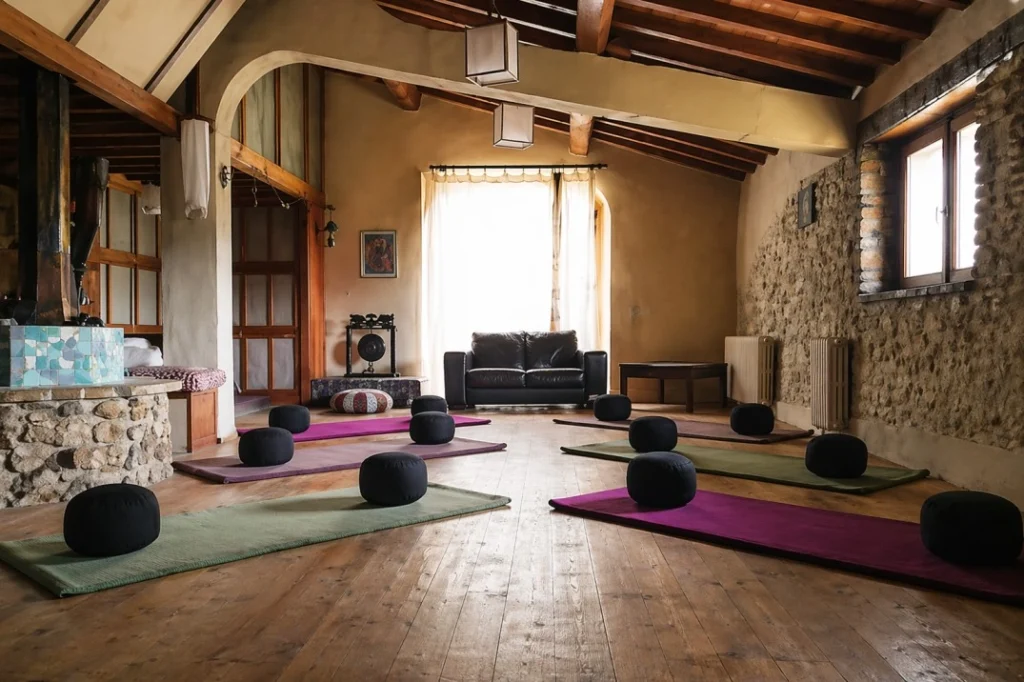
Most coliving in Rome looks less like a dense ecosystem and more like a small layer placed on top of a fragmented rental market.

How people actually live in Rome

The fallback system matters more than the label. In Rome, people often build the equivalent of coliving by combining a shared flat, a workable district, a café or coworking routine, and repeated social points close enough to sustain weekly contact. That setup is less branded, but often more realistic. It also gives more control: one area can solve housing, another can solve work, and a third can solve connection. The friction is distance. If those pieces sit too far apart, the week becomes heavier quickly.

LIVE

Where you live

Shared flats solve entry and flexibility

In Rome, shared flats are often more available than formal coliving, but quality, contract terms, and neighborhood fit vary sharply.

WORK

Where you work

Work base matters more than brand

A good district plus one reliable coworking or café setup often works better than assuming the whole city is laptop-friendly.

CONNECT

Where you connect

Repetition builds social traction

Community usually comes from seeing the same places and people often enough; long cross-city trips weaken that quickly.

Coliving in Rome can work as an entry path, but the stronger decision is whether you can assemble housing, work, and connection inside the same weekly geography.

Working from Rome

Working from Rome, Italy – real coworking or café setup with people on laptops

Working from Rome is feasible, but the city does not remove friction for you. Pace shifts by district, noise levels rise fast in central and social areas, and a day that looks workable on the map may feel scattered once movement begins. Focus is easier to protect when housing, work spot, and daily errands sit close together. Without that compression, the city can start consuming time and attention that should have stayed inside the workday.

WiFi should be treated as generally workable, not as Rome’s defining advantage. The practical split is between cafés and coworking: cafés can work selectively, but long laptop sessions are not the city’s natural default, while coworking offers more stable conditions when chosen well. Friction appears in seating turnover, noise, opening rhythms, and the fact that central areas attract more crowd pressure. The best setup is usually district-specific, not city-wide.

The city works best when residents build a deliberate operating week: home near the right node, one or two dependable work places, and limited cross-city drag during business hours. Rome gives enough scale to support that, but it does not hand it over automatically. People who need total smoothness often get tired faster here; people who can accept a little drag in exchange for reach and variety tend to last longer — works for self-directed urbanists, not for people needing seamless daily efficiency.

Work Environment

Reliable workdays depend heavily on neighborhood fit, not on Rome as a whole.

Coworking Availability

Coworking helps most when paired with short movement patterns and calm housing.

WiFi Availability

Cafés can work, but crowding and turnover narrow long-session comfort quickly.

Coworking in Rome

Working from Rome is realistic when the week is tightly set up; without that, the city’s internal drag becomes part of the job.

Community & Social Life

Community in Rome, Italy – small group connecting informally in a local setting

Connection in Rome usually comes from repeated overlap, not from one visible city-wide scene. People meet through neighborhood routines, recurring tables, familiar cafés, shared work spots, friends-of-friends, and the simple effect of being seen often enough in the same local circuit. The opportunity is there because the city is large and layered. The difficulty is also there for the same reason. Districts can feel socially separate, and distance turns light plans into logistical decisions. Expat presence exists, but it is fragmented. Community forms here when people stay geographically consistent long enough for recognition to become familiarity.

Rome can produce real social traction, but it usually asks for neighborhood repetition, shorter movement patterns, and more patience than faster social cities.

Beyond Rome: How far your day can stretch
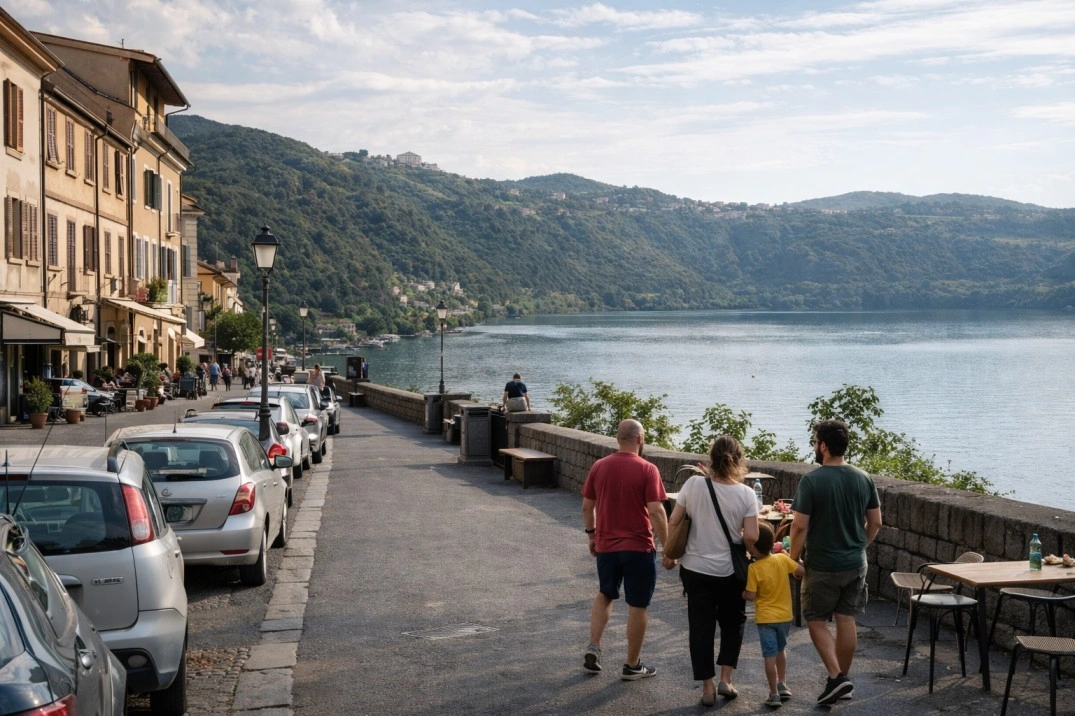
Day trips from Rome, Italy – nearby town with slower pace and open space

Rome’s strongest external advantage is not scenery inside the city; it is how quickly the city opens outward once the week needs air. Water, hill towns, lakes, and mountain edges all sit within plausible reach, especially by train or car. That changes the logic of long stays. Rome can work as a heavy base because it does not trap residents inside itself. A weekday can stay urban and dense, then give way to Frascati, Tivoli, Castel Gandolfo, or Ostia without requiring a full reset.

The limit is transport shape, not distance alone. Some routes are fast only by train, some depend on transfers, and some look close until bus time makes them less useful. Rome gives range, but not every escape is equally light to execute.

Accessible from Rome

Rome works as a base because it doesn’t close in on itself: within short distances, the city opens into coastline, hills, and secondary towns that shift pace without requiring a full reset.

Water Access

Water access is one of Rome’s most practical release valves. Lido di Ostia is the quickest rail-based break, while Santa Marinella offers a stronger beach shift if more time is available. Fregene works better by car than by public transport. These are not fantasy escapes; they are the kind of places that let residents change pace for half a day, then return without dissolving the week. That matters if the city begins to feel too dense, hot, or socially overfull.

Water access is one of Rome’s most practical release valves. These are not fantasy escapes; they are the kind of places that let residents change pace for half a day, then return without dissolving the week.

Elevation

Elevation around Rome is useful because it changes both air and tempo. Frascati works as a short, regular break. Tivoli feels more like a proper day shift while staying accessible. Monte Livata makes sense when a car is available and the goal is stronger physical contrast from the capital. These places matter less as attractions than as recurring pressure valves. Residents who stay in Rome longer often benefit from nearby height and distance more than from seeing another central piazza.

Elevation around Rome is useful because it changes both air and tempo. Residents who stay in Rome longer often benefit from nearby height and distance more than from seeing another central piazza.

45'

60'

100'

60'

70'

120'

Nearby Towns

The nearby town network helps Rome feel less enclosing. Castel Gandolfo and Bracciano give a more deliberate slowdown, with train access good enough to stay realistic for repeated use. Viterbo is longer and better treated as a fuller day out. What matters operationally is not only beauty or history, but the fact that these towns let residents interrupt Rome’s tempo without abandoning the base. That makes the city easier to tolerate over time.

The nearby town network helps Rome feel less enclosing. What matters operationally is not only beauty or history, but the fact that these towns let residents interrupt Rome’s tempo without abandoning the base.

70'

105'

130'

100'

160'

180'

Transport Nodes

Rome’s internal movement is uneven, but its outward links are one of its clearest advantages. Termini and Tiburtina anchor national movement, while Fiumicino sits close enough by rail to keep international travel practical. This changes the city’s value for long-stay residents. Even when the local week feels heavy, Rome remains unusually useful as a hub. The base works not because it is always smooth, but because leaving it for a day or a flight is relatively easy.

Rome’s internal movement is uneven, but its outward links are one of its clearest advantages. This changes the city’s value for long-stay residents. The base works not because it is always smooth, but because leaving it for a day or a flight is relatively easy.

Rome works best as a base when nearby exits are part of the plan, not a backup after the city starts feeling too heavy.
FAQs

What is living in Rome actually like day to day?

Living in Rome is less about one citywide rhythm and more about the district you choose. A calm street in Monteverde, a compact block in Monti, and a busier stretch in Trastevere can produce completely different weeks. The main advantage is range; the main difficulty is that daily convenience is uneven and has to be built intentionally.

Yes, but unevenly. The cost of living in Rome depends heavily on housing format and neighborhood, and the market is easy to misread because platform averages, floor-price listings, and real mid-market options do not line up neatly. Groceries remain manageable by big-city standards; rent is where trade-offs become decisive fastest.

Monteverde, Balduina, and parts of Prati are stronger options when calm matters. They reduce noise and lower the feeling of constant street spill, though each makes a different trade on centrality, symbolism, or pace. Where to live in Rome depends on which friction matters more: crowding, commute, or cost.

Yes, if they build the week carefully. Working from Rome is realistic when home, work spot, and movement patterns are chosen with discipline. It is less convincing for people who expect café culture and internal transport to feel consistently frictionless. Rome rewards setup more than spontaneity during working hours.

Partly, but not at a level that removes decision-making. Coliving in Rome is still emerging and fragmented, so most residents should treat it as one possible entry route rather than as the city’s dominant housing logic. Shared flats and neighborhood-based combinations remain the safer fallback.

Yes. That is one of its clearest strengths. Water, hill towns, and secondary urban centers sit close enough to change the week without requiring major travel planning, though some routes work far better by train or car than by bus. Rome becomes more livable when those exits are used regularly.

Scroll to Top

What was missing?

Tell us what you expected to find, or what would have made this guide more useful.