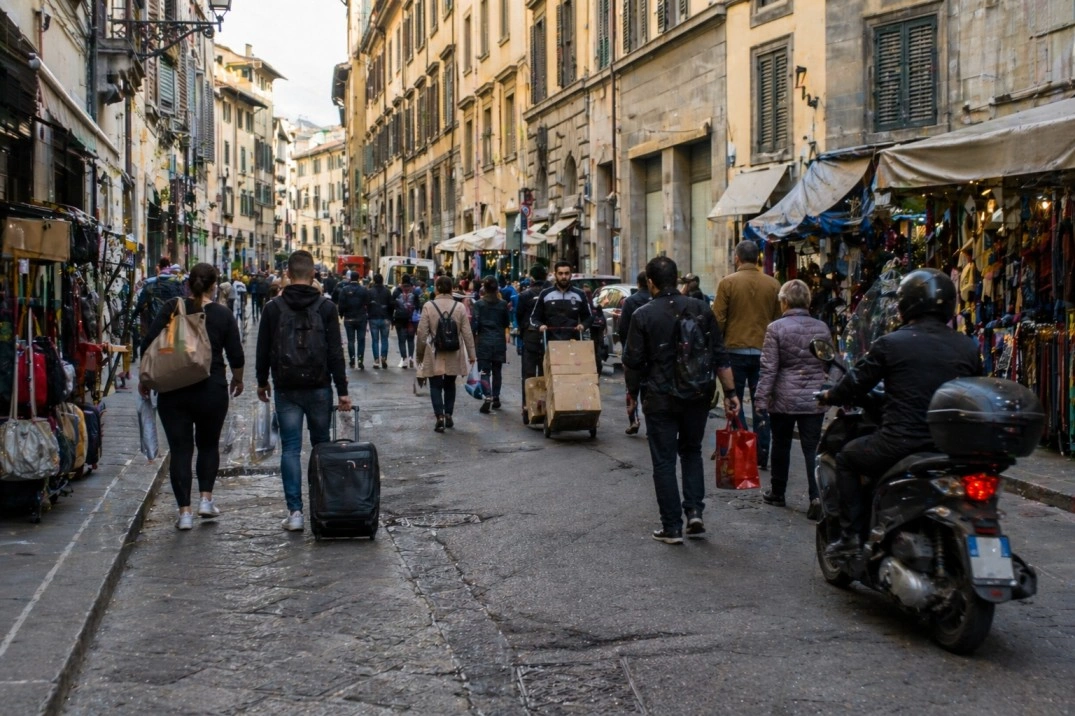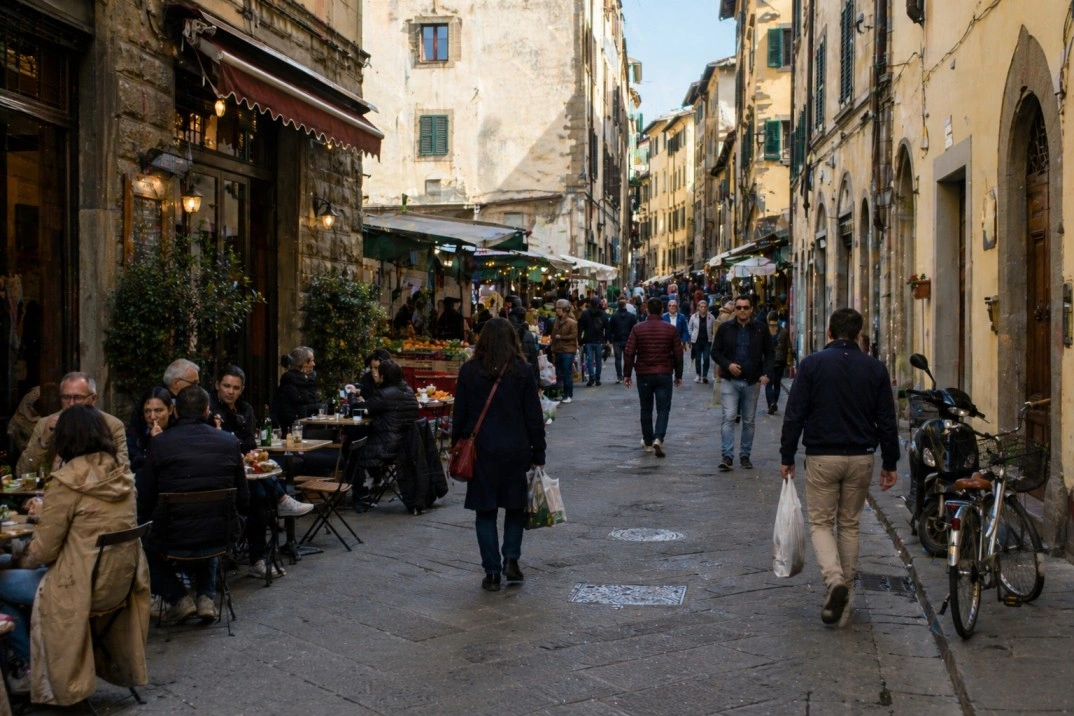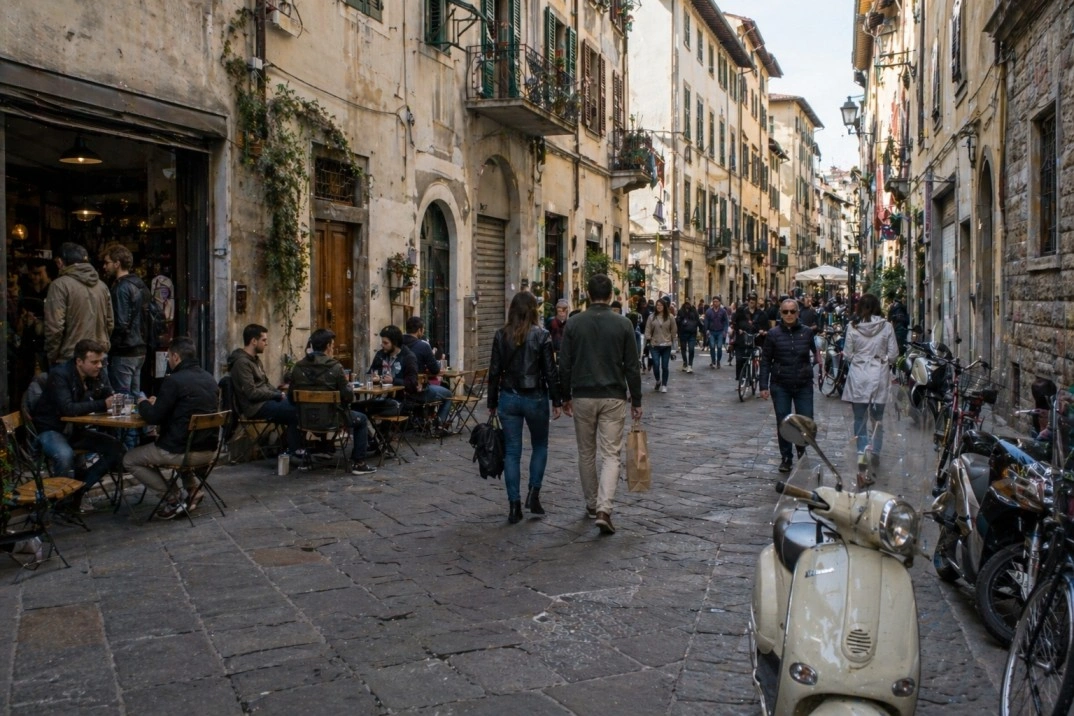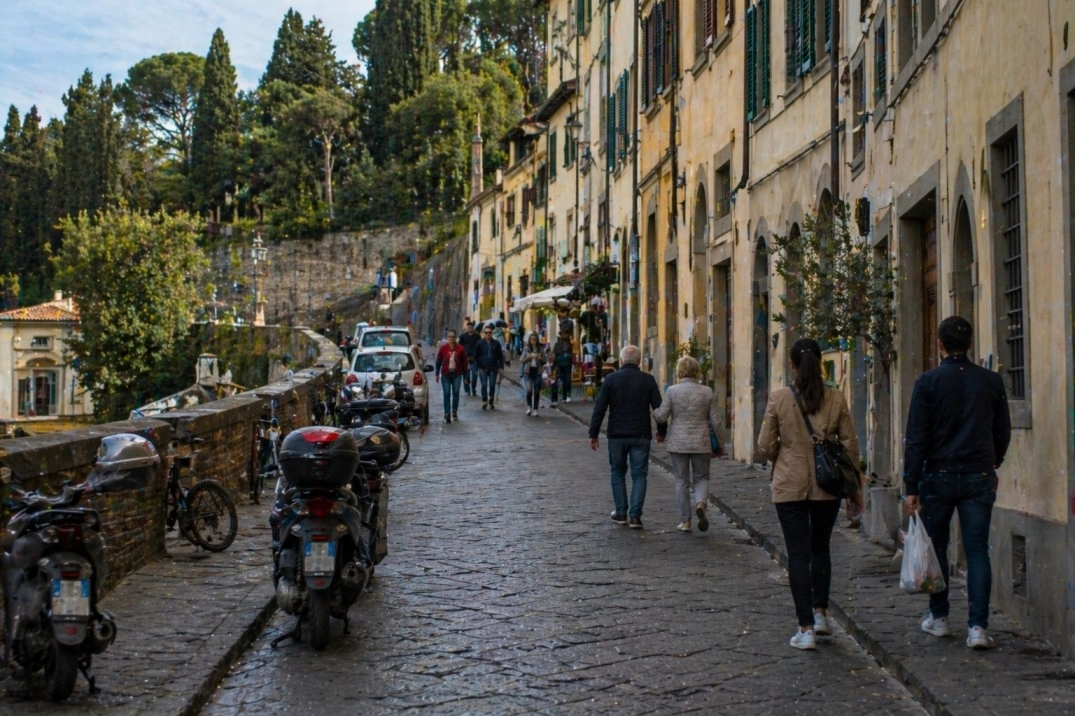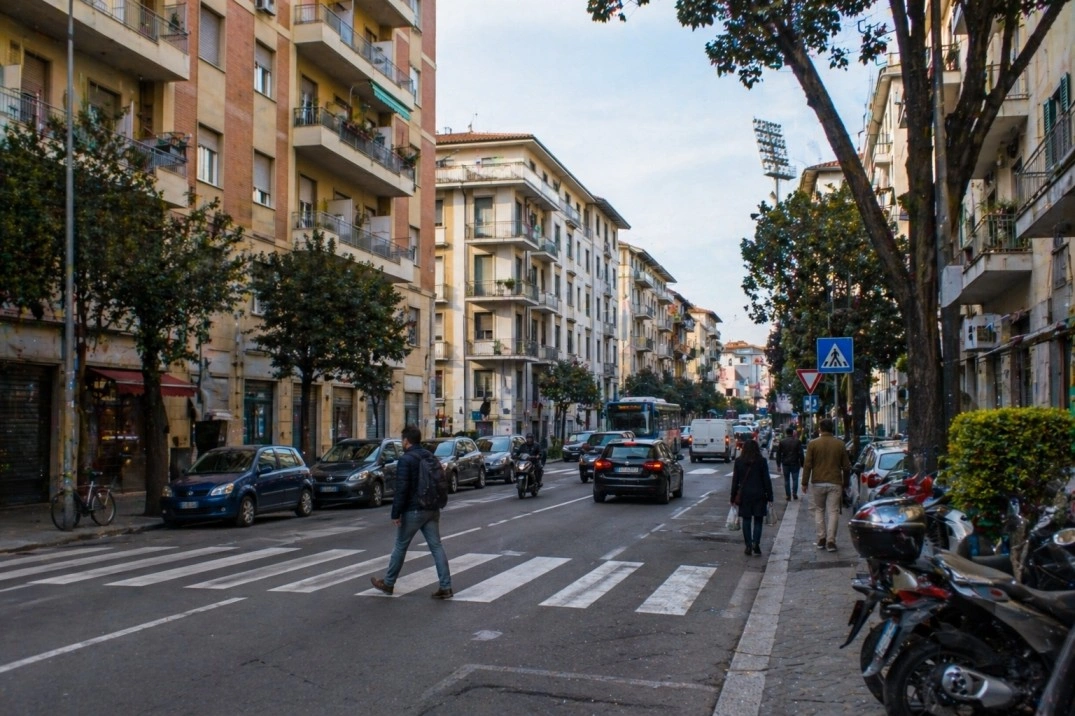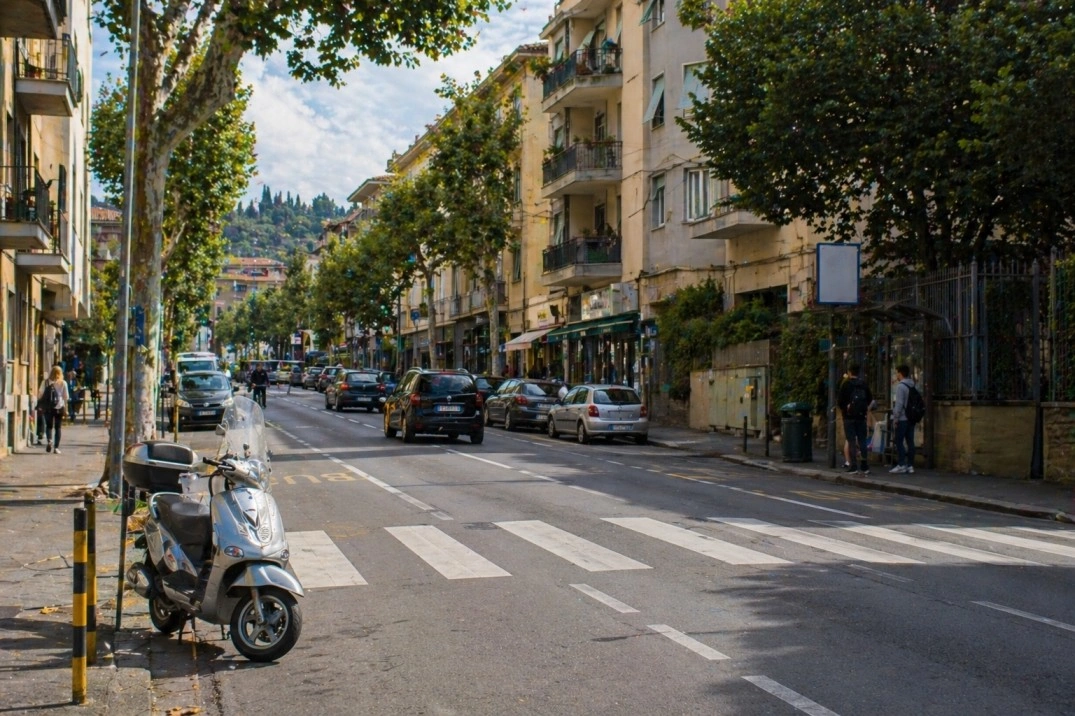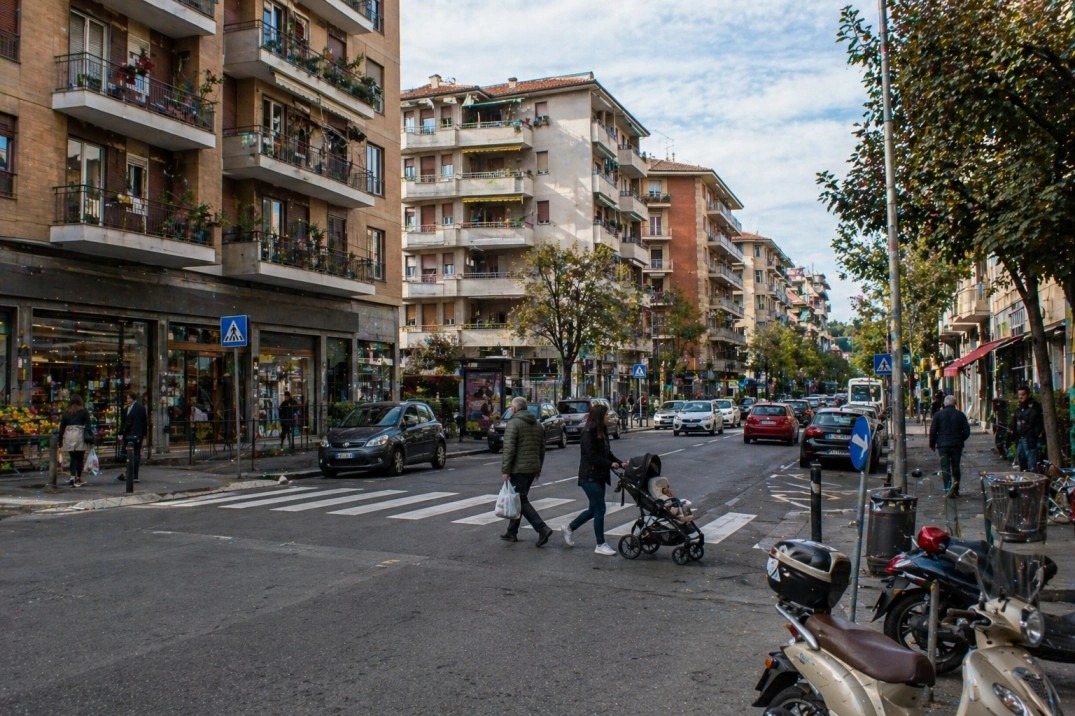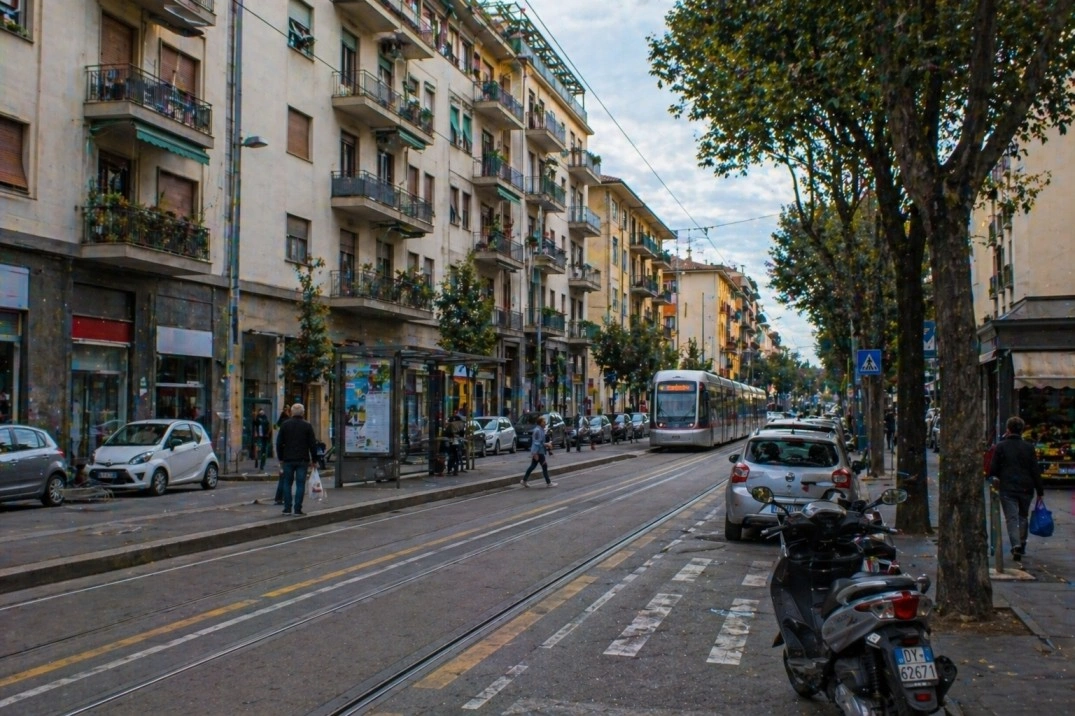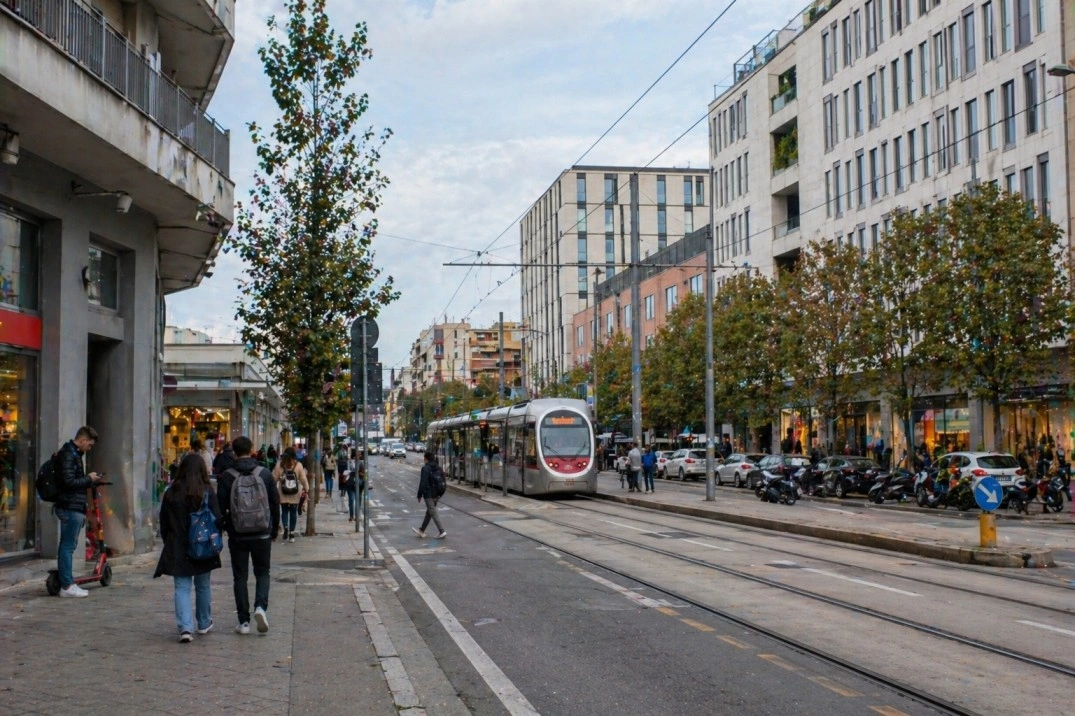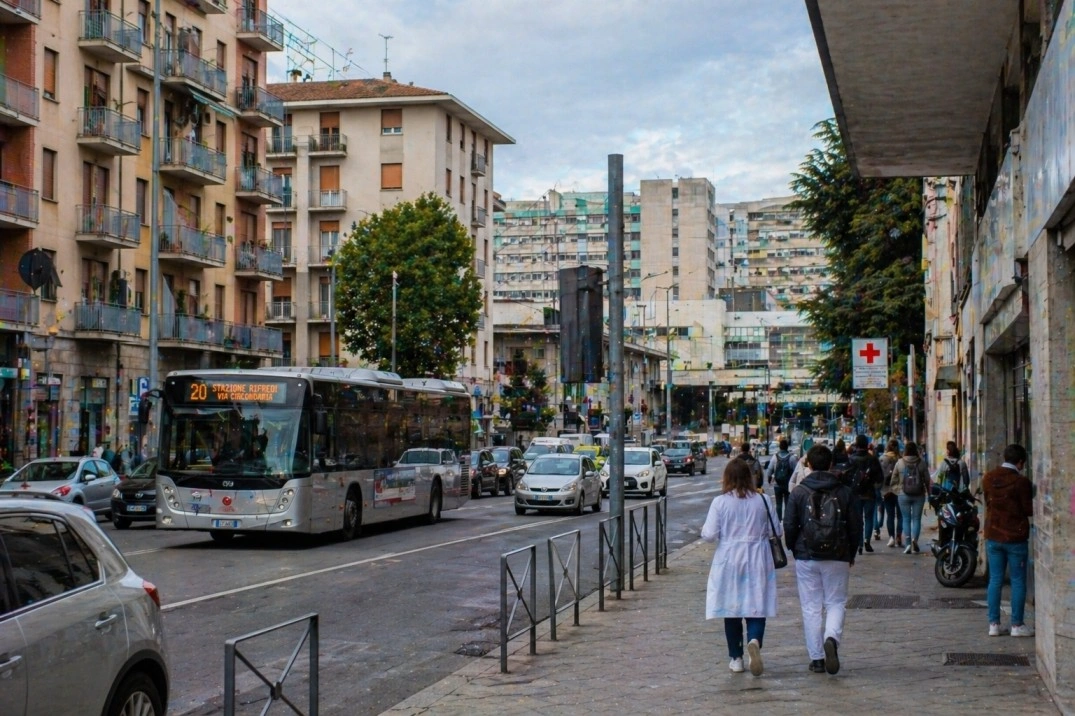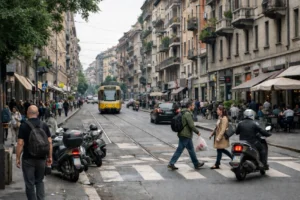
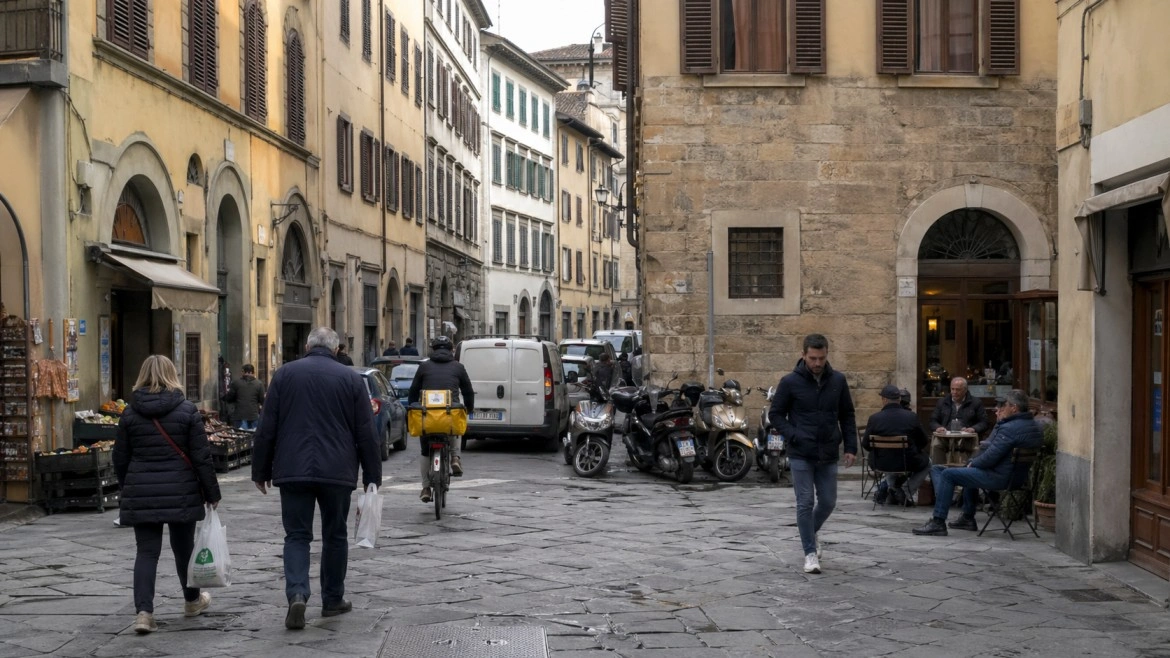
Living in Florence, Italy – pedestrians and scooters on a dense historic street

Living in Florence

Living in Florence means dense streets, strong rail access, and housing pressure that changes how every routine gets planned.

Living in Florence works through compression. The city’s most desired areas sit inside or close to a historic core that was not built for today’s mix of residents, students, visitors, furnished rentals, and remote workers. That physical limit pushes pressure into housing, café seating, central noise, and daily movement. The advantage is proximity: many errands, stations, bars, markets, and cultural routines stay close, but space becomes the recurring cost.

Compared with larger Italian cities, Florence feels easier to read but harder to loosen. Distances are shorter, rail access is strong, and the surrounding towns are unusually usable, yet daily mechanics depend on choosing the right base. Where to live in Florence is not only a budget question. A cheaper apartment farther west or north can improve space, while reducing walkable access to the social and cultural routines many people came for.

Living in Florence means choosing a compact, high-pressure city with strong rail access, walkable routines, and limited housing supply. Its advantage is daily proximity to culture, services, towns, coast, and hills. The trade-off is competition for space, quiet work settings, and realistic long-stay rentals.

Florence sits between Bologna’s functional urban rhythm and Siena’s smaller-scale enclosure: easier to cross than the first, more pressured and internationally distorted than the second.

Is living in Florence for you?

Best For

Trade Offs

Seasonality

Dense · Fragmented · Deliberate

Where to live in Florence
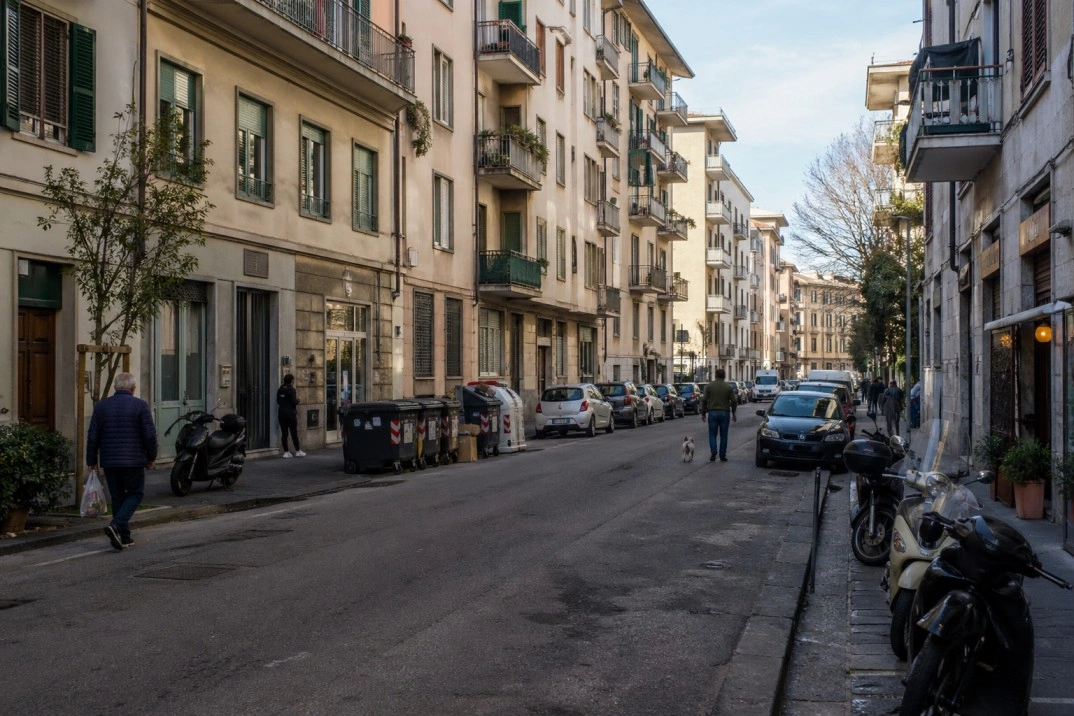
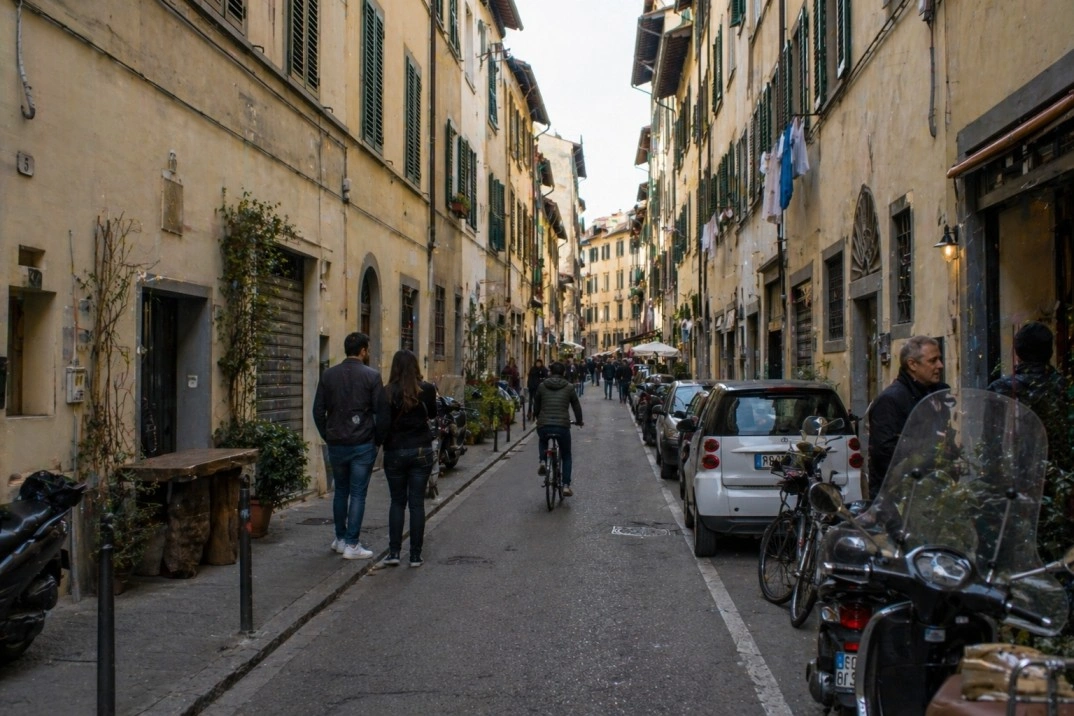
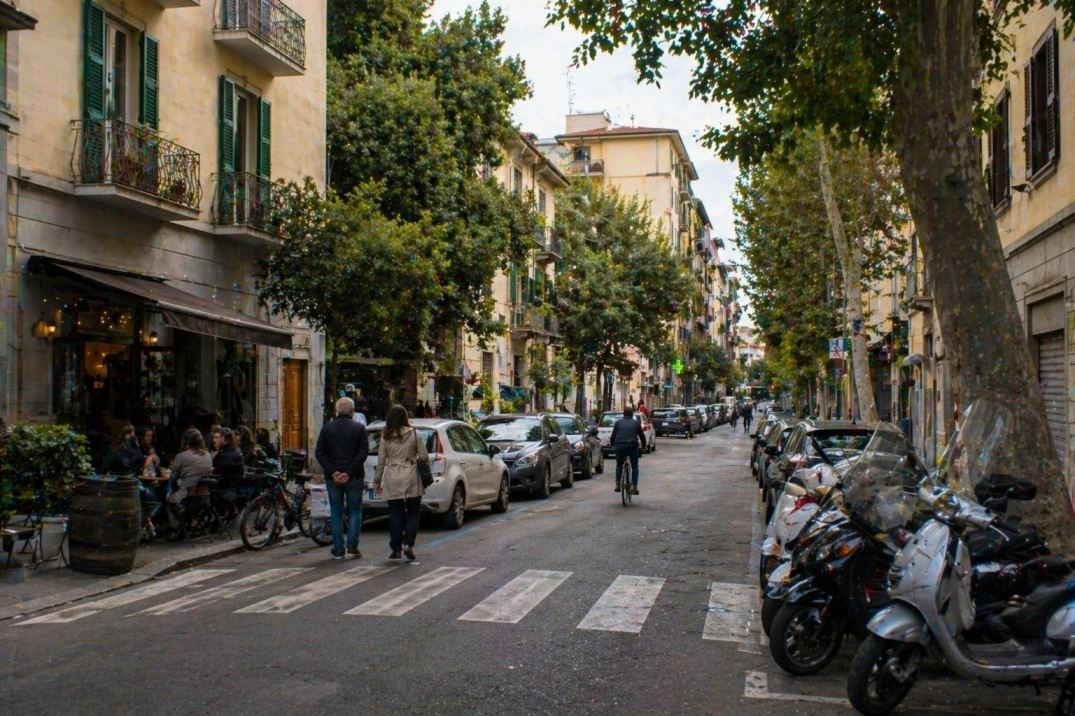
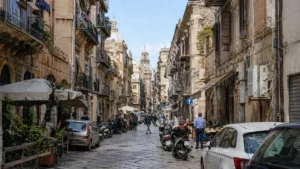
Where to live in Florence, Italy – residential street with apartments and parked scooters

Florence’s housing system is tight because several markets compete for the same compact stock. Local tenants, students, short-stay visitors, furnished medium-term renters, and international arrivals all overlap near the center and Oltrarno. Availability changes quickly, and listings do not always explain contract type, furnishing level, building condition, or whether an Italian room-count label maps to an actual bedroom count. Where to live in Florence therefore depends on more than neighborhood preference: it depends on tolerance for noise, commute shape, paperwork, apartment size, and how much daily life needs to happen within walking distance.

Average housing costs

Neighborhoods in Florence
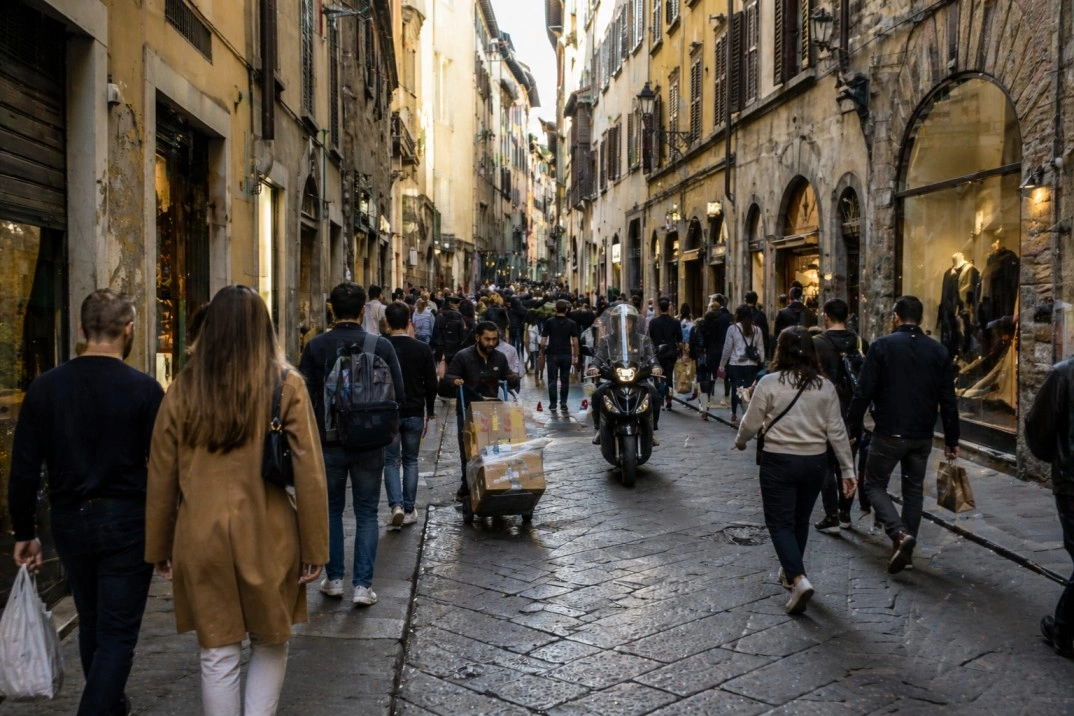
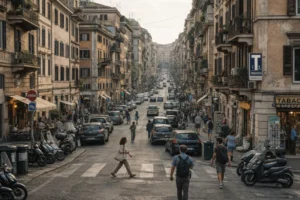
Centro Storico in Florence, Italy – crowded historic street with daily movement

Positioning

Centro Storico is the densest version of Florence: narrow streets, constant foot traffic, short distances, and services packed into a small radius. Daily life is convenient but rarely quiet. Residents share space with visitors, students, tour groups, delivery vehicles, and late movement, so the benefit is proximity and the cost is pressure.

Who's it for

Best for short-to-medium stay residents who want to walk everywhere and can accept noise, smaller apartments, and a higher furnished-rental premium.

Cost Variation

High relative to the city, especially for furnished apartments and central units with credible long-stay conditions.

Price Pressure:

Transport Access:

Noise/Density:

Local Feel:

Daily Convenience:

Coliving in Florence

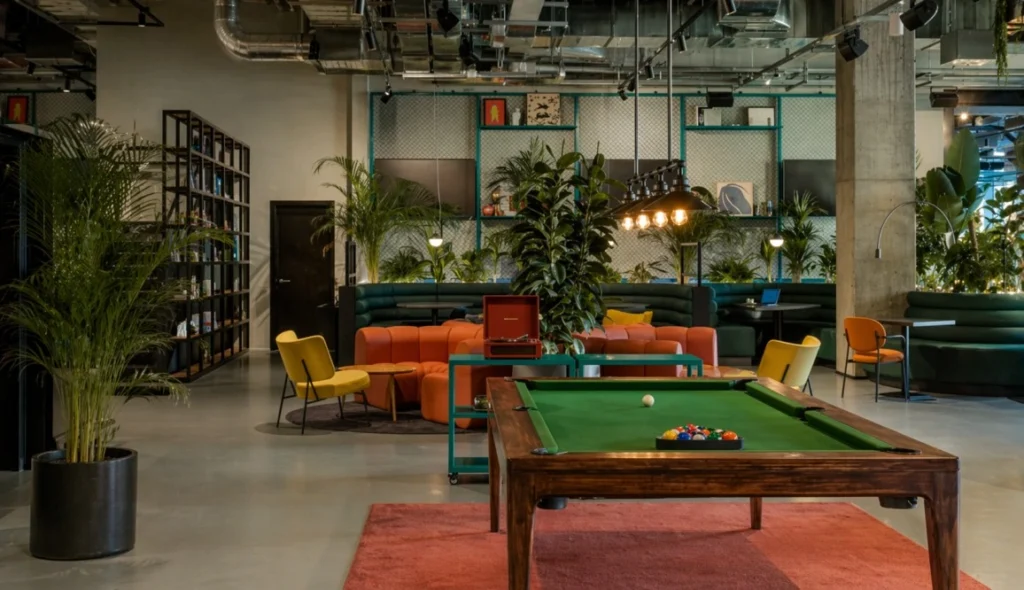
Coliving in Florence exists, but it should be treated as limited and fragmented rather than mature. The city is more likely to offer furnished rentals, shared apartments, student-style residences, hybrid urban accommodation, or nearby retreat formats than a deep supply of structured coliving houses. In-city options are likely expensive because they compete with the same central housing pressure affecting normal rentals. Nearby options may offer more space, but they change the daily relationship with Florence.

Limited Options

Mix City & Nature

Expensive

Coliving spaces in and around Florence
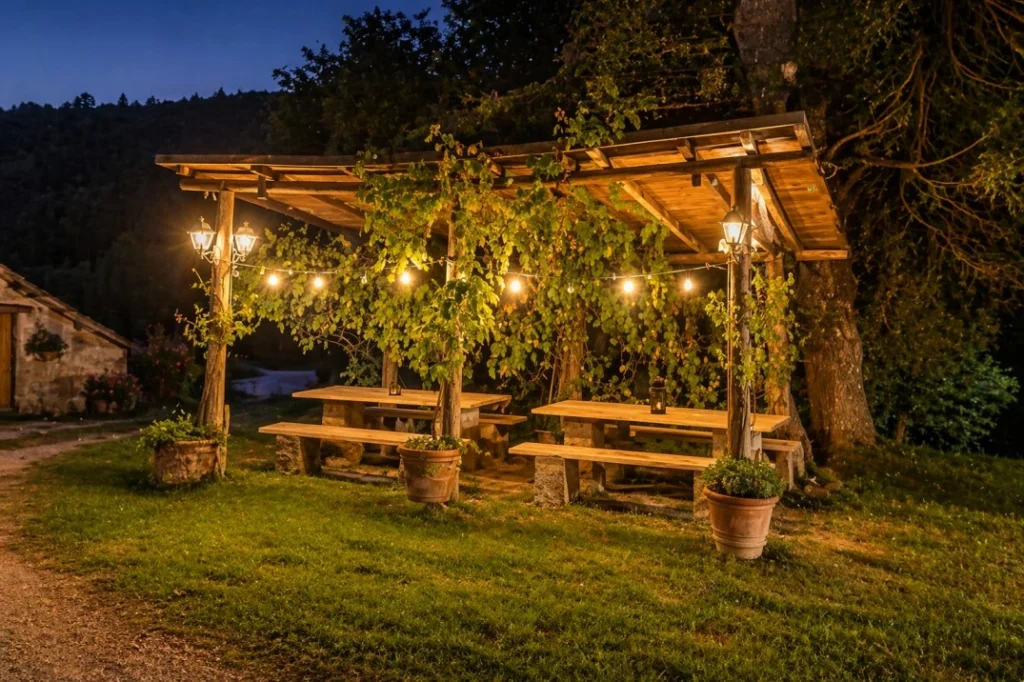
Use the cards as a starting point, then check whether each place solves housing, work setup, and repeat social contact.

How people actually live in Florence

When supply is limited, residents usually assemble the system themselves. Housing comes from furnished flats, shared apartments, or student-style residences. Work happens through home setup, selected coworking, or short café sessions. Connection depends on repeated places: classes, language exchanges, gyms, neighborhood bars, and cultural routines. This can work well in Florence because the city is compact, but it requires deliberate repetition rather than assuming the accommodation creates community.

LIVE

Where you live

Choose housing first by contract, noise, furnishing, and repeatable daily radius.

Central listings may look convenient but hide pressure through small layouts, unclear contracts, tourist noise, or inflated furnished pricing.

WORK

Where you work

Build work around home reliability, coworking access, and cafés used only briefly.

Central cafés can support admin or short calls, but crowding and turnover weaken full-day work routines.

CONNECT

Where you connect

Repeat the same classes, bars, markets, and workspaces until recognition forms.

The international scene is large but fragmented, so occasional events rarely replace a stable neighborhood routine.

Coliving in Florence works only if the operator solves housing, workspace, and connection; otherwise, build those three pieces separately.

Working from Florence
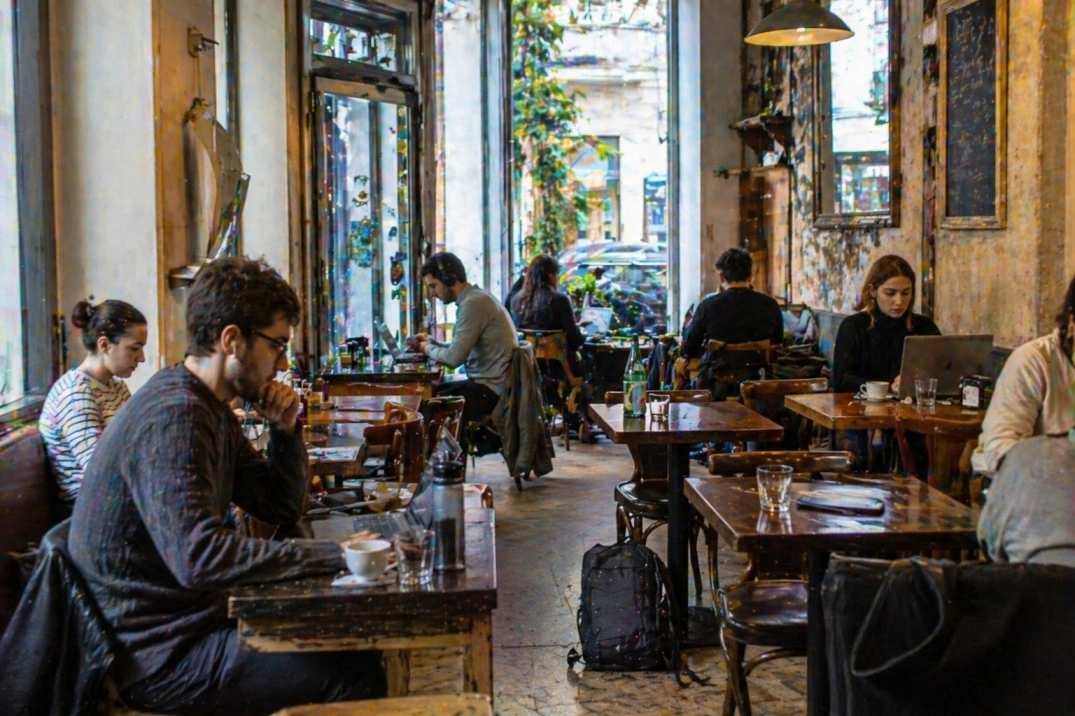
Working from Florence, Italy – laptop users in a busy café workspace

Working from Florence is feasible, but the rhythm needs planning. The city’s compact center creates movement, noise, and seating pressure, especially around tourist streets, markets, and station-side zones. Short café work can fit between errands or meetings. Full-day concentration depends more on apartment quality, coworking access, or quieter residential bases than on casual laptop use in the historic core.

Infrastructure is uneven in practical terms, not necessarily weak. WiFi should be workable in apartments and professional spaces, but the research does not support treating citywide café work as reliable. Coworking in Florence should be framed as useful but not proven abundant from the provided data. The key friction is not only connection speed; it is seating, noise, opening hours, and tolerance for long laptop sessions.

Florence suits workers who can separate focus time from city time. A stable home setup in Le Cure, Campo di Marte, Statuto, Gavinana, or Novoli may support weekdays better than a central romantic address. The center helps with meetings, walking, and social movement, but not always deep work. This works for structured remote workers, not for café-dependent nomads.

Work Environment

Central cafés suit short sessions; full workdays need home setup or dedicated space.

Coworking Availability

Use coworking as planned infrastructure, not a guaranteed neighborhood default.

WiFi Availability

Assume stable apartment WiFi matters more than café connection quality.

Coworking in Florence

Working from Florence fits structured routines; it does not reward improvised laptop days in crowded central cafés.

Community & Social Life
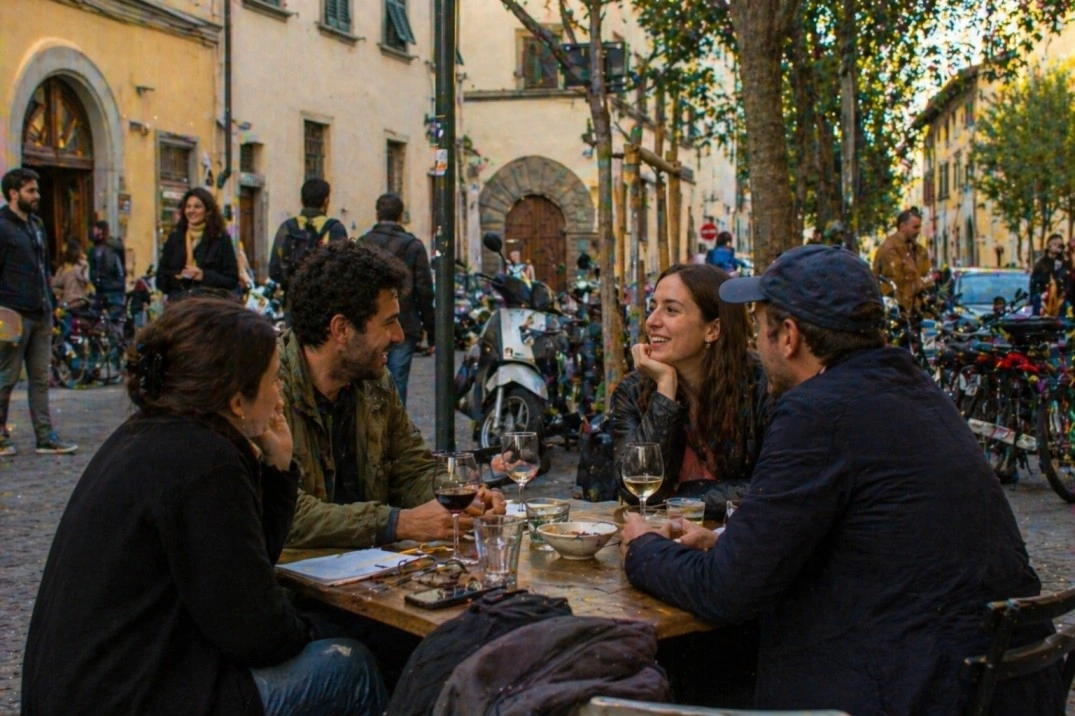
Community in Florence, Italy – small group talking at a neighborhood table

Connection in Florence forms through repetition more than openness. The city has students, academics, creatives, short-stay foreigners, remote workers, and long-term international residents, but those groups do not automatically share one social lane. People meet through language classes, university-linked circles, coworking, gyms, cultural routines, repeated cafés, neighborhood bars, and market habits. The compact layout helps because familiar faces reappear, yet tourist flow can make central encounters feel temporary unless a resident anchors themselves to specific places.

Community is available through repetition; choose a neighborhood rhythm, then let recognition accumulate into real contact.

Beyond Florence: How far your day can stretch
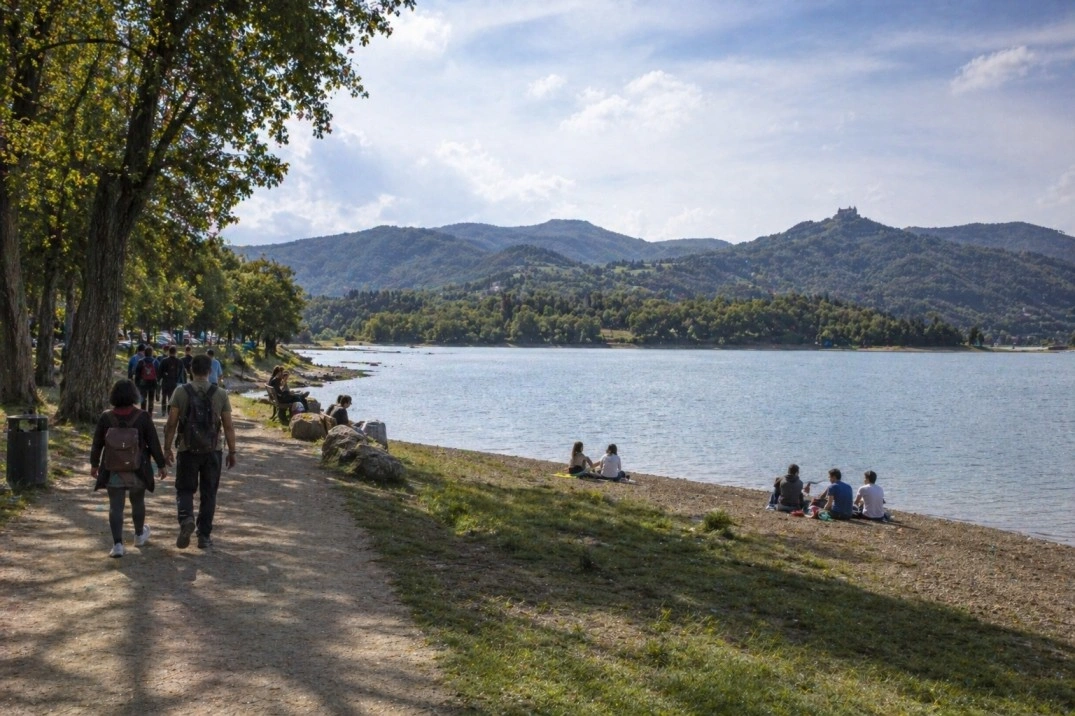
Day trips from Florence, Italy – walkers near a lake and low hills

Florence works well as a base because distance stretches outward in several directions. Rail makes towns like Siena, Pisa, and Bologna realistic extensions of the week, not just occasional trips. Water access takes more planning, but Viareggio, Marina di Pisa, and Lago di Bilancino create real alternatives to staying inside dense streets. Hills and forests are close enough to change the day’s pace, especially by car.

The constraint is mode choice. Towns work best by rail or bus, while beaches, lakes, and elevation often become slower or transfer-heavy without a car. Abetone and Val di Luce are useful mountain references, but public transport turns them into planned days rather than casual breaks. Florence is connected, not frictionless.

Accessible from Florence

Accessible from Florence means more than weekend sightseeing: the city’s position lets residents use towns, water, rail, and hills as pressure valves when central density starts shaping the week too tightly.

Water Access

Water access from Florence is real, but not effortless. Lago di Bilancino is the most practical short escape, especially by car or direct bus. Viareggio gives the strongest beach-by-rail option, while Marina di Pisa works better when bus or car timing is acceptable. These places matter because summer density and heat can make the city feel physically tight; water becomes part of weekly recovery, not just leisure.

Water access is useful but planned. Lago di Bilancino is closest, Viareggio works by rail, and Marina di Pisa needs more timing discipline.

75'

100'

160'

75'

140'

105'

30'

-

60'

Elevation

Elevation changes the week faster than the coast. Monte Morello and Vallombrosa give nearby hill and forest access, useful when the city’s stone streets and crowds feel compressed. Abetone and Val di Luce add mountain and ski logic, but they require more planning without a car. The pattern is clear: light elevation resets are easy, while serious mountain days need time, transport discipline, and weather awareness.

Monte Morello and Vallombrosa are realistic resets. Abetone and Val di Luce work better as planned mountain days, especially with a car.

35'

-

100'

45'

45'

90'

80'

200'

240'

Nearby Towns

Nearby towns are one of Florence’s strongest practical advantages. Siena gives a slower Tuscan counterweight, Pisa adds university-city access, and Bologna becomes unusually reachable by fast train. These are not only day-trip names; they let long-stay residents vary weekends, meetings, errands, and social plans without changing base. The strongest pattern is rail confidence: Florence rewards people who actually use the station.

Siena, Pisa, and Bologna extend the week without changing base. Rail access makes Florence feel larger than its compact streets suggest.

60'

90'

75'

75'

90'

65'

90'

40'

90'

Transport Nodes

Transport nodes make Florence more usable than its housing market suggests. Santa Maria Novella anchors most outward movement, while Campo di Marte and Rifredi matter for residents outside the center. Florence Airport adds short-flight access without leaving the urban system, especially from the north and west. The daily benefit is flexibility: choosing the right neighborhood can reduce friction before every train, tram, or work trip.

Santa Maria Novella, Campo di Marte, Rifredi, and Peretola shape how practical each neighborhood feels for work, travel, and multi-base living.

10'

10'

20'

20'

-

20'

30'

-

20'

Florence works best as a compact base with strong exits, not as a city that removes transport planning.
FAQs

Is Florence good for remote workers?

Yes, if work is structured around home setup, coworking, or selected quiet spaces. Florence is not ideal for people who depend on all-day café work. Central seating, visitor turnover, and noise make working from Florence easier with a planned routine than with daily improvisation.

The cost of living in Florence is high mainly because housing is compressed and distorted. A realistic long-stay room often sits around €500–€650, while studios and one-bed apartments rise quickly. Groceries are manageable, but rent determines whether the city feels feasible.

Look beyond the historic core first. Le Cure, Campo di Marte, Gavinana, Statuto, Rifredi, and parts of Isolotto offer more repeatable residential patterns. Central areas give better walking access, but they also bring more noise, higher prices, and stronger visitor pressure.

No, coliving in Florence should be treated as limited and fragmented. Some shared, furnished, student-style, or hybrid options may work, but the city does not yet function like a mature coliving market. Many residents need to assemble housing, workspace, and community separately.

Not for daily central life, but a car helps outside the city. Trains and buses cover many towns well, while water and elevation access often becomes slower or transfer-heavy without driving. The need depends heavily on neighborhood choice and weekend habits.

Scroll to Top

What was missing?

Tell us what you expected to find, or what would have made this guide more useful.