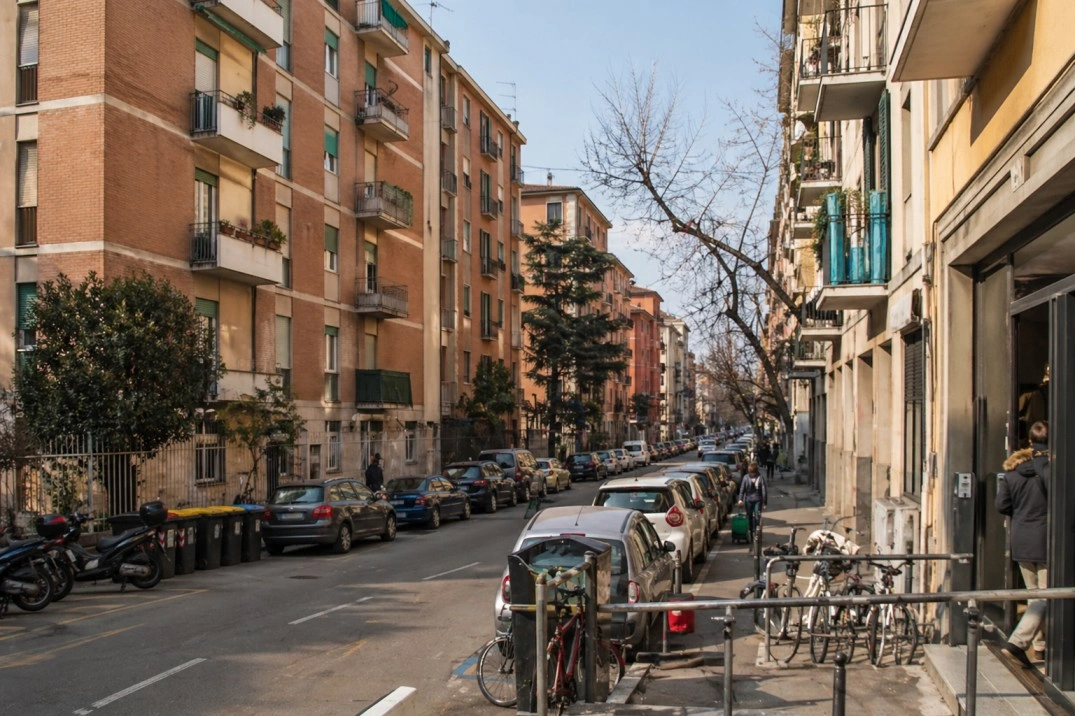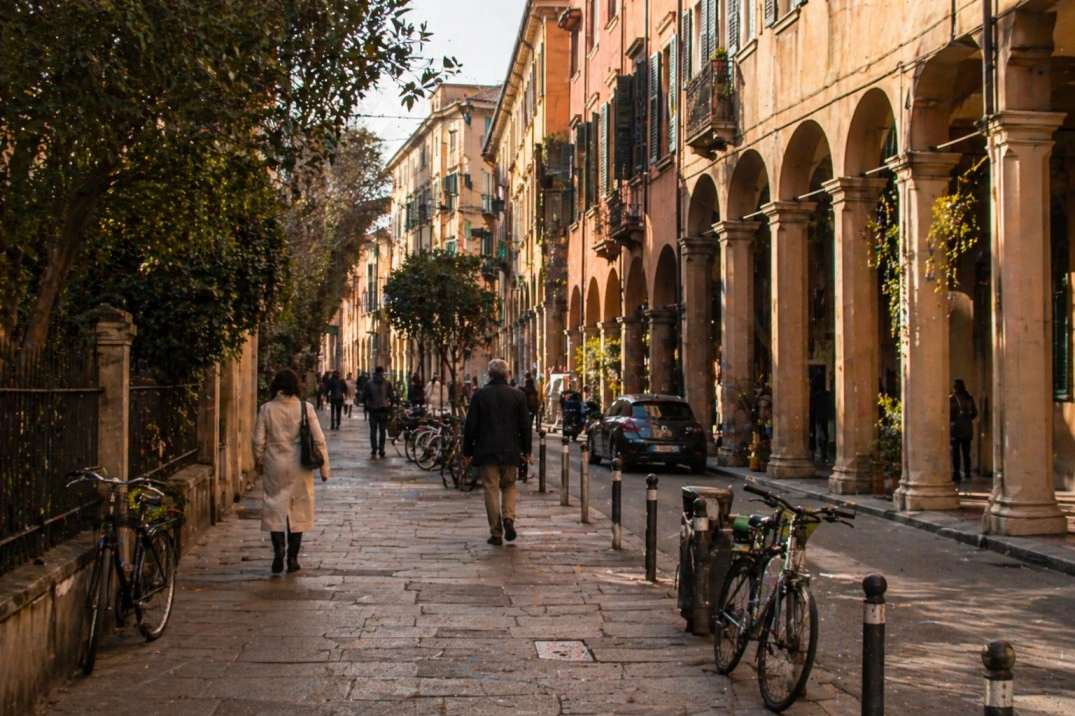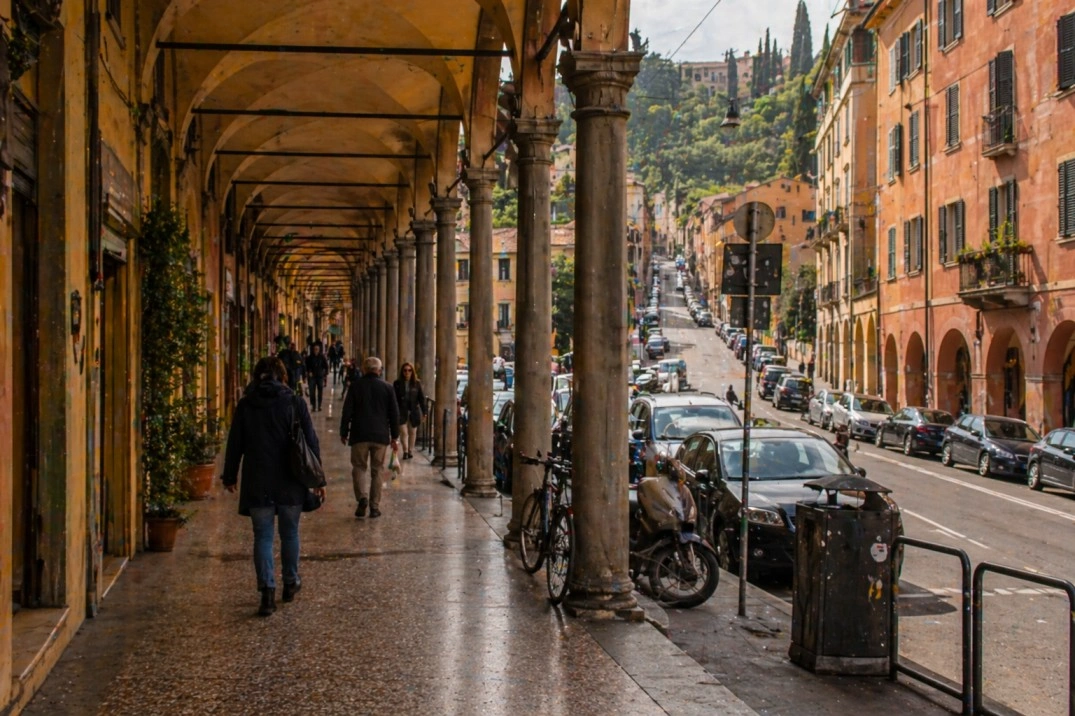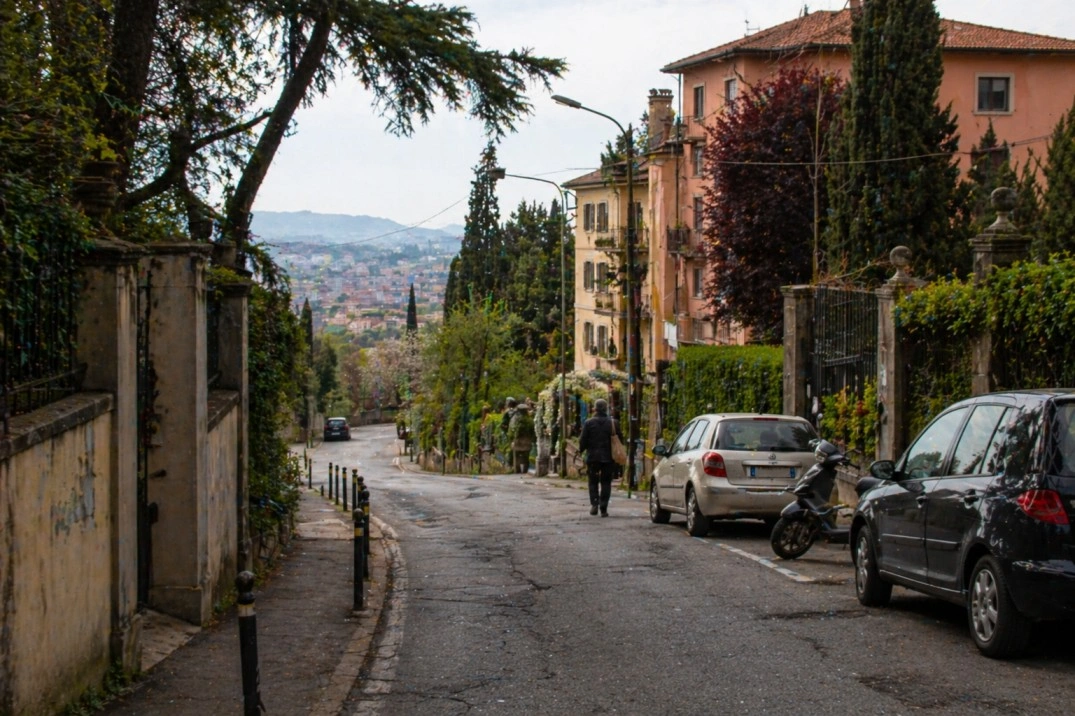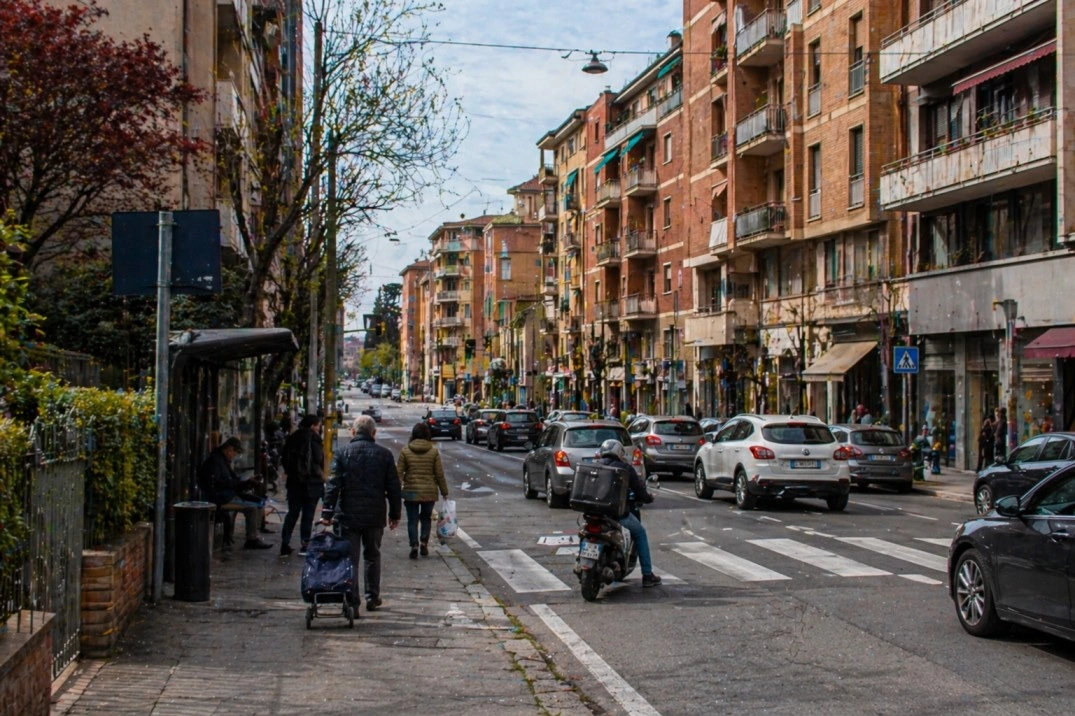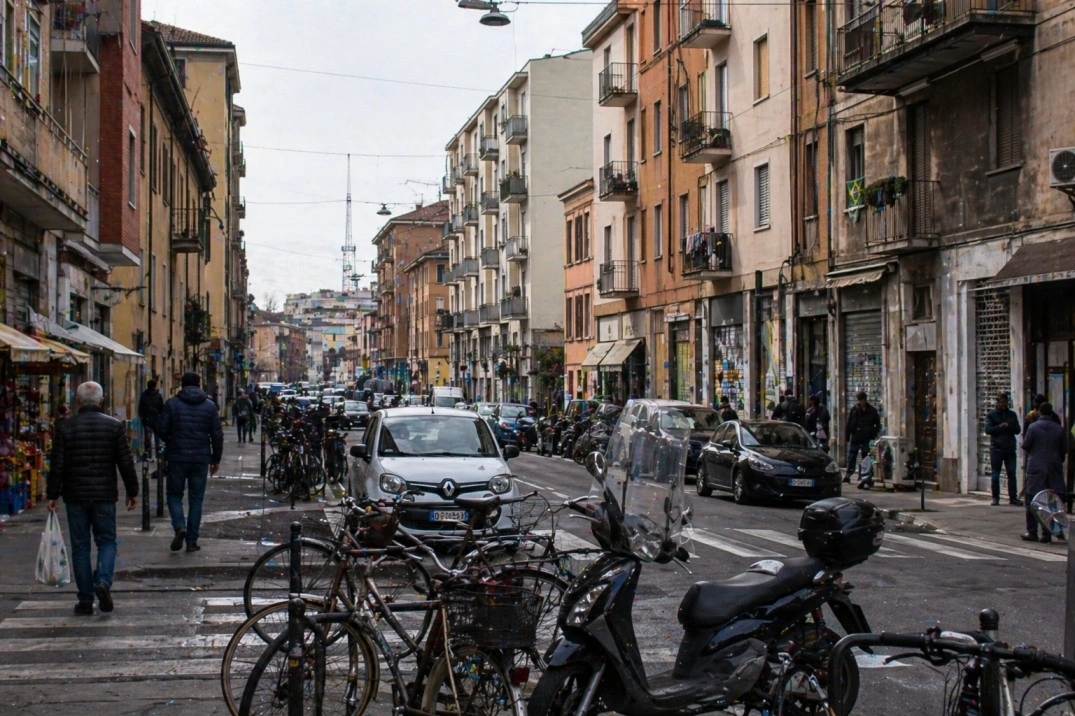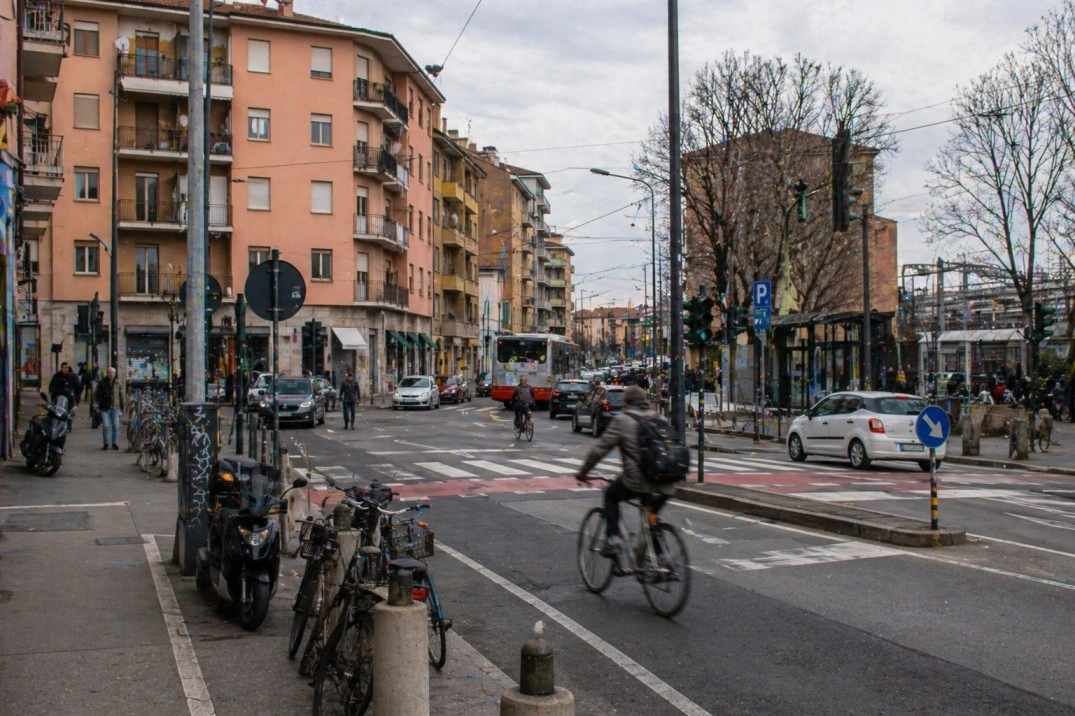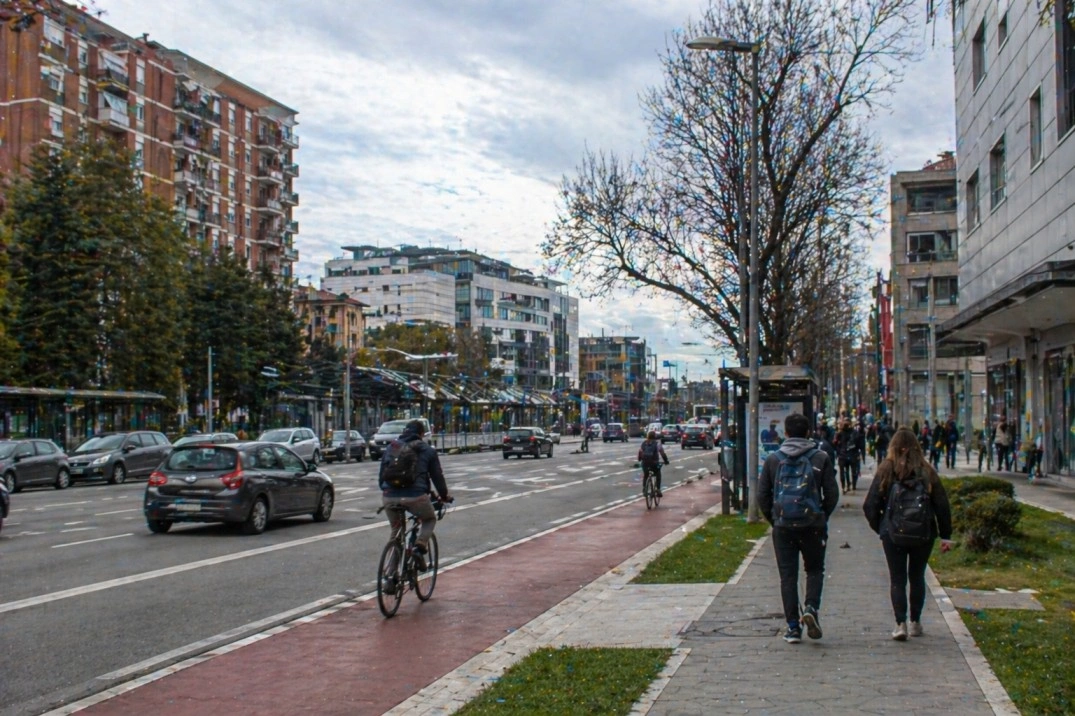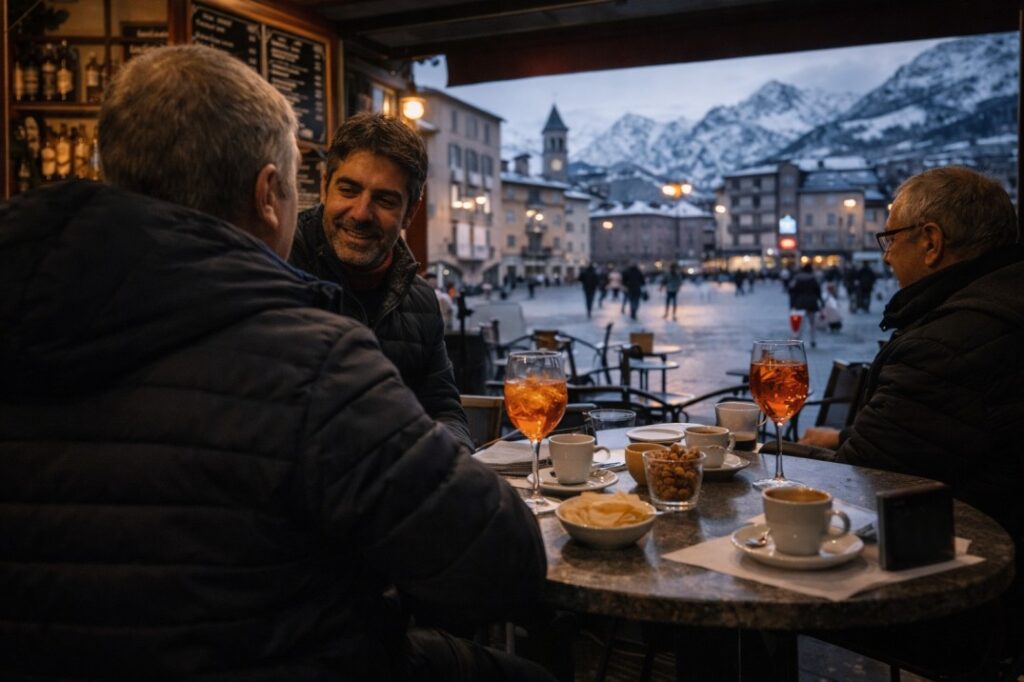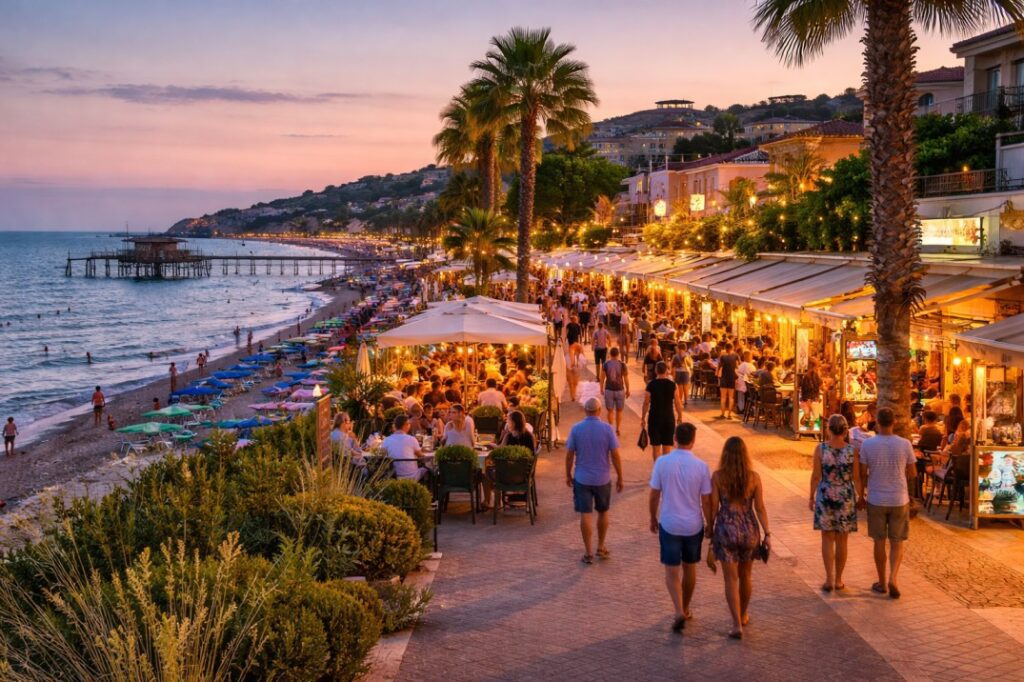
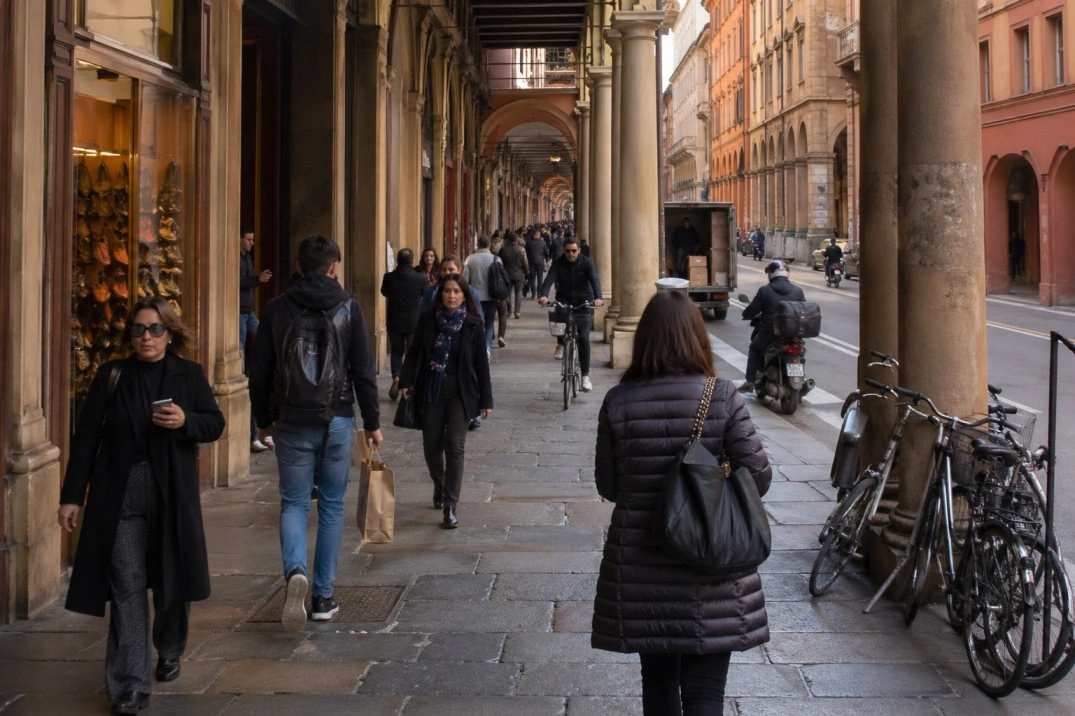
Living in Bologna, Italy – people walking under central porticoes on a normal day

Living in Bologna

Living in Bologna means moving through porticoes, students, trains, and food routines, with strong access but compressed housing choices.

Living in Bologna works through compression: a compact historic centre, university pressure, porticoed streets, and rail infrastructure keep daily life close together. The city is not large, but it carries more movement than its size suggests. Students, workers, commuters, food shoppers, and visitors pass through the same streets, cafés, markets, and station routes. That creates a walkable city with real depth, but also one where housing, quiet, and personal space are not evenly distributed.

Compared with Milan or Rome, Bologna is easier to cross and less exhausting to manage, but that does not make it loose or cheap. The cost of living in Bologna is shaped less by luxury and more by competition for ordinary space: rooms, studios, central apartments, and quiet desks. A practical signal is simple: someone can live well without a car inside the city, but finding a furnished, flexible rental near the right routines requires patience.

Living in Bologna means choosing a compact university city with strong walkability, food routines, and fast rail access. The advantage is daily convenience without big-city scale. The trade-off is housing pressure, student-season competition, and limited quiet space for work or longer stays.

Bologna sits between Florence’s visitor pressure and Milan’s metropolitan intensity: denser than expected, easier to navigate, but less spacious than its size implies.

Is living in Bologna for you?

Best For

Trade Offs

Seasonality

Compact · Structured · Pressured

Where to live in [CITY]

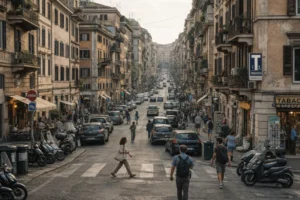
Where to live in Bologna, Italy – residential street with apartments and parked cars

Where to live in Bologna is not only a question of taste; it is a question of availability, contract fit, and daily friction. The same city can feel easy on foot and difficult on the rental market. Central areas give the strongest access but compress space and increase competition. Residential districts reduce tourist pressure, but they change the daily rhythm: more buses, more local errands, fewer spontaneous evening circuits. Furnished 6–18 month rentals are the pressure point, especially near the centre, university streets, and well-connected residential zones.

Average housing costs

Neighborhoods in Bologna
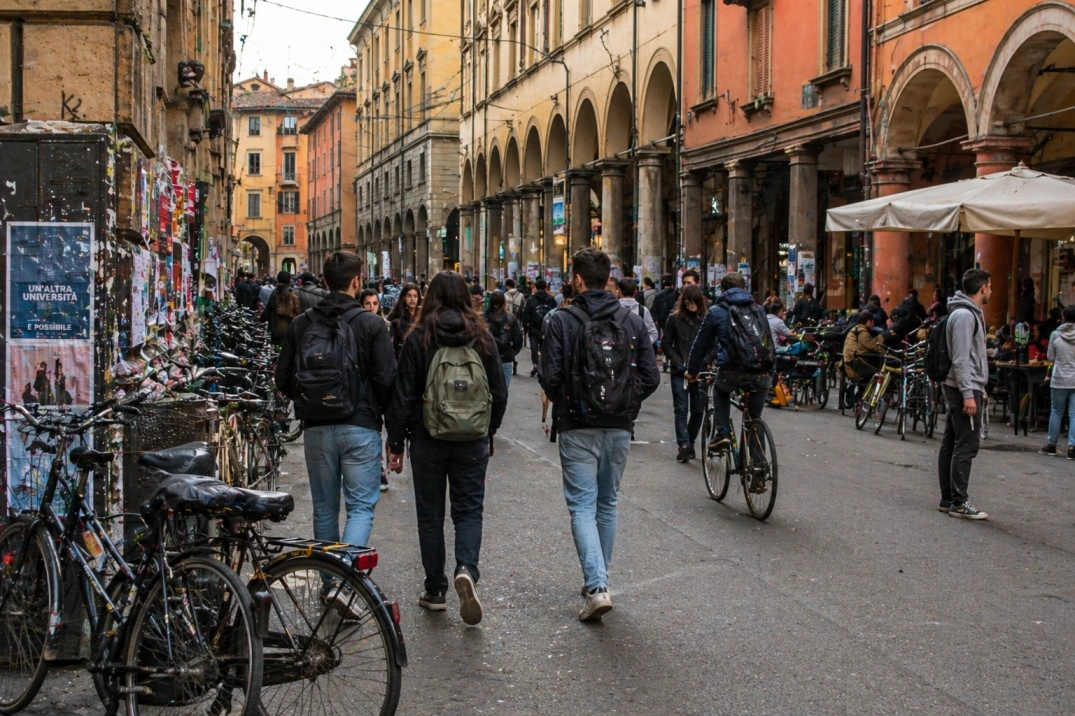
Centro Storico in Bologna, Italy – pedestrians under dense central porticoes

Positioning

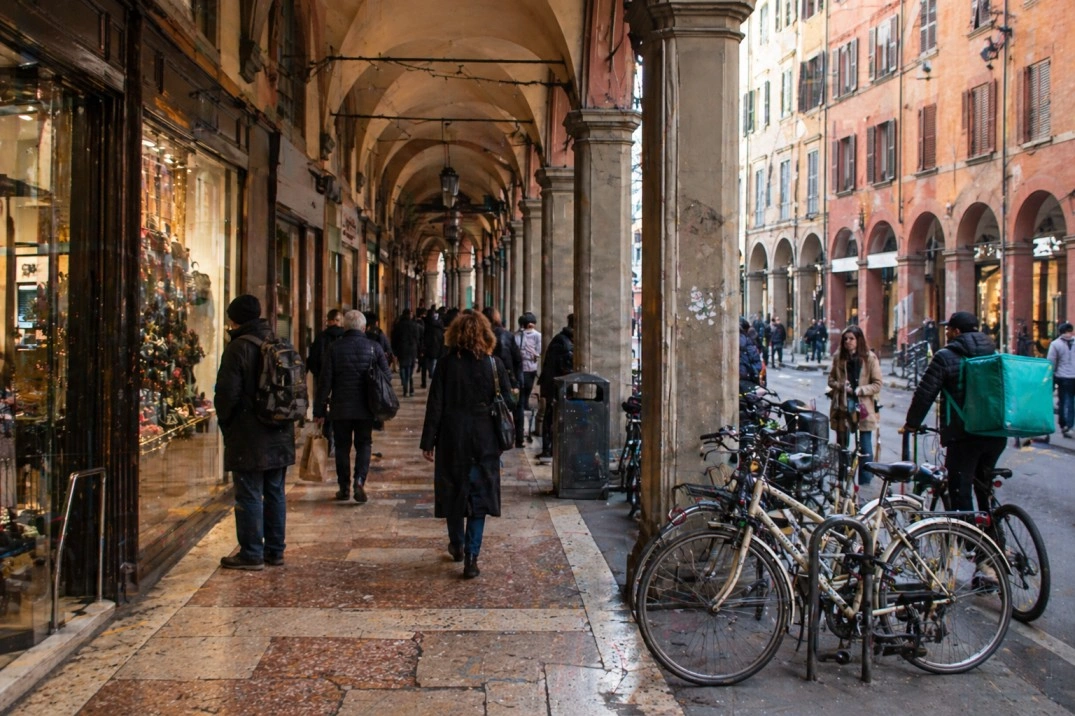
Centro Storico is the most direct version of Bologna: porticoes, food shops, university spillover, errands, buses, bars, and foot traffic pressed into a small area. Daily life here is efficient but rarely spacious. The benefit is immediate access to almost everything; the cost is noise, competition, smaller housing, and less separation between home life and street movement.

Who's it for

Best for first-time Bologna residents, solo professionals, or couples who want maximum walkability and can accept smaller apartments, street noise, and higher rent pressure.

Cost Variation

High relative to the city, especially for furnished central units where convenience outweighs apartment size or value.

Price Pressure:

Transport Access:

Noise/Density:

Local Feel:

Daily Convenience:

Coliving in Bologna

Coliving in Bologna exists, but it should not be treated as a mature, city-defining market. The realistic supply is limited and fragmented: furnished rooms, shared apartments, student-adjacent housing, serviced studios, and occasional hybrid options nearby. This matters because Bologna’s housing pressure does not disappear through coliving. The format can help with entry, flexibility, and basic social contact, but it rarely provides the full built-in community found in stronger coliving destinations.

Limited Options

Mostly City-Based

Mid-Range Prices

Coliving spaces in and around Bologna
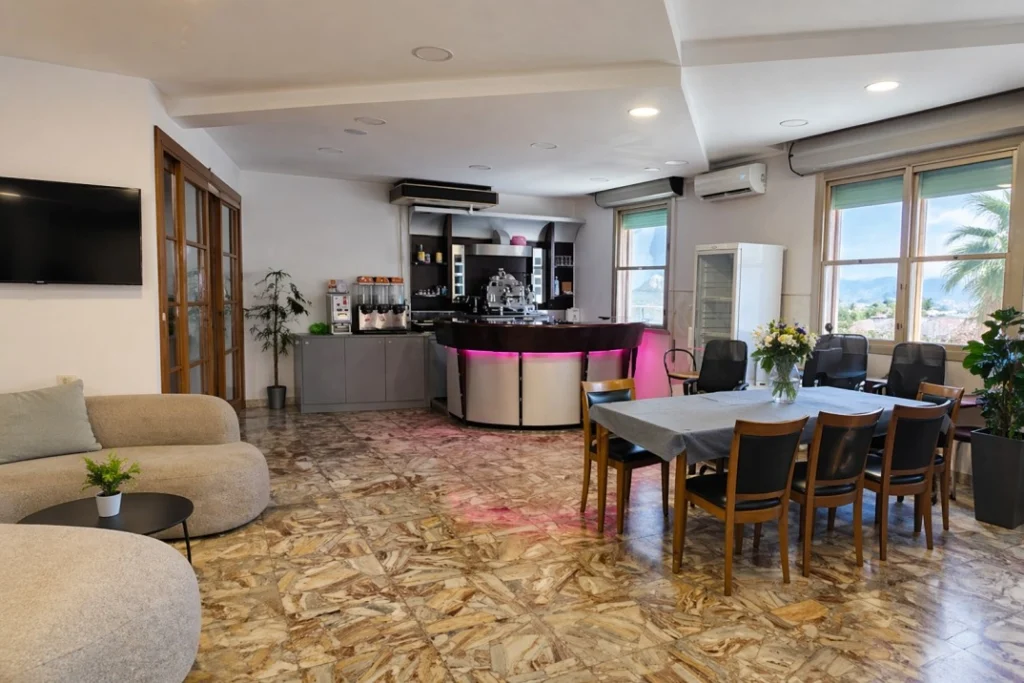
Use the listings as entry points, then check contract length, workspace quality, and whether community is structured or only implied.

How people actually live in Bologna

The fallback system in Bologna is assembled rather than provided. Housing usually comes first: a furnished room, studio, or shared apartment near the right daily routes. Work then depends on the apartment setup, with coworking or cafés filling specific gaps. Connection forms through repetition: language exchanges, university-adjacent circles, coworking, food routines, and returning to the same places often enough to be recognized. The model can work, but it requires more active design than a single coliving booking.

LIVE

Where you live

Secure flexible housing first, then judge the neighborhood by daily routes.

The friction is availability. Good furnished rentals move quickly, and cheaper Italian listings may not match flexible international needs.

WORK

Where you work

Treat home as the main desk, with coworking as backup.

Cafés support short sessions, but seating, noise, and opening hours make them unreliable for full workdays.

CONNECT

Where you connect

Build repetition through cafés, coworking, language events, and neighborhood habits.

Bologna has social depth, but newcomers usually enter slowly because many circles already exist.

Coliving in Bologna works best as a practical entry layer, not the whole lifestyle; plan housing, work, and connection separately.

Working from Bologna
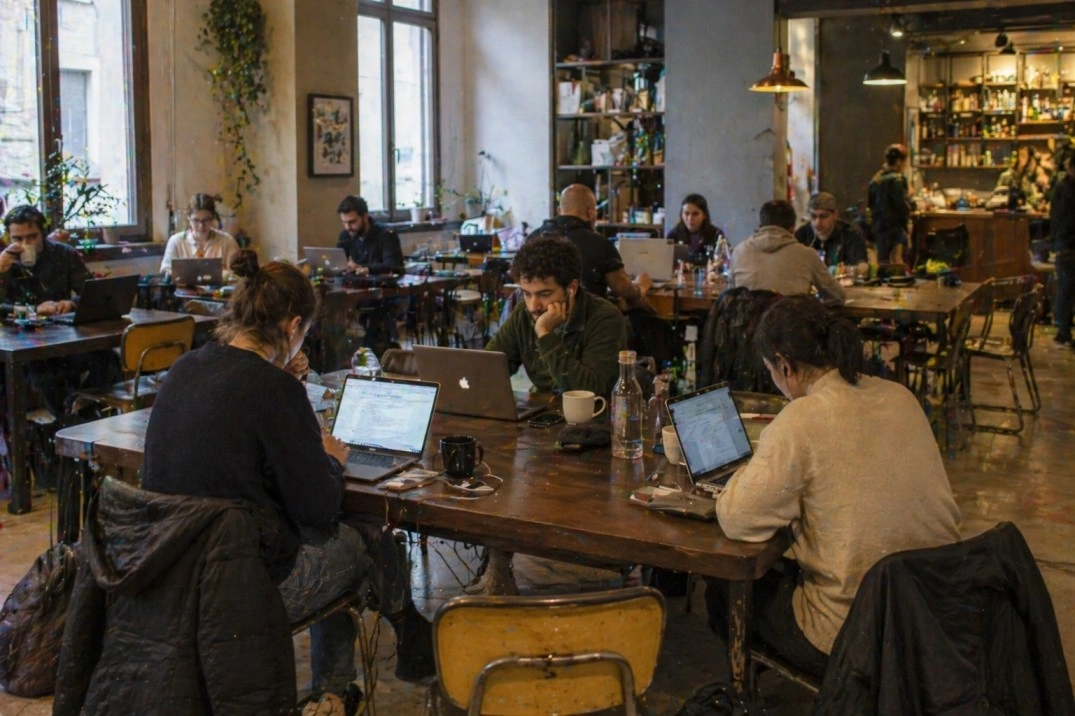
Remote work in Bologna, Italy – people working on laptops in a realistic café or coworking space

Working from Bologna is feasible when the day is structured around the apartment first. The city has enough pace to keep routines active, but central noise, student movement, and crowded cafés reduce predictability. Short laptop sessions can work in the right places; full days need a quieter base. Bologna rewards people who separate work hours from street life instead of expecting every café to behave like an office.

WiFi is realistic in apartments, coworking spaces, and many managed rentals, but café reliability should be treated as uneven. Coworking in Bologna is present enough to support remote workers, though it is not the city’s defining feature. The main friction is not whether infrastructure exists; it is whether seating, quiet, opening hours, and location match a repeatable work rhythm during busy student or lunch periods.

A good work setup in Bologna usually combines home desk, occasional coworking, and short café breaks near daily errands. That arrangement fits the city’s compact rhythm better than searching for one perfect remote-work hub. People who need silence, late-night access, or predictable all-day café seating may feel constrained. It works for self-managed remote workers, not for people needing office-grade conditions everywhere.

Work Environment

Best workdays start at home, then use cafés or coworking for controlled breaks.

Coworking Availability

Enough spaces exist for structure, but they do not dominate Bologna’s work culture.

WiFi Availability

Apartments and coworking are safer than cafés for calls, uploads, and long sessions.

Coworking in Bologna

Working from Bologna is realistic with a home-first setup; weak planning turns compact city life into daily friction.

Community & Social Life
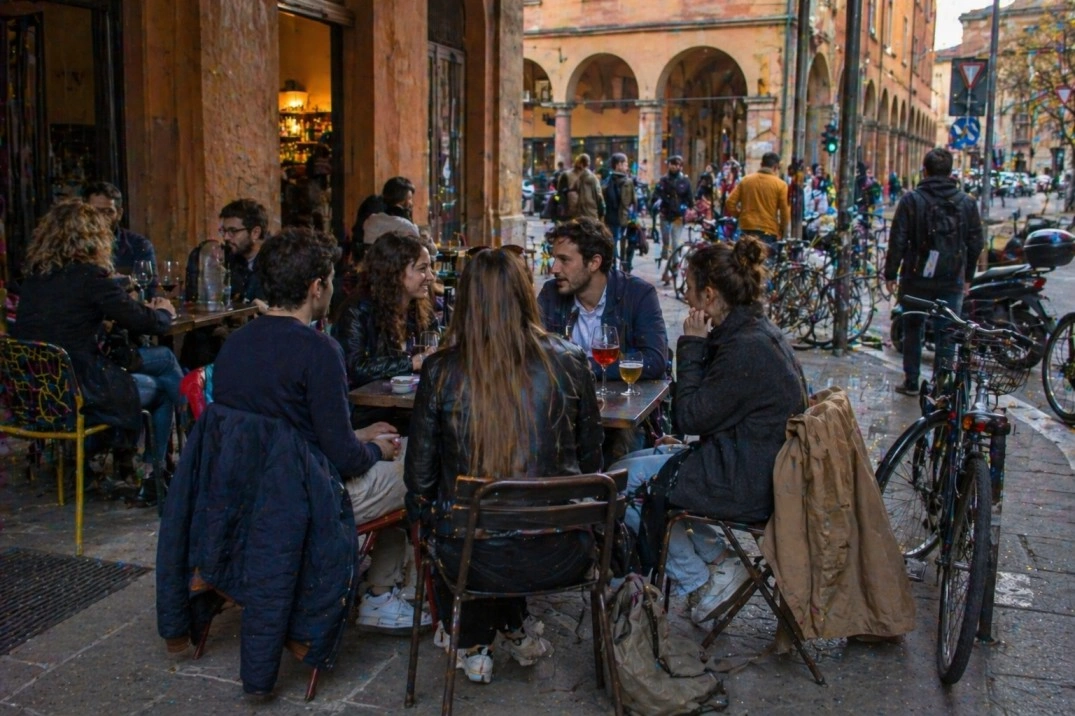
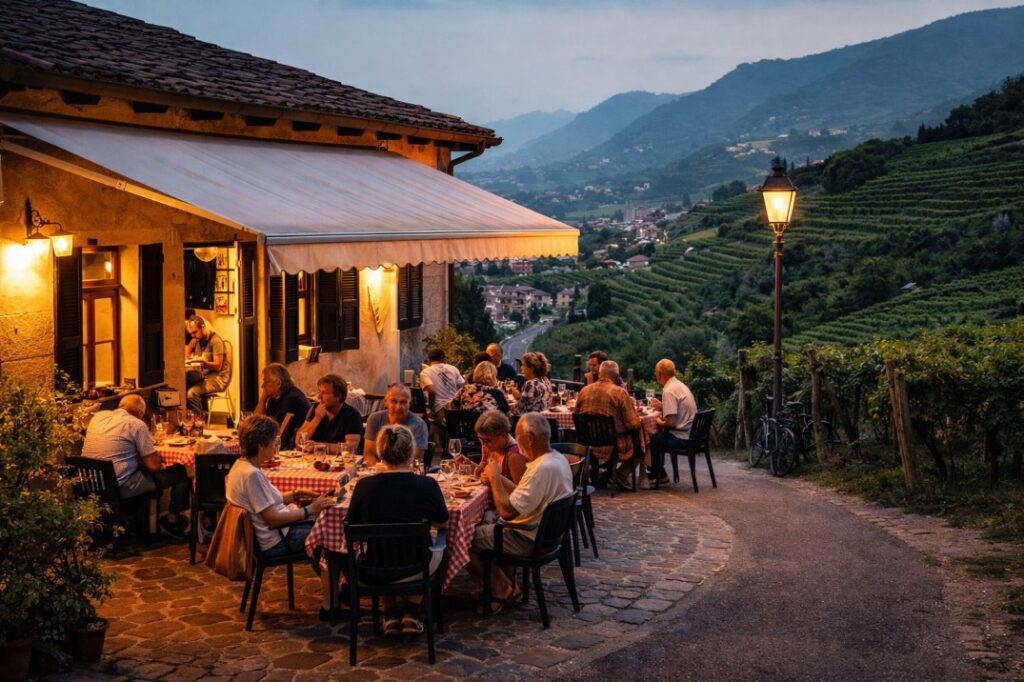
Community in Bologna, Italy – small group talking at an outdoor bar table

Connection in Bologna tends to form through repetition rather than instant inclusion. People meet by returning to the same cafés, joining language exchanges, using coworking spaces, entering university-adjacent circles, or becoming visible in a neighborhood routine. The city has students, locals, internationals, and professionals, but they do not automatically merge. Italian helps, and so does patience. Social life often begins around small repeated signals: the same bar, the same market, the same walk, the same table after work.

Bologna can become socially warm, but the entry cost is consistency, not simply showing up once.

Beyond Bologna: How far your day can stretch
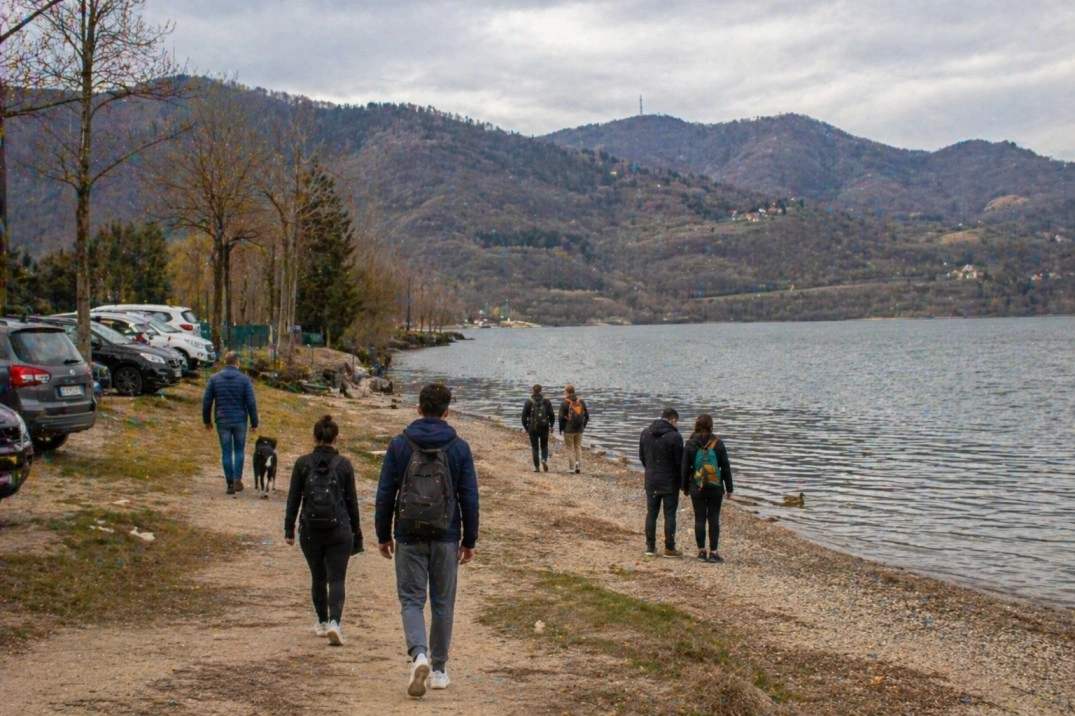
Day trips from Bologna, Italy – walkers near a lake and low Apennine hills

Bologna stretches outward better by rail than by pure landscape access. Modena, Ferrara, and Florence fit easily into the week because the station is one of the city’s strongest assets. Water and elevation are different. The Adriatic can work by train, while lakes and Apennine routes often become much easier by car. That creates a useful base, but not effortless nature access from every neighborhood.

The constraint is mode choice. A person without a car can still reach towns, stations, and some beach routes, but lake days, ridge walks, and mountain escapes require more planning. Public transport can turn a short car trip into a half-day logistical exercise, especially for Suviana, Corno alle Scale, or smaller Apennine locations.

Accessible from Bologna

Bologna’s strongest external advantage is not one landscape; it is range. The city gives fast rail access to nearby towns and major routes, while nature access depends more sharply on car availability.

Water Access

Water access from Bologna is useful but uneven. Rimini is the clearest train-based beach option, making it realistic for a long day rather than a full weekend. Cervia and Milano Marittima add pinewood and calmer coastal routines, but work better by car. Lago di Suviana changes the weekly rhythm most sharply, because it offers lake and Apennine space, yet public transport makes it far less spontaneous.

Water access works best by train to Rimini or by car to Cervia and Suviana. The coast is realistic; lake access needs more planning.

90'

65'

100'

70'

150'

170'

80'

-

290'

Elevation

Elevation near Bologna is close enough to matter, but not equally usable. Monte Adone gives the quickest ridge-walk feeling and can reset a week without a long journey. Monte Sole adds history and hills within a manageable reach. Corno alle Scale is a real mountain option, including snow and hiking, but it behaves like a planned escape rather than a casual after-work change of scene.

The hills are close, but access changes by destination. Monte Adone is the simplest reset; Corno alle Scale needs a planned day.

45'

-

-

45'

-

-

95'

140'

-

Nearby Towns

Nearby towns are where Bologna becomes unusually flexible. Modena and Ferrara are short enough by train to fit into ordinary weekends, not only special trips. Florence gives a major-city reset without changing base. These routes matter for long-stay life because they prevent Bologna from feeling closed: food, museums, work meetings, and different urban textures remain within reach without moving home.

Town access is Bologna’s strongest extension. Modena, Ferrara, and Florence make the city feel larger without changing your base.

45'

30'

50'

50'

30'

70'

80'

45'

80'

Transport Nodes

Transport is one of Bologna’s strongest arguments as a long-stay base. Bologna Centrale supports national rail movement, making short trips and multi-city routines unusually practical. The airport and Marconi Express add international access without forcing life into a larger city. The autostazione extends budget mobility, though central traffic and station-area density can make arrivals feel more functional than comfortable.

Bologna works well as a base because rail, airport, and coach access are close. The trade-off is station-area density.

10'

-

20'

30'

20'

40'

15'

-

20'

Bologna works best as a compact base with strong rail reach and selective nature access, not as an effortless outdoor city.
FAQs

Is Bologna a good city for remote workers?

Yes, Bologna works for remote workers who can build a home-first work setup. The city has enough coworking and café options for variety, but full workdays need predictable seating, WiFi, and quiet. Working from Bologna is easier when the apartment carries most of the workload.

The cost of living in Bologna is moderate by major Italian-city standards, but furnished rentals are the pressure point. A realistic long-stay budget should treat rooms around €650, studios around €1,200, and one-bed apartments around €1,350 as more useful anchors than student estimates.

Remote workers should focus on Centro Storico, Santo Stefano, Saragozza, Murri, Bolognina, or Navile depending on work rhythm. Where to live in Bologna depends less on charm than on noise, transport, desk setup, and whether daily errands can happen without crossing the city.

Coliving in Bologna is limited and fragmented. Expect furnished rooms, shared apartments, serviced studios, and some flexible housing rather than a mature branded coliving scene. The practical approach is to secure housing first, then use coworking, language events, and repeated neighborhood routines for connection.

No, not for daily city life. Bologna is walkable, bikeable, and strongly connected by train. A car becomes useful for lakes, Apennine hikes, hillside living, or spontaneous nature access. Without one, the city still works, but weekend geography becomes more planned.

Scroll to Top

What was missing?

Tell us what you expected to find, or what would have made this guide more useful.