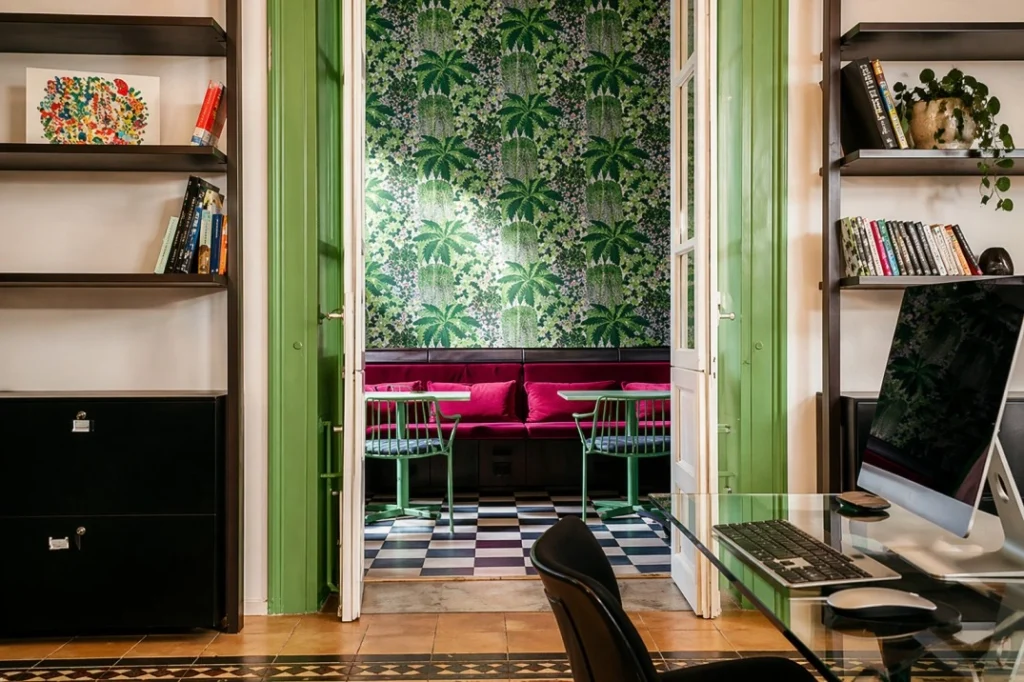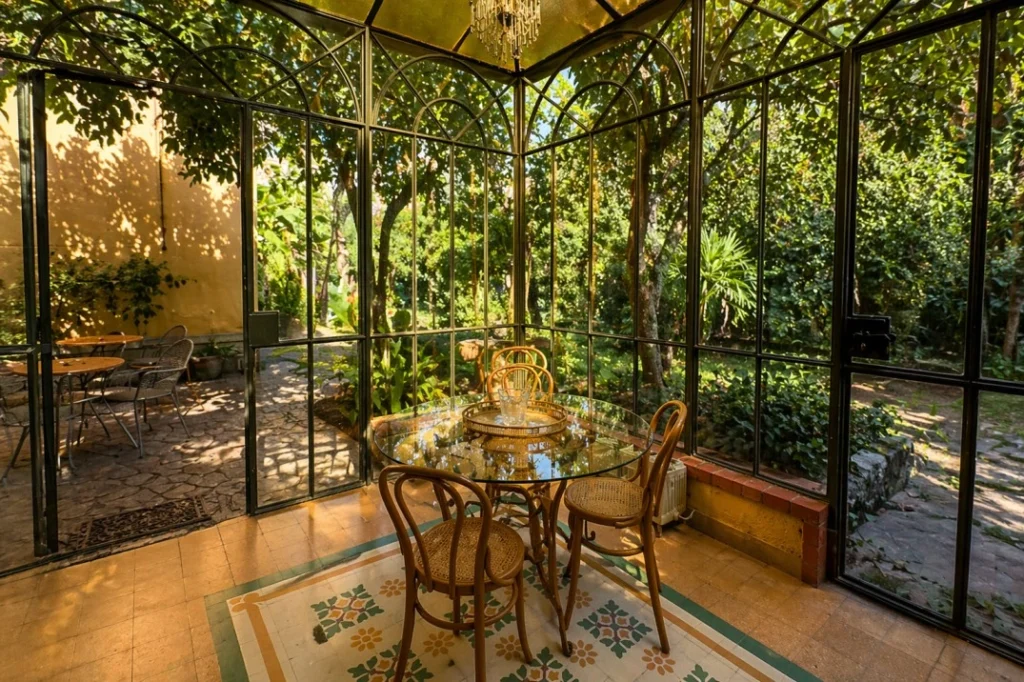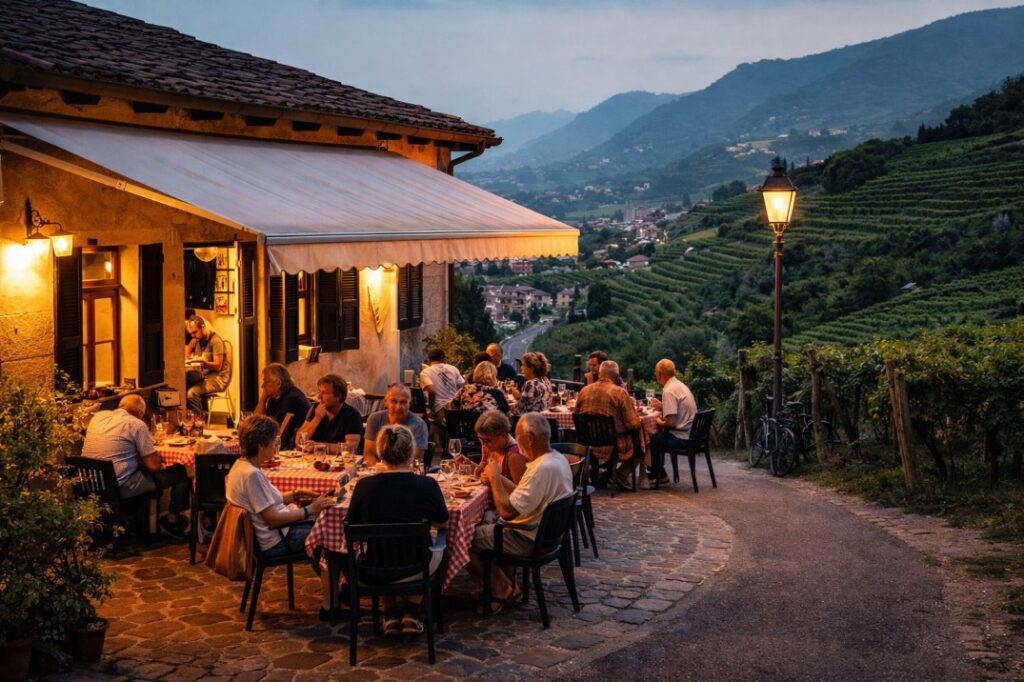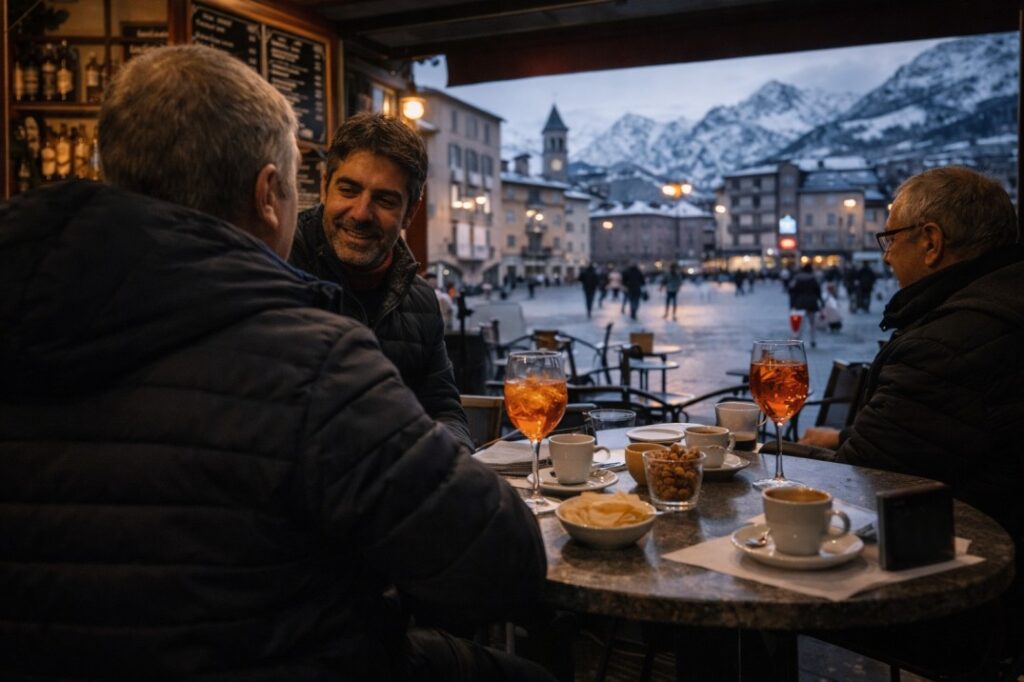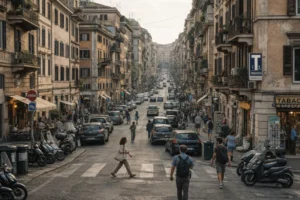
Living in Palermo, Italy – everyday street life in the historic center

Living in Palermo

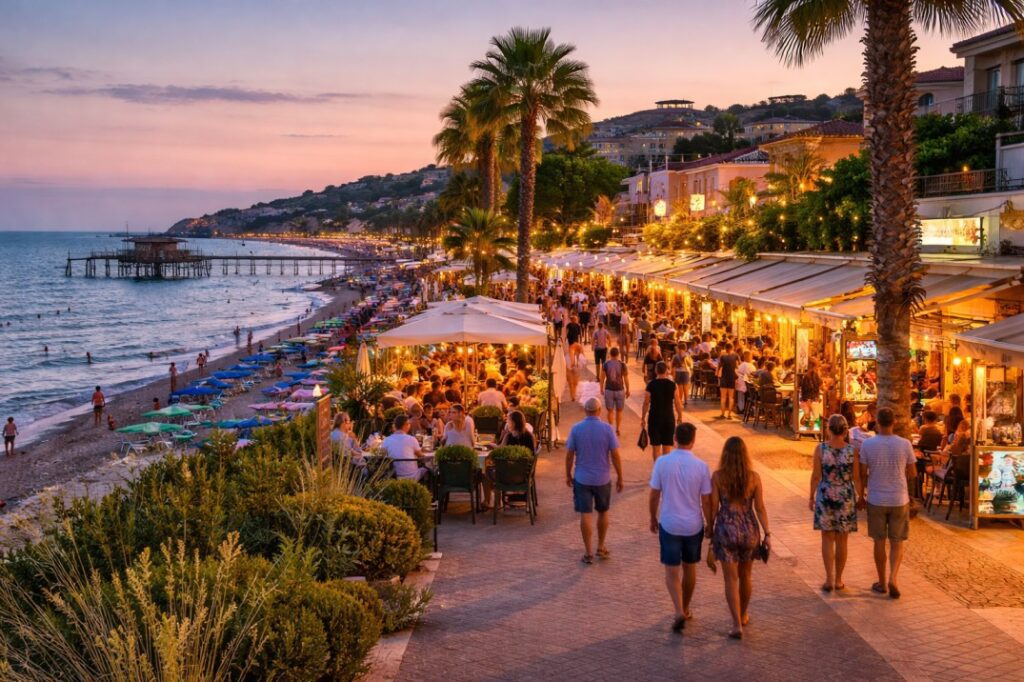
Living in Palermo means coastal access, market noise, dense streets, and daily friction that rewards flexible routines over polished convenience.

Living in Palermo works through compression. The historic center, port, residential corridors, beach suburbs, and mountain edges sit close together, but they do not behave as one smooth city. Streets can shift from market pressure to polished residential blocks within a short walk. That structure creates strong daily variety, but also uneven comfort: housing quality changes quickly, transport depends heavily on starting point, and local routine matters more than surface convenience.

Compared with more orderly Italian cities, Palermo asks for more adjustment at street level. Daily life can be walkable in the center, but noise, scooters, market traffic, and fragmented housing make the choice of area more important than distance alone. The practical signal is simple: a good base reduces friction. The wrong street can turn groceries, sleep, remote work, and transport into small negotiations repeated every week.

Living in Palermo suits flexible long-stay residents who want dense city life, coastal access, markets, and lower costs than many northern Italian cities. The trade-off is real: housing quality, work setup, transport, and quiet routines depend heavily on neighborhood choice.

Palermo is less orderly than Bologna and less polished than parts of Catania, but stronger than both for immediate sea access, market rhythm, and dense local texture.

Is living in Palermo for you?

Best For

Trade Offs

Seasonality

Dense · Informal · Negotiated

Where to live in Palermo

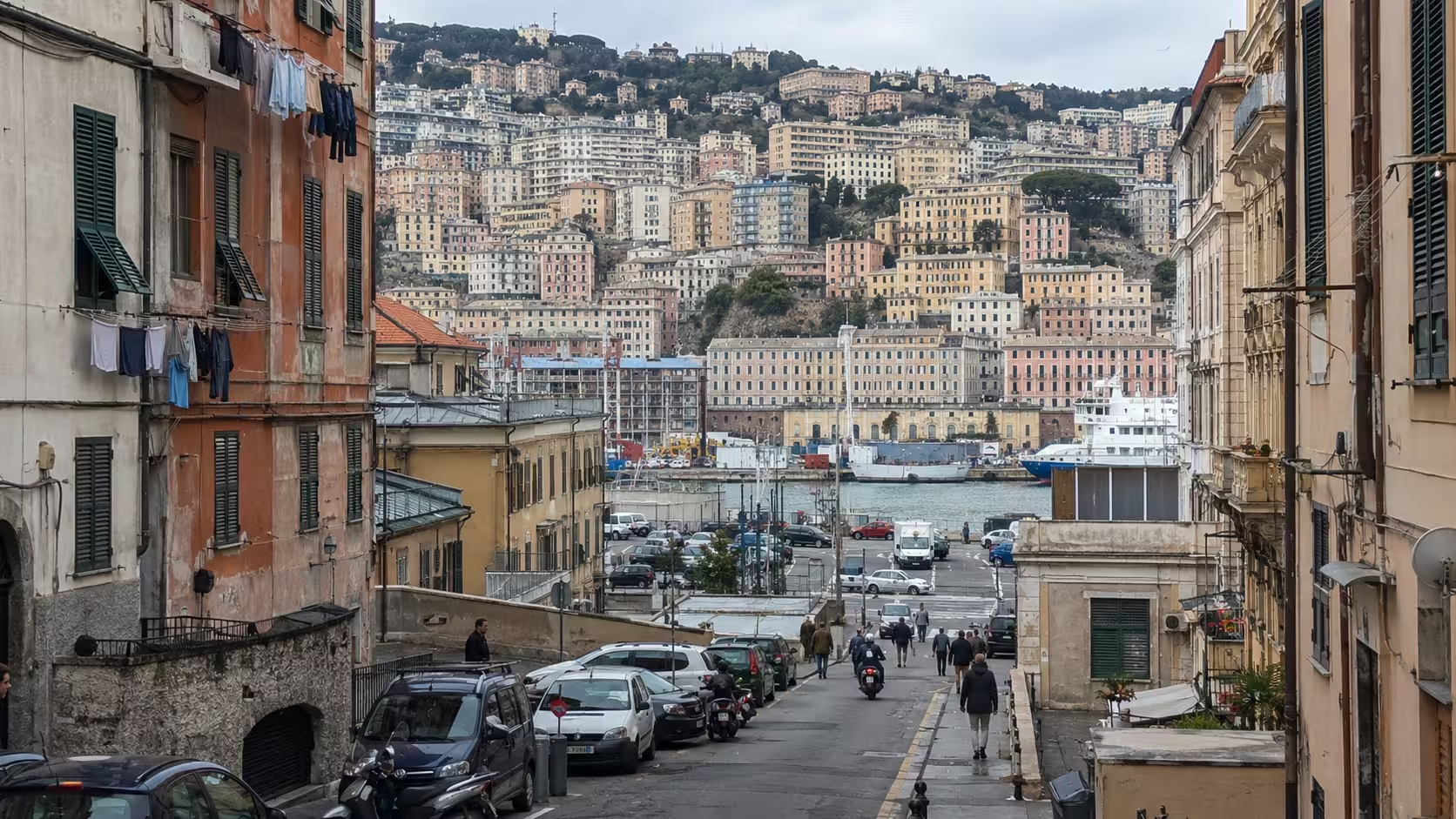
Where to live in Palermo, Italy – residential street with apartments and balconies

Where to live in Palermo depends less on distance from the center than on the kind of friction you accept. Central districts give immediate access to markets, bars, walking routes, and daily street life, but they also bring noise, older buildings, and more variable housing quality. Residential corridors such as Notarbartolo, Malaspina, San Lorenzo, and Resuttana are less atmospheric but easier for routines. Coastal areas change the equation again: Mondello, Addaura, and Sferracavallo offer sea access, but transport and seasonality become part of the housing decision.

Average housing costs

Neighborhoods in Palermo

Centro Storico Palermo in Palermo, Italy – narrow historic street with daily movement

Positioning

Centro Storico is the most compressed version of Palermo: narrow streets, historic buildings, scooters, pedestrians, shops, and old-city noise share the same space. It works when proximity matters more than calm. Quattro Canti gives strong orientation, but the surrounding lanes shift quickly between visitor routes, residential pockets, and late activity.

Who's it for

For short-to-long stay residents who want everything nearby, accept old-building variability, and prefer walking through dense street life over living quietly.

Cost Variation

High pressure because central access, furnished demand, and visitor-facing stock push usable homes above Palermo’s cheaper baseline.

Price Pressure:

Transport Access:

Noise/Density:

Local Feel:

Daily Convenience:

Coliving in Palermo

Coliving in Palermo exists more as a weak, fragmented layer than a mature housing category. The city does not yet show strong evidence of structured in-city coliving supply. What works instead is a mix of furnished rooms, shared flats, boutique stays, and occasional nearby retreat-style options. That makes Palermo viable for people willing to assemble their own setup, but weaker for anyone expecting a ready-made residential, work, and community package.

Limited Options

Mix City & Nature

Mid-Range Prices

Coliving spaces in and around Palermo
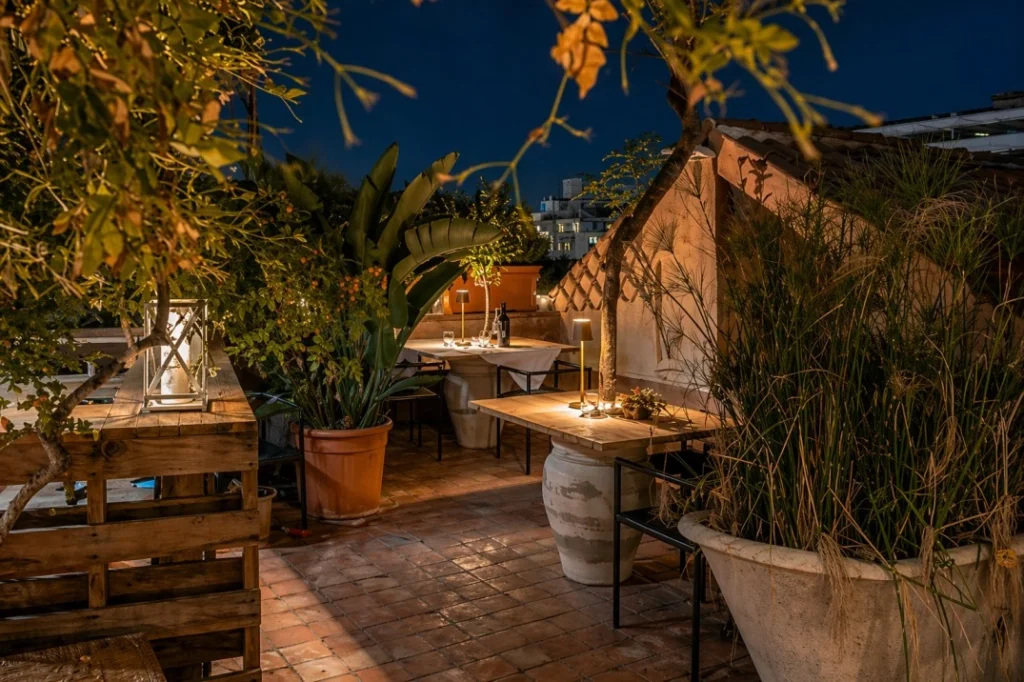
Use this section to separate true coliving from furnished stays, shared apartments, and retreat-style options before treating any listing as a full community setup.

How people actually live in Palermo

When coliving supply is thin, the practical model becomes modular. Housing carries most of the workload: a quiet room, decent desk, and confirmed WiFi matter more than the label on the listing. Work then depends on a mix of home setup, occasional cafés, and limited coworking options. Connection forms through repeated local routines, not automatic house programming, so the neighborhood must support the week without requiring constant travel.

LIVE

Where you live

Choose housing for quiet, WiFi, lease clarity, and street-level noise.

A cheap room can fail if the building is loud, poorly equipped, or far from usable errands. Furnished convenience matters more than headline rent.

WORK

Where you work

Use home as the base, then cafés or coworking selectively.

Cafés help with rhythm, but they do not replace a stable desk. Coworking should be checked by location, hours, and seating reliability.

CONNECT

Where you connect

Repeat the same places until recognition becomes social access.

Community is fragmented and informal. Language, neighborhood choice, and seasonality affect whether routines become actual relationships.

Coliving in Palermo works only if the housing, work, and social pieces are checked separately before arrival.

Working from Palermo

Working remotely in Palermo, Italy – realistic café workspace with laptops

Working from Palermo is feasible, but the city does not organize itself around quiet productivity. Street noise, scooters, market activity, and dense residential buildings can interrupt the day, especially in the historic center. The pace outside is social and irregular, while focused work needs a controlled base. Palermo works better when the apartment is the anchor and the city becomes the break.

WiFi should be confirmed before booking, not assumed from price or listing quality. Cafés can support short sessions, especially in central areas, but seating, noise, and peak-hour crowding limit full workdays. Coworking in Palermo appears present but not strongly validated in the research layer, so it should be treated as a useful supplement rather than the default infrastructure.

The strongest setup is a quiet furnished room or studio with reliable internet, reachable errands, and a few outside places for lighter work. Living directly above nightlife, markets, or heavy traffic makes remote work harder than the map suggests. This suits flexible workers with asynchronous schedules, not people needing silence, late workspace access, or corporate-level predictability.

Work Environment

Home base matters most; cafés support lighter sessions, calls need careful location choice.

Coworking Availability

Useful but not dominant; verify hours, seating, neighborhood access, and monthly terms.

WiFi Availability

Confirm apartment internet directly before booking, especially in older buildings and furnished listings.

Coworking in Palermo

Working from Palermo fits flexible remote workers, not those needing silent infrastructure every weekday.

Community & Social Life

Palermo community in Palermo, Italy – small group talking outside a local bar

Connection in Palermo forms through repetition rather than instant access. A newcomer usually enters through the same café, the same bar, a language exchange, a market routine, or a friend-of-friend introduction. Expat presence exists, especially around Politeama, Libertà, and parts of Kalsa, but it is not a single coherent scene. Neighborhood choice matters because daily contact comes from proximity. Staying near the places where errands, coffee, and evening life repeat makes social recognition more likely.

Palermo rewards visible repetition: choose a neighborhood, return to the same places, and let recognition build slowly.

Beyond Palermo: How far your day can stretch

Palermo stretches further than its daily friction suggests. The city gives quick access to the sea, nearby coastal villages, hill towns, airport routes, and mountain landscapes, but each direction works differently. Mondello and Sferracavallo can shape a normal week. Cefalù, Monreale, Ficuzza, and the Madonie require more planning. Palermo is strongest when used as a base with selective escapes, not as a city where every outing is equally simple.

Transport changes by origin point. Notarbartolo is useful for airport and some coastal rail routes, while Centrale matters for longer regional movement. Buses can work, but timings vary and routes become less predictable outside the main corridors. A car expands the city’s range sharply, especially for elevation and inland access.

Accessible from Palermo

Palermo’s advantage is not seamless mobility; it is range. The city lets a weekly routine alternate between dense streets, swimmable water, nearby towns, and mountain edges if transport is planned carefully.

Water Access

Water access is one of Palermo’s clearest lifestyle advantages, but it behaves differently by location. Mondello is the obvious urban beach, useful for a swim or sea-facing reset, though seasonality and transport matter. Sferracavallo gives a lower-key coastal rhythm with train and bus options. Cefalù stretches the week further: more effort than a local beach, but still realistic as a train-based day outside the city.

Palermo’s water access ranges from quick beach movement to fuller day trips. Mondello is easiest, Sferracavallo is lower-key, and Cefalù works when the week can stretch.

20'

-

40'

20'

15'

30'

60'

50'

90'

Elevation

Elevation changes Palermo’s week from street compression to physical space. Monte Pellegrino is the closest shift, useful when the city feels too dense. Ficuzza adds forest and inland quiet within a realistic car-based window. Piano Battaglia and the Madonie stretch further, but they are more conditional: strong for occasional resets, weaker for casual after-work movement unless transport is planned.

Elevation works as pressure release. Monte Pellegrino is the closest shift, Ficuzza needs planning, and the Madonie belong to fuller weekend movement.

45'

-

65'

90'

-

100'

Nearby Towns

Nearby towns give Palermo useful contrast without turning the week into constant travel. Monreale is the closest reset, especially when a half-day outside the city is enough. Bagheria works better by train than by lifestyle fantasy, useful for short movement from Centrale. Trapani is further and less casual; it belongs to planned weekends or multi-stop west Sicily movement, not spontaneous daily life.

Town access is useful but uneven. Monreale is close, Bagheria is rail-friendly, and Trapani becomes a planned west-coast reset.

15'

-

40'

25'

15'

60'

80'

300'

150'

Transport Nodes

Palermo’s transport usefulness depends on where the home base sits. Centrale is the main reference for trains and regional buses, but it is not equally convenient from every neighborhood. Notarbartolo matters for airport and coastal rail movement. The airport is workable, but timings vary by stop, so early flights and work trips need origin-specific planning rather than generic city-center assumptions.

Transport works best when matched to the neighborhood. Centrale, Notarbartolo, and the airport each solve different movement needs.

45'

60'

50'

15'

10'

30'

25'

20'

40'

Palermo works as a base with wide reach, but only if transport limits shape the week.
FAQs

Is Palermo good for remote workers?

Yes, Palermo can work for remote workers with flexible schedules and a solid home setup. The main issue is not internet availability alone; it is noise, apartment quality, and reliable workspace access. Central cafés help with lighter sessions, but deep work depends on housing choice.

The cost of living in Palermo is lower than many larger northern Italian cities, but cheap headlines can mislead. Furnished rooms often sit around €350–550, studios around €500–700, and a usable 1-bed around €650–850. Coastal and central comfort pushes costs higher.

Where to live in Palermo depends on the friction you want to reduce. Choose Politeama or Notarbartolo for practical routines, Kalsa for central texture, Mondello for sea-first living, and outer residential zones for value. The historic center works best for people who tolerate noise.

No, coliving in Palermo is not yet a mature, structured category based on the validated research. Expect furnished rooms, shared flats, boutique stays, and occasional retreat-style options instead. Anyone wanting community, work setup, and housing in one product should verify each piece separately.

Not always, but a car changes Palermo’s usefulness. Central living can work without one, especially near daily services and transport nodes. Coastal areas, elevation trips, Ficuzza, the Madonie, and some peripheral neighborhoods become much easier with car access or taxi flexibility.

Scroll to Top

What was missing?

Tell us what you expected to find, or what would have made this guide more useful.