Living in Rome
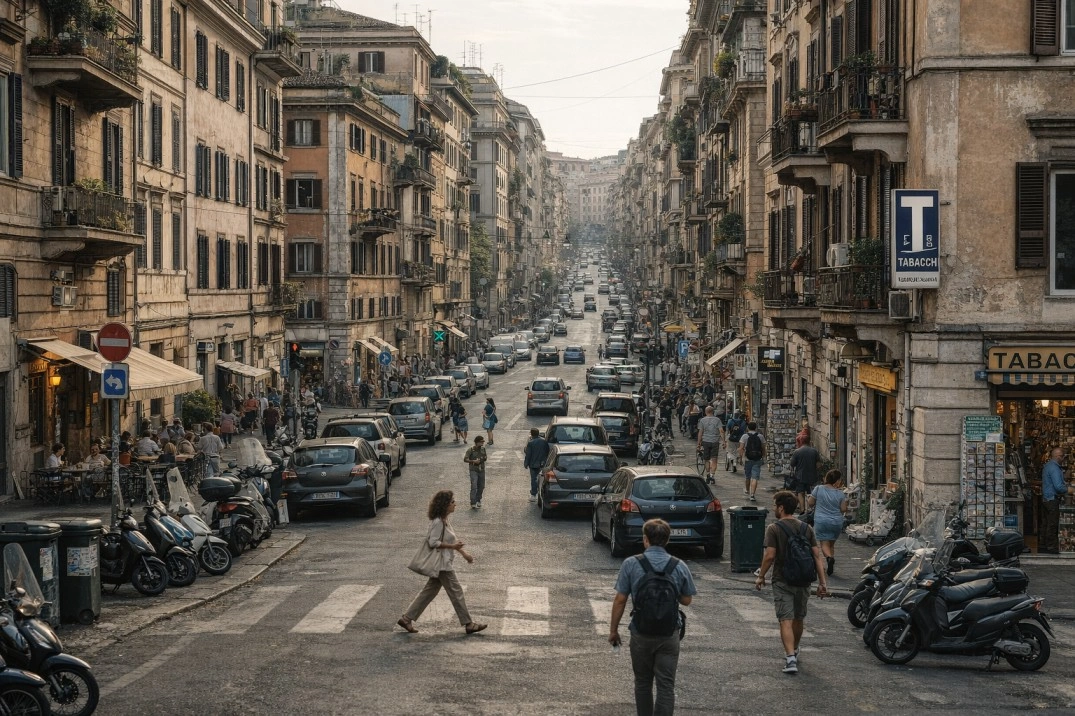
A dense capital of districts, stations, and daily negotiation, where living in Rome brings unusual reach and choice, but rarely calm, convenience, and affordability in the same setup.
Is living in Rome for you?
Best For
Trade Offs
Seasonality
Dense · Uneven · Extended
Where to live in Rome
Average housing costs
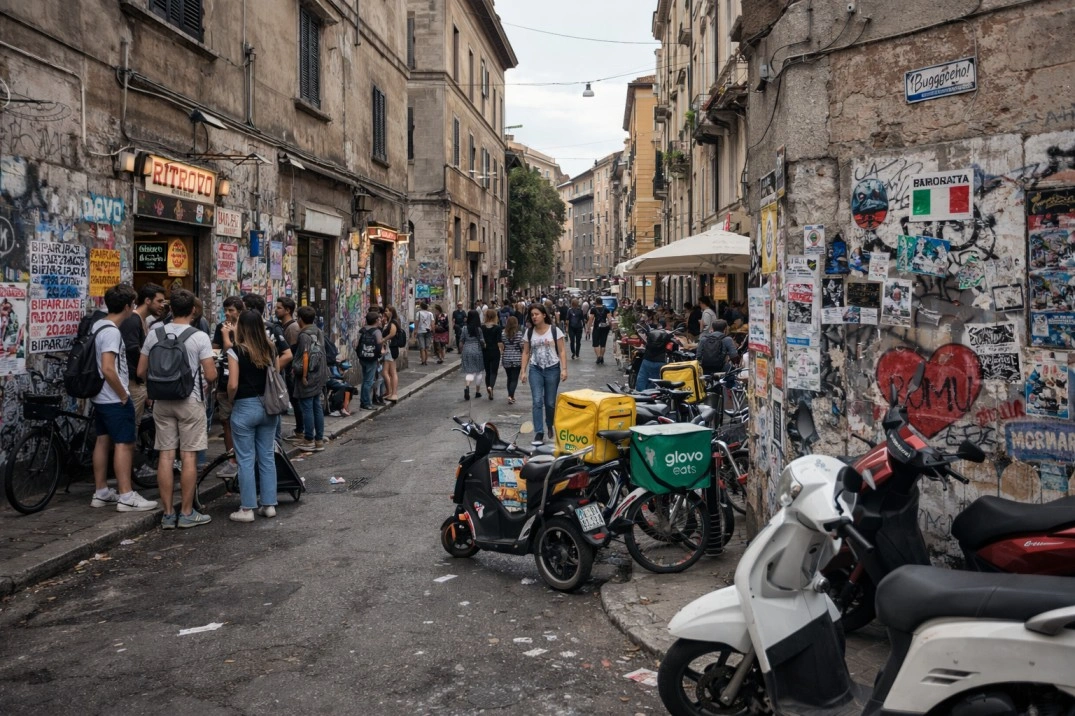
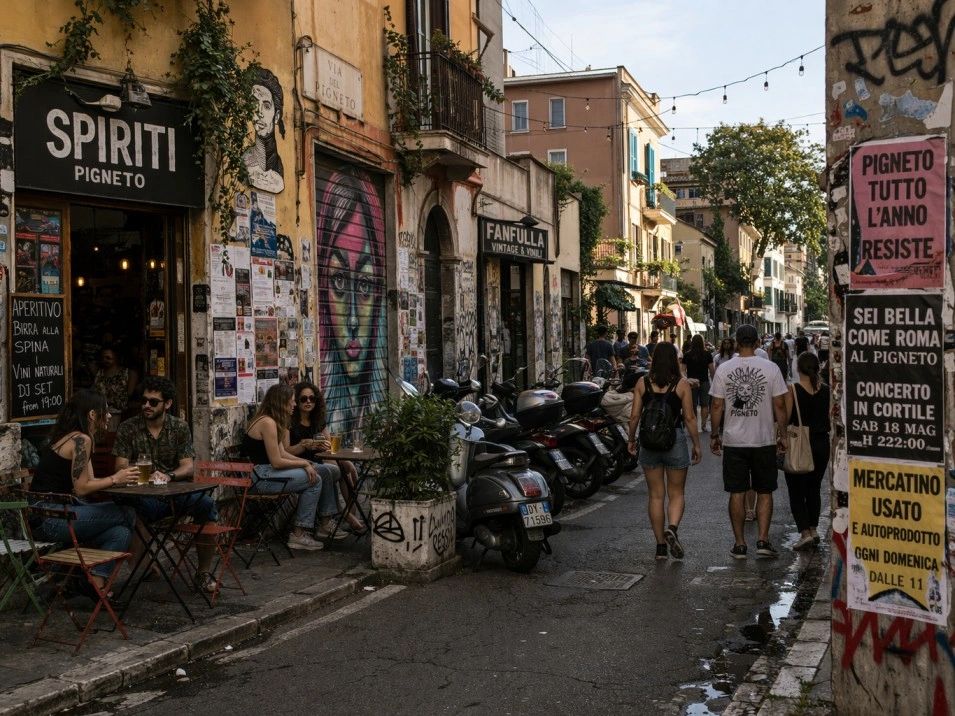
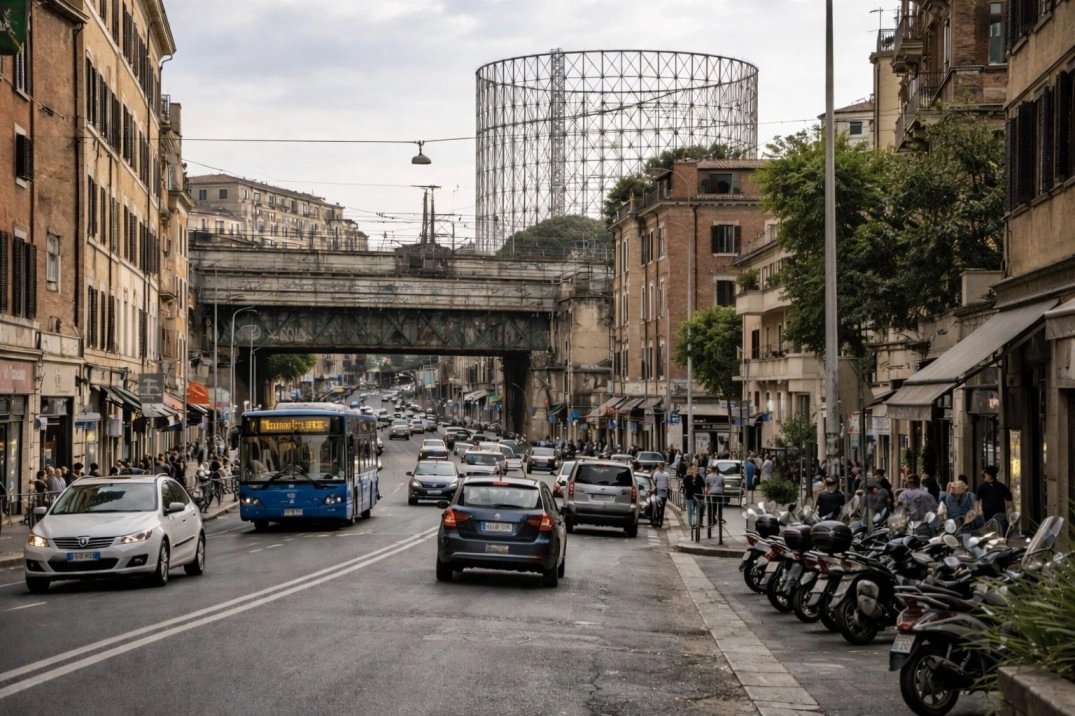
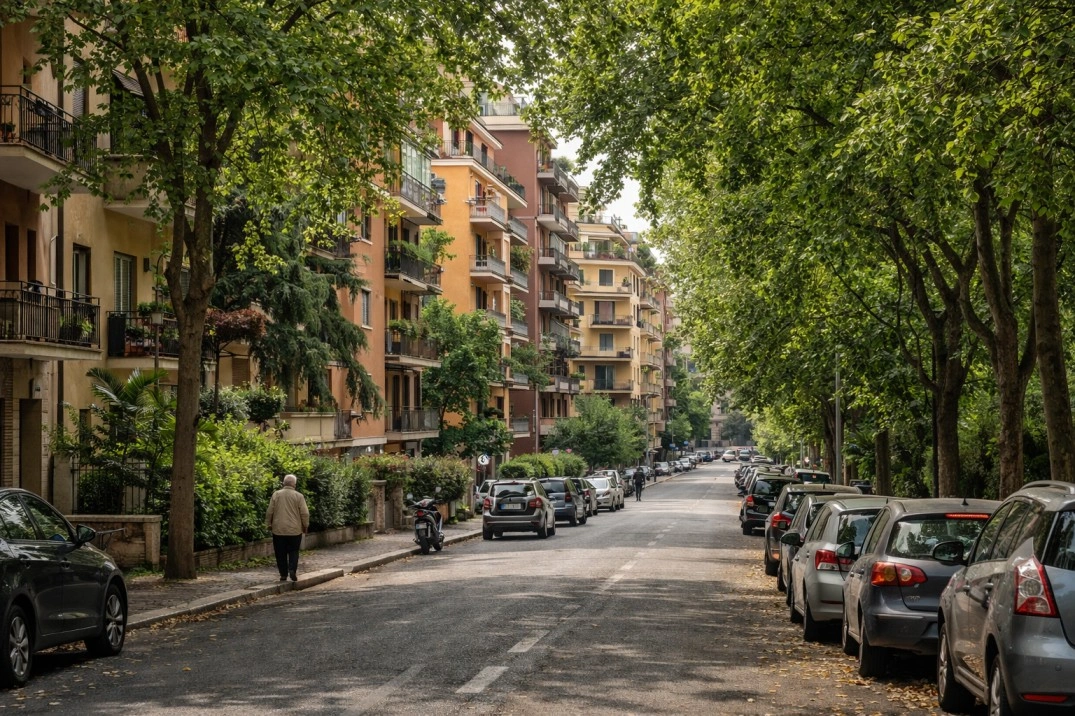
Neighborhoods in Rome
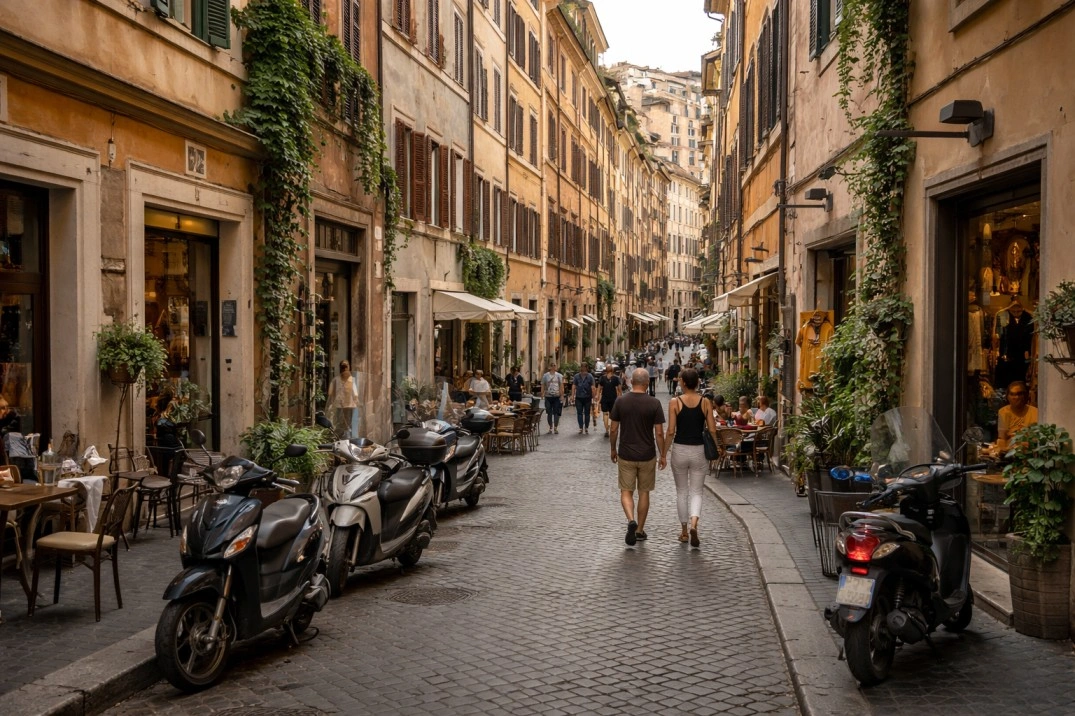
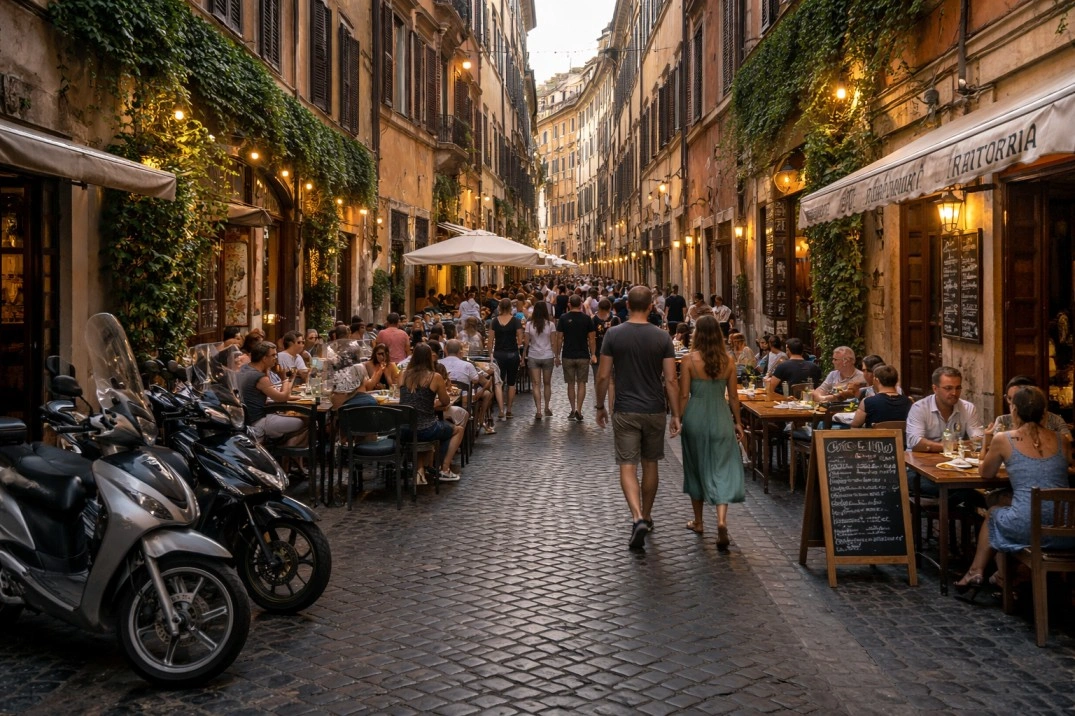
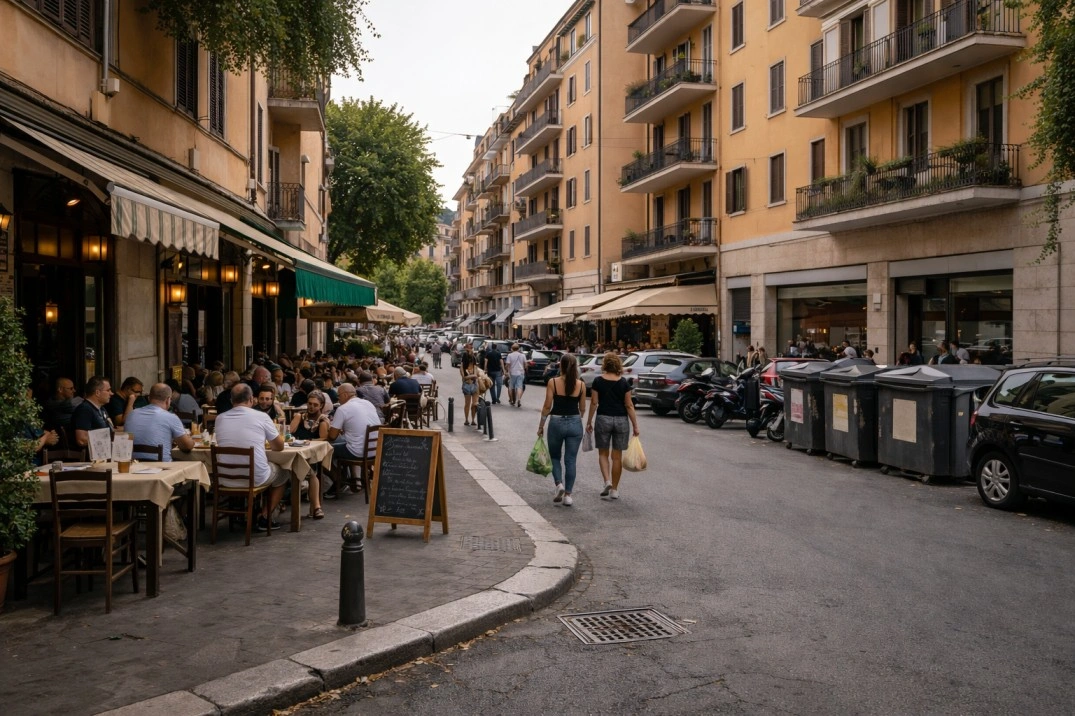
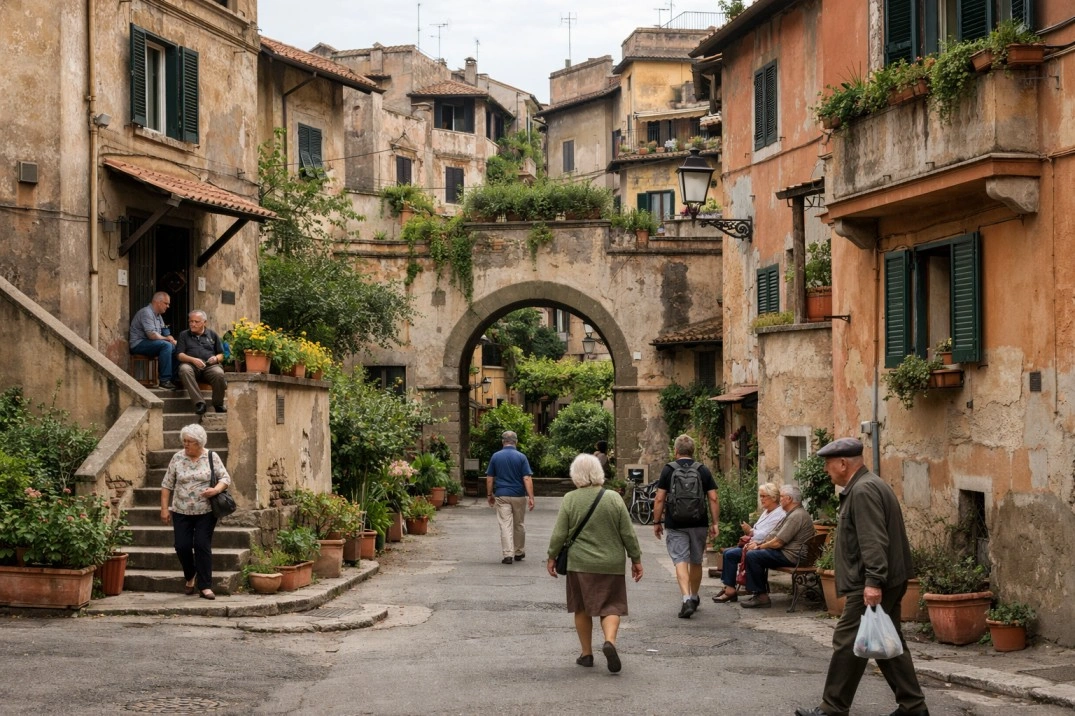
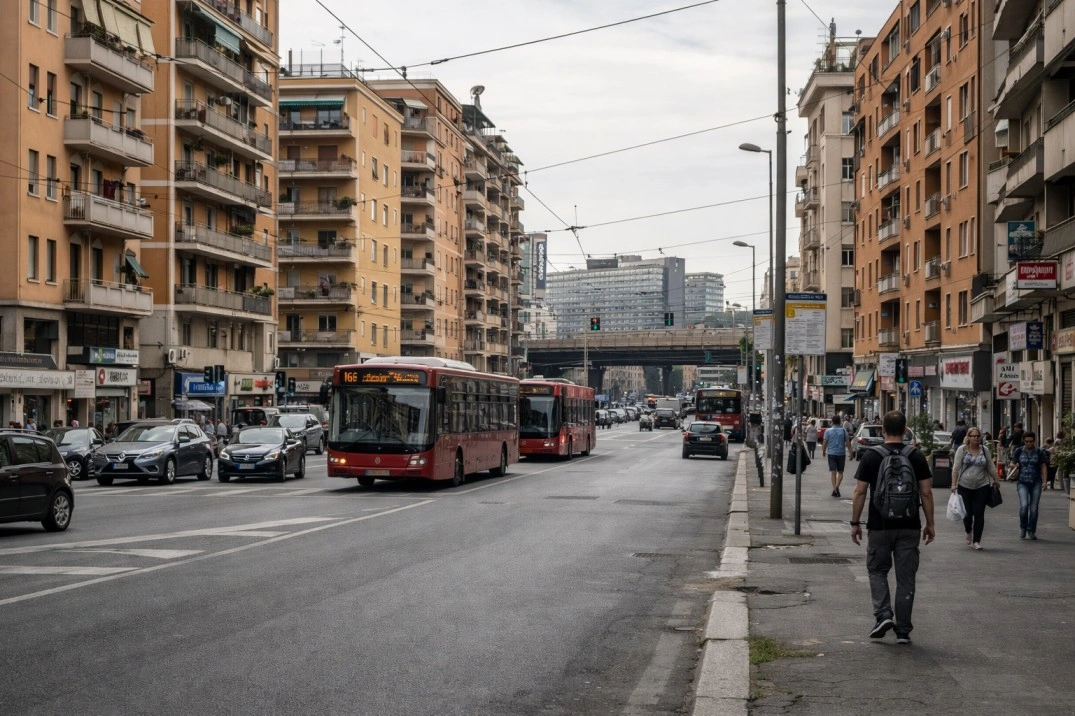
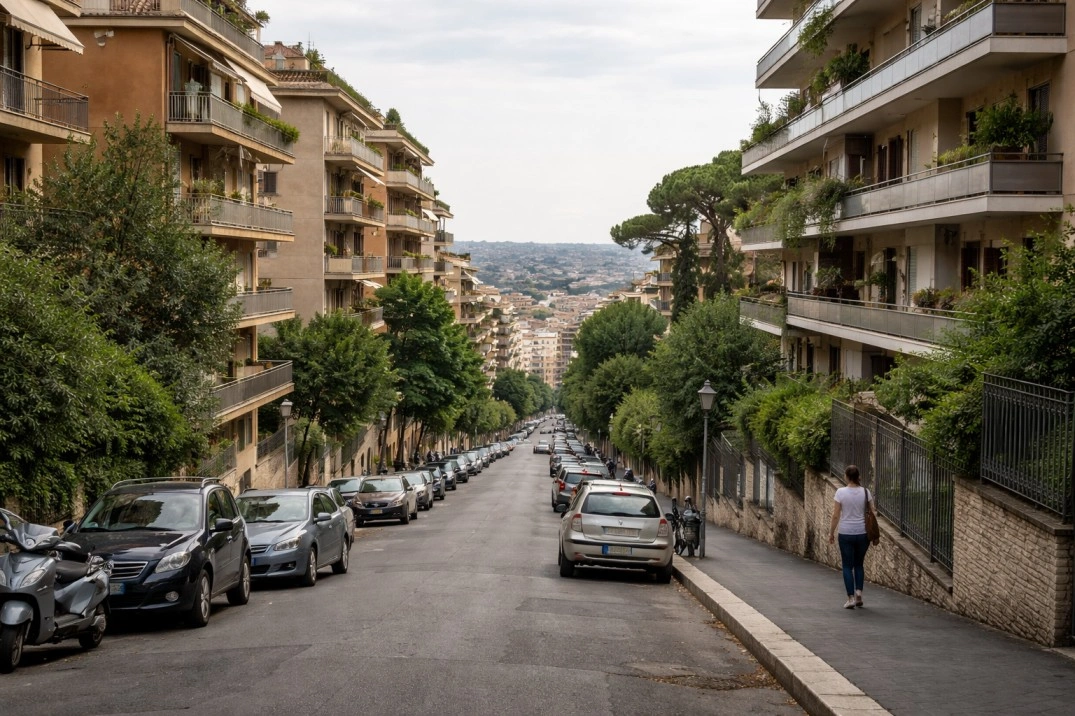
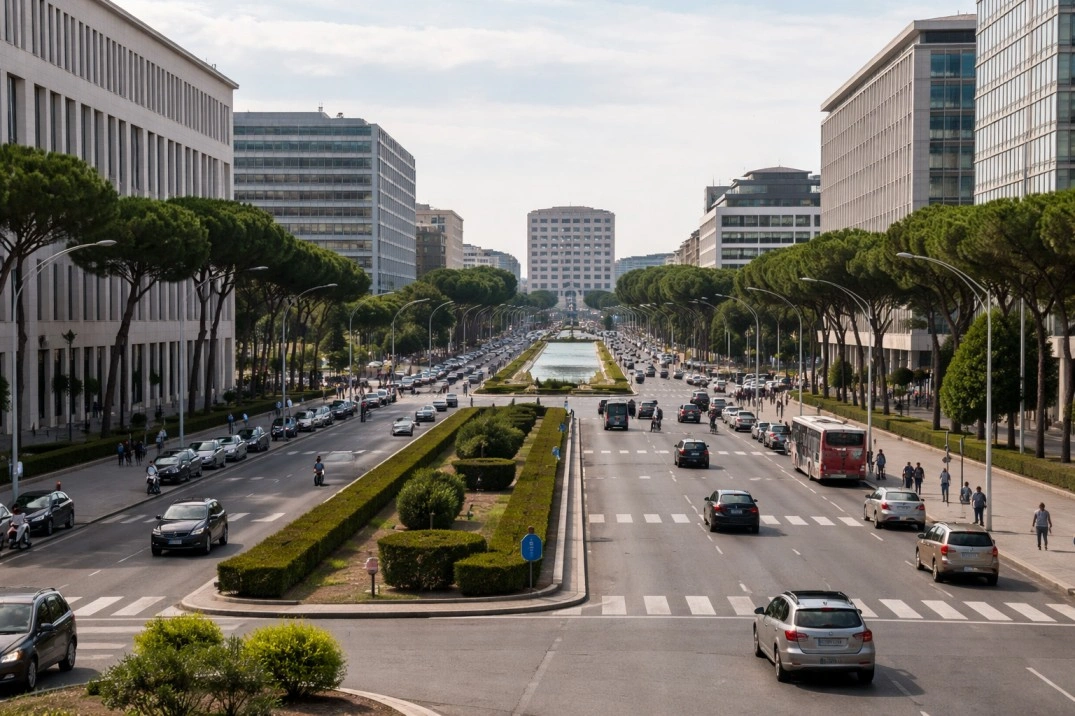
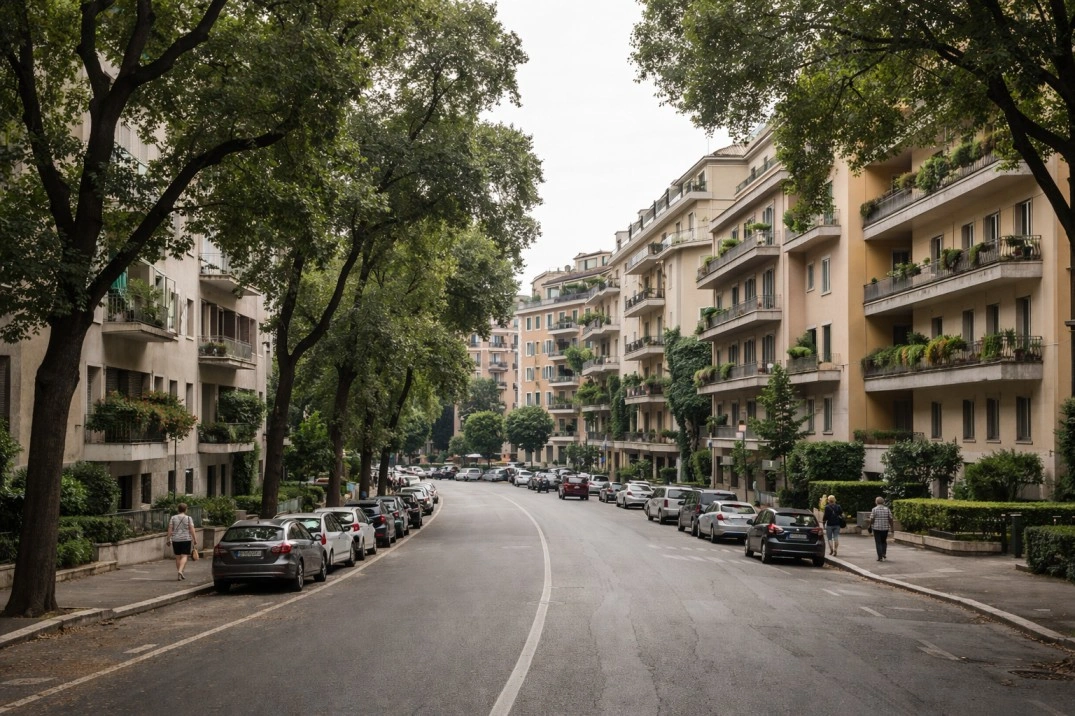
Coliving in Rome
Limited Options
Mix City & Nature
Mid-Range Prices
Coliving spaces in and around Rome
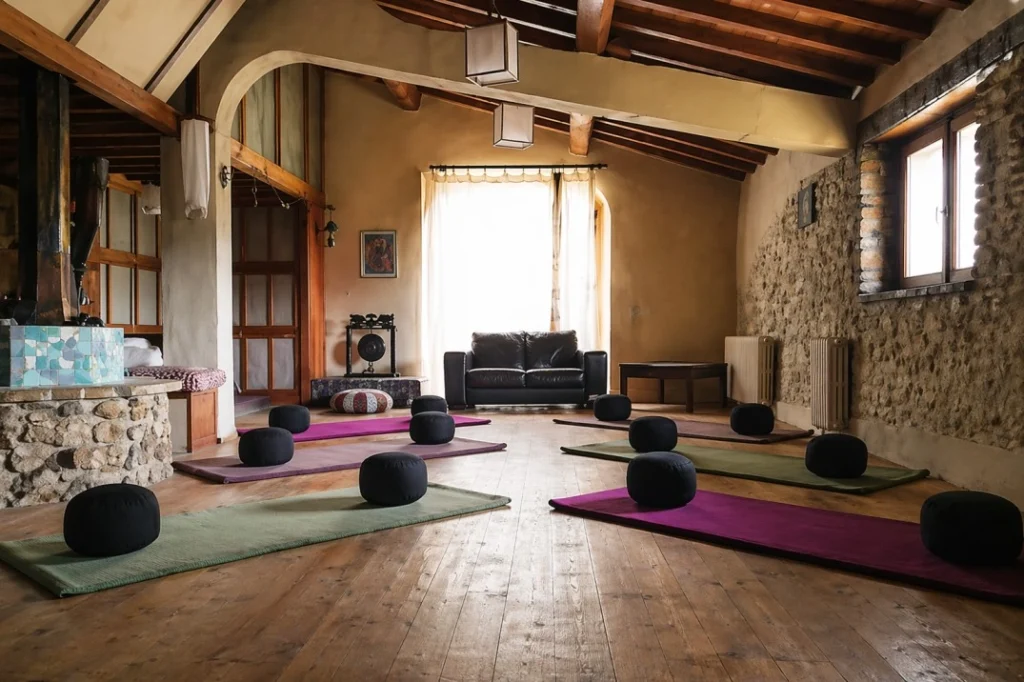
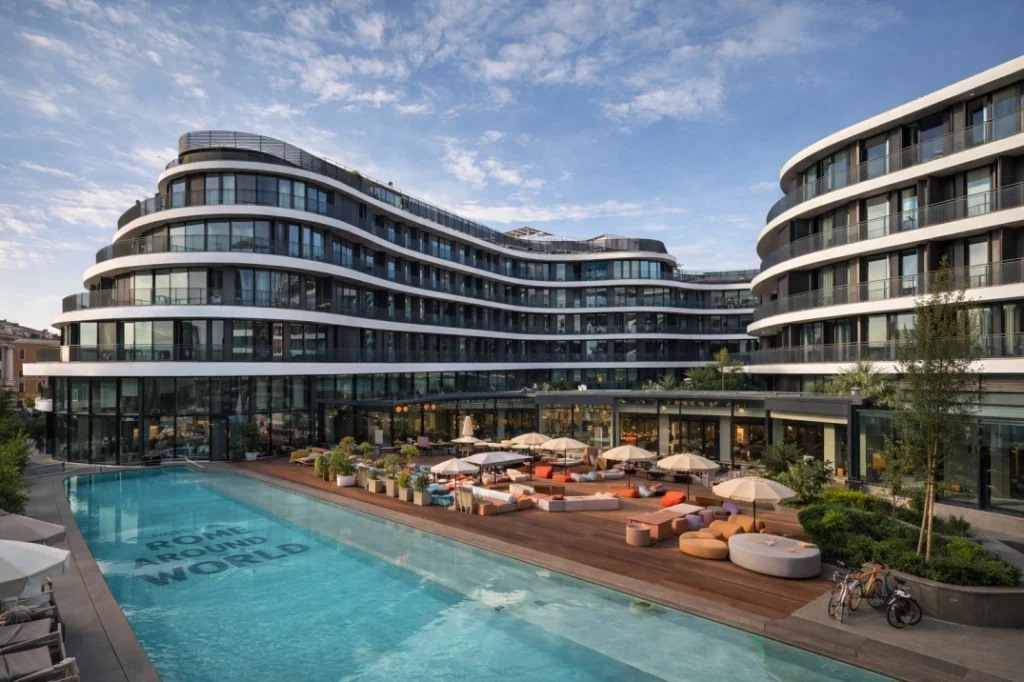


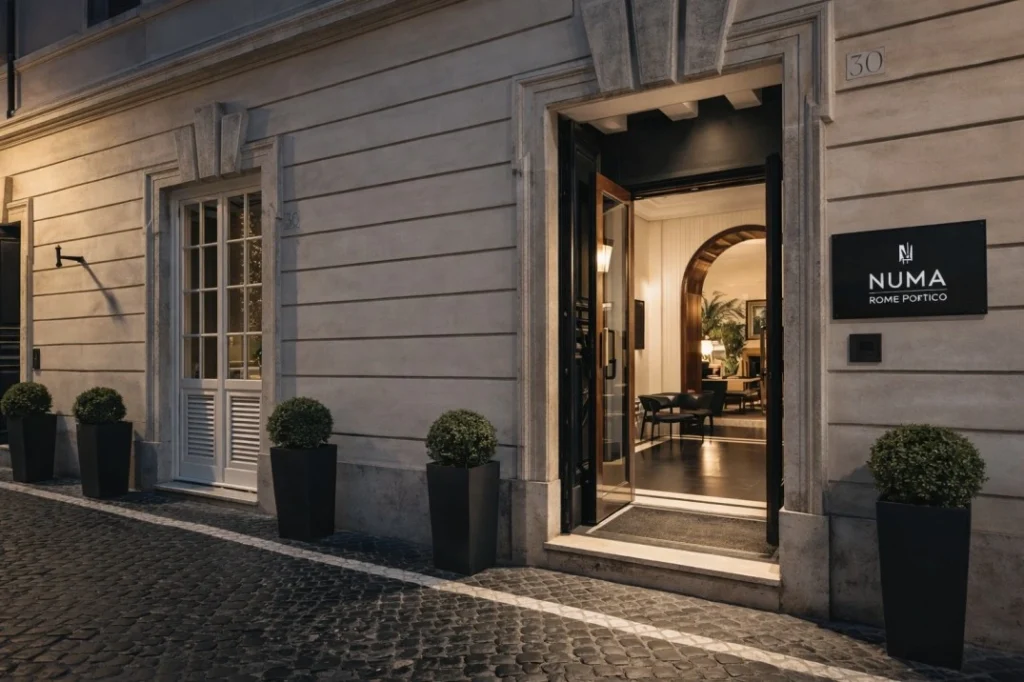

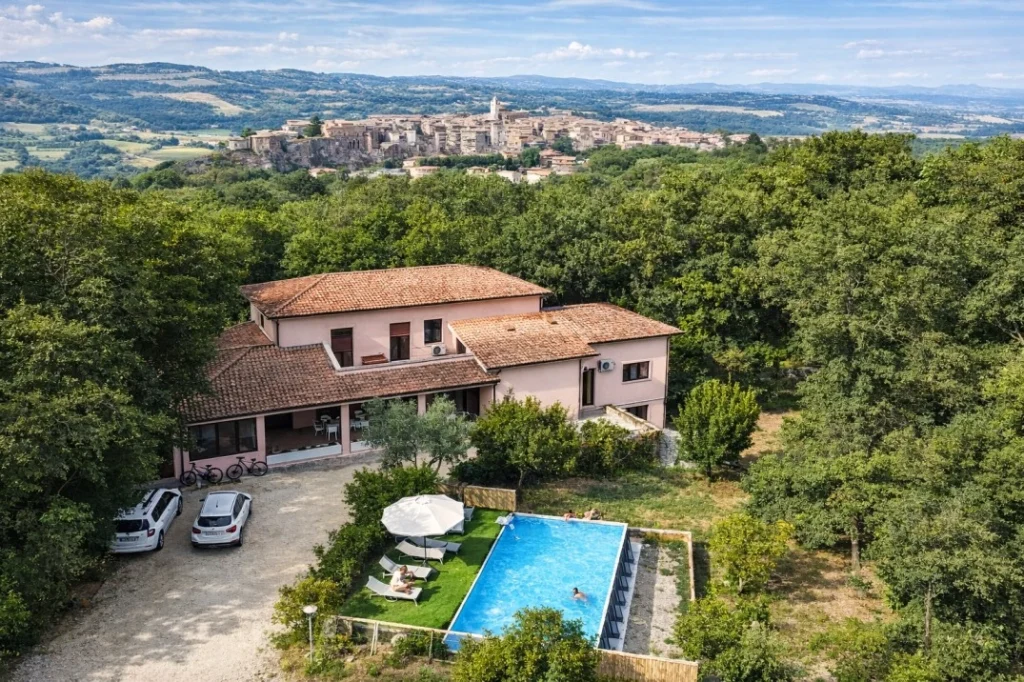
How people actually live in Rome
LIVE
In Rome, shared flats are often more available than formal coliving, but quality, contract terms, and neighborhood fit vary sharply.
WORK
A good district plus one reliable coworking or café setup often works better than assuming the whole city is laptop-friendly.
CONNECT
Community usually comes from seeing the same places and people often enough; long cross-city trips weaken that quickly.
Coliving in Rome can work as an entry path, but the stronger decision is whether you can assemble housing, work, and connection inside the same weekly geography.
Working from Rome

Work Environment
Reliable workdays depend heavily on neighborhood fit, not on Rome as a whole.
Coworking Availability
Coworking helps most when paired with short movement patterns and calm housing.
WiFi Availability
Cafés can work, but crowding and turnover narrow long-session comfort quickly.
Coworking in Rome
Working from Rome is realistic when the week is tightly set up; without that, the city’s internal drag becomes part of the job.
Community & Social Life

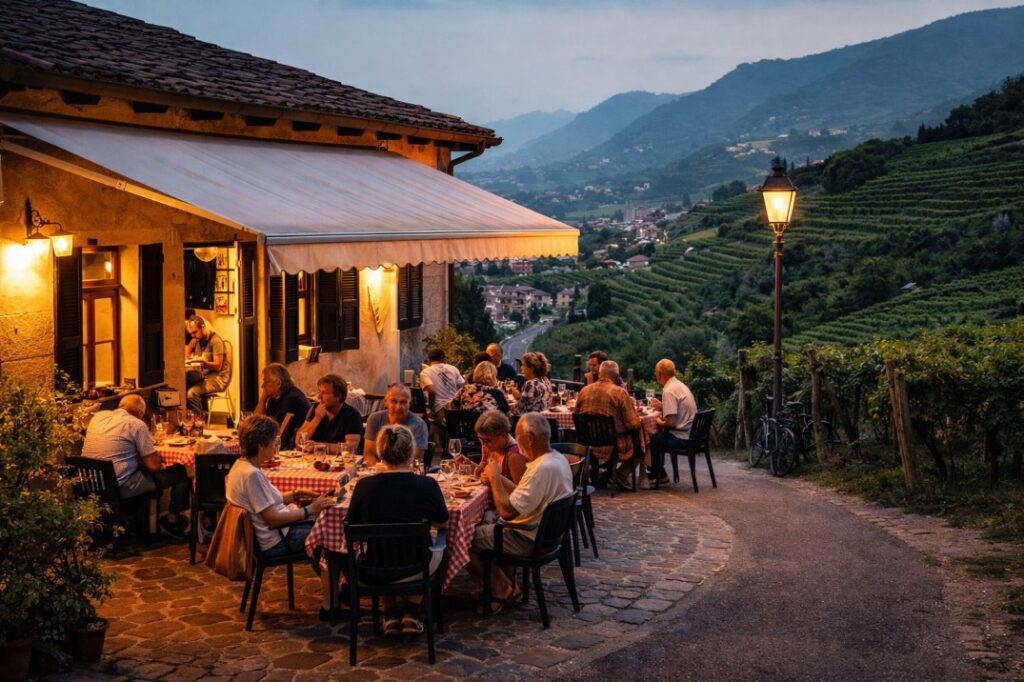
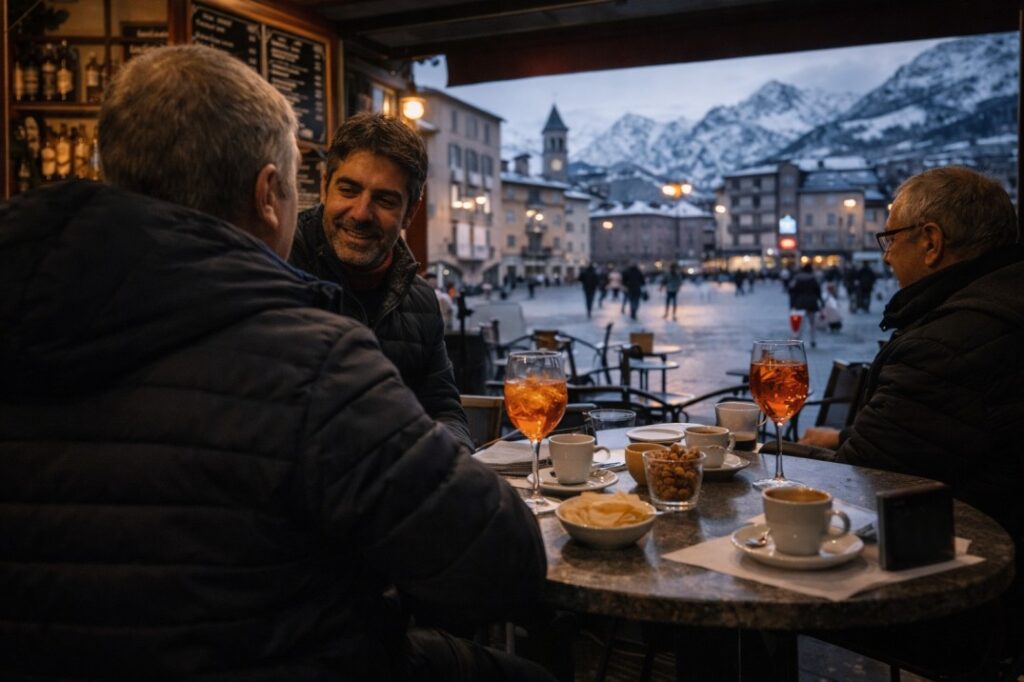
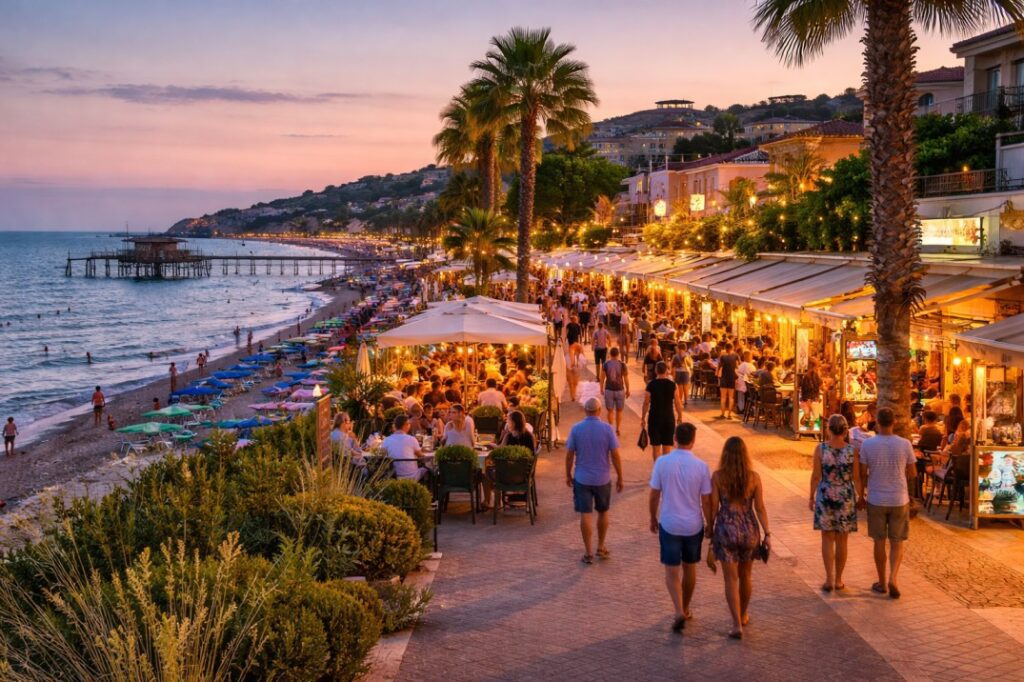
Rome can produce real social traction, but it usually asks for neighborhood repetition, shorter movement patterns, and more patience than faster social cities.
Beyond Rome: How far your day can stretch
Accessible from Rome
Water Access
Water access is one of Rome’s most practical release valves. Lido di Ostia is the quickest rail-based break, while Santa Marinella offers a stronger beach shift if more time is available. Fregene works better by car than by public transport. These are not fantasy escapes; they are the kind of places that let residents change pace for half a day, then return without dissolving the week. That matters if the city begins to feel too dense, hot, or socially overfull.
Water access is one of Rome’s most practical release valves. These are not fantasy escapes; they are the kind of places that let residents change pace for half a day, then return without dissolving the week.
Elevation
Elevation around Rome is useful because it changes both air and tempo. Frascati works as a short, regular break. Tivoli feels more like a proper day shift while staying accessible. Monte Livata makes sense when a car is available and the goal is stronger physical contrast from the capital. These places matter less as attractions than as recurring pressure valves. Residents who stay in Rome longer often benefit from nearby height and distance more than from seeing another central piazza.
Elevation around Rome is useful because it changes both air and tempo. Residents who stay in Rome longer often benefit from nearby height and distance more than from seeing another central piazza.
Nearby Towns
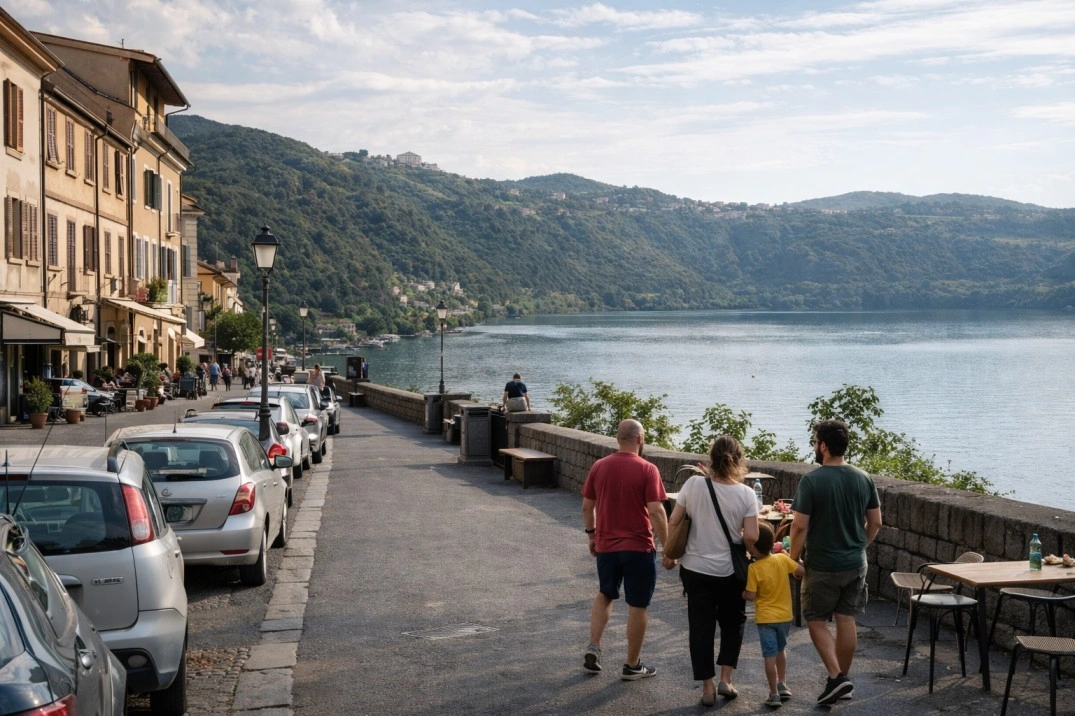
The nearby town network helps Rome feel less enclosing. Castel Gandolfo and Bracciano give a more deliberate slowdown, with train access good enough to stay realistic for repeated use. Viterbo is longer and better treated as a fuller day out. What matters operationally is not only beauty or history, but the fact that these towns let residents interrupt Rome’s tempo without abandoning the base. That makes the city easier to tolerate over time.
The nearby town network helps Rome feel less enclosing. What matters operationally is not only beauty or history, but the fact that these towns let residents interrupt Rome’s tempo without abandoning the base.
Transport Nodes
Rome’s internal movement is uneven, but its outward links are one of its clearest advantages. Termini and Tiburtina anchor national movement, while Fiumicino sits close enough by rail to keep international travel practical. This changes the city’s value for long-stay residents. Even when the local week feels heavy, Rome remains unusually useful as a hub. The base works not because it is always smooth, but because leaving it for a day or a flight is relatively easy.
Rome’s internal movement is uneven, but its outward links are one of its clearest advantages. This changes the city’s value for long-stay residents. The base works not because it is always smooth, but because leaving it for a day or a flight is relatively easy.
Rome works best as a base when nearby exits are part of the plan, not a backup after the city starts feeling too heavy.