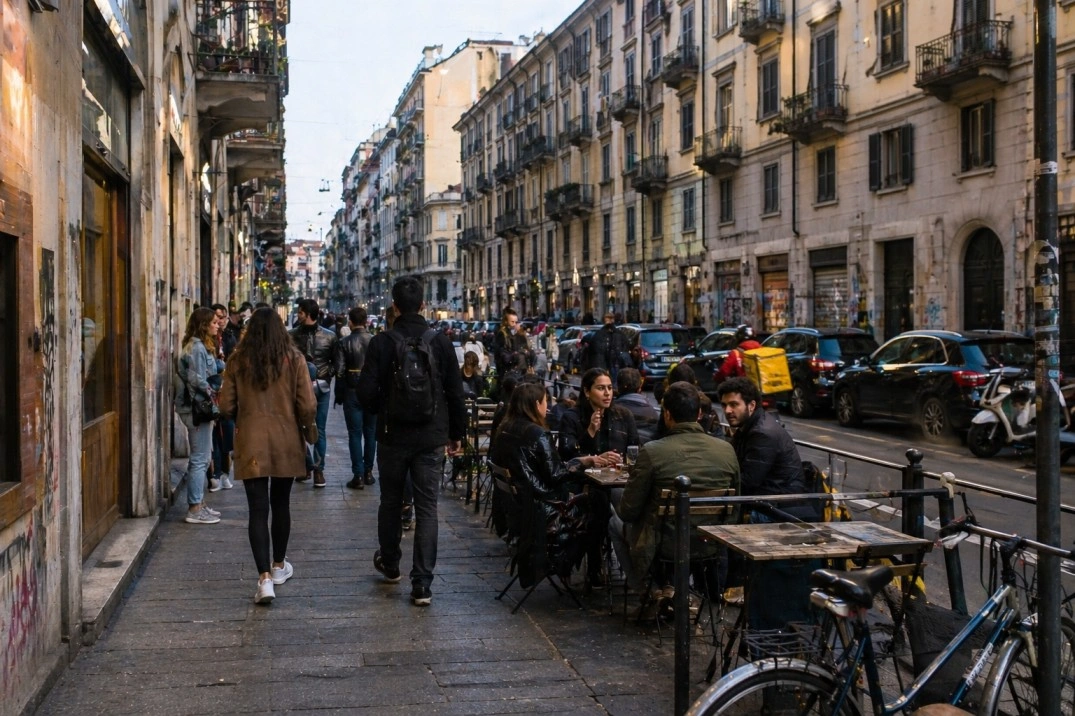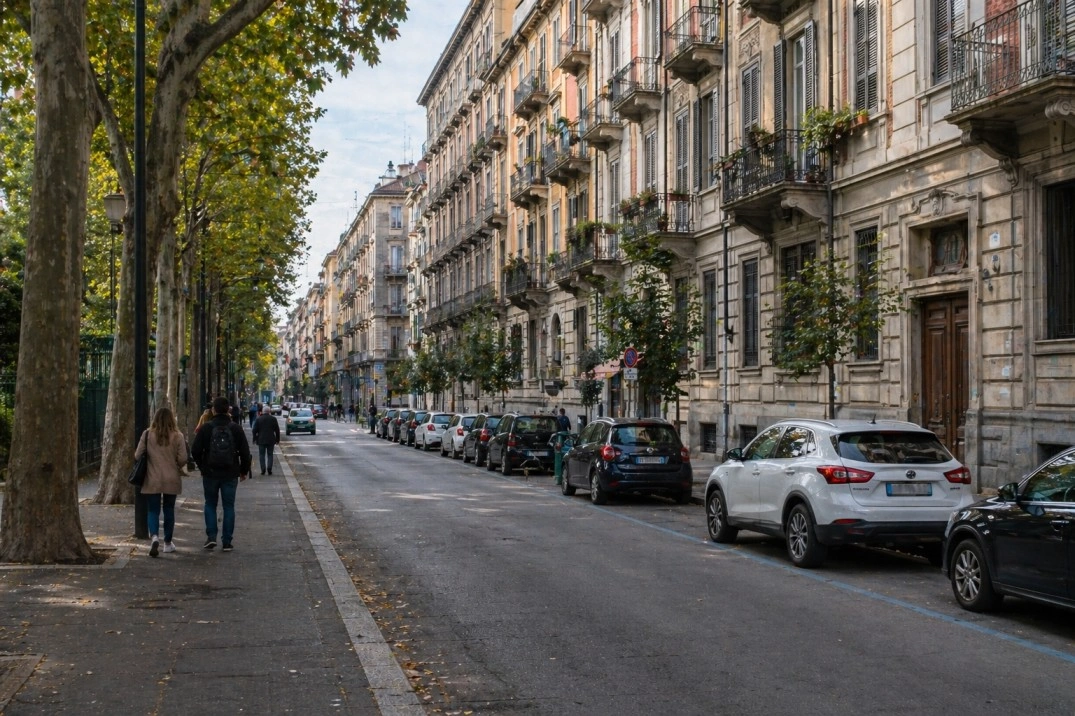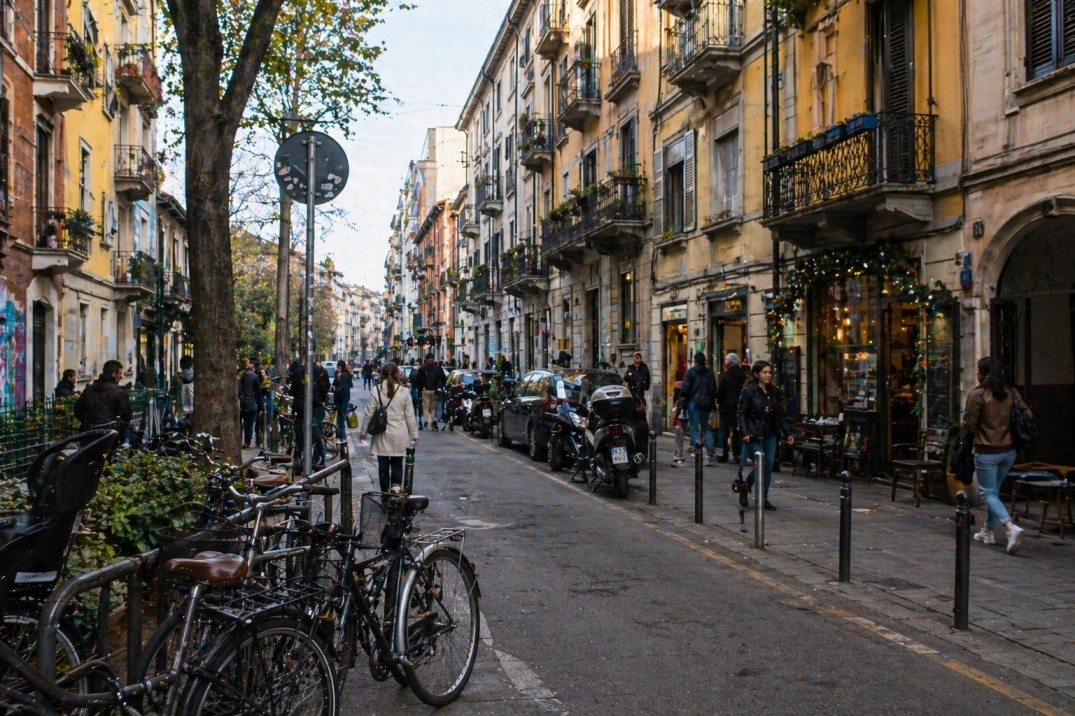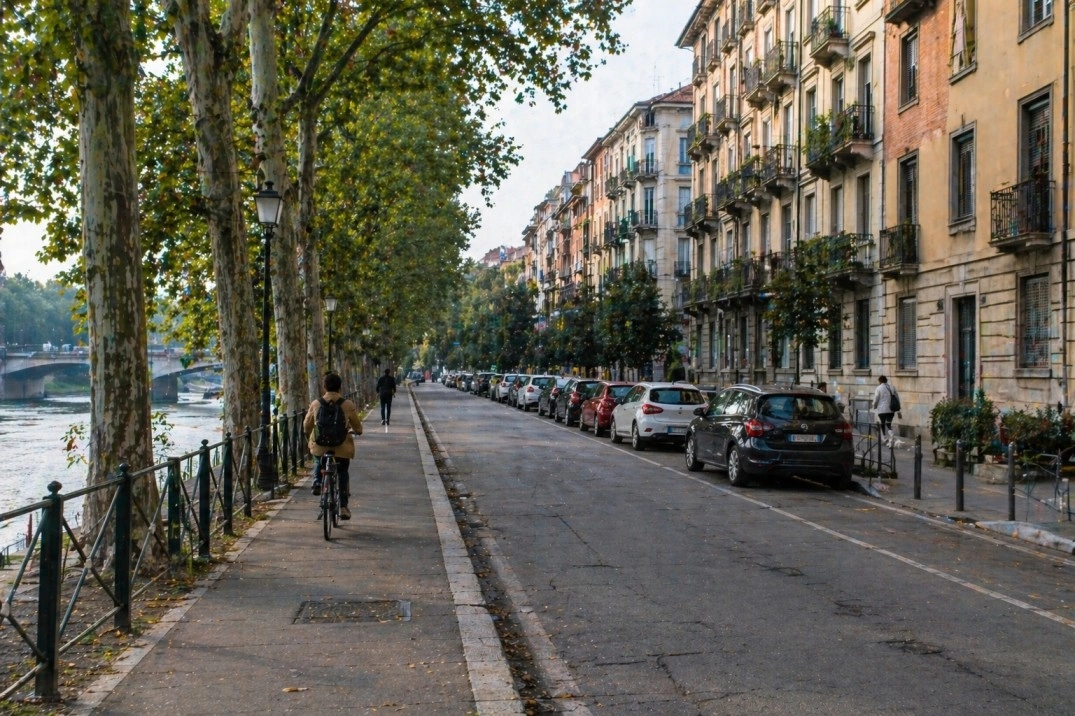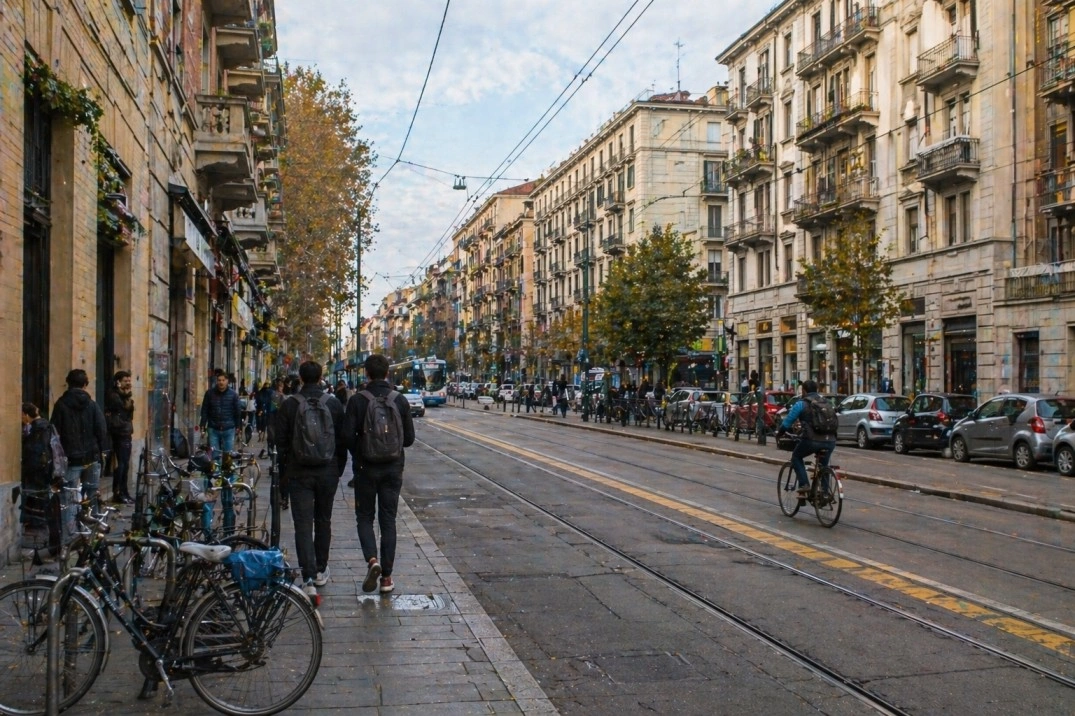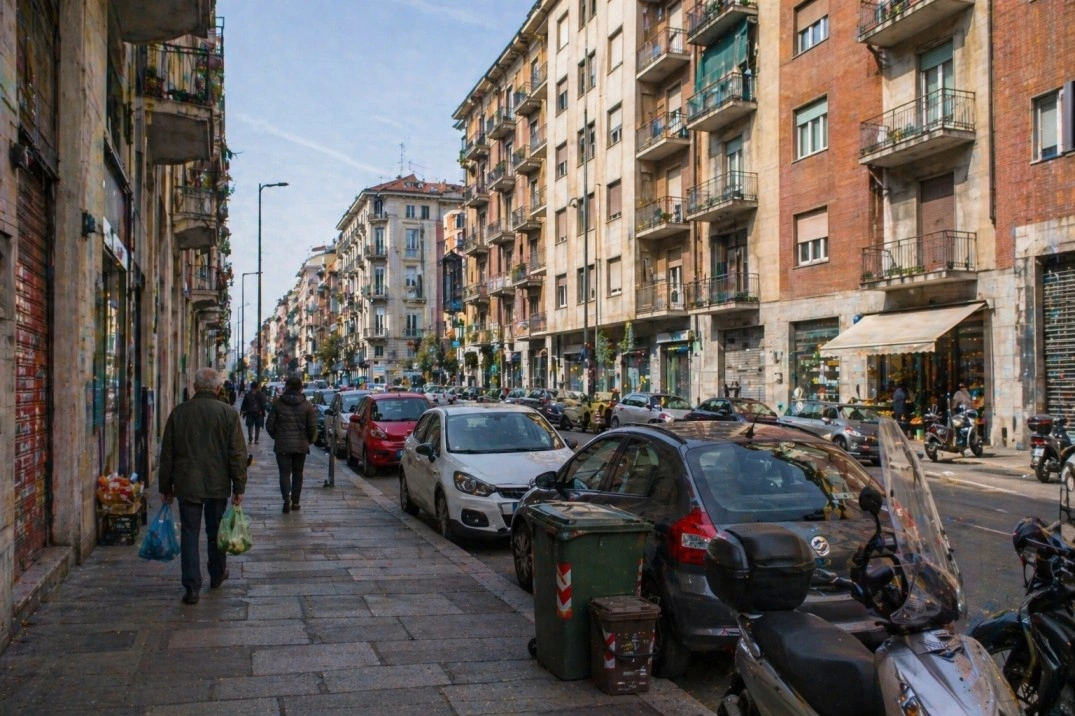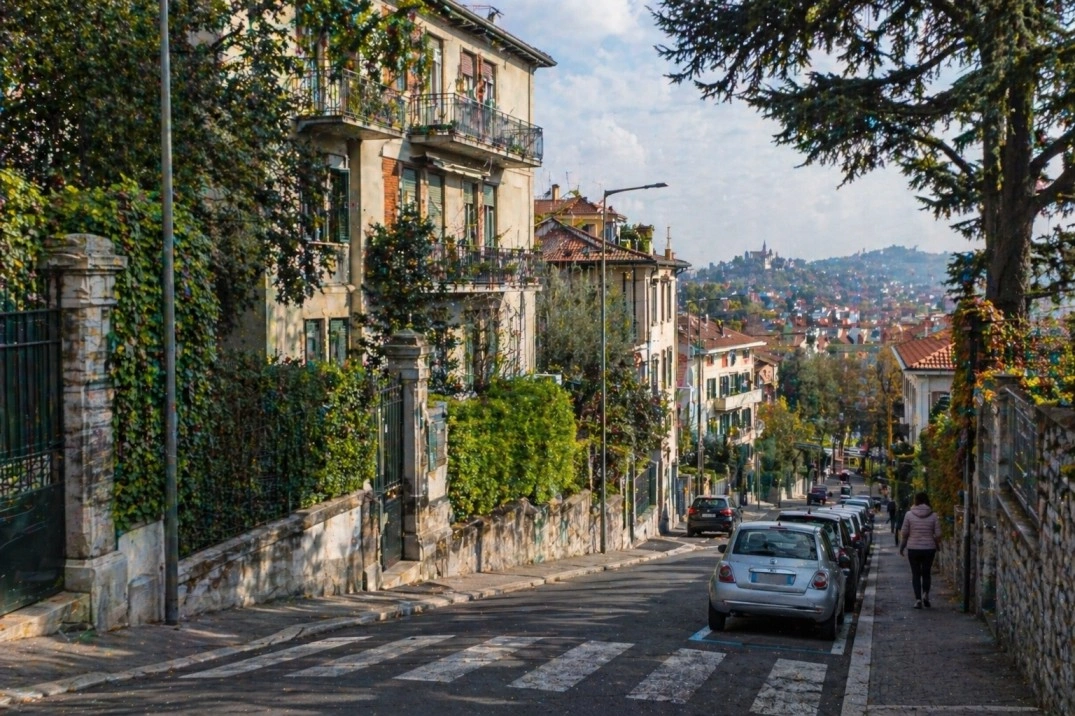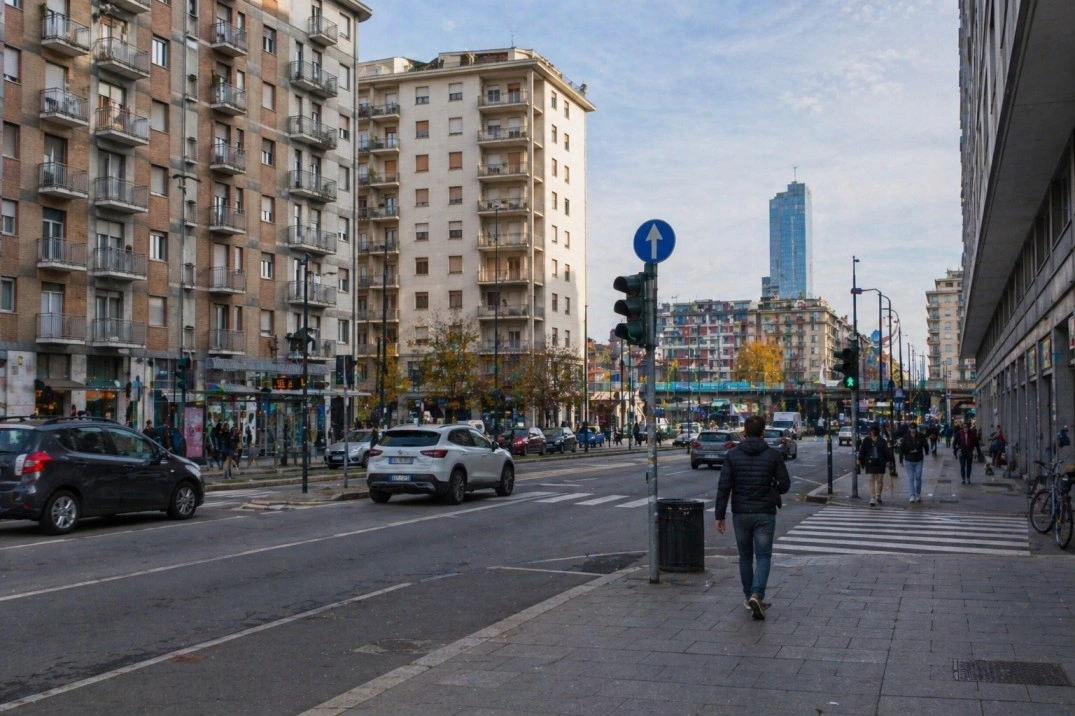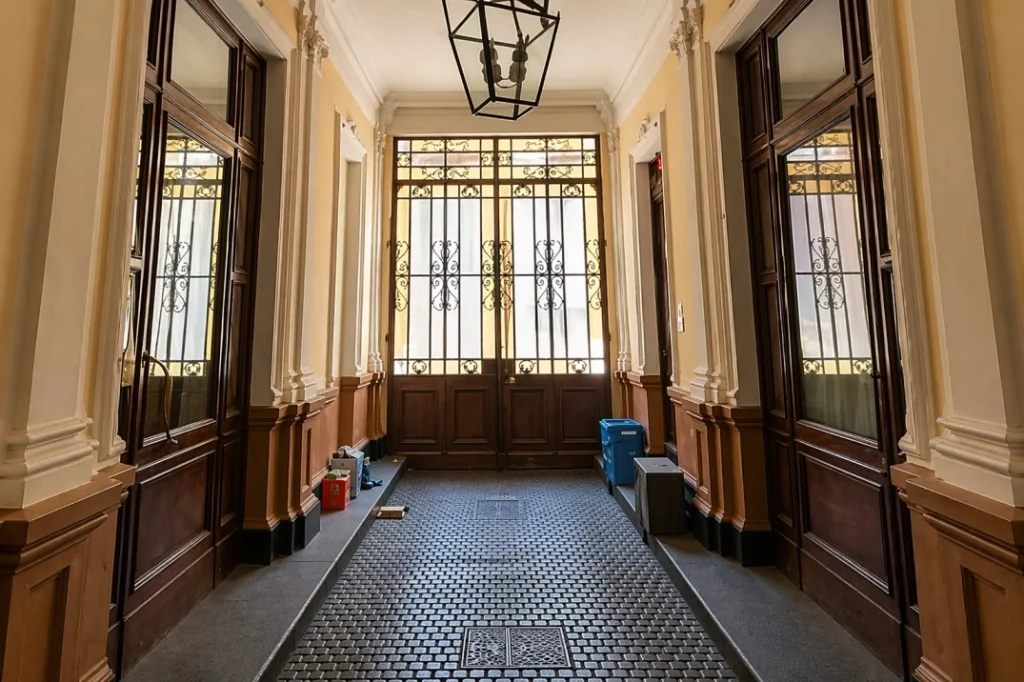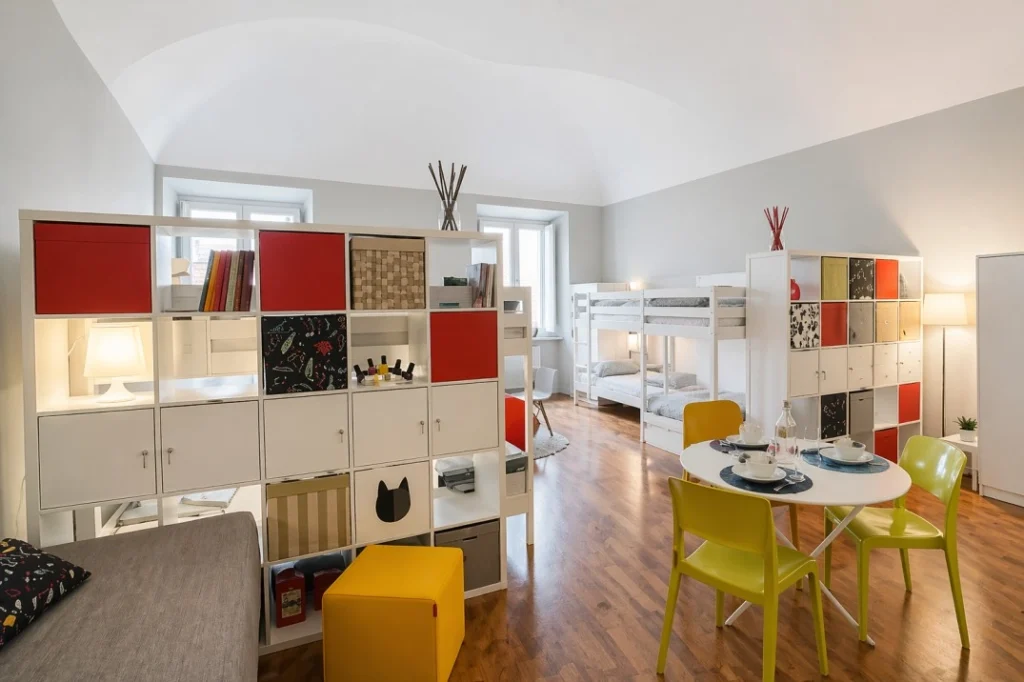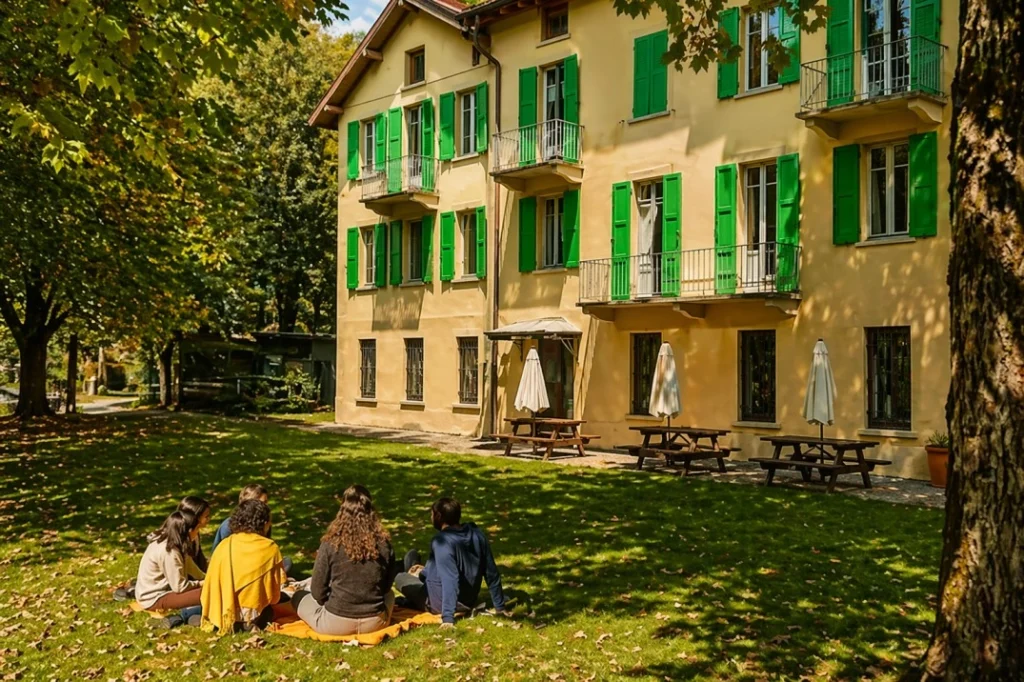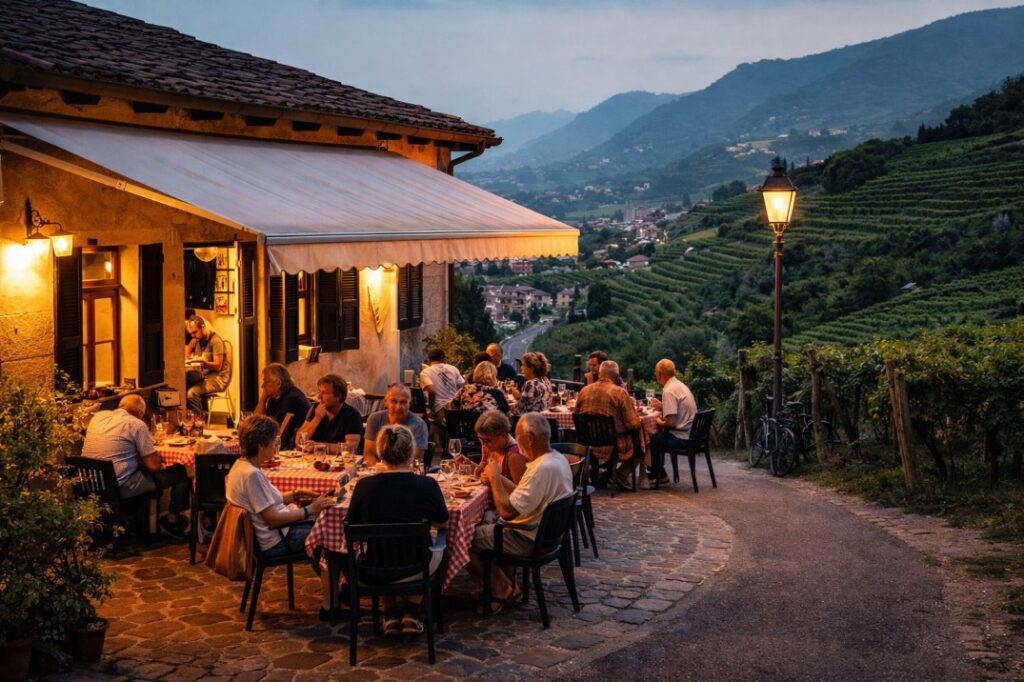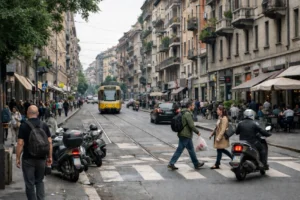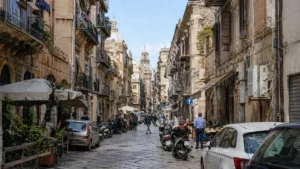
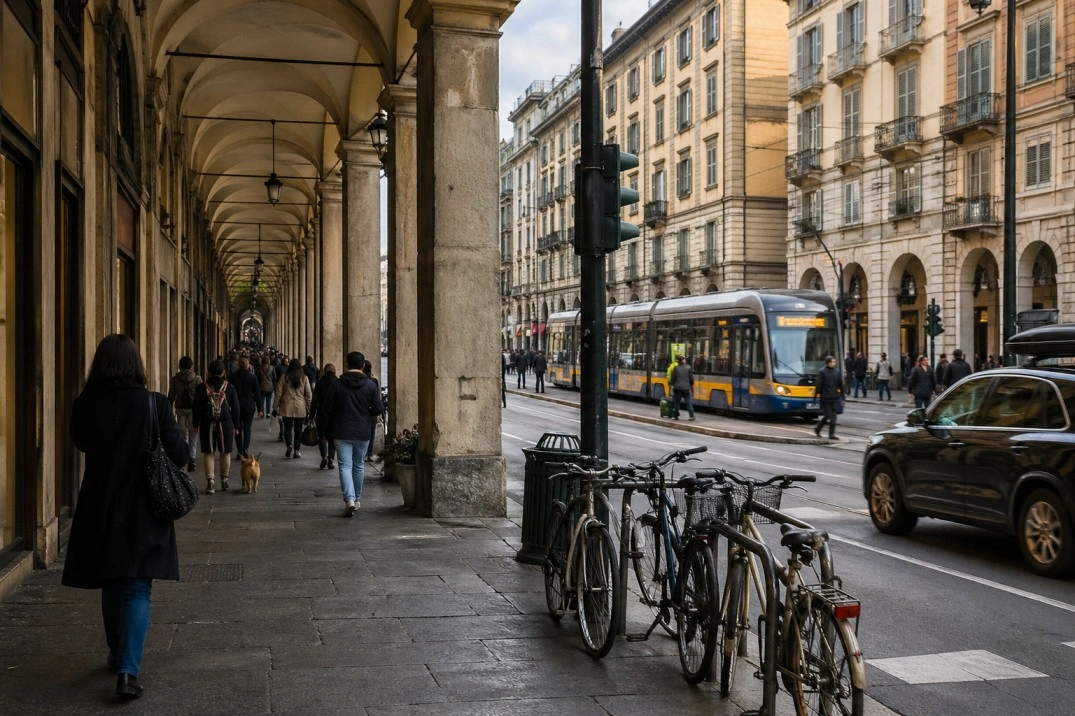
Living in Torino, Italy – people walking under porticoes on a normal weekday street

Living in Torino

Torino gives daily life a gridded rhythm: porticoes, trams, and calmer streets, with less spontaneity than more open Italian cities.

Living in Torino feels structured because the city was built around order, industry, institutions, and movement rather than tourism. Long streets, porticoes, rail stations, and a usable metro give daily life a clearer shape than in many larger Italian cities. The result is a city that can feel serious before it feels easy. Groceries, work routines, neighborhood habits, and weekend exits all sit inside a layout that reduces chaos, but also leaves less room for accidental discovery.

Compared with Milan, Torino gives more space for the money, but the constraint moves into housing quality and social access. The cost of living in Torino is manageable for many long-stay residents, yet furnished medium-term rentals require filtering through student rooms, old stock, agency listings, and short-stay pricing. Daily life works best when the neighborhood, transit line, and apartment condition are chosen together. A cheap flat too far out can erase much of the city’s practical advantage.

Living in Torino means choosing a structured northern city with lower costs than Milan, strong rail access, and credible mountain escapes. The advantage is daily order and value; the trade-off is finding good furnished housing and building social routines without a large plug-and-play expat scene.

Torino sits between Milan’s pressure and smaller northern towns’ quietness: more urban than a provincial base, less commercially intense than Italy’s main business city.

Is living in Torino for you?

Best For

Trade Offs

Seasonality

Urban · Ordered · Contained

Where to live in Torino
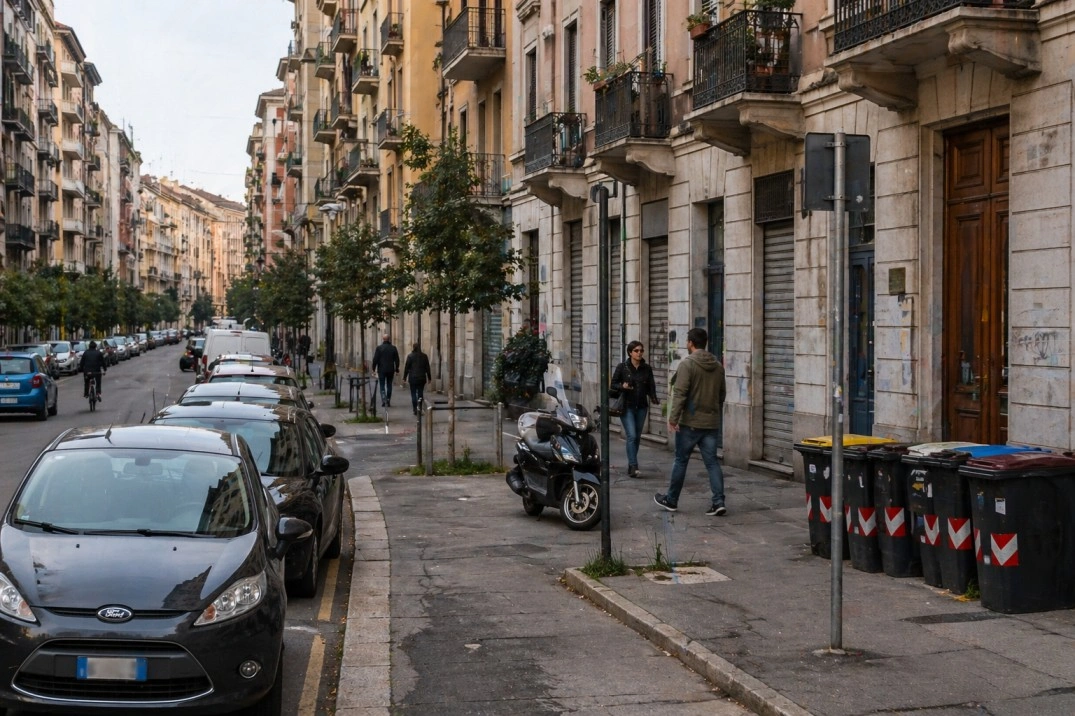
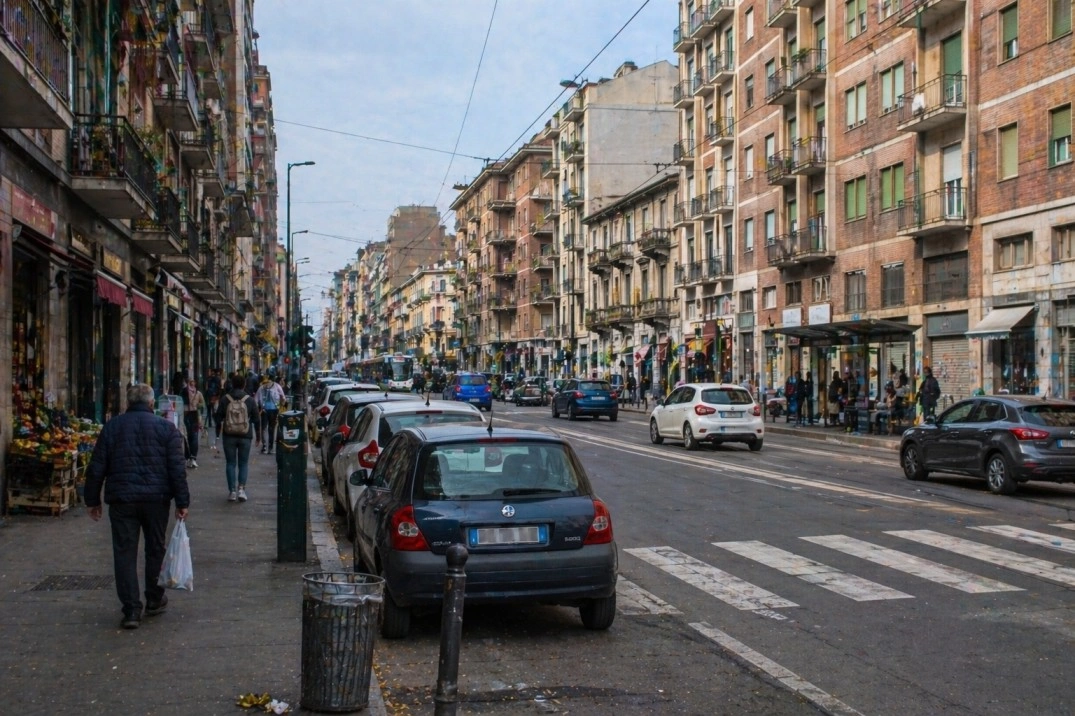
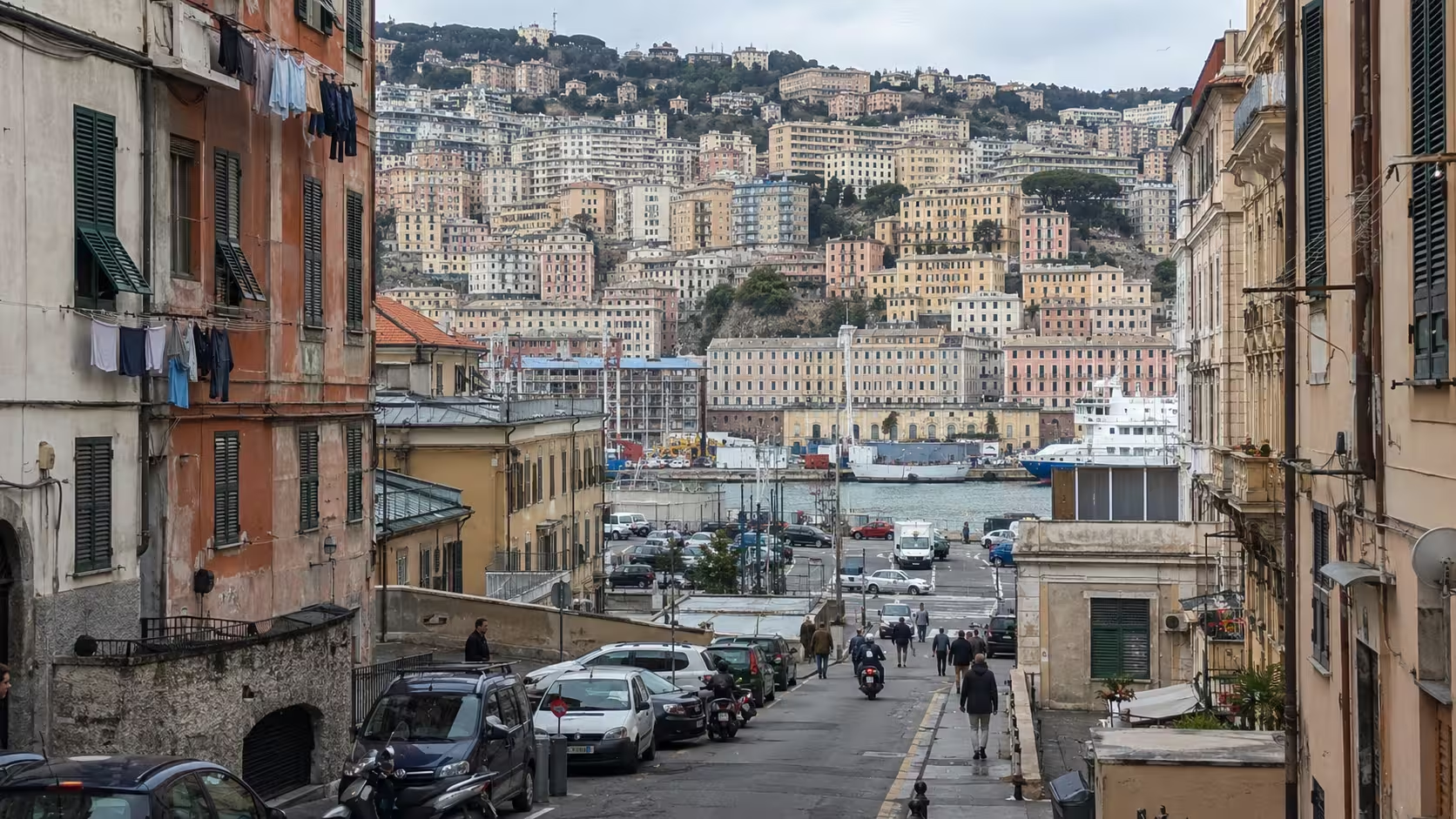
Where to live in Torino, Italy – residential street with apartments and parked cars

Where to live in Torino is less about finding the cheapest district and more about avoiding the wrong kind of compromise. The rental market contains very different products beside each other: student rooms near universities, older unfurnished flats, renovated short-stay units, and ordinary agency apartments. Availability looks broad until contract length, furniture quality, heating, building condition, and transit access are checked together. Central areas reduce daily friction but raise price pressure. Outer residential zones lower rent, yet can make work, social routines, and evening movement depend more heavily on transport choices.

Average housing costs

Neighborhoods in Torino
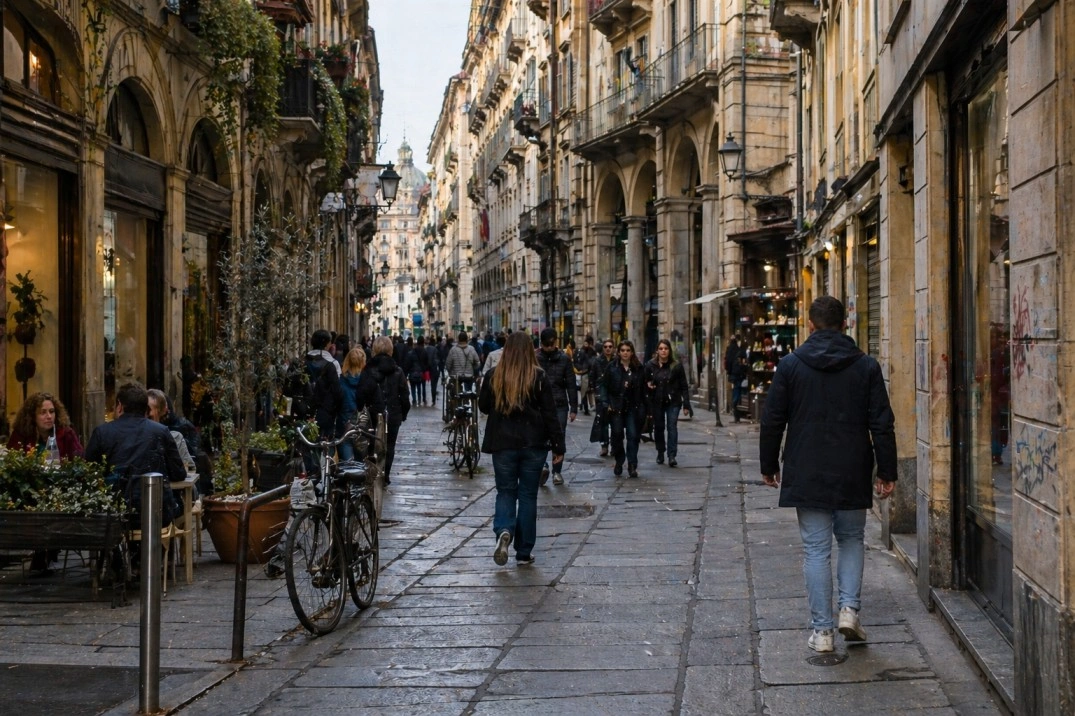
Centro Torino in Torino, Italy – pedestrians on a dense historic street

Positioning

Centro and Quadrilatero place daily life inside Torino’s densest historic grid: porticoes, shops, cafés, tram stops, offices, and evening foot traffic sit within short walking distance. The area works when convenience matters more than residential calm. Streets are useful and visually specific, but the same proximity brings noise, higher rents, smaller units, and less separation between home, errands, and visitors.

Who's it for

Best for short-stay expats or solo professionals who want minimal transit planning, frequent walking, and immediate access to the city’s central services.

Cost Variation

High pressure. Central convenience pushes rents above the city baseline, especially for furnished units with decent interiors.

Price Pressure:

Transport Access:

Noise/Density:

Local Feel:

Daily Convenience:

Coliving in Torino

Coliving in Torino exists, but it should be treated as limited and fragmented rather than a mature housing category. The city’s more realistic shared-living supply comes through furnished rooms, student-adjacent apartments, serviced studios, and small urban shared setups. Purpose-built remote-work coliving is not yet the dominant pattern. For a medium-term stay, the question is less “which coliving brand” and more whether the living, working, and social pieces can be assembled without relying on one provider.

Limited Options

Mostly City-Based

Mid-Range Prices

Coliving spaces in and around Torino
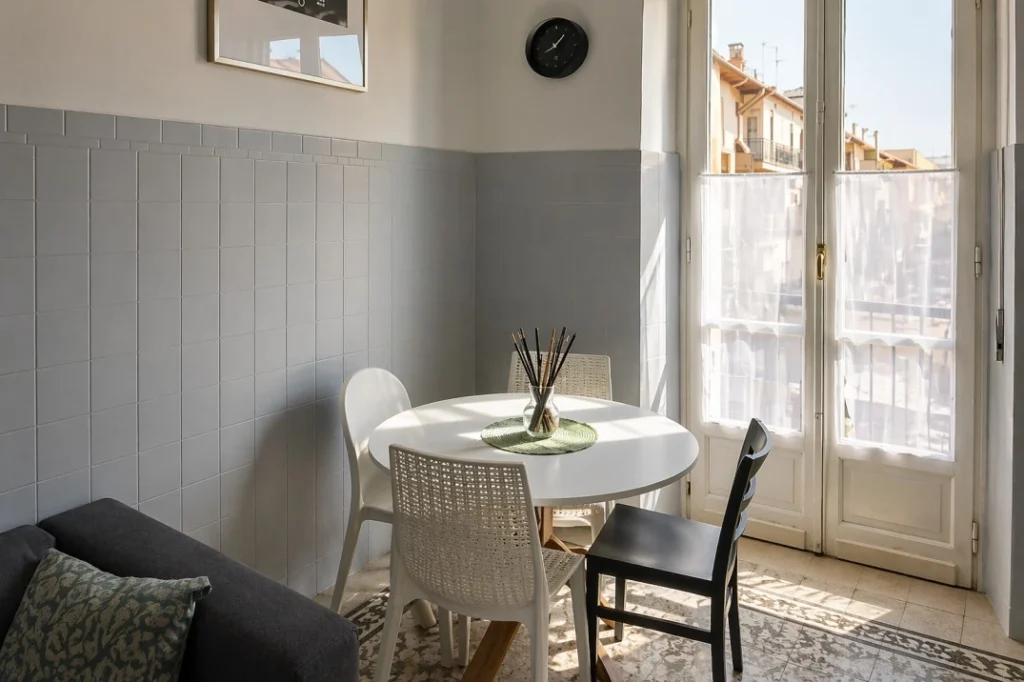
Use available inventory as a filter, not a promise: location, contract length, desk setup, and social structure matter more than label.

How people actually live in Torino

When coliving is limited, Torino works through assembly. A furnished room or studio provides the base, coworking or a reliable home setup covers work, and social life develops through repeated places rather than built-in programming. San Salvario and Vanchiglia make connection easier; Crocetta, Parella, and Borgo Po require more intentional routines. The model can work well, but it rewards planning. Arriving without a workspace, neighborhood logic, or weekly anchors makes the city feel more closed.

LIVE

Where you live

Choose housing by contract length, heating, furniture, and transit, not listing price alone.

The friction is quality control. Low prices often reflect student compromises, older interiors, awkward layouts, or locations that weaken daily access.

WORK

Where you work

Use home setup or coworking for deep work; cafés support shorter sessions.

The friction is consistency. Torino can support remote work, but long café sessions and late flexible hours should not be assumed.

CONNECT

Where you connect

Build repetition through neighborhood cafés, language exchanges, coworking, and recurring local habits.

The friction is entry speed. Social life forms slowly, especially outside San Salvario and Vanchiglia, and English-language circles are fragmented.

Choose coliving in Torino only if the location and work setup are clear; otherwise, build a shared-living system yourself.

Working from Torino
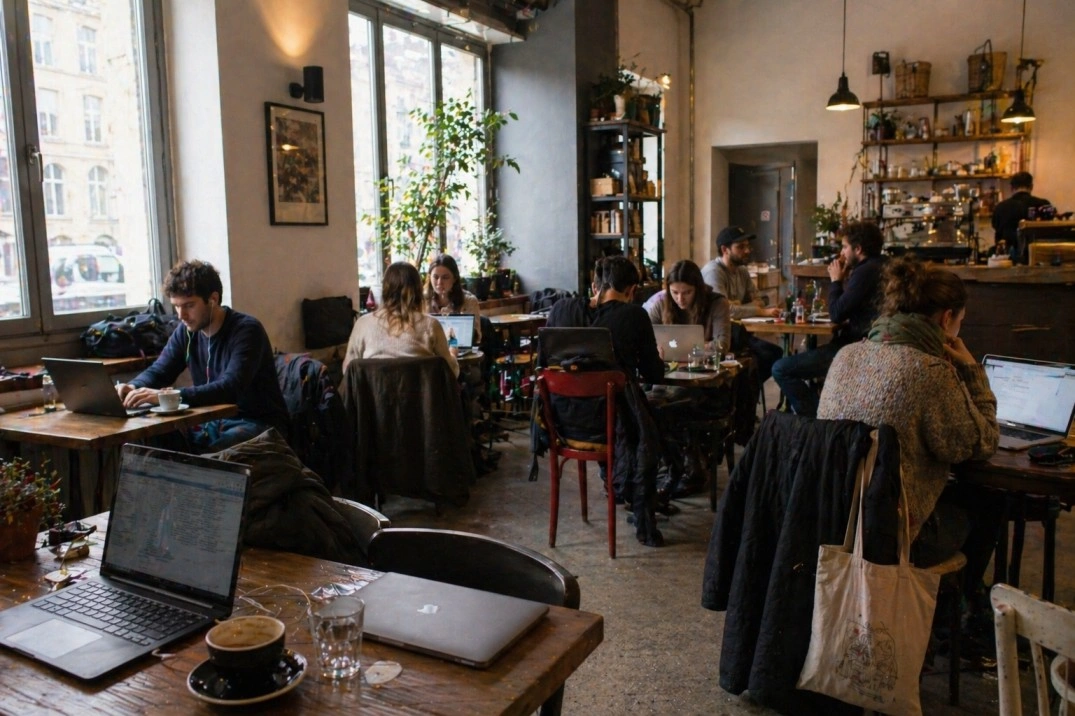
Working from Torino in Torino, Italy – remote workers in a realistic café setup

Working from Torino is feasible when the week has structure. The city’s pace is calmer than Milan’s, and residential areas can support focused routines without constant noise. The constraint is uneven work hospitality outside dedicated spaces. Some cafés suit a short laptop session; others are built around meals, conversation, and turnover. Torino works better for people with a reliable home desk or coworking anchor than for café-only workdays.

WiFi should be treated as adequate in apartments and formal workspaces, but not a universal promise across cafés. Coworking in Torino appears moderate rather than dominant, so it should support the routine rather than define the city. The practical friction is matching hours, seating, neighborhood, and commute. Centro and San Salvario provide access but more noise; quieter residential areas may require a stronger home setup.

The city rewards work patterns that are planned before the week starts: morning focus, errands nearby, fixed gym or café habits, and occasional rail-based exits. It is less convincing for people who expect loose social workdays, late coworking hours, or a visible remote-worker circuit. The structure becomes useful when routine is the goal; it becomes limiting when work depends on constant novelty, works for focused professionals, not for roaming laptop nomads.

Work Environment

Short café sessions are realistic; full workdays need home, coworking, or a quiet library-style setup.

Coworking Availability

Moderate supply supports routines, but coworking is not Torino’s main relocation advantage.

WiFi Availability

Apartments and formal spaces should work; cafés require checking noise, sockets, and table tolerance.

Coworking in Torino

Working from Torino is a good fit for structured remote routines, not for improvised café-hopping workweeks.

Community & Social Life
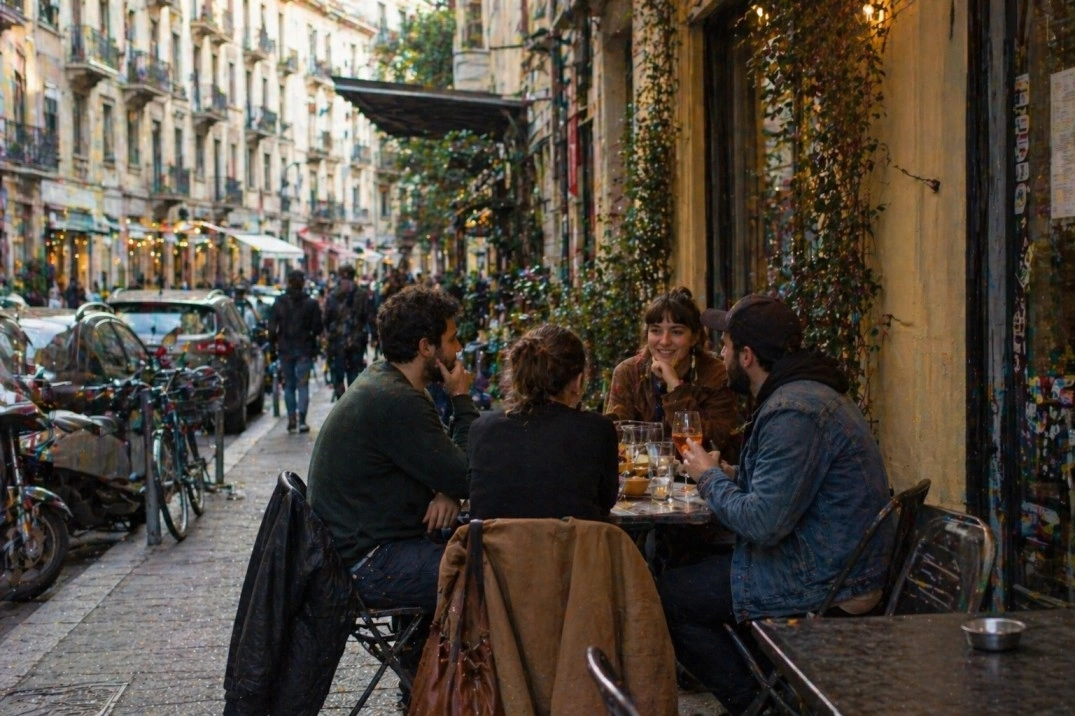
Community in Torino, Italy – small group talking at a neighborhood café table

Connection in Torino usually happens through repeated contact, not instant openness. People become familiar through the same café counter, the same coworking desk, language exchanges, university-linked circles, climbing gyms, bars in San Salvario, or small routines in Vanchiglia. The city has an international layer, but it is not dense enough to carry social life by itself. Local circles take time, and English will not unlock every room. The advantage is durability: once a routine forms, it can become stable because the city is not constantly resetting around visitors.

Community in Torino is built by showing up repeatedly; it rewards patience and gives little to passive arrival.

Beyond Torino: How far your day can stretch
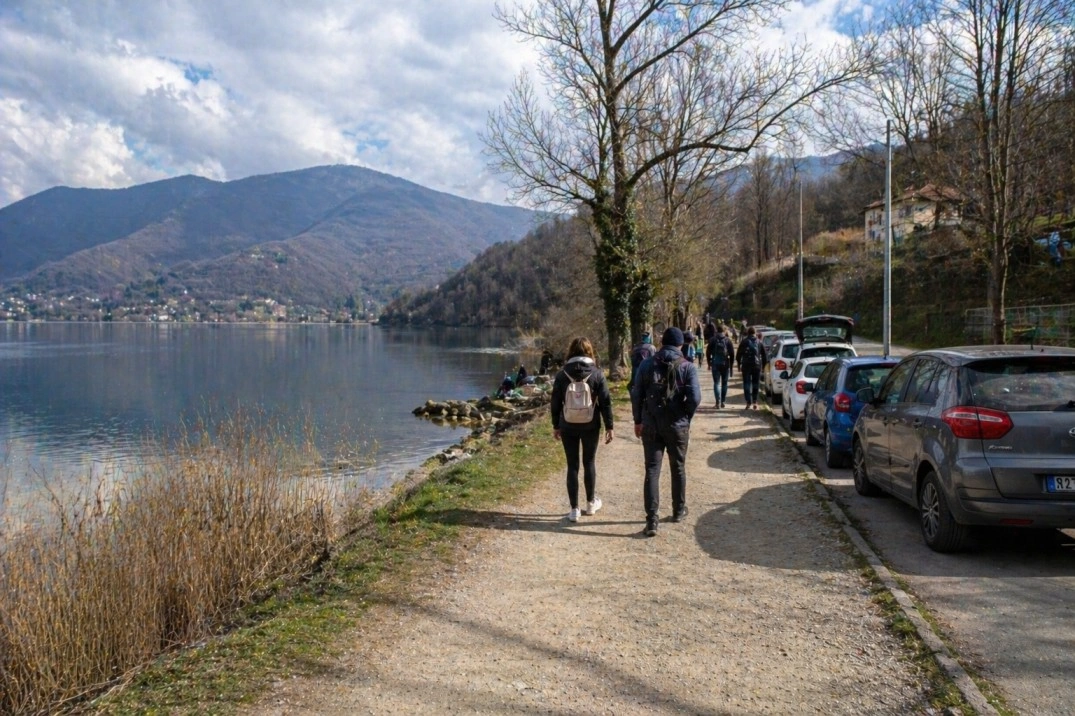
Day trips from Torino, Italy – walkers near a lake and low hills

Torino’s strongest geographic advantage is the way the city opens outward without losing its urban base. A normal week can stay inside porticoes, trams, residential streets, and cafés, then stretch toward lakes, hills, wine towns, or Alpine routes when time allows. Avigliana and Superga are close enough for lighter resets. Bardonecchia and Sestriere make the mountain layer more serious, especially in winter. This access matters because Torino itself is structured, not escapist.

The access layer is real, but uneven. Some trips work by train; others become much easier by car. Lake and mountain routes can depend on transfers, season, endpoint, and timetable gaps. Torino is therefore a strong base for planned escapes, not a city where every surrounding place is frictionless.

Accessible from Torino

Torino’s benefit is range: water, hills, wine towns, ski valleys, and transport nodes sit close enough to influence weekly life, but not all of them work equally well without planning.

Water Access

Water near Torino is useful because it changes the week without requiring a coastal lifestyle. Laghi di Avigliana are the clearest practical option, with rail access to Avigliana and a short onward movement. Lago di Candia works better by car or bus than by train. Lago d’Orta is more atmospheric, but the travel time makes it a planned day rather than an easy reset. This is lake access with logistics, not beach spontaneity.

Torino has usable lake access, especially toward Avigliana. Candia and Orta widen the options, but travel times and transfers make planning more important than impulse.

40'

30'

120'

35'

110'

50'

95'

150'

-

Elevation

Elevation is where Torino becomes more than a cost-effective northern city. Superga gives the quickest shift: hill views, tram access, and a visible break from the grid. Bardonecchia is the strongest train-linked alpine option, especially for winter routines. Sestriere gives higher mountain access, but usually asks for more planning and transfers. The mountain advantage is real, but it works best for people who schedule it into the week.

Superga gives the closest altitude shift. Bardonecchia and Sestriere add serious mountain access, but the higher routes reward planning more than last-minute movement.

30'

40'

-

100'

90'

125'

80'

120'

180'

Nearby Towns

Nearby towns extend Torino without turning the page into sightseeing. Venaria Reale is the closest cultural shift, useful for a short reset rather than a full escape. Ivrea adds a northern rhythm with lake access and a different urban scale. Alba gives the Langhe connection, where food and wine sit within a longer but still realistic day. These places matter because they prevent Torino from feeling sealed inside its own grid.

Venaria, Ivrea, and Alba give Torino practical resets: cultural, northern, and wine-country rhythms within reach, though not all are equally effortless.

20'

30'

45'

60'

80'

70'

90'

110'

120'

Transport Nodes

Torino’s transport value is practical rather than symbolic. Porta Susa and Porta Nuova anchor regional and national movement, while Lingotto gives the south side a useful rail and metro role. Caselle airport keeps short work trips and family visits realistic without defaulting to Milan. This matters for multi-base living: Torino can be quieter than Milan while still connected enough for planned movement across northern Italy and beyond.

Porta Susa, Porta Nuova, Lingotto, and Caselle make Torino workable as a base. The city stays calmer than Milan without becoming isolated.

35'

30'

45'

20'

5'

15'

20'

10'

15'

Torino works best as a structured base with real exits, not as a city where every escape is effortless.
FAQs

Is living in Torino affordable for remote workers?

Yes, living in Torino is more affordable than Milan for most remote workers, especially around rent. The realistic issue is not the city average, but furnished medium-term quality. A workable budget depends on avoiding poor student stock, weak heating, awkward locations, and listings priced for short stays.

Crocetta, Vanchiglia, Cenisia / Cit Turin, and Parella / Pozzo Strada offer the clearest balance for many long-stay residents. Each solves a different problem: calm, local energy, university-linked practicality, or residential value. Centro and San Salvario are easier socially, but carry more noise and price pressure.

No, coliving in Torino is limited and fragmented. The more realistic setup is a furnished room or studio, plus coworking, repeated neighborhood routines, and intentional social anchors. Treat branded coliving as a useful option when available, not the main housing system for the city.

Yes, working from Torino is realistic without a car if daily life is built around the metro, trams, and walkable neighborhoods. A car matters more for mountain, lake, and peripheral trips. For weekday work, the bigger questions are desk setup, café tolerance, coworking access, and apartment quality.

Scroll to Top

What was missing?

Tell us what you expected to find, or what would have made this guide more useful.