
Living & Coliving in Lazio
A capital region where access is real — and so is the friction of living inside a gravitational field.
Living in Lazio means living inside Rome’s orbit — whether you choose the capital itself or position yourself along its edges. This is not a region built on scenery first. It is built on systems: ministries, transport nodes, universities, hospitals, airports, contracts, and the constant movement that keeps them alive. The question is not whether Rome shapes your life. It’s how much.
Living in Lazio means choosing how close you want to be to Rome’s gravity. The capital offers infrastructure, connections, and constant activity — but also noise, bureaucracy, and time friction. Outside Rome, life becomes cheaper and calmer, with fewer coworking options and more self-built community.
Unlike Tuscany, Lazio isn’t curated; Rome’s gravity decides what feels easy and what costs time.
Is Living in Lazio for you?
Best For
- You want access to airports, events, networks, and services — and accept that infrastructure comes with friction.
- You prefer choosing distance strategically: Rome when needed, hills or coast when necessary.
- You operate well in negotiated systems where relationships solve problems as much as rules do.
Trade Offs
- Rome proximity means attention leakage: queues, traffic buffers, admin loops, and compressed weekends.
- Outside Rome, English drops and services thin — integration becomes deliberate, not automatic.
- Summer heat reshapes routines; productivity shifts earlier, evenings stretch later.
Seasonality
- Best: October–May (working weather, fuller cultural life, less friction)
- Summers: Heat + coastal compression; Rome empties in August but logistics slow down
- Winters: Damp in the city, sharper cold inland; shorter daylight changes social energy
Pragmatic · Urban-adjacent · Schedule-aware · Decompression-driven
Living in Lazio: Daily Life & Lifestyle
Lazio is not “Rome plus countryside.” It is a region structured by proximity to the capital’s machinery. Ministries, hospitals, universities, and airports create gravitational corridors that determine where people live and how they move. A practical anchor appears fast: even simple plans include buffer time — traffic, delays, one additional errand folded into the day because the system encourages stacking.
The social rhythm follows movement. Invitations are often location-led and last-minute: you join what is already happening rather than crafting events weeks ahead. Evenings begin later than expected, especially in warm months, and social life frequently starts only after commute and admin tasks are cleared. Daily stability is built inside unstable inputs.
The underestimated adjustment for newcomers is administrative repetition. Bureaucracy in Lazio is not dramatic — it is persistent. Property contracts, health bookings, building administrators, residency steps: rarely catastrophic, rarely resolved in one visit. Progress comes from sequencing tasks calmly and returning when required. It is an attention discipline, not a crisis.
Outside Rome, daily life flips in tone. Rents ease, streets quiet, space expands — but service layers shrink. Fewer coworking hubs, fewer international entry points, and more reliance on known relationships. The region rewards those who consciously choose their distance: close enough for access, far enough to protect focus.
Remote Work Reality
Rome remains the infrastructure center for remote work in Lazio: coworking density, events, reliable connectivity, and the highest probability of meeting other internationals.
The constraint is logistical drift. Commutes, errands, and minor friction accumulate quickly enough to shape your calendar if you do not defend your time.
Regional cities — Viterbo, Latina, Rieti, Frosinone — usually offer stable home connectivity, but coworking becomes sparse and community is self-assembled.
If unpredictability drains you, Lazio will test you. If you can plan lightly, keep buffers, and treat movement as part of your workday, the region becomes highly usable.
Rome concentrates services and stable connectivity.
Time buffers are not optional — they are structural.
Outside Rome, workspaces thin; routines matter more than hubs.
Need a reliable workspace during your stay?
For longer stays, cafés and apartment Wi-Fi are not always enough. Italy Coliving readers can access a partner workspace offer with 10% off coworking, day offices, meeting rooms, business lounges, and virtual office services.
Partner link. Italy Coliving may earn from qualifying enquiries.
Remote work in Lazio works best when you design logistics deliberately instead of reacting to them.
Food & Culture
Food in Lazio is not ornamental — it is a social positioning system. In Rome, choosing where and how you eat signals belonging. Standing at a bar, sitting at a trattoria, ordering “simple” without hesitation — these are fluency markers. The bar and neighborhood market remain daily institutions that anchor time: morning espresso rhythm, mid-day errands, compressed evening tables.
Beyond the capital, the tone shifts from performance to placement. Porchetta ties you to Ariccia. Lamb traditions anchor inland zones. Seafood defines the southern coast. Lazio’s food culture is less about variety than about geography: Rome sits at the center, but the countryside feeds and defines it.
Iconic food you’ll encounter in Lazio
Nature & Weekend Escapes
When living In Lazio, nature is both backdrop and pressure valve. Rome’s density makes escape feel necessary, but the region’s geography offers multiple exits: volcanic lakes, coastal dunes, limestone ridges, and the Apennine edge. The spatial cue that matters: you can change landscape fast, but you’ll often change it with other people—weekends can compress into the same corridors unless you choose less obvious routes.
The region’s nature is not only “beautiful”; it’s structuring. Summers push you toward coast and lakes; winters push you inward toward quieter towns, forests, and higher ground. If you want nature that supports consistent routines (not just occasional breaks), Lazio works when you base yourself where nature is daily accessible without a Rome-sized commute.
Within easy reach when living in Lazio:
Castelli Romani lakes & ridge towns: quick-reset landscape, but weekend crowd magnet
Tuscia & Lago di Bolsena: slower, wider, less performative; better for repeat weekends than one-off highlights
Monte Terminillo: true quiet and winter seriousness; fewer casual services
Agro Pontino coast + Circeo area: sea + open space; summer-heavy, but strong if you plan seasonally
Lazio’s nature is most valuable when treated as a weekly system, not an occasional highlight.
Places in Lazio
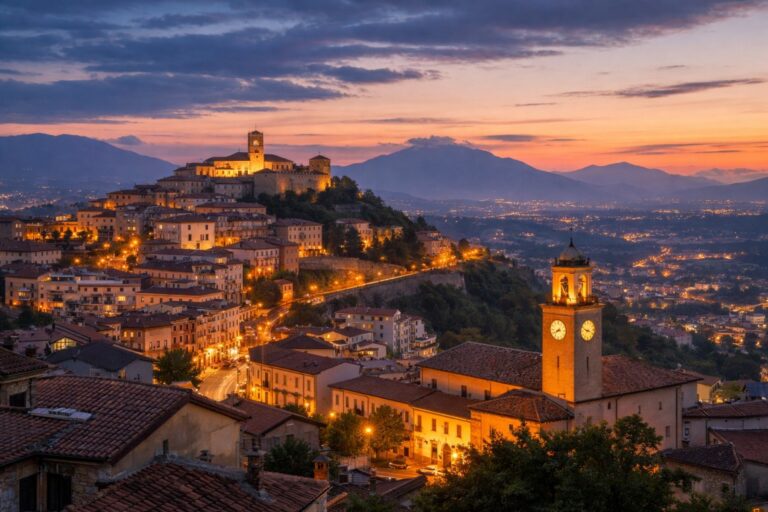
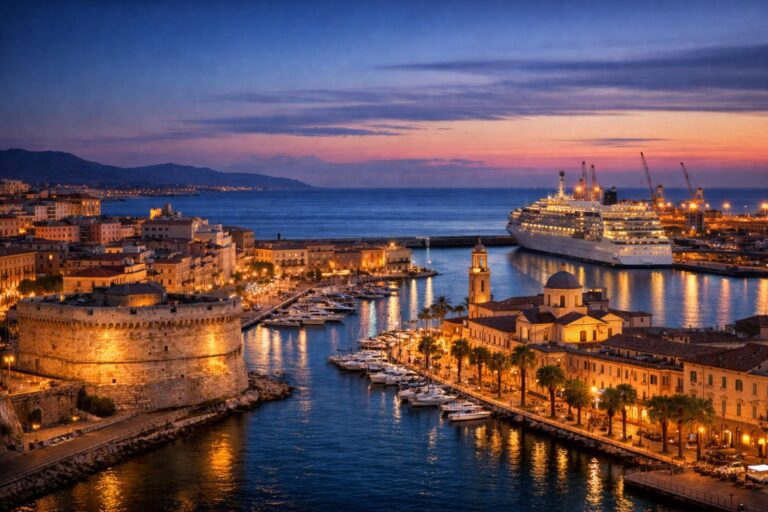
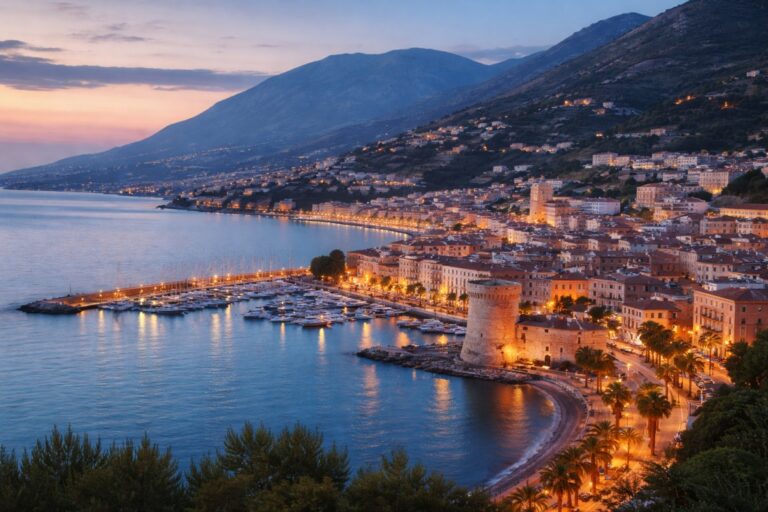
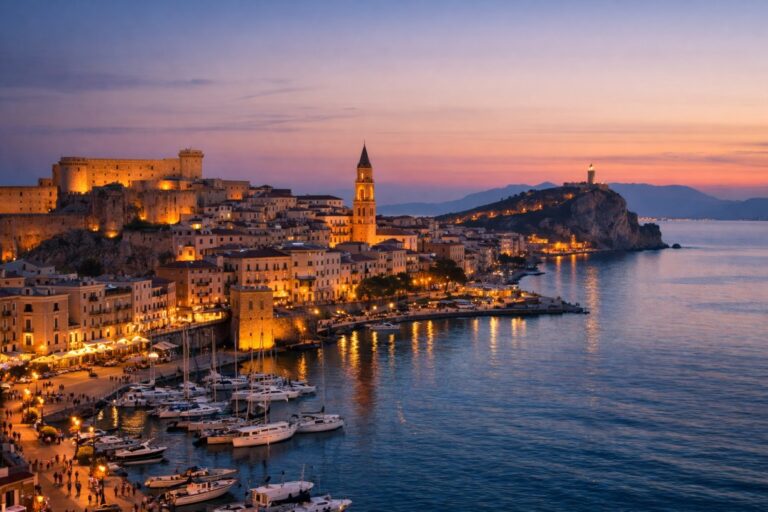
Distinct Territories within Lazio
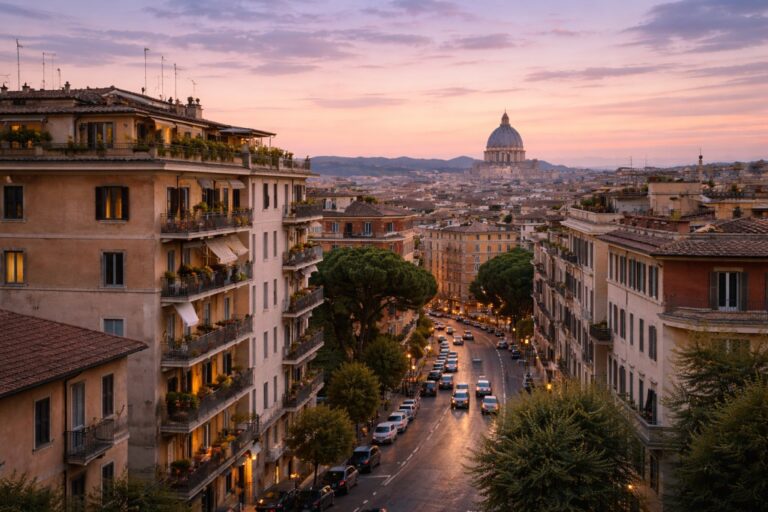
Castelli Romani & Colli Albani (Frascati–Albano–Ariccia corridor)
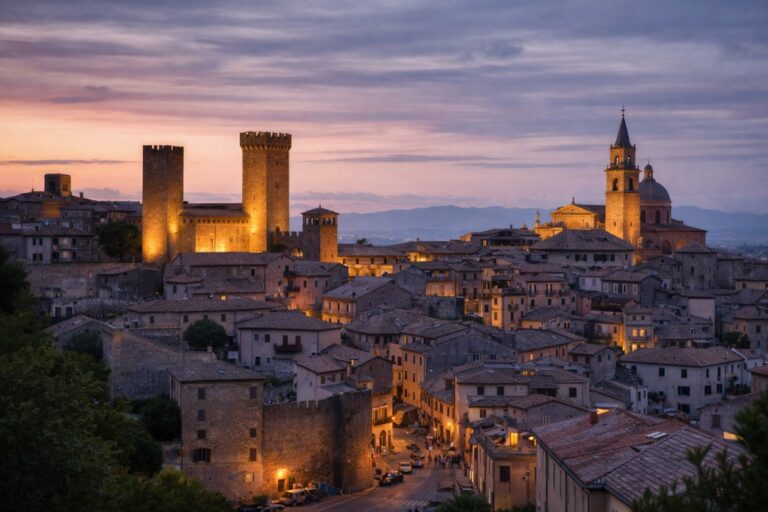
Tuscia Viterbese (Viterbo + Lago di Bolsena hinterland)
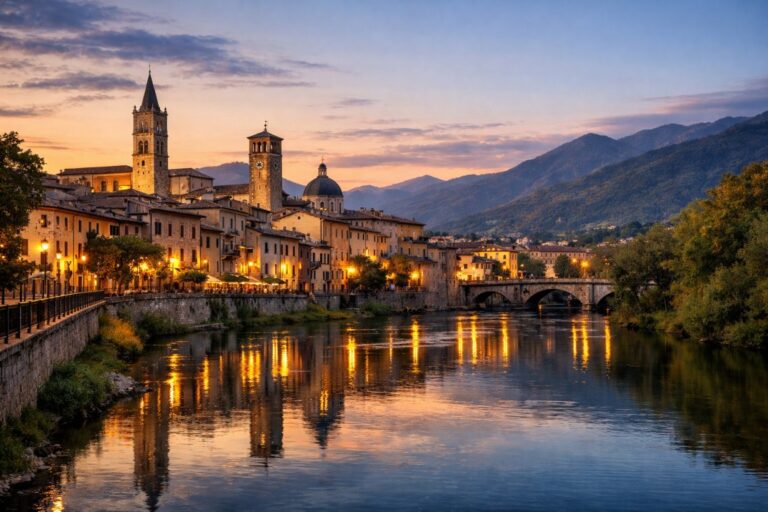
Sabina & Reatino (Rieti and the Apennine edge)
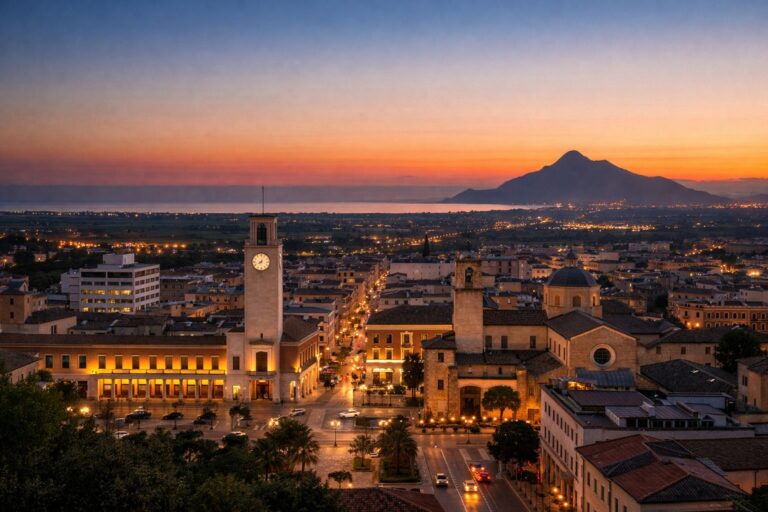
Agro Pontino & Golfo di Gaeta (Latina–Formia–Gaeta axis)
Coliving Reality Check
Coliving in Lazio works best for people who want access without surrendering control. If you value infrastructure — airports, coworking density, hospitals, transit, events — and are willing to choose your neighborhood strategically to protect your focus, the region gives you range without isolation.
It drains people who expect quiet to happen automatically. Rome’s scale, and even its orbit towns, require buffer time, route planning, and tolerance for minor friction. If your productivity depends on predictable silence without effort, Lazio can feel like constant background noise.
Outside the capital, “coliving” often shifts into shared housing with local norms rather than curated international bubbles. Social integration can be slower, and house dynamics more cultural than global. The experience is real — but rarely frictionless.
Fit: You want access and density, and are willing to design your distance from Rome deliberately.
Misfit: You expect low-noise environments without planning or buffers.
Outside the capital, coliving often becomes shared housing with local norms rather than international bubbles.
Coliving in Lazio works when you stop trying to conquer Rome — and start using it selectively.
Discover Coliving in Lazio
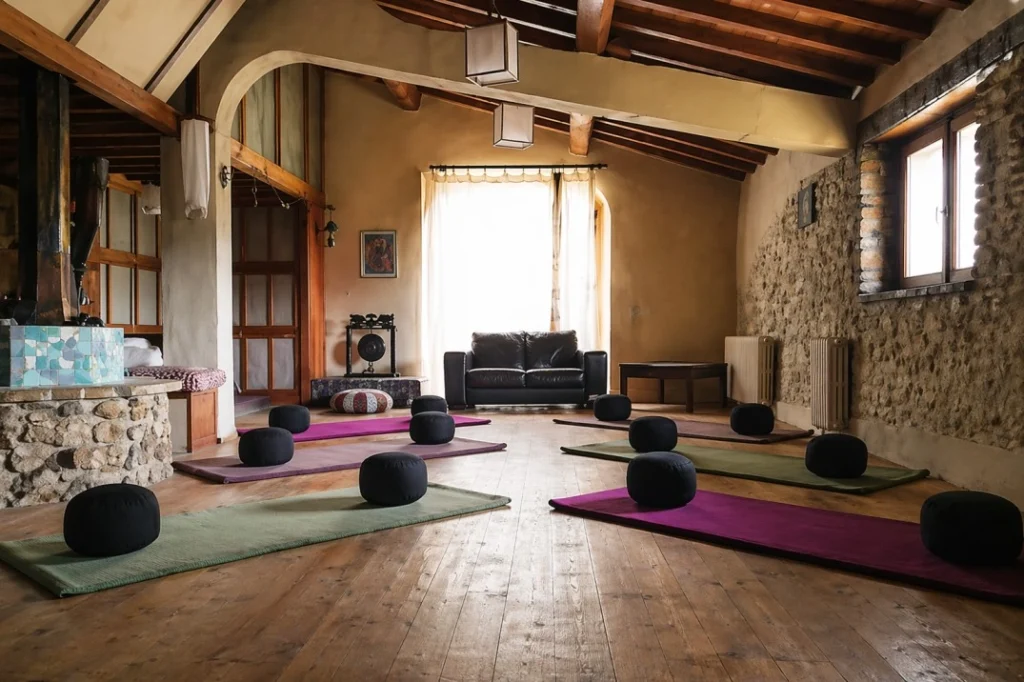
Shared Workspace
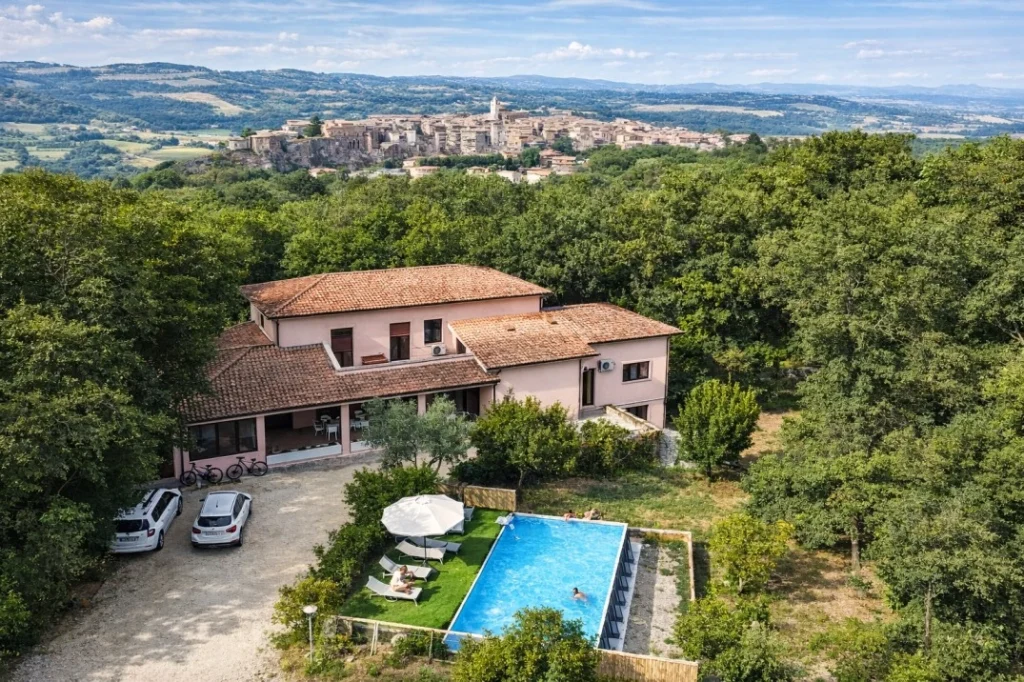
Bosco Alto
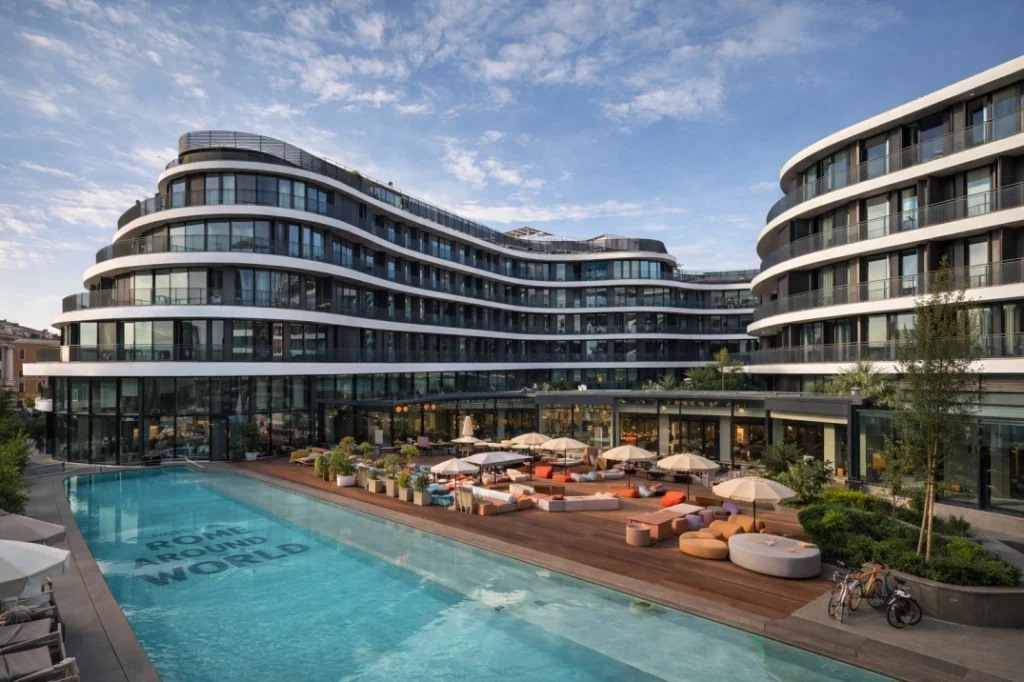
Dedicated Workspace
The Social Hub
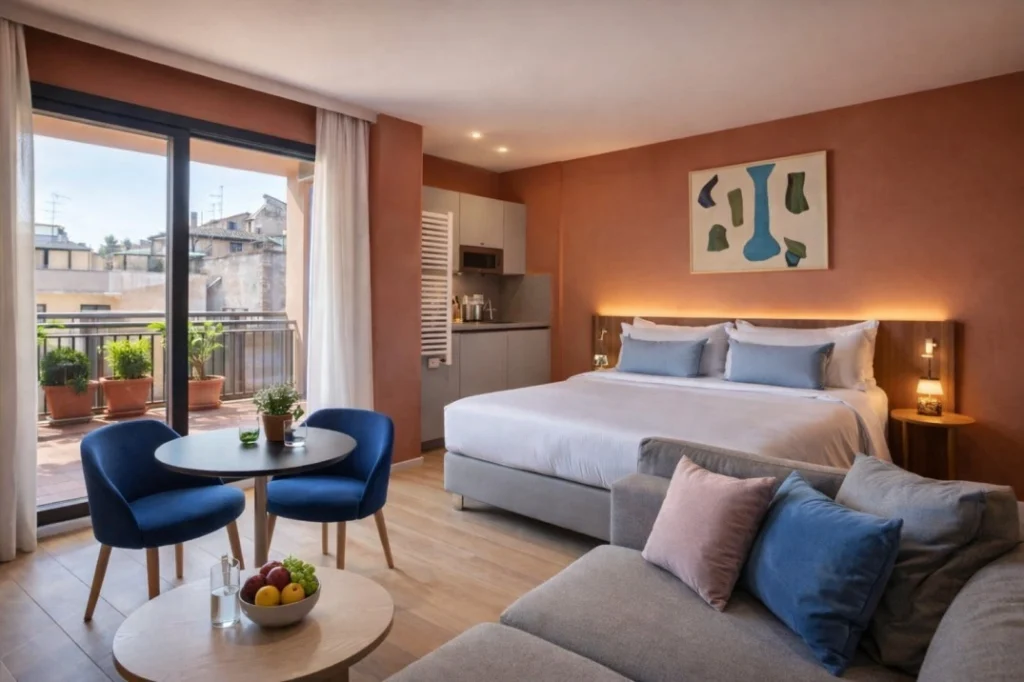
Dedicated Workspace
Numa Trastevere
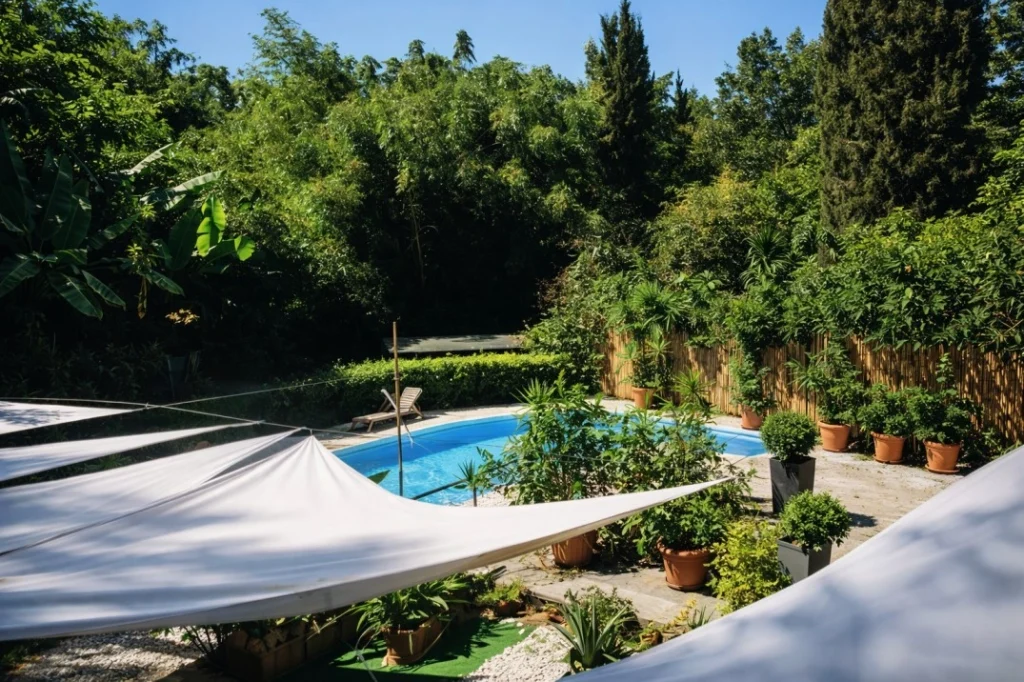
Shared Workspace
Wiki Colive
Dedicated Workspace
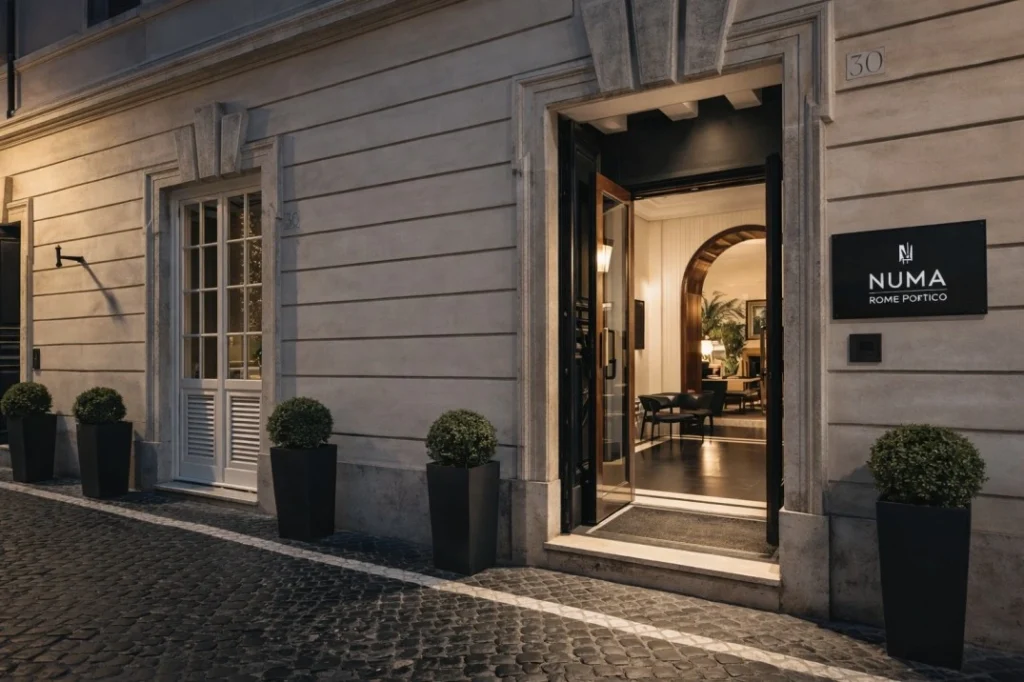
Numa Portico

Shared Workspace
Together in Trastevere
Shared Workspace
NestingAway
Explore Other Regions in Italy
See how other regions compare in lifestyle and pace.
FAQs
Is Lazio only worth it if I live in Rome?
No. Rome is the infrastructure hub, but cities like Viterbo, Latina, and Rieti can offer calmer daily life and lower costs. The trade-off is fewer coworking options and a smaller international scene.
What’s the biggest adjustment for newcomers in Lazio?
The attention tax of logistics and bureaucracy. Even when everything works, small frictions recur: paperwork loops, traffic buffers, and admin timing. Lazio rewards planning and relationship-based problem solving.
Where is the best area near Rome for focus?
Castelli Romani can work well if you want cooler evenings and smaller rhythms while staying close. It’s strongest when you can work mostly from home and treat Rome as an occasional tool, not the default.
How does summer affect remote work in Lazio?
Heat and crowd compression push routines later. Evenings become the functional social window, and coastal corridors get busier and pricier. Off-season coastal towns can be a better long-stay choice than peak summer.
Is it easy to find coworking outside Rome?
It’s possible but not dense. Larger cities may have options, but many areas rely on home setups and informal work routines. If you need daily coworking energy, base in Rome or expect to self-organize.