
Living & Coliving in Lombardia
Italy’s most work-shaped region: high-functioning systems, private social codes, and a constant exchange between speed and strain.
Living in Lombardia means inhabiting Italy’s most economically structured region. Milan sets the tempo — not aesthetically, but logistically. Dense rail networks, airport access, corporate gravity, and institutional scale shape daily decisions more than scenery does.
For remote workers, this means clarity: things work, appointments happen, infrastructure holds. It also means exposure — to cost, to pressure, to measurable performance.
Living in Lombardia means adapting to a region where work structure defines daily rhythm. Milan drives professional density, rail efficiency, and economic gravity. Remote workers gain access, infrastructure, and mobility — but trade spontaneity and lower costs for reliability and speed.
Is living in Lombardia Italy for you?
Best For
- People who want big-city optionality without needing “Italy vibes” to feel real
- Remote workers who perform best with structure, logistics, and predictable access
- Long-stay setups where life splits cleanly into work mode and recovery mode
Trade Offs
- Social entry is not warm by default
- Housing — and the cost of living in Lombardia — is a continuous negotiation
- The region rewards performance; it punishes drift
Seasonality
- Best: March–June, September–October
- Summers: Milano empties in August; lakes get busy
- Winters: Long grey stretches in the Pianura Padana
Efficient · Private · Ambitious · Compartmentalized
Living in Lombardia: Daily Life & Lifestyle
Daily life in Lombardia moves faster than most of Italy — not dramatically, but perceptibly. In Milano, morning espresso happens standing, often between calls. In provincial cities like Bergamo or Brescia, routines feel more traditional, but work schedules still dominate weekday identity.
Lombardia runs on an unspoken agreement: you don’t need to be liked to be served, you need to be clear, on time, and consistent. Early starts, dense weekdays, and visible “switch-off” moments define rhythm more than spontaneous street life.
Outside the metro orbit, life turns more small-city: less performance, more household gravity. In places like Bergamo, Brescia, Pavia, or Mantova, assessment is quiet — how you rent, how you respect shared space, how consistently you show up.
The contradiction is structural: living in Lombardia offers some of Italy’s strongest infrastructure for building a stable long-stay life, while making it easy to feel like life is all maintenance. You must actively design softness — lake time, mountain time, green time — or the system designs you.
Remote Work Reality
If you struggle with boundaries, living in Lombardia amplifies it. The systems work — which means there is always another meeting, another train, another opportunity.
Milan remote work is defined less by café culture and more by proximity to industries — finance, fashion, tech, design — and coworking density.
Como remote work carries a different rhythm: quieter lakeside towns with strong rail return to the metro core.
Strong internet coverage across cities and most towns makes redundancy easy. If you rely on “cheap + quiet + central,” Lombardia forces a choice — you’ll pay, commute, or compromise.
Reliable connectivity — easy redundancy
Industry proximity — deep coworking density
Price vs calm trade-off
Need a reliable workspace during your stay?
For longer stays, cafés and apartment Wi-Fi are not always enough. Italy Coliving readers can access a partner workspace offer with 10% off coworking, day offices, meeting rooms, business lounges, and virtual office services.
Partner link. Italy Coliving may earn from qualifying enquiries.
Lombardia rewards clarity and execution. It does not protect your boundaries for you.
Food & Culture
Lombardia’s food culture doesn’t perform warmth; it signals status, restraint, and where you belong in the week. In Milano, the public ritual isn’t the long family meal—it’s aperitivo as a social sorting mechanism: where you go, what time you appear, and whether you’re invited inside the circle afterward. In smaller cities, food is less scene-driven and more household-driven, but the tone remains pragmatic: fewer declarations, more repetition—done well, without theatrics.
Culturally, Lombardia is unusually comfortable with modernity without apology. That sounds abstract until you live it: people accept convenience, schedules, and “systems” as normal. The price is that tradition is less visible in the street; it’s kept in homes, in clubs, in circles you earn.
Iconic food you’ll encounter in Lombardia
Nature & Weekend Escapes
When living in Lombardia, nature is both pressure valve and identity split. The weekdays are built around throughput; the weekends are where people prove they still own their time. That’s why lakes and mountains aren’t just scenery here—they’re part of the regional coping strategy. The practical cue you’ll learn fast: good weekends require planning (trains, traffic, timing), because half the region has the same idea at the same hour.
The north gives you real altitude fast (Valtellina, Valchiavenna, the Orobie), while the west and northeast give you water-led resets (Como/Lecco, Garda). But the underlying pattern stays consistent: nature is used intentionally, almost instrumentally—to recover, not to wander.
Within easy reach from Lombardia:
Lake Como & Lake Lecco: Como/Lecco for day breaks; Garda for longer, but busier, plans
Valtellina & Orobie: altitude as physical reset — hiking, ski days, refuges — where effort replaces noise and winter disciplines routine.
Oltrepò Pavese: low-density countryside buffer of vineyards and small towns, used for slow Sundays rather than spectacle.
Parco del Ticino & Parco Adda Nord: river corridors that cut through the plains, offering accessible green escape across multiple provinces.
Lombardia doesn’t romanticize nature—people schedule it like medicine, and it works.
Places in Lombardia
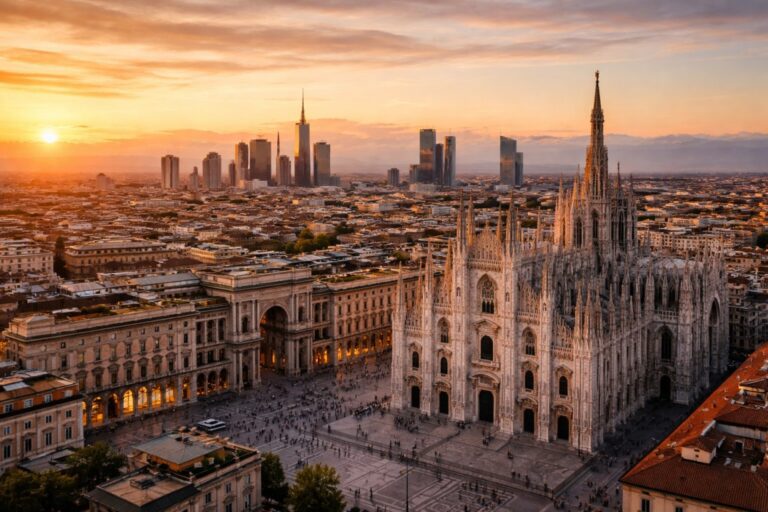
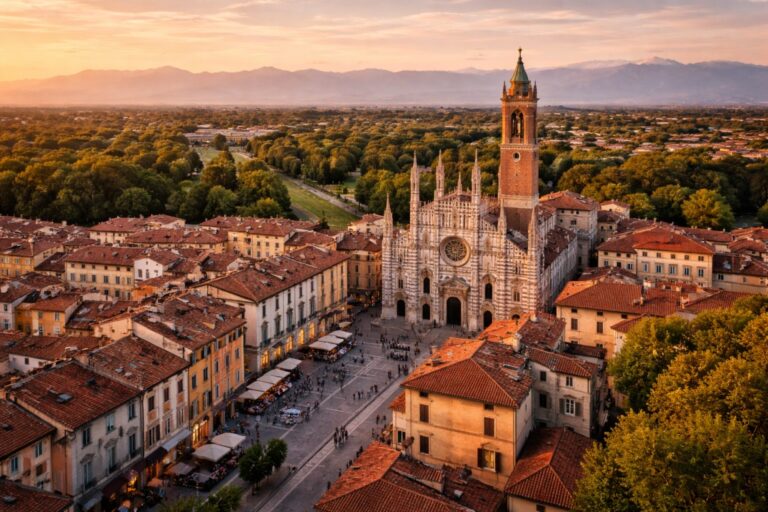
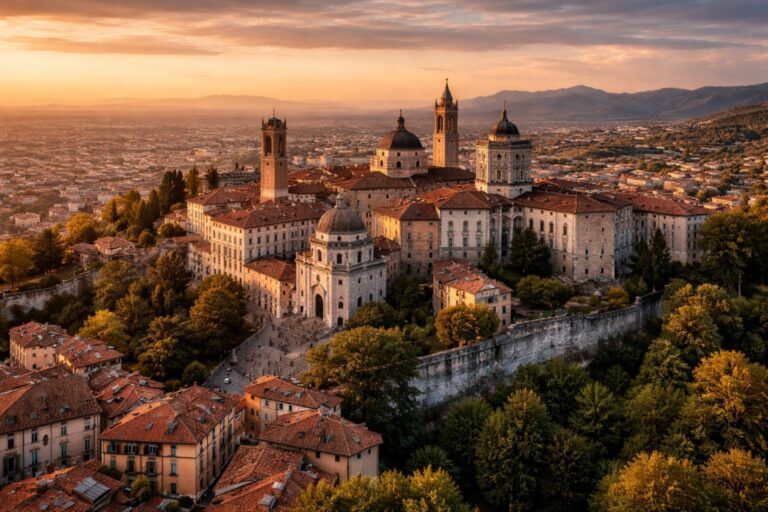
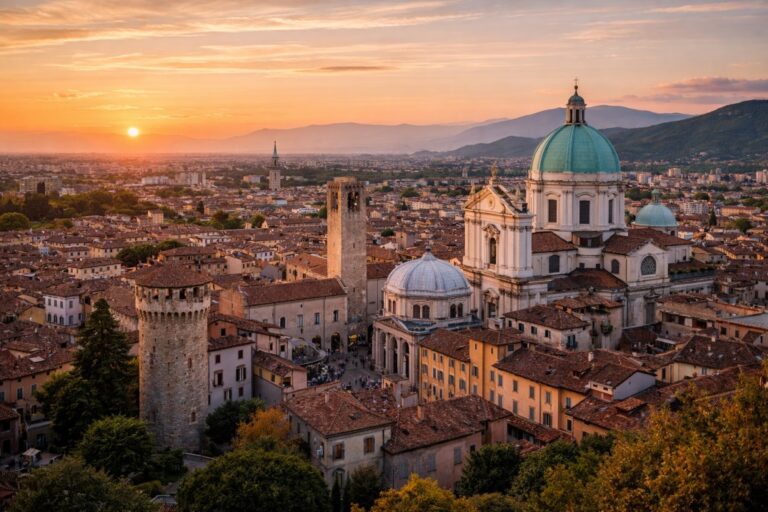
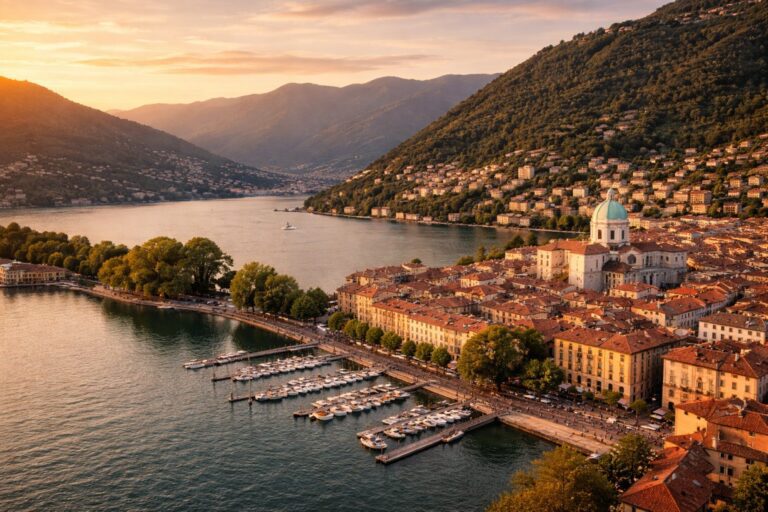
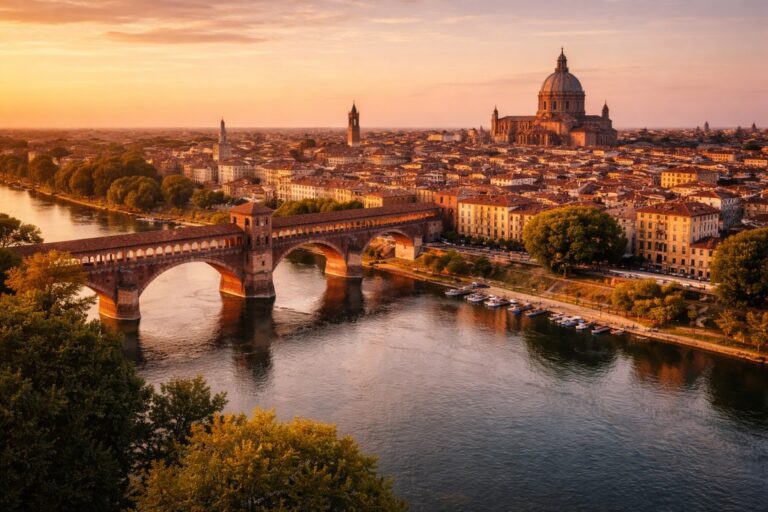
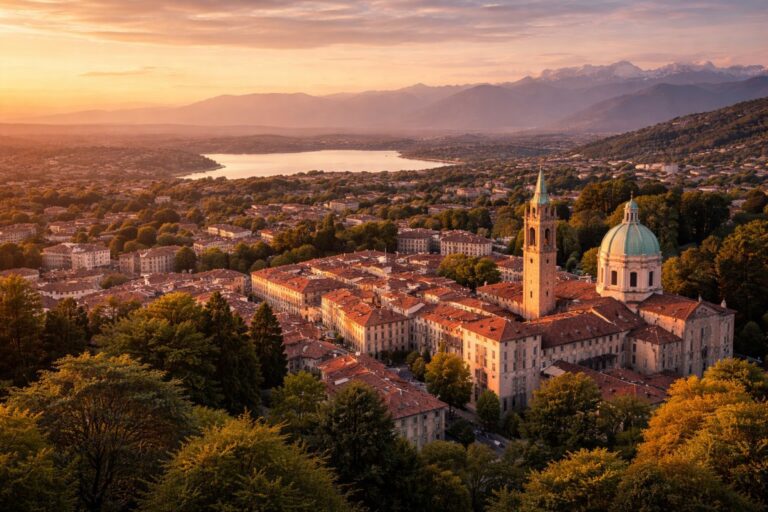
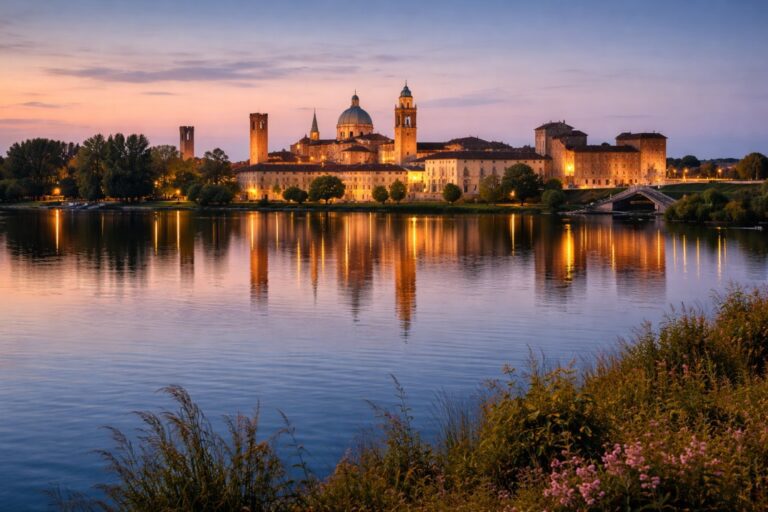
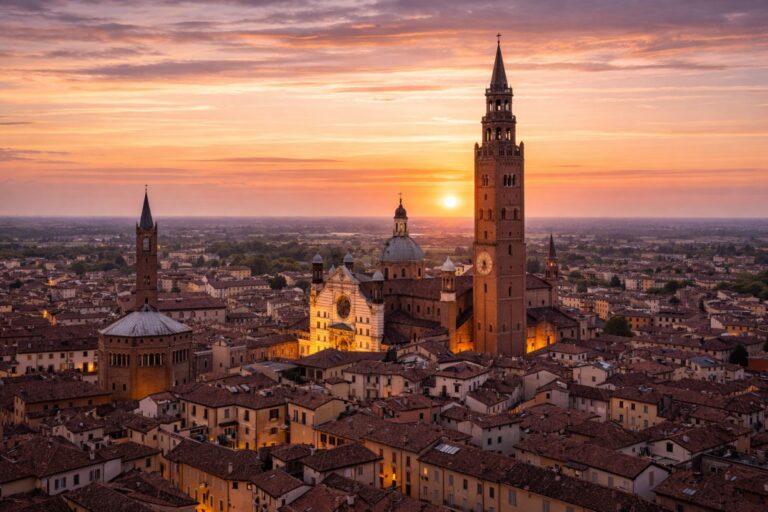
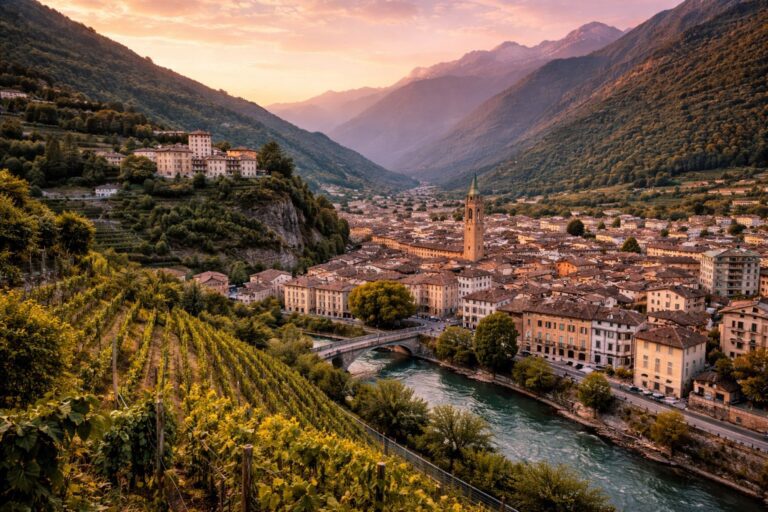
Distinct Territories within Lombardia
The Lake Belt (Como–Lecco–Varese)
The Industrial East (Bergamo–Brescia axis)
Valtellina & the Alpine North (Sondrio–Tirano–Bormio orbit)
Coliving Reality Check
Lombardia fits coliving when your priority is function over atmosphere. If you want fast setup, reliable services, strong transport links, and a predictable work rhythm, the region supports you without friction. You can stabilize quickly and focus on output.
It misfits people who expect social warmth to happen automatically. Lombardia’s social code is private and calendar-shaped. Connection forms through repetition and initiative, not proximity alone. If you rely on ambient community, you may experience distance before belonging.
The watch-out is efficient loneliness. When infrastructure works and everyone is busy, it becomes easy to operate smoothly without integrating deeply. Unless the coliving space actively curates interaction, productivity can quietly replace connection.
Builders and operators who want fast setup, reliable services, and consistent work rhythms
People who need warm social scaffolding—Lombardia makes you initiate, repeat, and wait
Coliving can become “efficient loneliness” if the space doesn’t actively curate connection
Lombardia gives you tools; it doesn’t give you ease. If you bring your own structure, it’s one of Italy’s best bases.
Discover Coliving in Lombardia
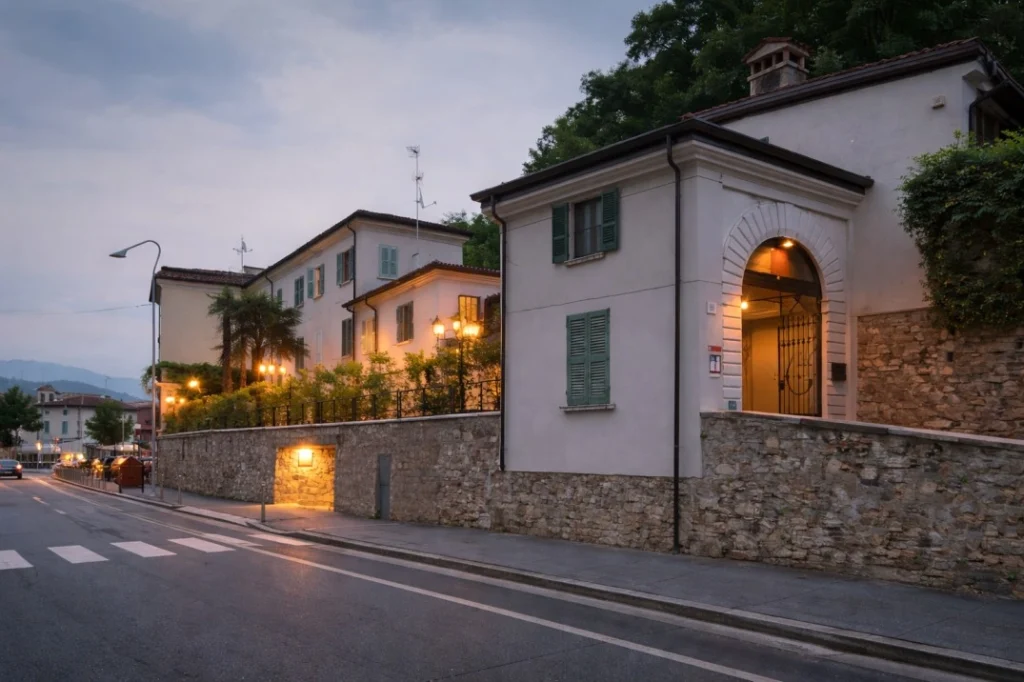
Shared Workspace
Casa della Rosa
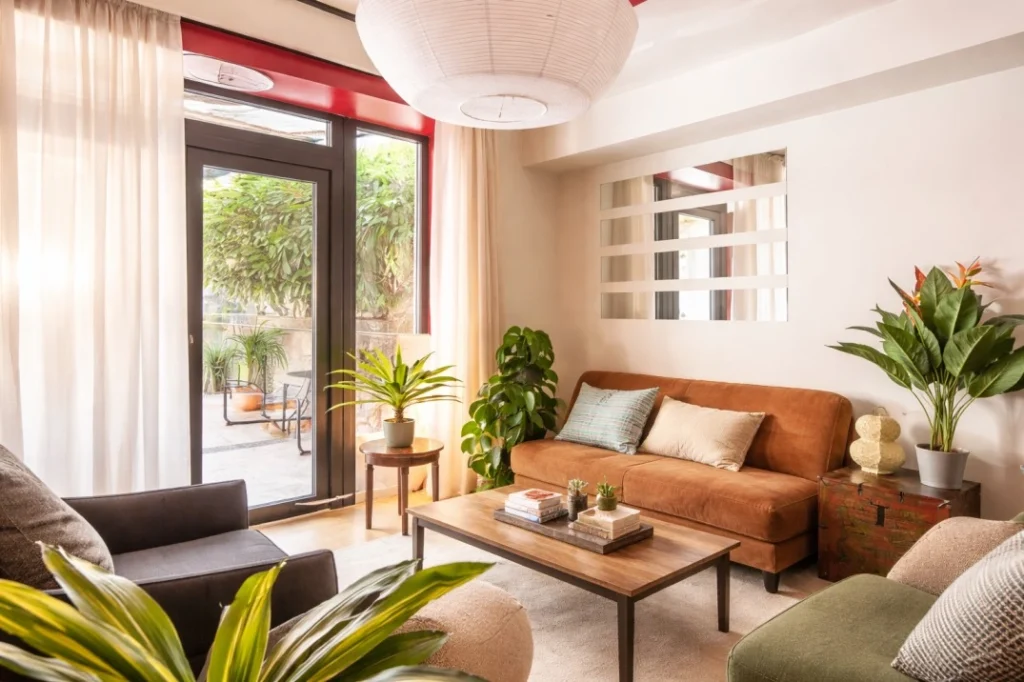
Shared Workspace
Wome
Shared Workspace
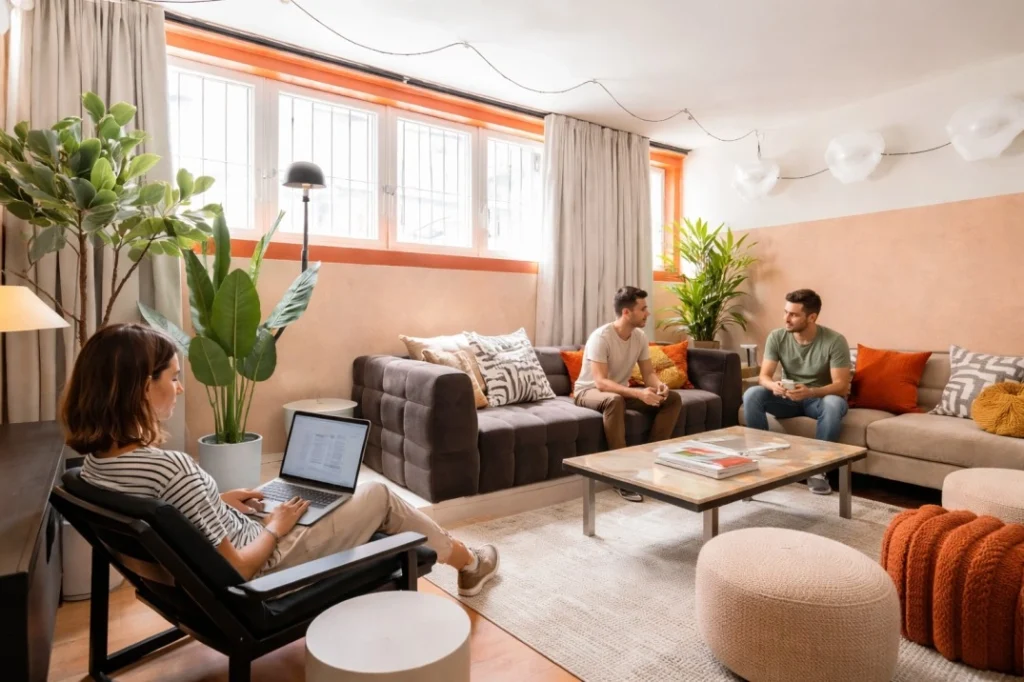
Annama
Dedicated Workspace
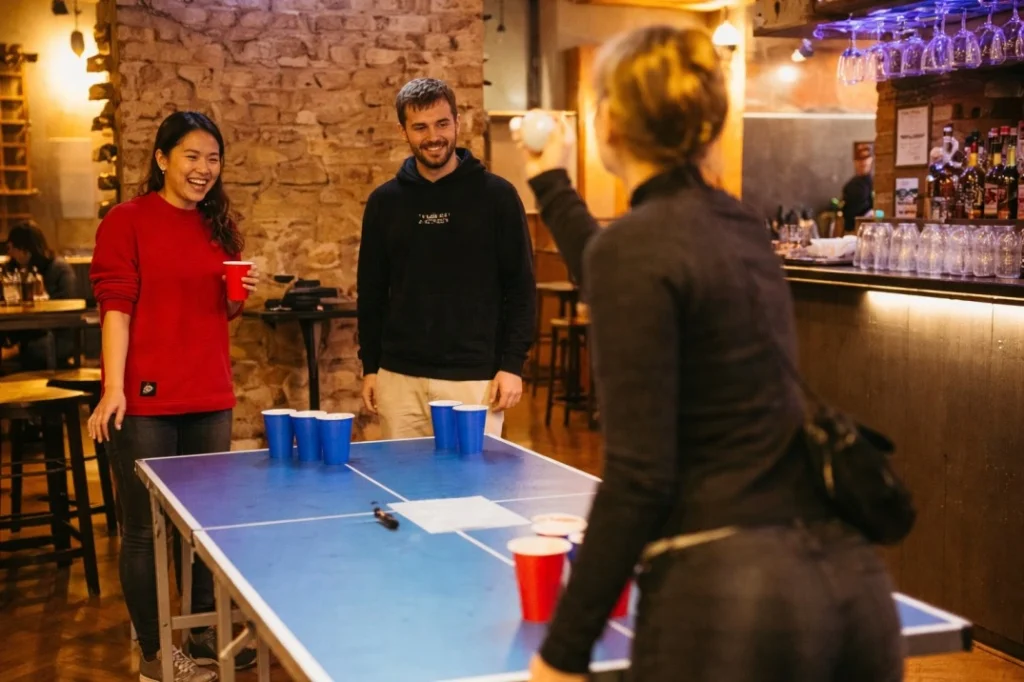
Dateo 5
Dedicated Workspace
Bolivar
Shared Workspace
QUO Milano
Dedicated Workspace
Eco-Living
Dedicated Workspace
Repubblica 7
Dedicated Workspace
Homizy Bistolfi
Dedicated Workspace
Homizy Tucidide
Explore Other Regions in Italy
See how other regions compare in lifestyle and pace.
FAQs
Is Lombardia a good region for digital nomads?
Yes if you value infrastructure: transport, healthcare access, delivery reliability, and coworking—especially in Milano. It’s less ideal if you need instant community warmth; social integration tends to be slower and more calendar-driven than in many other regions.
Where should I live in Lombardia if I want lower costs than Milano?
Look at Bergamo, Brescia, Pavia, or Mantova for stronger affordability-to-services ratios. You’ll still get solid trains and year-round life, but fewer international scenes. The best choice depends on whether you prioritize airports, coworking, or quiet.
What’s the biggest lifestyle adjustment in Lombardia?
The region’s social code is private and scheduled. You’ll often plan meetups days ahead, and evenings happen behind doors. If you’re used to spontaneous street-level social life, you’ll need to initiate more and build consistency over time.
How is winter life in Lombardia?
Winters can feel grey and indoor, especially in the plains around Milano. Many locals offset this by using mountains or lakes intentionally on weekends. If you don’t plan recovery time, the season can feel like pure maintenance—work, errands, repeat.
Can I work remotely from the lakes in Lombardia year-round?
You can, but housing availability and pricing can be tricky because of second homes and weekend demand. Weekdays are calmer, weekends are busier. It works best if you secure stable housing first and choose a town with good transport links and daily services.