
Living & Coliving in Emilia-Romagna
Italy’s most engineered region — where civic systems, productive pride, and competence-first social codes shape daily life.
Living in Emilia-Romagna means entering a region that functions. This is not Italy as aesthetic performance. It is Italy as infrastructure: trains that connect, associations that organize social life, food that follows standards, and cities that reward consistency over charisma. If you’re trying to understand how Northern Italy behaves day-to-day, this region is its clearest expression.
Living and working remotely in Emilia-Romagna feels structured and competence-led. Daily life is held by strong civic systems, repeat routines, and social circles built through associations and regular places. Coworking in Emilia-Romagna is reliable in major hubs, but housing can be competitive and weather (fog/humidity) shapes seasonal comfort.
Compared to Toscana, Emilia-Romagna is less curated — and far more operational.
Is Living in Emilia-Romagna for you?
Best For
- Work-first stability with strong day-to-day infrastructure across cities like Bologna, Parma and Modena.
- People who integrate through repetition: showing up consistently at the same coworking, gym slot, or lunch spot.
- Food culture as a social system — weekday rituals, associations, and regular tables rather than occasional spectacle.
Trade Offs
- A high baseline of “normal competence”: punctuality, reliability, and seriousness are quietly expected.
- Housing friction in the strongest hubs, especially Bologna — competition, limited flexible rentals, fast-moving listings.
- Climate constraints in the Po Valley: humidity in summer, fog in winter, flatness amplifying both.
Seasonality
- Best: April–June, September–October — energized cities, livable weather, steady routines.
- Summers: Sticky humidity inland; Romagna coast becomes crowded and price-distorted.
- Winters: Fog, damp cold, earlier evenings; social life shifts toward circoli and home-based gatherings.
Competent · Civic · Food-anchored · Quietly demanding
Living in Emilia-Romagna: Daily Life & Lifestyle
The social code is competence-forward. Invitations are practical: “we’re going to the same place after work,” “come to the circolo,” “we have a table.” A circolo — a local association — is not nightlife; it’s infrastructure. You integrate by returning: same bar, same sports group, same market vendor. In Parma, a weekday lunch counter can become more socially relevant than a Saturday event.
Warmth exists, but it is earned. If you float in and out, you remain peripheral. If you commit to routine — even something small, like a Thursday pasta spot in Modena — recognition accumulates. Belonging here is less about charm and more about proof of continuity.
The secondary tension is subtle conformity. The region rewards those who match its rhythm: pragmatic conversation, steady output, lower tolerance for chaos. For some remote workers, this feels stabilizing. For others, especially those comparing it with a more aesthetic, less operational baseline in Toscana, it can feel quietly demanding.
Remote Work Reality
Connectivity across the main belt cities is solid, and coworking density is strongest in Bologna, with smaller but functional options in Parma, Modena, and Rimini. Remote work in Emilia-Romagna is technically easy once you’re installed.
The real constraint is housing, not Wi-Fi. Flexible rentals are fewer than expected, competition is serious in well-connected neighborhoods, and indecision is punished. The region works smoothly — but only after you secure your base.
Mobility is a structural advantage. Using Bologna as a rail-first base allows practical movement between cities along the Via Emilia, making multi-base living realistic without losing stability. Compared to Veneto’s different social and business rhythm, movement here feels coordinated rather than dispersed.
Those seeking instant community or constant novelty may struggle. Emilia-Romagna is not a plug-and-play nomad scene. It opens slowly — and it expects seriousness in return.
Stable infrastructure across major hubs
Coworking is strongest in Bologna, functional elsewhere
Housing Pressure is the true remote-work constraint
Need a reliable workspace during your stay?
For longer stays, cafés and apartment Wi-Fi are not always enough. Italy Coliving readers can access a partner workspace offer with 10% off coworking, day offices, meeting rooms, business lounges, and virtual office services.
Partner link. Italy Coliving may earn from qualifying enquiries.
Living in Emilia-Romagna rewards preparation and consistency more than spontaneity.
Food & Culture
In Emilia-Romagna, food isn’t a hobby — it’s how social trust is maintained. Lunch is a real institution: not always long, but often intentional. You’ll see a practical cue: people plan their day around where they’ll eat, and “good” means consistent, not performative. The region diverges from neighbors because food here is tied to craft + production pride — the same mentality that shows up in manufacturing shows up in kitchens: process, standards, lineage.
Culturally, the region runs on organized togetherness: festivals exist, but daily life is more often held by associations, local venues, and repeat attendance. You don’t just “go out.” You become a regular somewhere — and that’s how you stop being an outsider.
Iconic food you’ll encounter in Emilia-Romagna
Nature & Weekend Escapes
Nature here is not the default backdrop — it’s a deliberate shift. The Po Valley’s flatness means “nature” often arrives as wide, quiet spaces (river plains, wetlands, agricultural edges) rather than dramatic elevation. People use it to reset the nervous system, not to “collect views.” That’s why cycling culture, riverside walks, and low-key countryside meals are so embedded: the landscape supports repeatable, low-friction escapes.
When you want contrast, you go vertical: the Apennines change the entire mood — cooler air, tighter communities, more seasonal constraints. Coastal Romagna is the opposite: social density spikes, and weekends become louder and more ritualized. The region’s reveal is that it contains two different weekend psychologies: quiet reset vs communal release.
Within easy reach when living in Emilia-Romagna:
Appennino tosco-emiliano: elevation, cooler air, deliberate weekends
Po Delta wetlands: expansive silence and slow cycling routes
Adriatic coast: communal, seasonal sea culture
Emilia-Romagna’s landscape supports rhythm recovery more than visual awe — especially during Po Delta weekends when you need stillness
Places in Emilia-Romagna
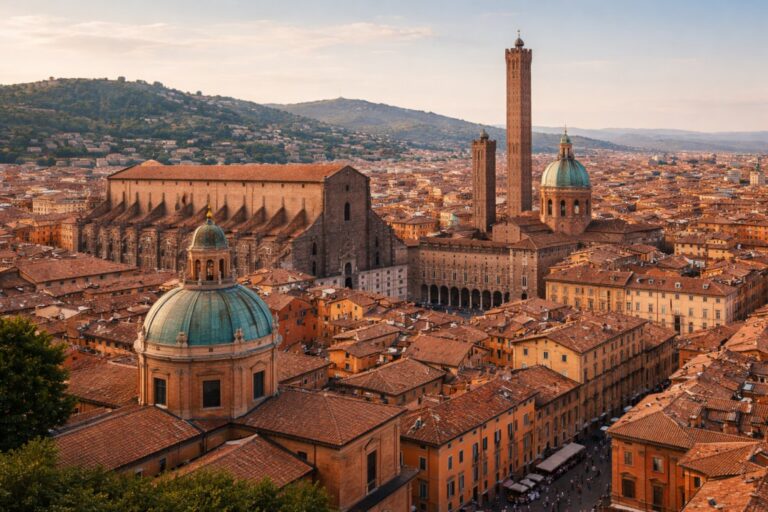
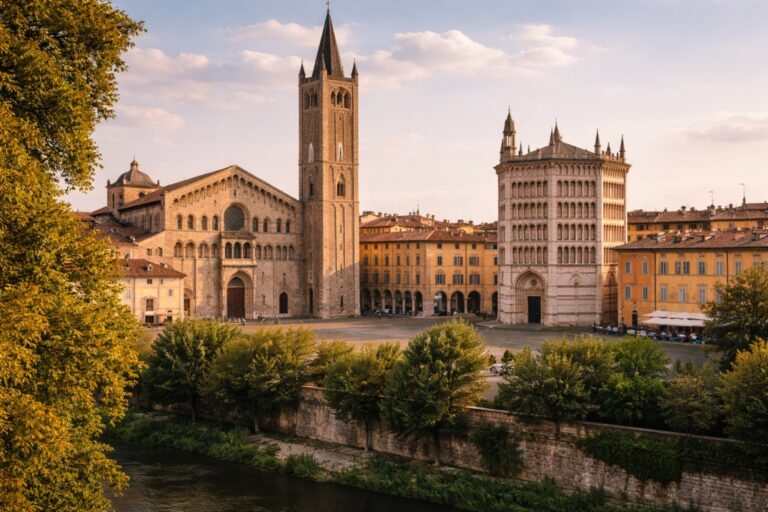
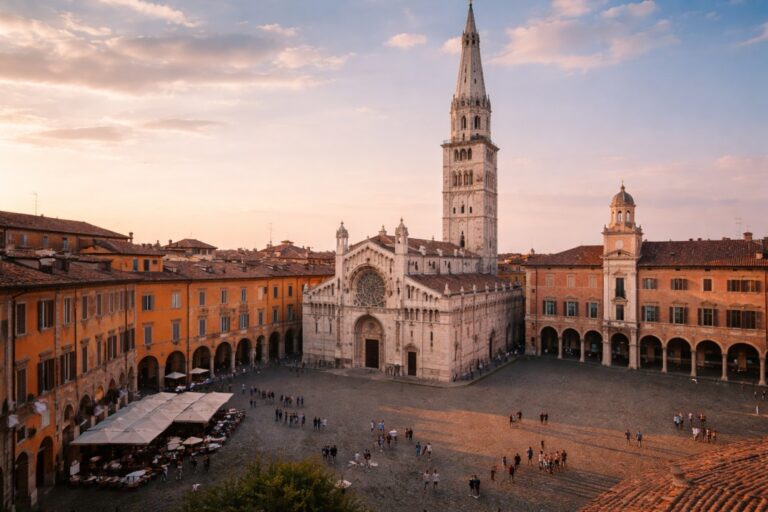
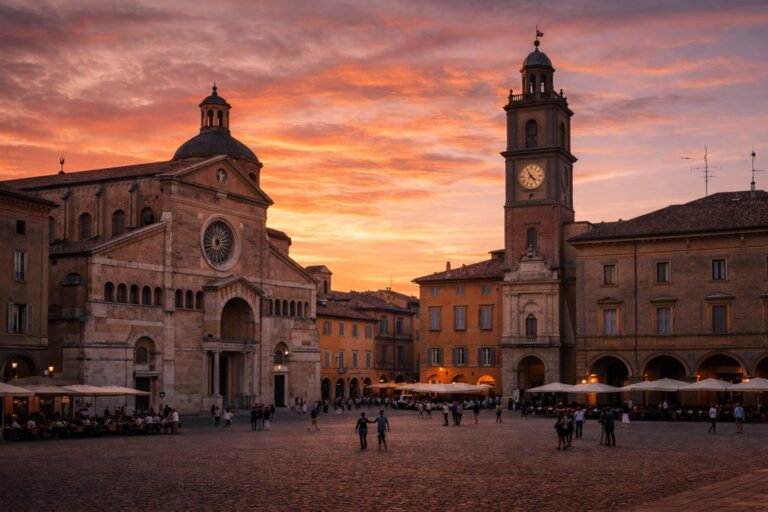
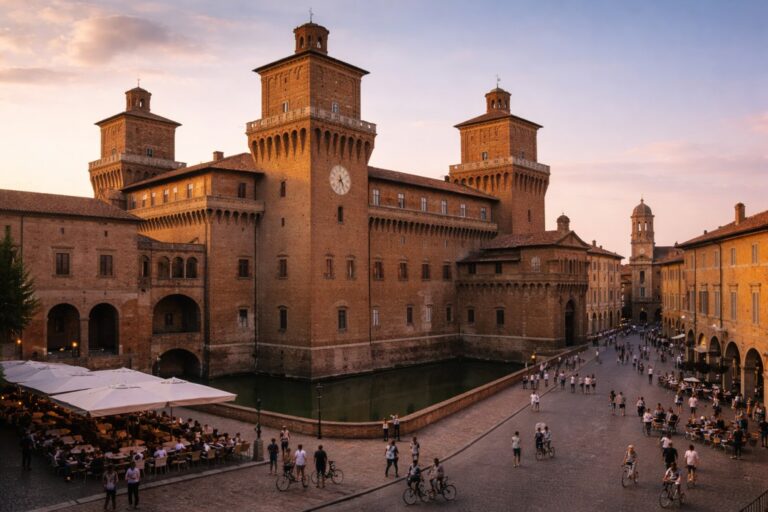
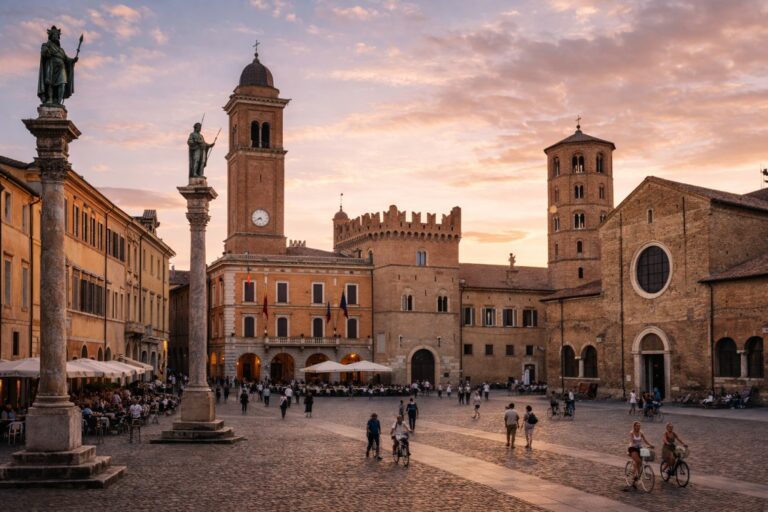
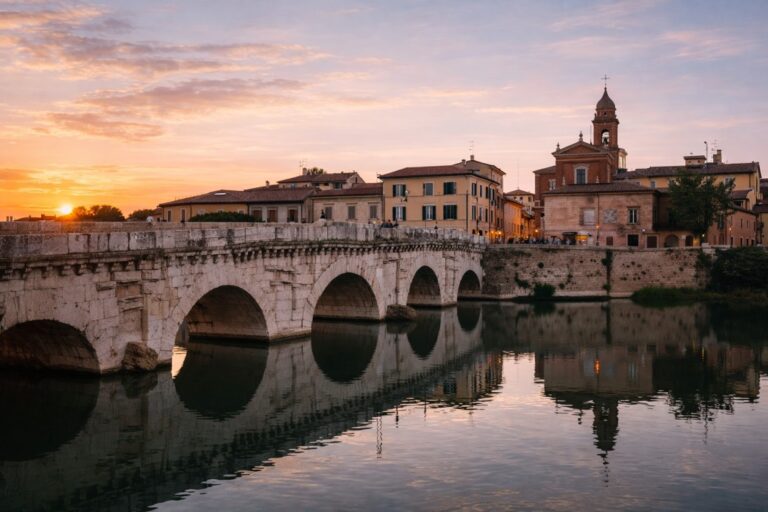
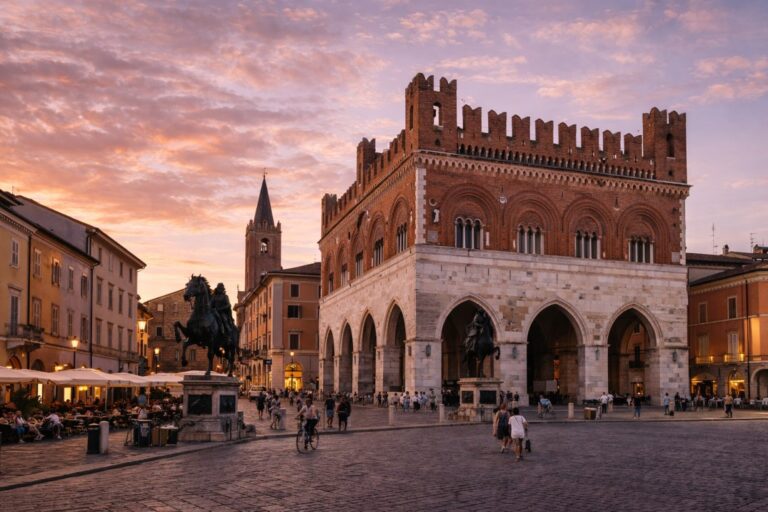
Distinct Territories within Emilia-Romagna
Via Emilia Belt (Bologna–Modena–Reggio–Parma)
Motor Valley (Modena–Maranello–Imola)
Ferrara & Po Delta
Romagna Coast (Rimini–Ravenna–Cesena)
Coliving Reality Check
Coliving in Emilia-Romagna fits remote workers who want structure, predictable systems, and routines that compound into belonging. If you value stability over spectacle, it rewards commitment.
It is a misfit for those who need instant social intensity or lightweight, rotating communities. Compared with Lombardia when you want scale over texture, Emilia-Romagna is narrower but deeper.
Watch-out: housing pressure and climate discomfort. Summer humidity and winter fog are real lived constraints, not footnotes.
Community via associations — belonging grows through repetition
Routine & Stability — systems reward consistency
Seasonality Pressure — coast and climate shape experience
If you commit to routine, coliving in Emilia-Romagna pays back with depth and reliability.
Discover Coliving in Emilia Romagna
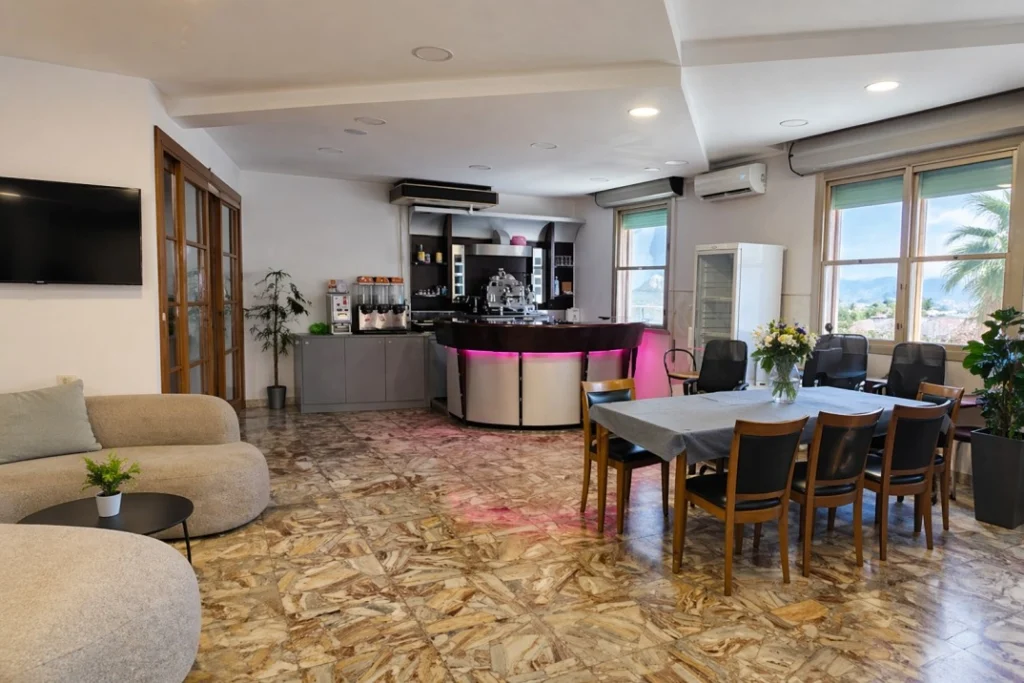
Dedicated Workspace
CoLiving One
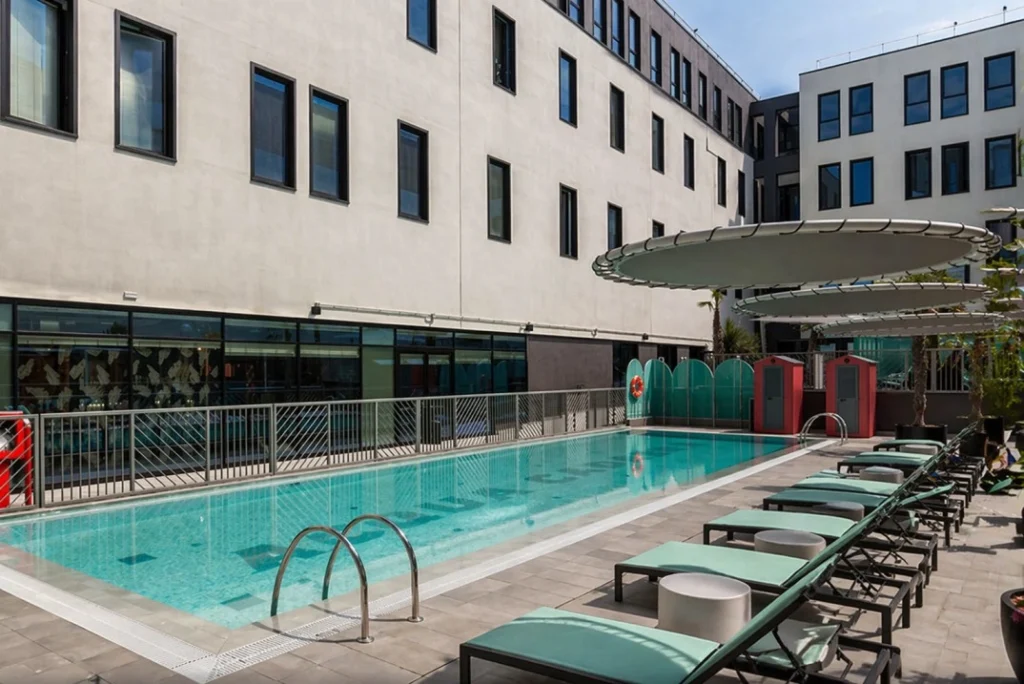
Dedicated Workspace
The Social Club
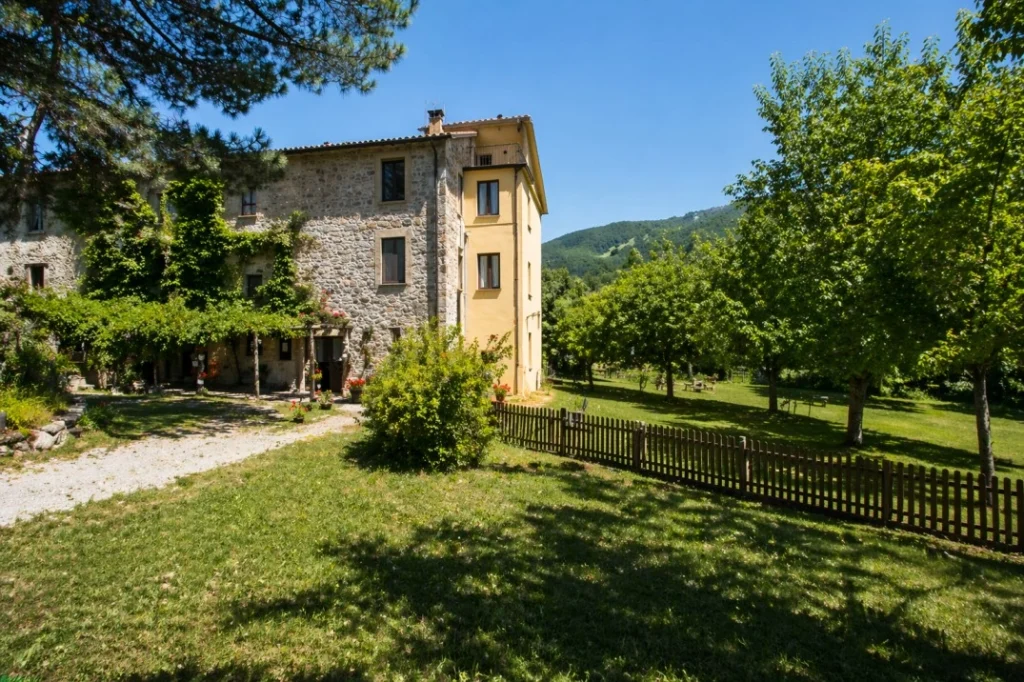
Shared Workspace
CaCo
Explore Other Regions in Italy
See how other regions compare in lifestyle and pace.
FAQs
Is Bologna the best city for remote workers in Emilia-Romagna?
Bologna is the strongest all-round base for mobility, coworking density, and year-round city life. The trade-off is housing competition and fewer easy short-term rentals. It rewards decisive long-stay planning more than spontaneous arrival.
How hard is it to build a social life in Emilia-Romagna?
It’s easier if you commit to repeated contexts: coworking, sports groups, associations, and becoming a regular somewhere. Quick, event-driven friendships are less common than steady circles. Consistency matters more than extroversion.
Does the Romagna coast work for long-term remote living?
Yes, but timing matters. Summer crowds and price spikes distort daily life. Shoulder seasons are calmer and more livable. Inland Romagna often offers better year-round stability with fast access to the sea.
What’s the biggest day-to-day constraint newcomers underestimate?
Housing search friction in the best-connected hubs, and climate discomfort in peak seasons. The region runs smoothly once you’re set up, but it punishes indecision.
Is Emilia-Romagna good for multi-base living within the region?
Very. The Via Emilia city belt supports practical movement between hubs, especially using Bologna as a rail-first base. Many remote workers combine one primary base with shorter stays in smaller cities.