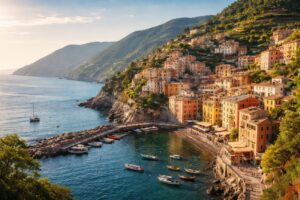
Living & Coliving in Southern Italy
Warmth, exposure, and everyday human intensity — for those who want life to feel inhabited, not optimized.
Living in Southern Italy means entering a system where visibility replaces anonymity and relationships replace procedures. Life happens loudly, socially, and in public view. It is one of the most emotionally immersive ways of living in Southern Italy — shaped by strong bonds, layered traditions, and a rhythm that prioritizes people over process.
Southern Italy is not a softer version of the North. It runs on a different operating logic. Public life is more visible. Social codes are more immediate. Administrative systems may feel slower, but emotional access is faster. The trade-off is not efficiency versus inefficiency — it is structure versus immersion.
Living in Southern Italy offers remote workers a socially dense, emotionally expressive environment with lower living costs, stronger daily visibility, and greater relational intensity than Northern regions — in exchange for slower processes and higher variability in systems.
If Northern Italy optimizes, Southern Italy absorbs.
Is Southern Italy for you?
Best For
- Remote workers with schedule autonomy
- Medium-to-long stays seeking immersion
- Solo colivers and couples who want visible community
Trade Offs
- Slower administrative follow-through
- Higher variability in service consistency
- Requires emotional adaptability and patience
Seasonality
- Best: March–June, September–November
- Summers: intense heat, hyper-social evenings, compressed schedules
- Winters: mild on coasts, sharper inland, quieter social tempo
Social · Expressive · Relational · Immersive
Daily Life & Lifestyle
Daily life in Southern Italy is relational before it is procedural. Morning routines often begin at the same café counter, where greetings are exchanged before coffee is served. Shopkeepers recognize faces. Neighbors comment on absences. Visibility is the social currency.
Time behaves differently here. Appointments may drift by fifteen minutes. Conversations expand beyond their original purpose. A quick errand can become a twenty-minute exchange in the street. The rhythm rewards presence more than punctuality.
Public space is not decorative — it is functional. Evenings migrate outdoors. Children remain visible late into summer nights. Older residents sit in fixed social positions, observing and participating simultaneously. The piazza is not nostalgic; it is infrastructural.
For remote workers living in Southern Italy, this density reshapes the workday. Focus may require deliberate boundaries. But breaks feel real. Stepping outside rarely means isolation; it means re-entry into shared life.
Remote Work Reality
Remote work in South Italy is fully viable, but it rewards psychological flexibility more than system dependence.
Coworking exists but is not ecosystem-dense. Many professionals instead build hybrid routines: part home, part café, part informal shared spaces.
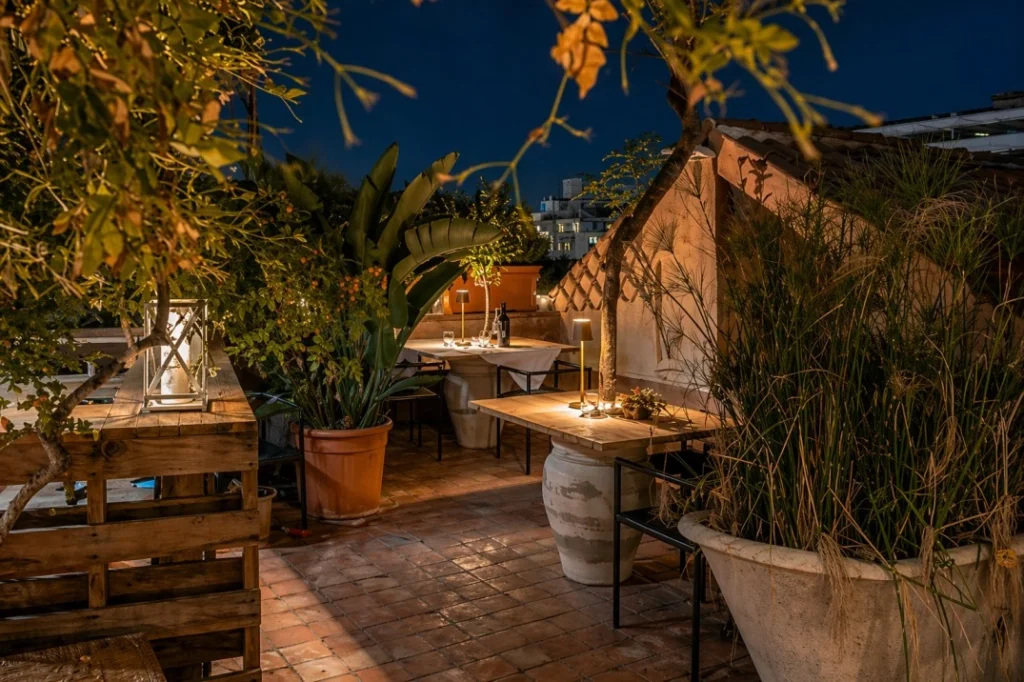
Coliving in South Italy often emphasizes shared meals and human proximity over hyper-optimized work floors. The gain is belonging. The trade-off is less frictionless efficiency.
Infrastructure requires redundancy
Work routines are self-structured
Community often outweighs optimization
In Southern Italy for remote workers, success depends less on speed — and more on how comfortably you integrate work into visible daily life.
Food & Culture
Food in Southern Italy is deeply tied to family, territory, and memory. It is generous, seasonal, and rooted in repetition rather than refinement.
This is the Italy of sun-ripened vegetables, seafood, legumes, handmade bread, and dishes passed down through generations. Meals are social anchors — moments where work pauses and relationships take center stage.
Cooking and eating together is common, especially in coliving contexts, where food becomes one of the fastest ways to integrate and feel at home.
For many colivers, South Italy offers the most emotionally charged food culture in the country.
Iconic food you’ll encounter in Southern Italy
Nature & Weekend Escapes
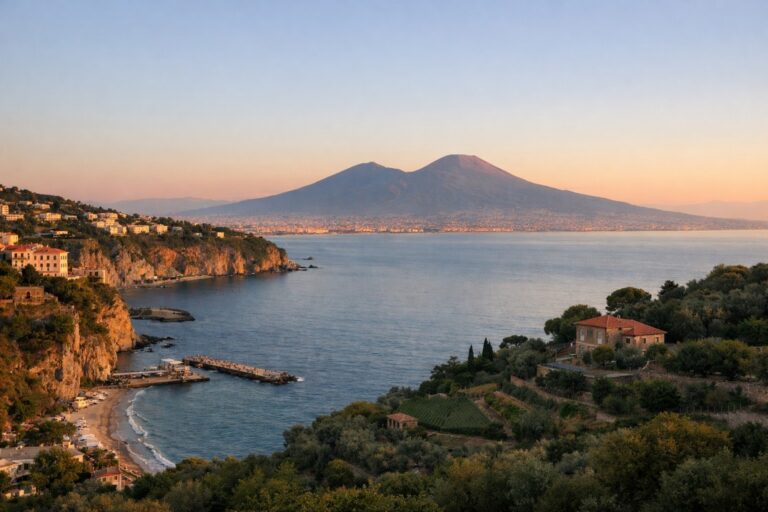
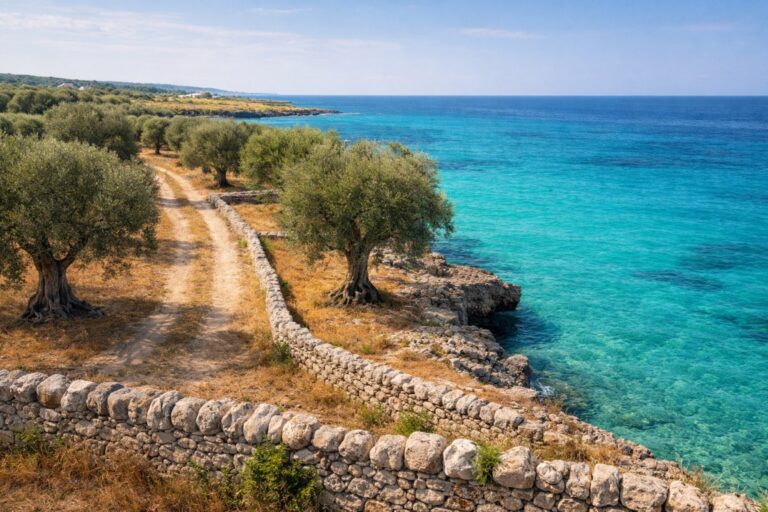
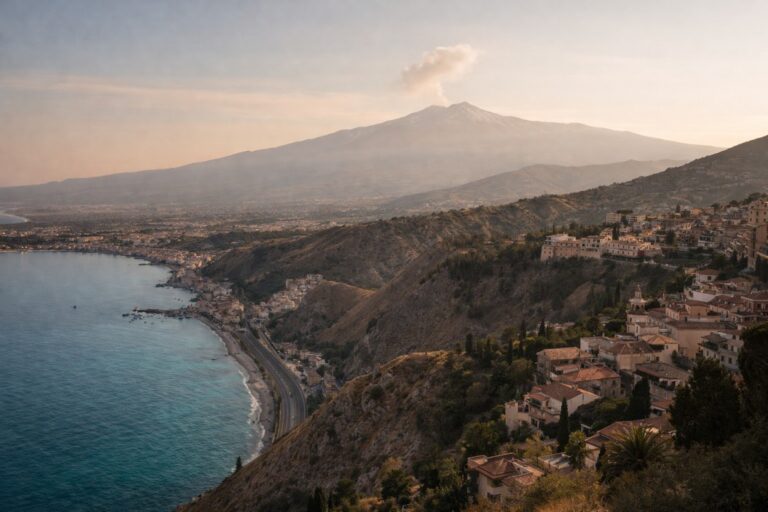
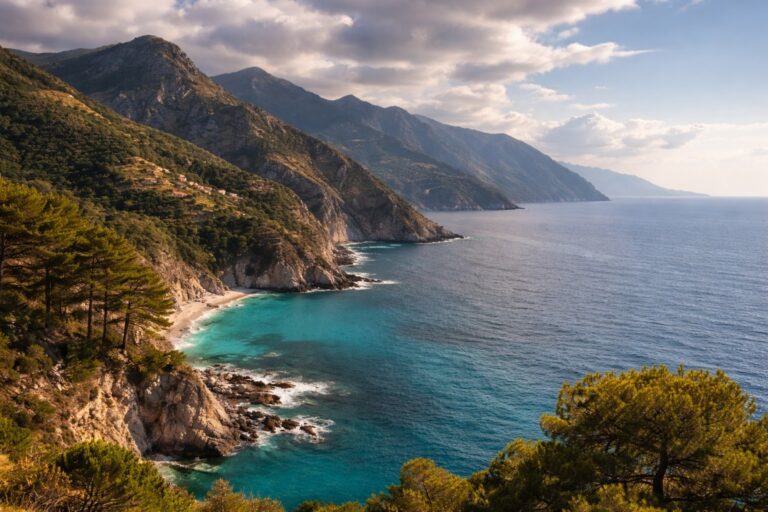
Southern Italy offers some of the most dramatic natural settings in the country.
Southern Italy offers some of the most striking natural settings in the country, often shaped by contrast rather than continuity.
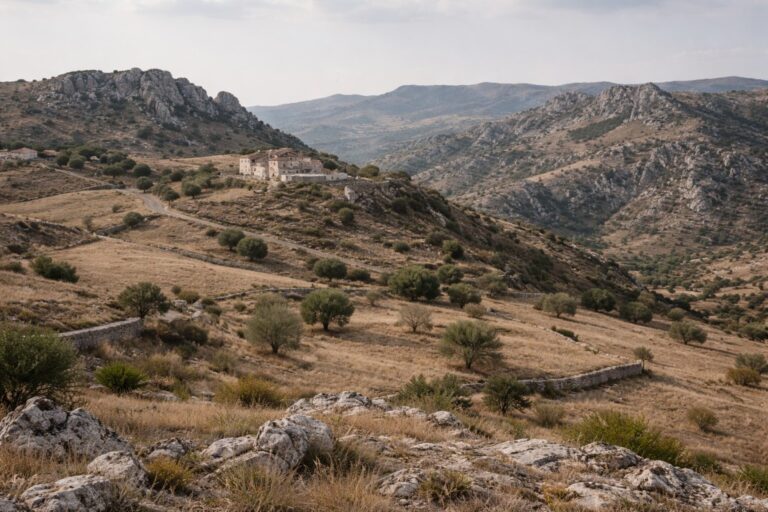
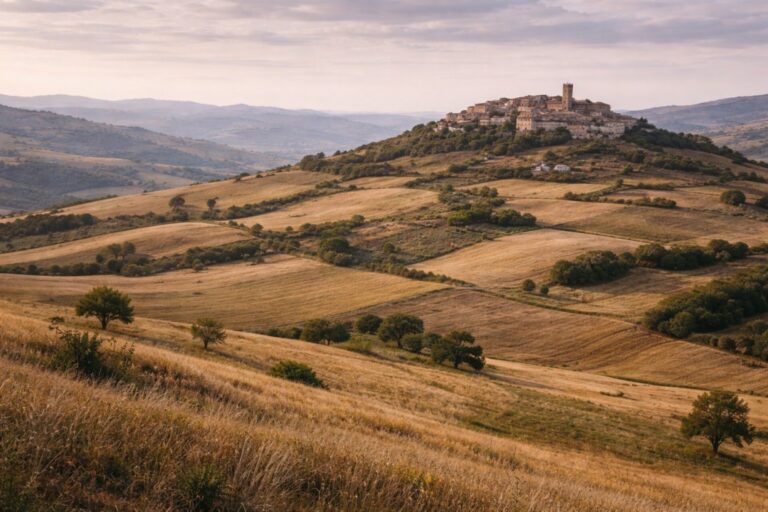
Within relatively short distances, landscapes shift dramatically — from long coastlines and volcanic terrain to inland hills, rural interiors, and protected national parks. Nature here feels powerful and present, often intertwined with everyday life rather than set apart from it.
Weekends are rarely about structured escapes. A beach afternoon, a village festival, or a long family lunch often unfolds organically, without clear boundaries between workdays and rest. For colivers, this creates a lifestyle where exploration is immersive and social, rather than planned or optimized.
Within easy reach from in Southern Italy:
Extensive coastlines and beaches across the Tyrrhenian, Ionian, and Adriatic seas, shaping daily life and weekend rhythms
Volcanic landscapes and inland hills, including active and dormant volcanic areas that define both scenery and culture
Rural villages and agricultural interiors, where farming traditions and slower rhythms remain part of everyday life
National parks and protected areas, offering hiking, nature immersion, and quieter escapes beyond the coast
Weekends often blend seamlessly into daily life: a beach afternoon, a village festival, a family lunch that lasts half the day. Exploration here is less about planning and more about participation.
Coliving Reality Check
Living in Southern Italy offers emotional return, not procedural comfort.
Coliving in Southern Italy fits those who want daily proximity, shared meals, and visible community woven into routine.
It misfits professionals who require institutional precision, predictable service layers, and quiet anonymity.
Watch-out: the cost of living in South Italy is generally lower than the North — but variability in standards and response times requires adaptive expectations.
Fit: community-oriented, immersion-seeking
Misfit: process-dependent, optimization-first
Variability is structural, not temporary
If you want immersion over insulation, Southern Italy is not a compromise — it is a commitment.
Discover Coliving in Southern Italy
Dedicated Workspace
Casa D’Aria
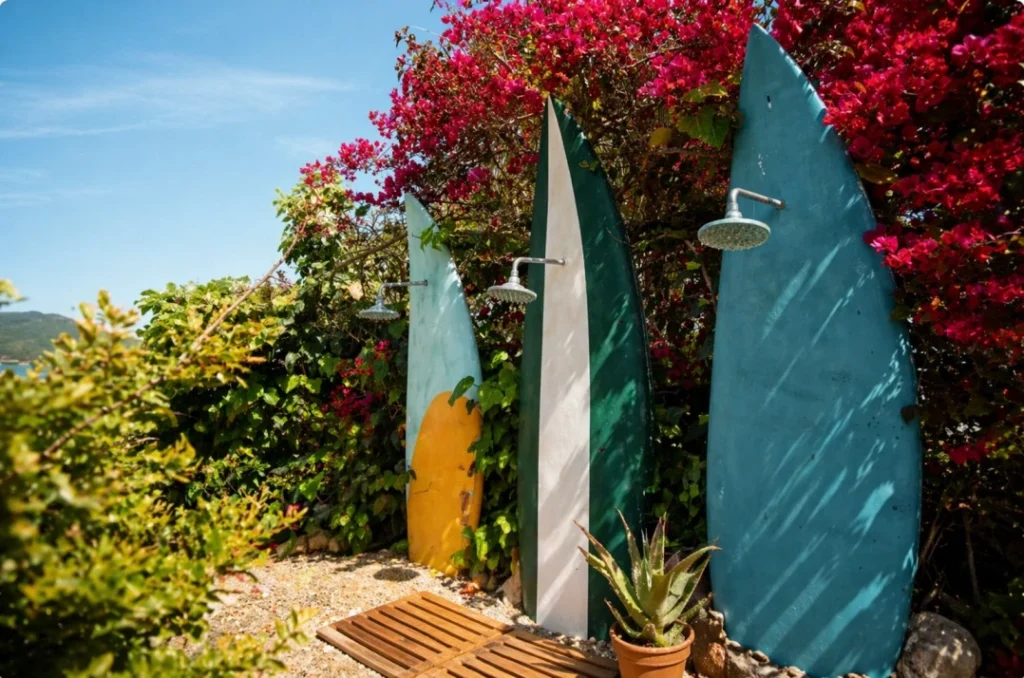
Dedicated Workspace
Floripa
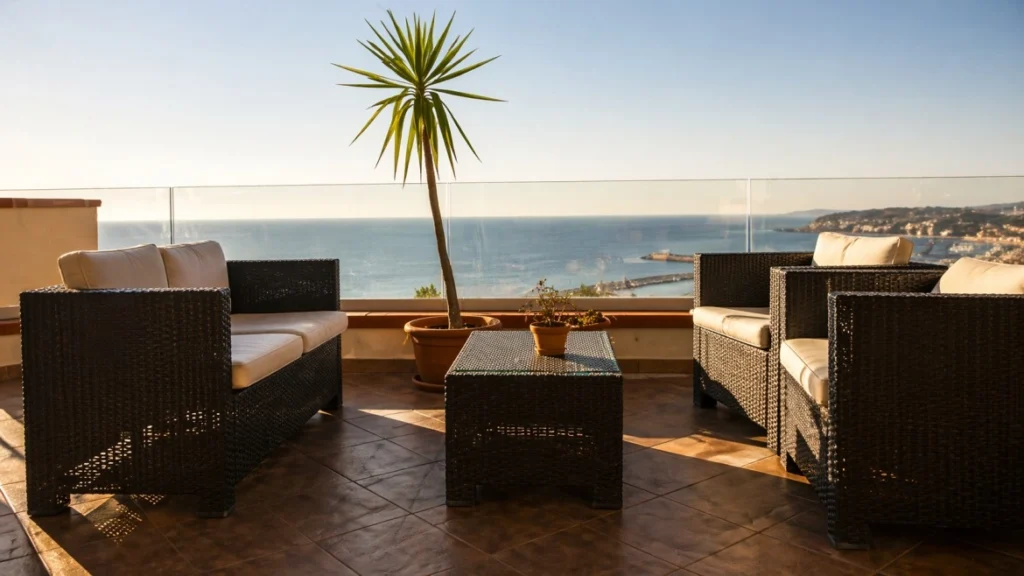
Dedicated Workspace
Domus Nomadi
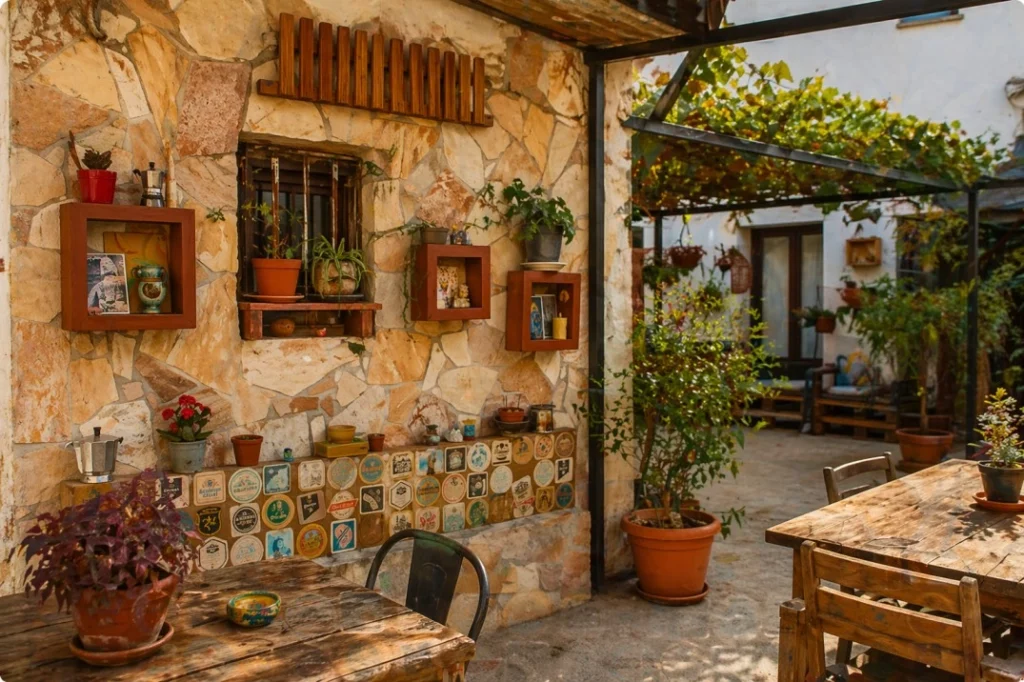
Shared Workspace
Casa Verdi
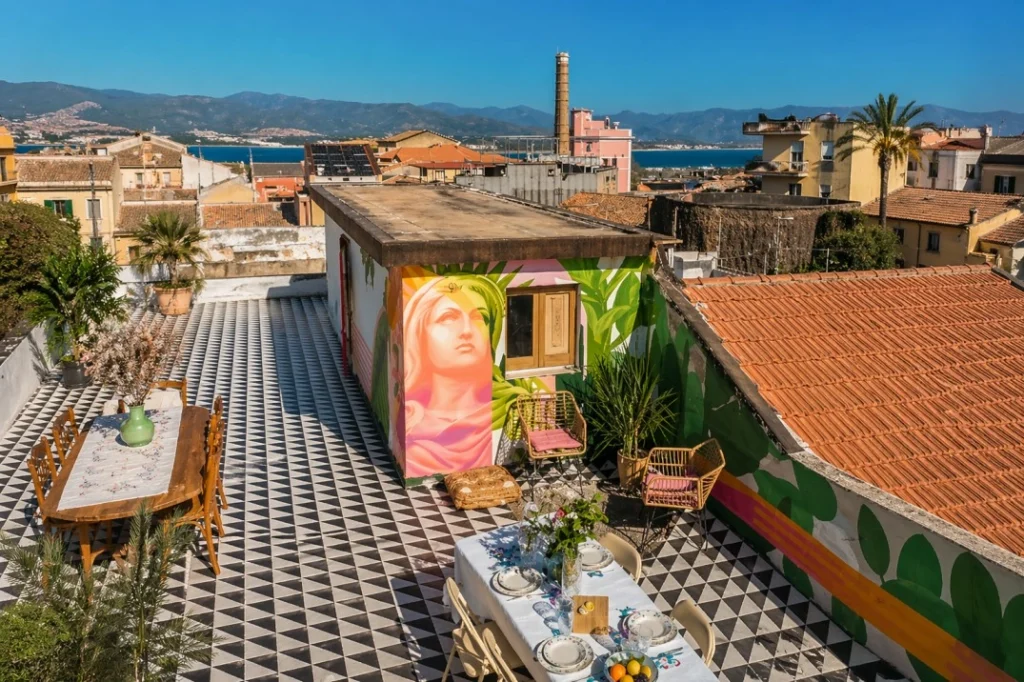
Dedicated Workspace
Cummari
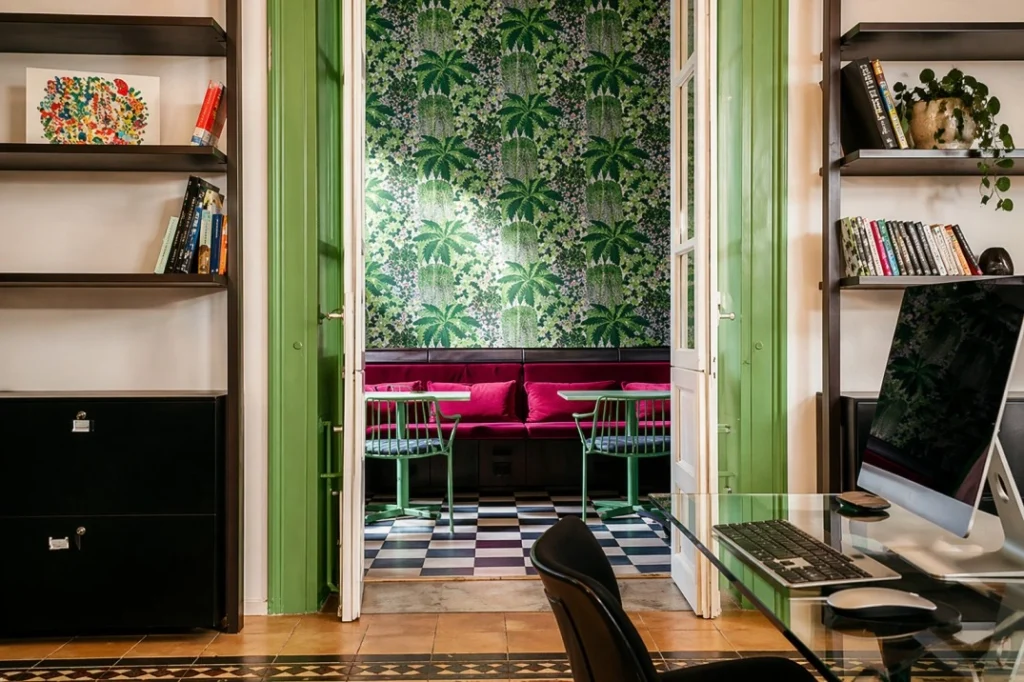
Dedicated Workspace
Beet Agrigento
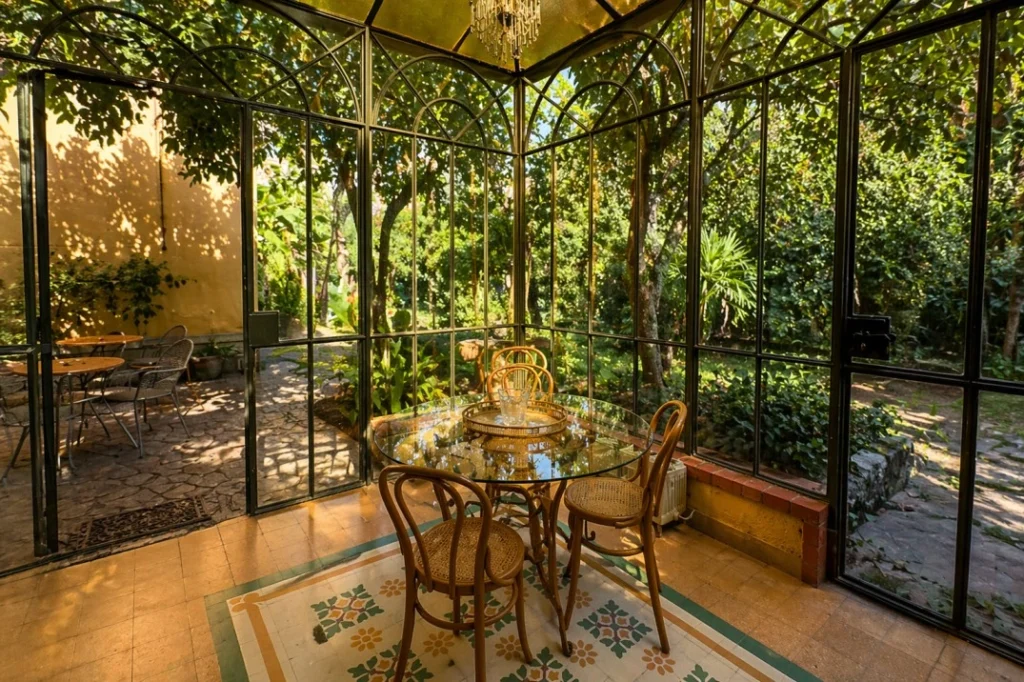
Shared Workspace
Beet Garden
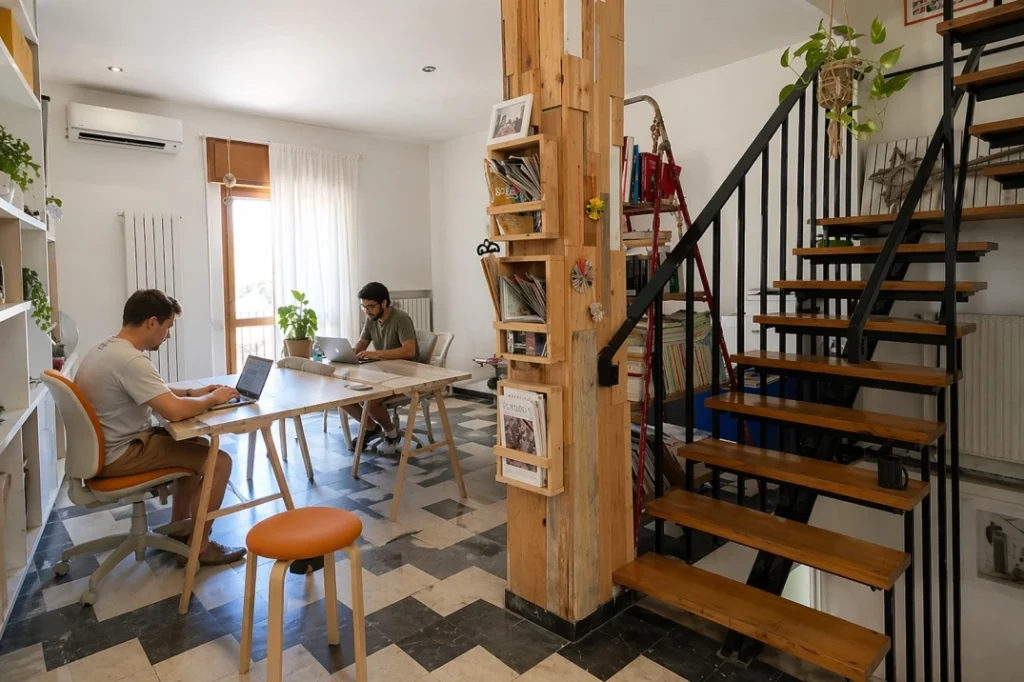
Dedicated Workspace
Benetural
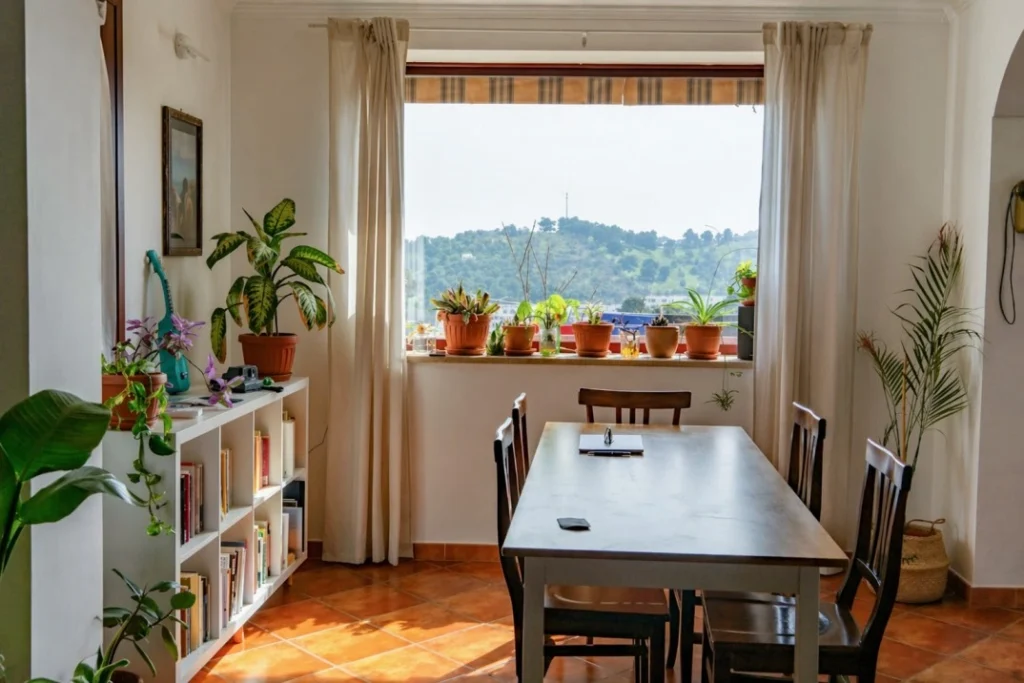
Dedicated Workspace
Together Vieste
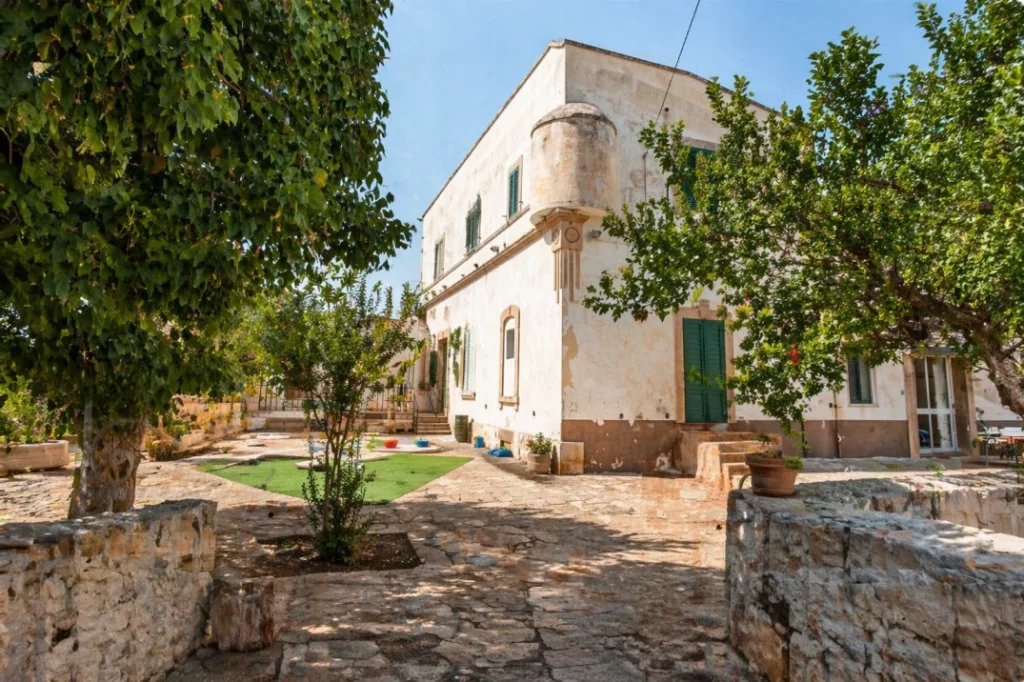
Dedicated Workspace
Masseria Olga
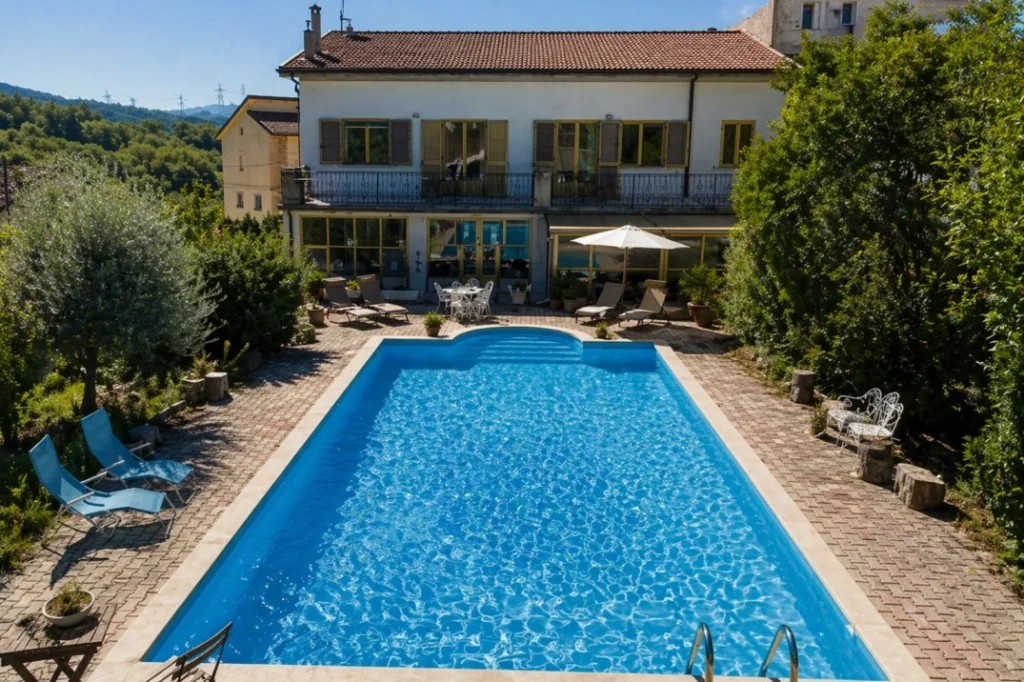
Dedicated Workspace
La Vita Sukha
FAQs
Is living in Southern Italy good for remote workers?
Yes, particularly for those with schedule autonomy. Infrastructure is strong in cities, but success depends more on flexibility and integration into visible daily life than on ecosystem density.
How does the cost of living in Southern Italy compare to the North?
Generally lower for rent and food. However, variability in housing standards and service consistency requires due diligence before committing long term.
Where to live in Southern Italy as a remote worker?
Naples for density and energy. Bari for balance. Palermo for expressive urban life. Smaller towns suit those seeking immersion over infrastructure scale.
Is coliving in Southern Italy common?
It is growing but less standardized than in the North. Many spaces emphasize shared living over structured coworking environments.
What is the biggest adjustment when moving south?
Time perception and administrative pacing. Processes may move slower, but social access is faster and more immediate.