Living & Coliving in Northern Italy
Italy’s most structured and internationally integrated macro-area — designed for long-term clarity, stable routines, and adult remote life.
Northern Italy is where the Italian system feels most legible. Institutions function with fewer surprises, infrastructure is reliable, and daily logistics rarely require negotiation. Living in Northern Italy often means trading spontaneity for predictability — and many long-term residents consider that a fair exchange.
Living in Northern Italy offers the most stable environment for remote workers and long-stay expats. Expect structured cities, reliable infrastructure, higher costs, and strong work conditions. It’s Italy with fewer daily frictions — and fewer emotional theatrics.
If Central Italy feels expressive and the South improvisational, the North feels procedural.
Is Northern Italy for you?
Best For
- Long-term stays (3+ months)
- Professionals with stable remote income
- Families or couples seeking institutional reliability
Trade Offs
- Higher cost of living in Northern Italy than elsewhere
- Social integration happens through repetition, not intensity
- Winters can feel grey, especially across the Po Valley
Seasonality
- Best: April–October for rhythm + light
- Summers: productive but urban heat increases
- Winters: functional, colder, more inward — except in mountain zones
International · Organized · Pragmatic · Work-friendly
Daily Life & Lifestyle
Daily life in Northern Italy moves on a visible timetable. Trams arrive when scheduled, offices open on time, and even small municipalities maintain administrative rhythm. For remote workers, this predictability reduces cognitive load — you spend less time decoding systems and more time operating within them.
Public services tend to be clearer and more digitized than elsewhere in the country. Appointments, healthcare registration, residency paperwork — none are frictionless, but the steps are legible. Living in Northern Italy often feels closer to Northern Europe in procedural logic, even while daily habits remain distinctly Italian.
Socially, the North expresses warmth differently. Relationships form through recurring exposure — coworking spaces, weekly aperitivo routines, school schedules, neighborhood gyms. You are not immediately absorbed; you are gradually recognized.
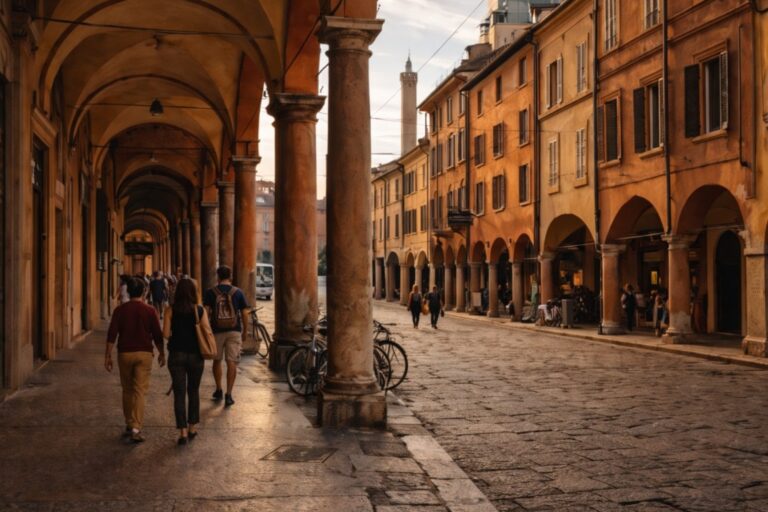
Spatially, cities balance density and access. Industrial corridors sit beside historic centers; commuter trains connect mid-sized cities efficiently; mountains or lakes are rarely far away. The result is a system that supports routine first — variation second.
Remote Work Reality
Remote work in Northern Italy is structurally supported rather than socially improvised. The region hosts the strongest overlap between business ecosystems, coworking density, and transport infrastructure.
Coworking environments skew professional rather than transient. You’re more likely to share space with consultants, designers, engineers, or hybrid employees than backpacking nomads.
Coliving in Northern Italy increasingly reflects that maturity. Soundproofing, heating efficiency, and longer minimum stays are common — signaling that the audience is adult and income-stable.
Fiber, transport, and institutional clarity reduce work friction.
Coworking culture aligns with career continuity.
Spaces prioritize stability over short-term churn.
If your income depends on consistency, Northern Italy minimizes operational risk.
Food & Culture
Food is one of the strongest reasons people choose Italy, and Northern Italy is home to some of the country’s most respected culinary traditions.
This is the land of Emilia-Romagna and the Po Valley, where everyday cooking reaches exceptional levels of quality. Fresh pasta, slow-cooked sauces, aged cheeses, cured meats, and regional wines are not reserved for special occasions — they are part of daily life.
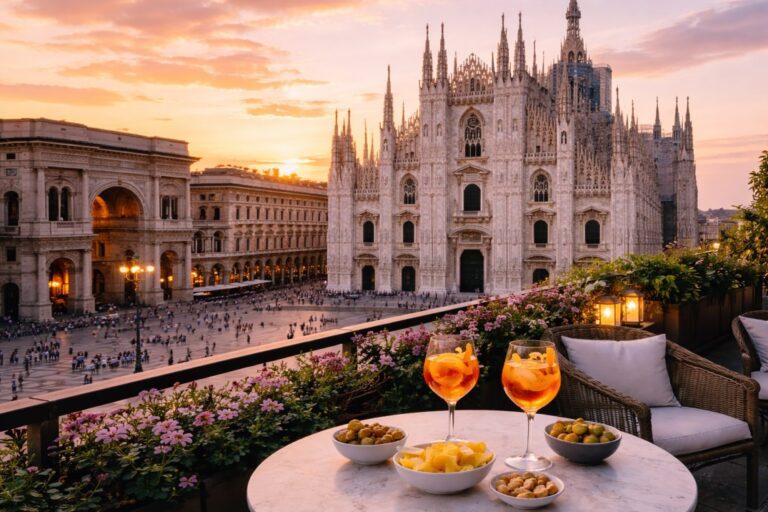
Meals tend to be less theatrical and more grounded in tradition, seasonality, and craftsmanship. Aperitivo culture after work is deeply ingrained, and food often becomes the social glue that brings people together — whether in a local trattoria, a neighborhood market, or a shared kitchen in a coliving space.
For many colivers, Northern Italy offers the rare combination of excellent food without constant distraction, making it easier to enjoy Italy while maintaining focus and routine.
Iconic food you’ll encounter in Northern Italy
Nature & Weekend Escapes
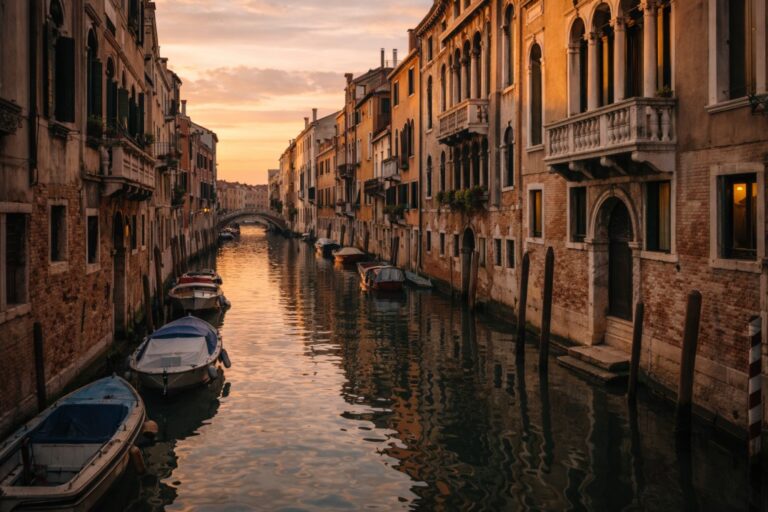
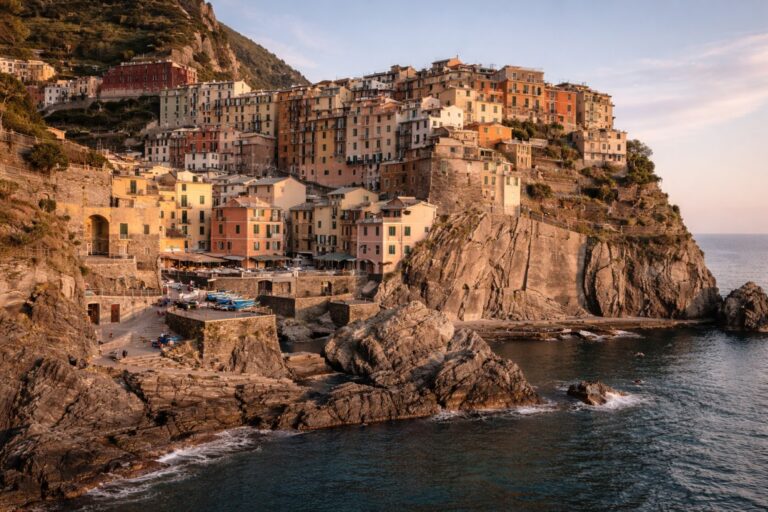
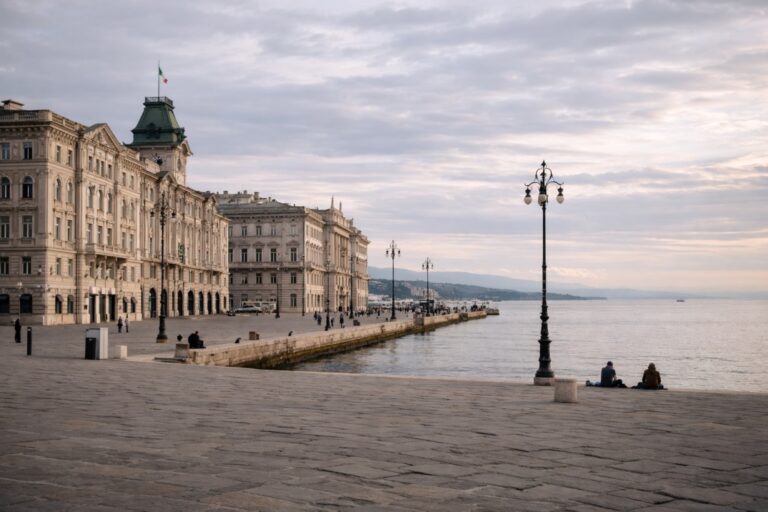
One of Northern Italy’s biggest advantages is geographic density. You don’t need to plan trips or take time off to change scenery — radically different environments are reachable within a normal weekend.
From most major cities, mountains, lakes, vineyards, and even international borders are a few hours away by train or car. This makes it easy to protect the work week while still getting meaningful resets on weekends.
For long-term colivers, this creates a sustainable rhythm: stable routines Monday to Friday, variety and contrast on Saturday and Sunday — without the friction or fatigue of constant travel.
Within easy reach in Northern Italy:
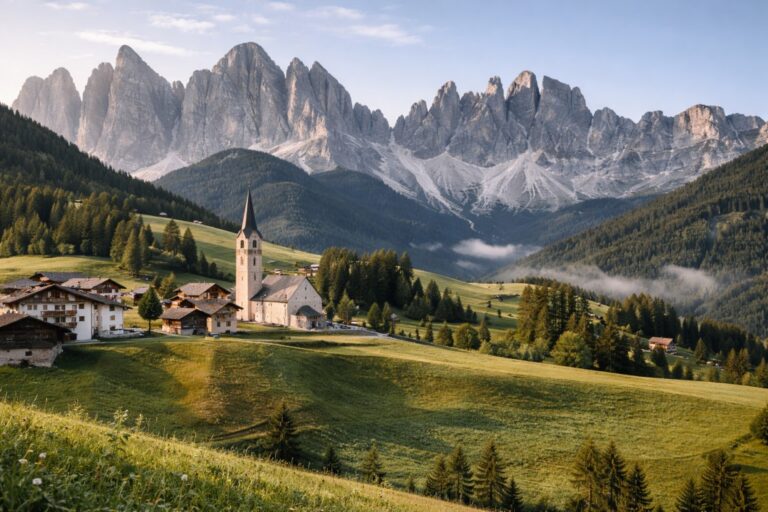
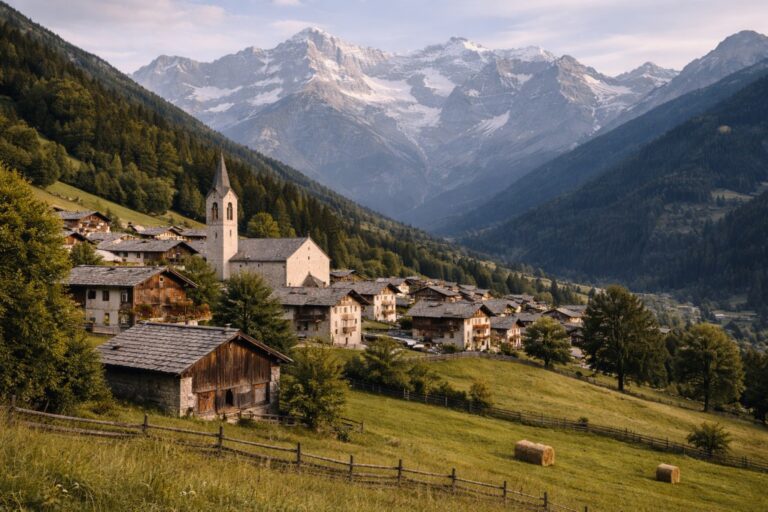
The Alps and Dolomites for hiking, skiing, and mountain villages
Major lakes such as Como, Garda, and Maggiore for slower, outdoors-oriented weekends
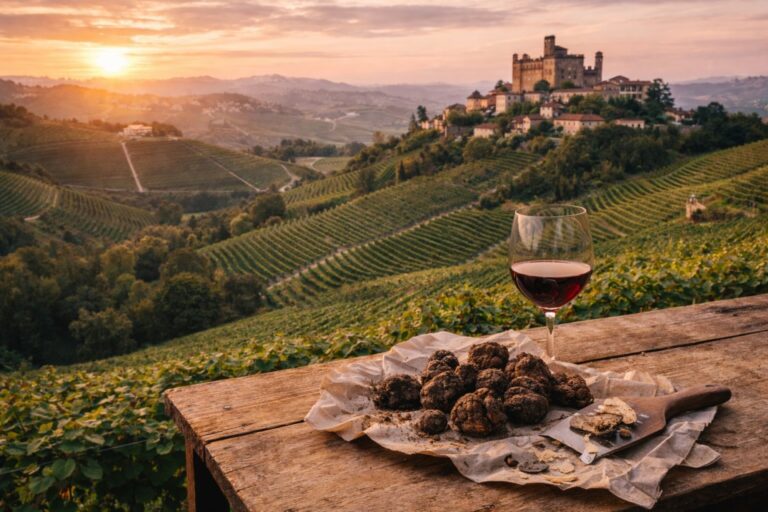
Rolling hills and wine regions across Piedmont, Veneto, and Emilia-Romagna
Neighboring countries including Switzerland, France, Austria, and Slovenia
The result isn’t a travel-focused lifestyle, but a livable one — where nature supports balance rather than disrupting it.
For colivers, this means a strong work-week / explore-weekend balance without long travel.
Coliving Reality Check
Northern Italy is not the cheapest place to live or pursue coliving in Northern Italy, but it offers the highest structural consistency. If your stress decreases when systems behave predictably — heating works, leases are formal, utilities are stable — this region aligns with you.
If you’re seeking emotional intensity, rapid social immersion, or highly spontaneous community dynamics, Northern Italy may feel reserved. Relationships form gradually, and coliving here tends to mirror professional adulthood more than experimental living.
Costs accumulate quietly. Rent, utilities, transport passes, and food reflect the region’s economic weight — particularly near Milan and major hubs. The trade-off is reliability; the watch-out is budget drift.
Fit: Northern Italy suits remote workers who prioritize structure over spontaneity. If stability lowers your stress, this region aligns.
Misfit: If you’re seeking emotional intensity, rapid social immersion, or lower monthly costs, other parts of Italy may resonate more.
Costs accumulate quietly — rent, utilities, services — especially near economic hubs.
Northern Italy rewards consistency more than experimentation.
Discover Coliving in Northern Italy
Dedicated Workspace
Lomi Galimberti
Dedicated Workspace
Lomi Siccardi
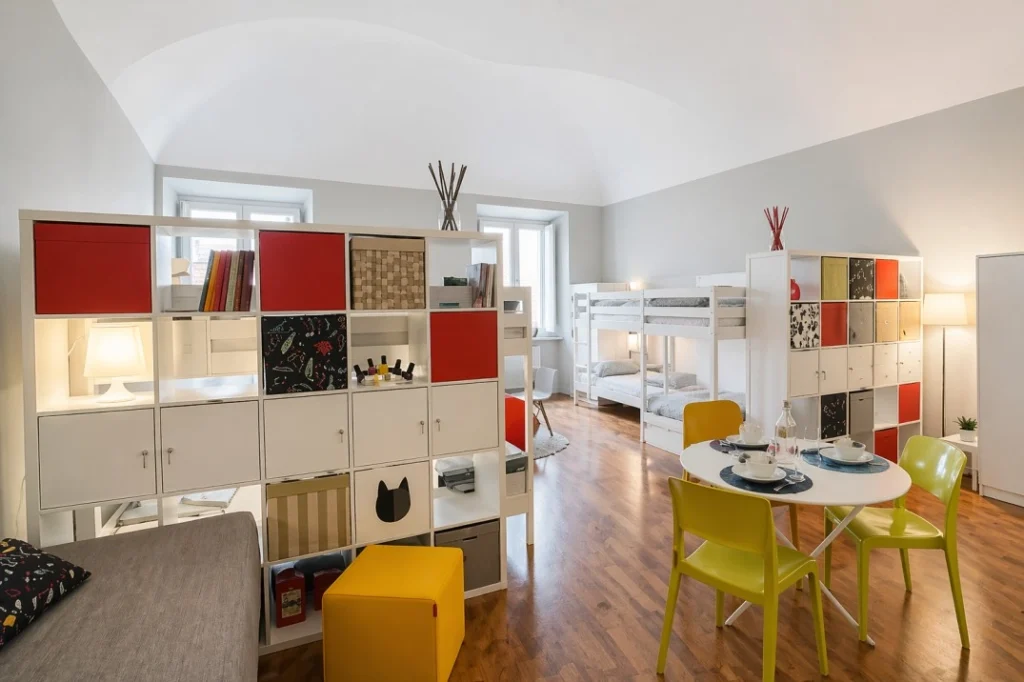
Dedicated Workspace
Lomi Lorenzo
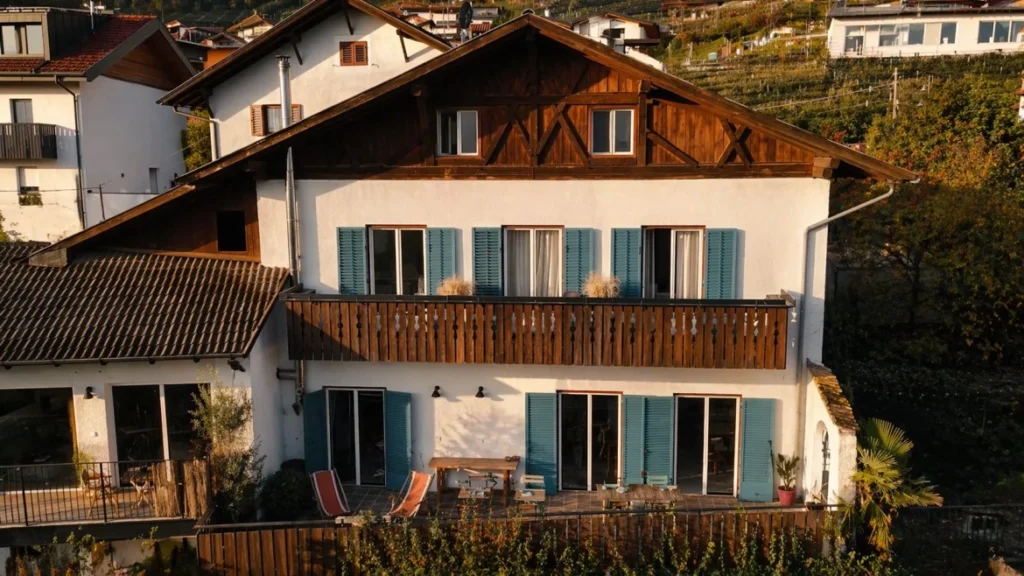
Dedicated Workspace
Franz&Mathilde
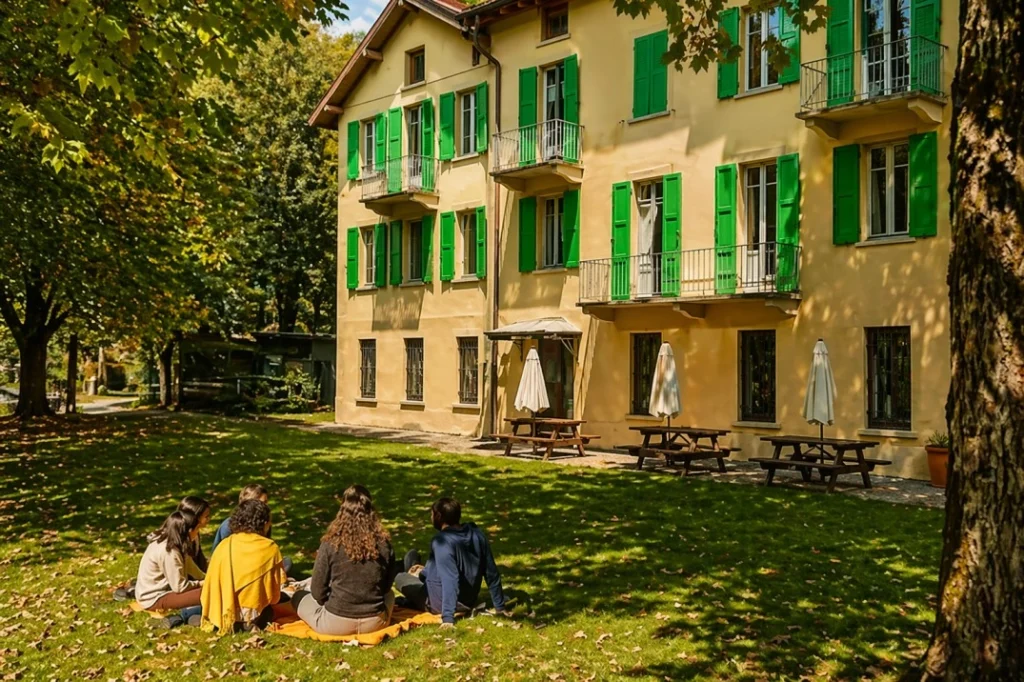
Dedicated Workspace
Montino
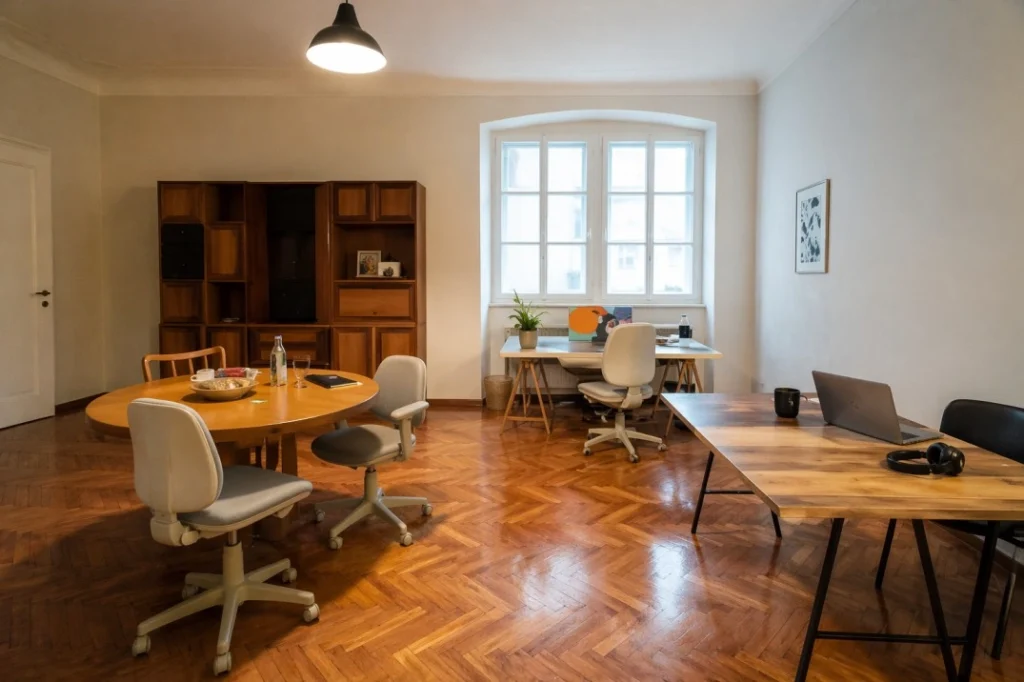
Shared Workspace
Benetural
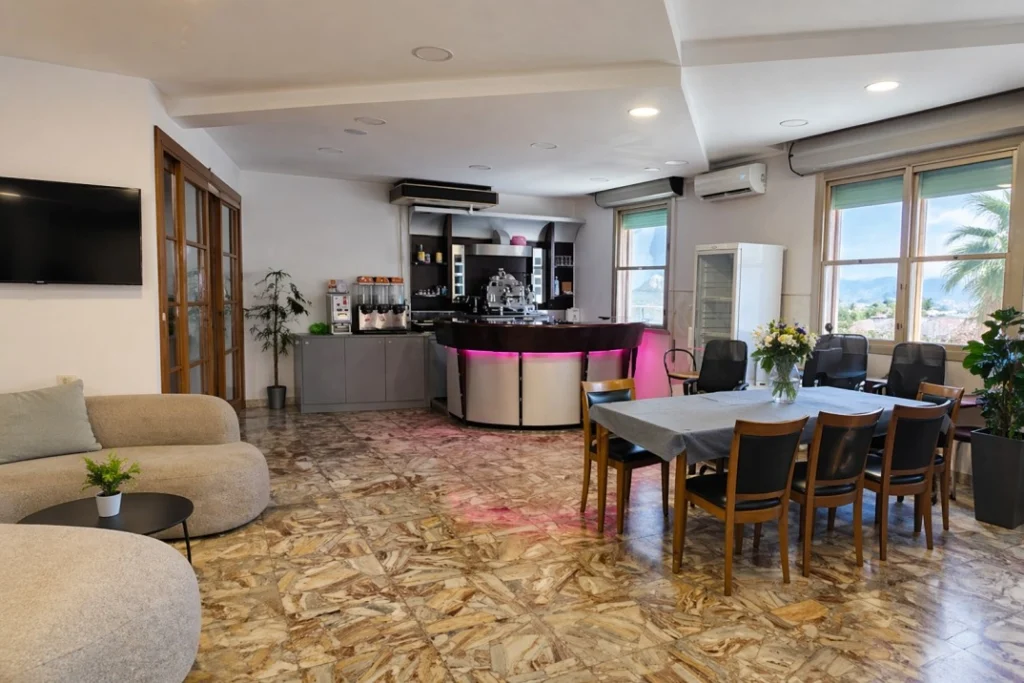
Dedicated Workspace
CoLiving One
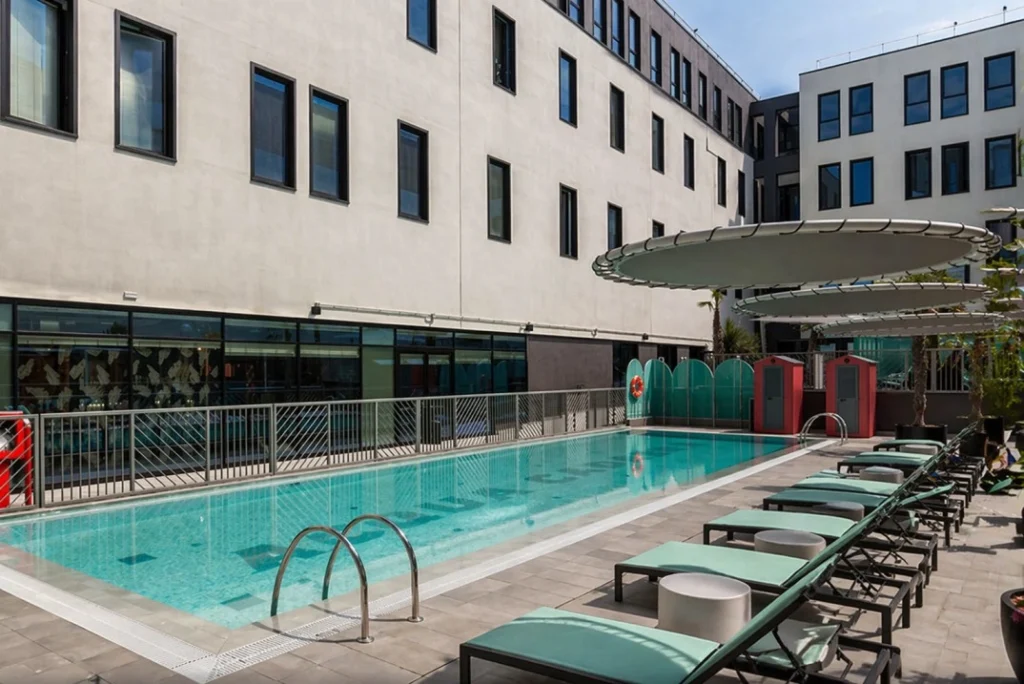
Dedicated Workspace
The Social Club
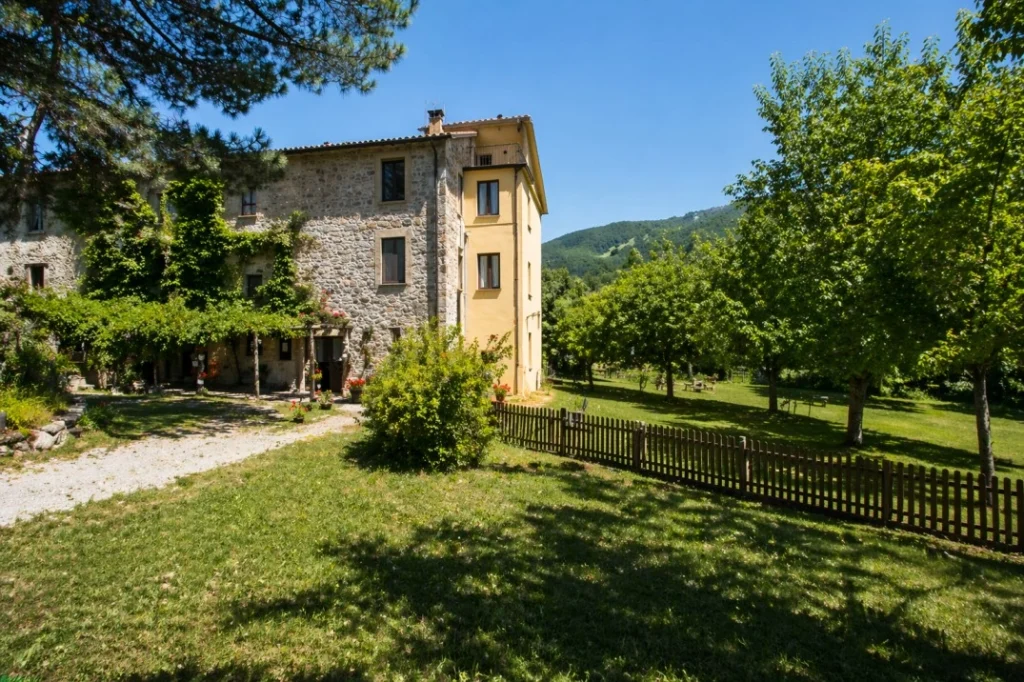
Shared Workspace
CaCo
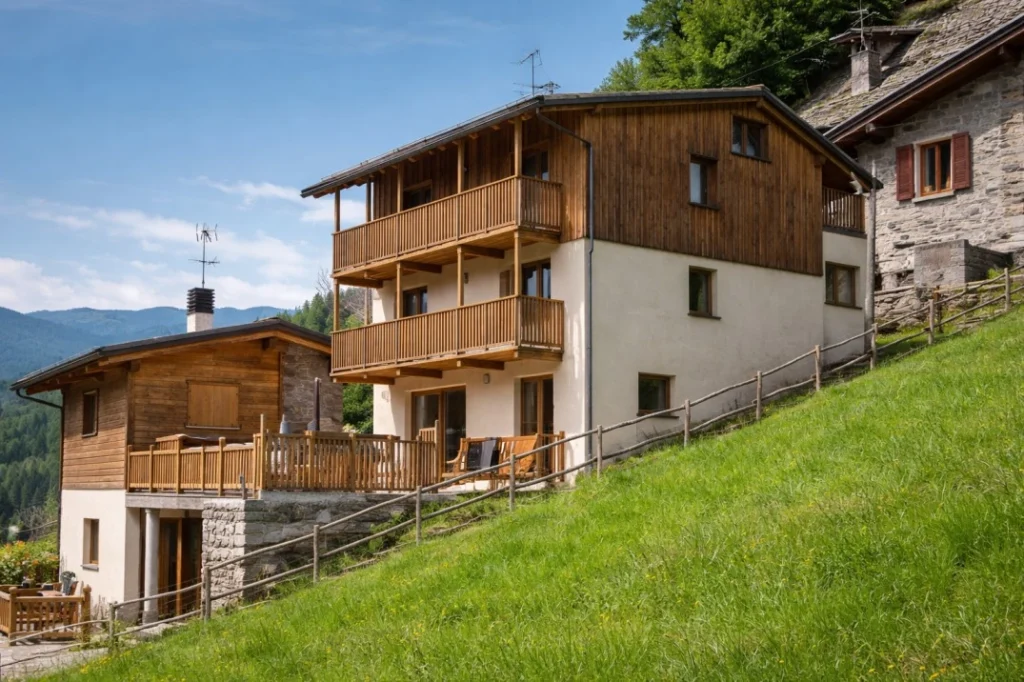
Shared Workspace
Wome
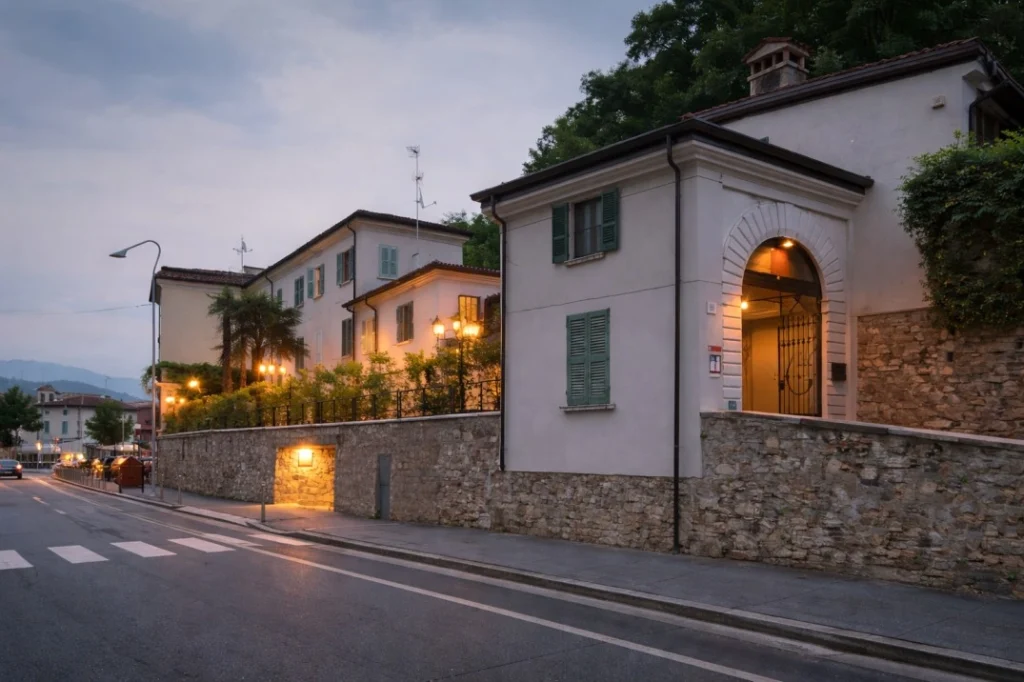
Shared Workspace
Annama
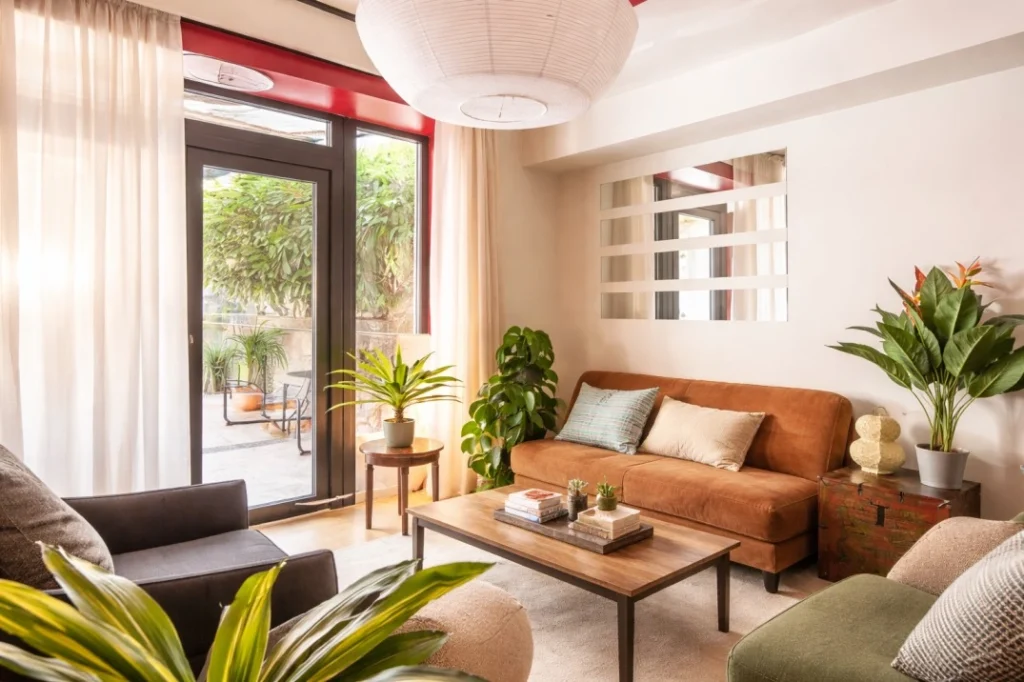
Dedicated Workspace
Dateo 5
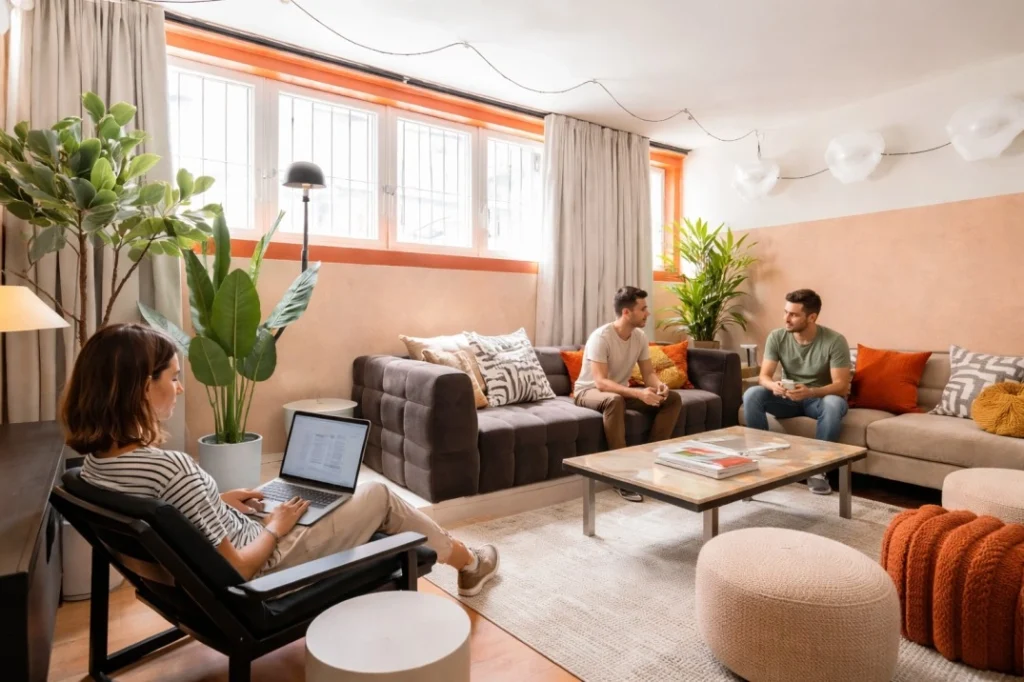
Dedicated Workspace
Bolivar

Shared Workspace
QUO Milano
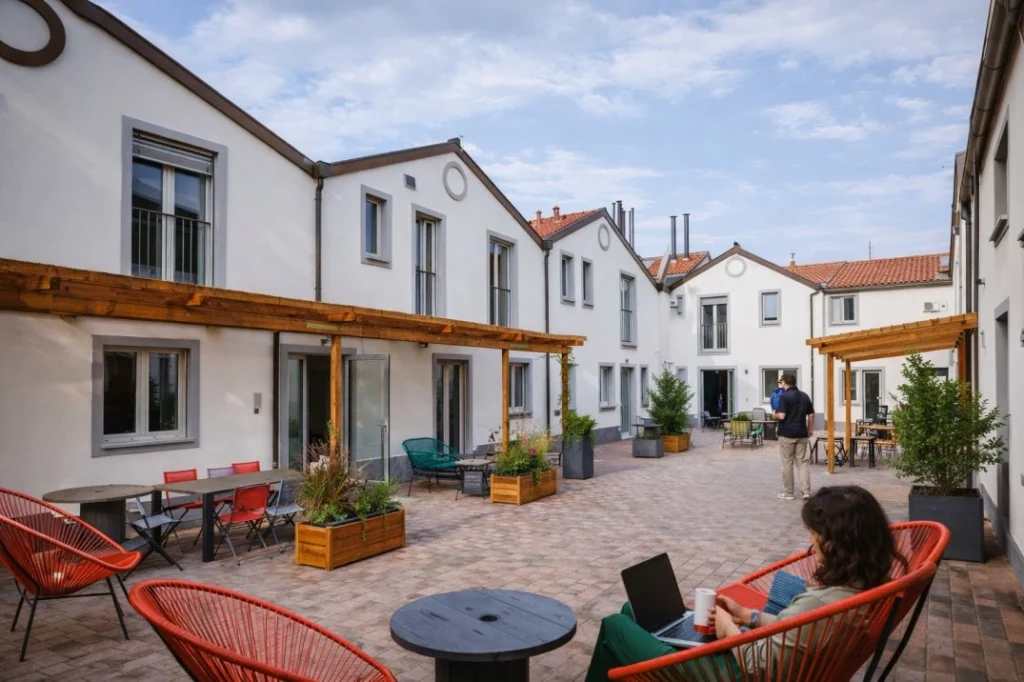
Dedicated Workspace
Eco-Living
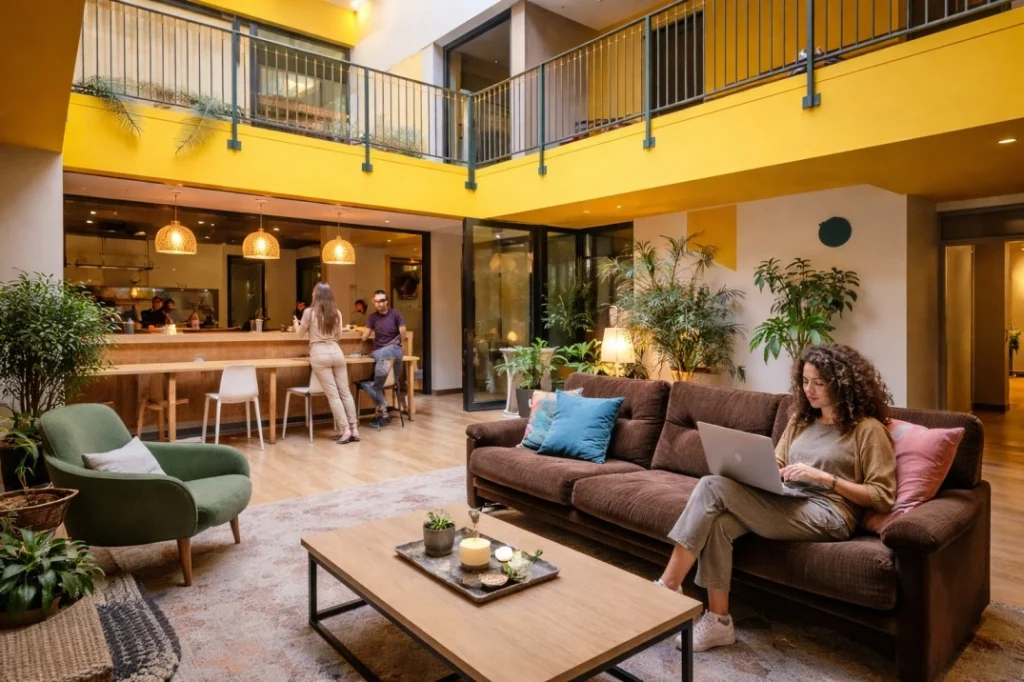
Dedicated Workspace
Repubblica 7
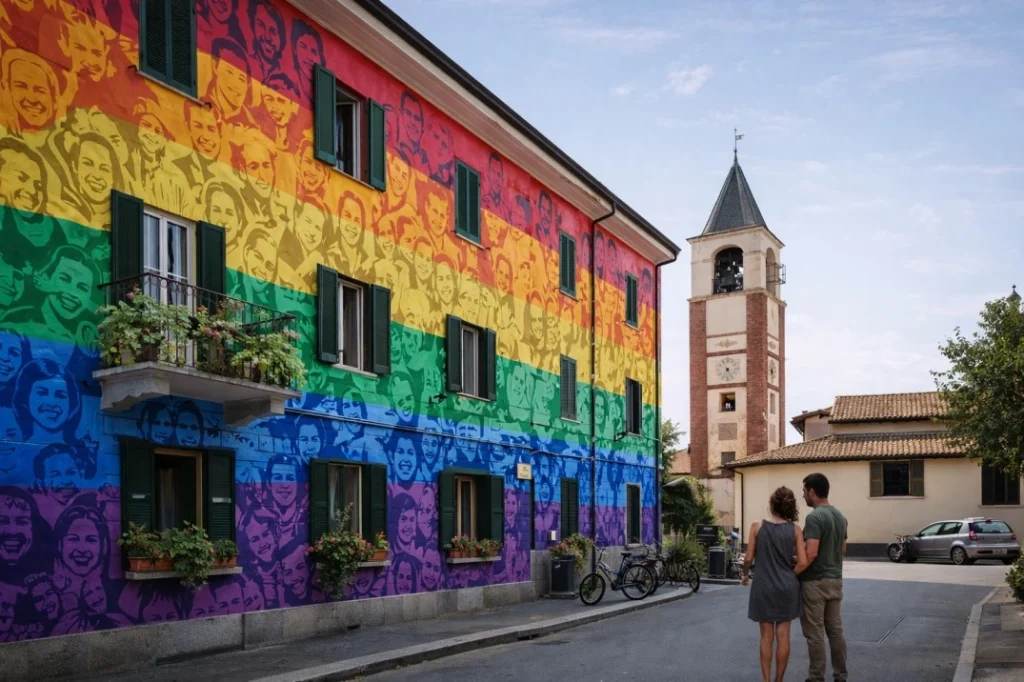
Dedicated Workspace
Homizy Bistolfi
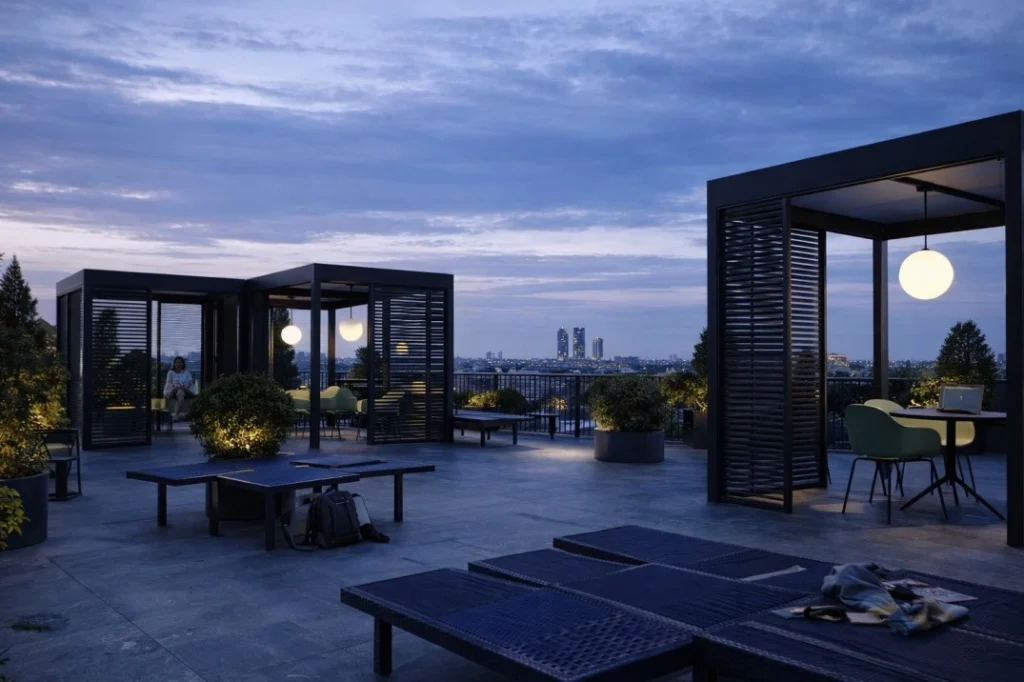
Dedicated Workspace
Homizy Tucidide
FAQs
Is living in Northern Italy expensive compared to the rest of the country?
Yes. Rent, utilities, and services are typically higher, especially near Milan and major hubs. The trade-off is infrastructure reliability and professional ecosystem density.
Is Northern Italy good for remote work?
For most remote workers, yes. Stable internet, coworking availability, and efficient transport reduce operational friction significantly.
Where should remote workers live in Northern Italy?
It depends on intensity preference. Milan suits career-driven professionals; Bologna offers balance; Alpine areas fit autonomous, nature-oriented workers.
Does Northern Italy feel less “Italian”?
Culturally it remains Italian, but institutional logic often feels closer to Central European systems — especially in administrative processes.
Is coliving in Northern Italy common?
It’s growing, particularly in Milan and Bologna. Most concepts target professionals rather than short-term nomads.